Trusted by 165+ Homeowners
Heavy Rain Water Damage Restoration in Acworth, GA
- Over 165 5-Star Reviews
- Free Estimates and Quotes
- 100% Satisfaction Guaranteed
- Child, Family & Pet Safe Steps
- 24-Hour Emergency Service
- Fully Licensed & Insured

When Heavy Rains Flood Your Acworth, GA Home
You’re standing in your living room, and the floor feels spongy. Water, cold and murky, is seeping in from under the doors or through cracks in the foundation. It’s not just a little dampness; it’s a clear sign that heavy rain has caused significant damage. The smell of damp earth and mildew might be starting to fill the air. You need to act fast to prevent long-term issues like mold growth and structural compromise. This is a situation where immediate professional intervention is critical.
Homeowners in the area have trusted us time and again for these specific emergencies. With over 165 five-star reviews, it’s clear that our neighbors value our quick response and effective drying methods. We understand the unique challenges that heavy rainfall can bring to your property, and we’re equipped to handle it. You want a team that knows how to deal with the specific science of water extraction and structural drying, not just surface cleanup. That’s precisely what we deliver.
- We use advanced moisture meters to detect hidden water, ensuring every affected area is found and treated, preventing future mold problems.
- Our specialized drying equipment accelerates the evaporation process, often cutting down drying times significantly compared to natural air drying.
- We focus on restoring your home’s structure and air quality, not just removing visible water, giving you a truly safe living environment.
How We Tackle Heavy Rain Water Damage
Dealing with heavy rain water damage requires a systematic, science-backed approach. It’s not enough to just mop up the standing water. If moisture remains trapped within your walls, floors, or ceilings, it will continue to cause harm. Our process is designed to remove every bit of excess water and dry your property thoroughly. We use specialized equipment and follow strict protocols to ensure complete water damage mitigation and prevent secondary issues. Ignoring these steps can lead to costly structural repairs down the line.
Emergency Water Extraction
The first and most crucial step is removing all standing water. We use powerful, truck-mounted extraction units and commercial-grade pumps to pull out gallons of water quickly. This phase is about preventing further saturation of your home’s materials. Our crews work fast to minimize the amount of time your property is exposed to the damaging effects of the water.
Structural Drying and Dehumidification
Once the bulk of the water is gone, the real drying begins. We deploy industrial-strength air movers and dehumidifiers. These machines create controlled environments to draw moisture out of porous materials like drywall, wood, and carpet padding. Monitoring humidity levels and air temperature is key to efficient structural drying. This process can take several days, depending on the extent of the saturation.
Moisture Detection and Assessment
Our technicians use advanced tools like infrared cameras and penetrating moisture meters. These allow us to see behind walls and under floors to find hidden moisture that isn’t visible to the naked eye. This thorough assessment ensures that all damp areas are identified and treated. It’s a vital step in preventing mold growth and ensuring your home is truly dry.
Containment and Air Quality Control
To prevent the spread of moisture and potential contaminants, we often set up containment barriers. This isolates affected areas and helps our drying equipment work more effectively. We also use air scrubbers with HEPA filters to remove airborne particles and improve your indoor air quality throughout the restoration process. This focus on clean air and containment is essential for your health.
Restoration and Rebuilding
After your property is completely dry, any damaged materials that can’t be salvaged will be removed and replaced. This might include damaged drywall, insulation, or flooring. Our goal is to return your home to its pre-loss condition, ensuring it’s safe and sound. We handle everything from minor repairs to more extensive reconstruction, providing reliable rebuilding services.
Don’t wait for standing water to become a bigger problem. Call us today to get immediate help for your heavy rain water damage. We’re ready to dispatch our crews now. Let us help you secure your home quickly.

Warning Signs You Need Heavy Rain Water Damage Restoration
Catching the signs of heavy rain water damage early can save you a lot of headaches and expense. Even after the rain stops, water can continue to cause problems within your home. Recognizing these subtle (and not-so-subtle) indicators means you can call for professional help before minor issues become major structural concerns. Your property’s integrity depends on promptly addressing water intrusion.
Musty Odors That Won’t Go Away
If you notice a persistent damp, musty, or earthy smell, especially in lower levels or near windows and doors, it’s a strong indicator of moisture. This smell often means mold or mildew has started to grow behind walls or under floors due to trapped water. Ignoring this unpleasant odor can lead to health issues and more extensive mold remediation later.
Visible Water Stains or Discoloration
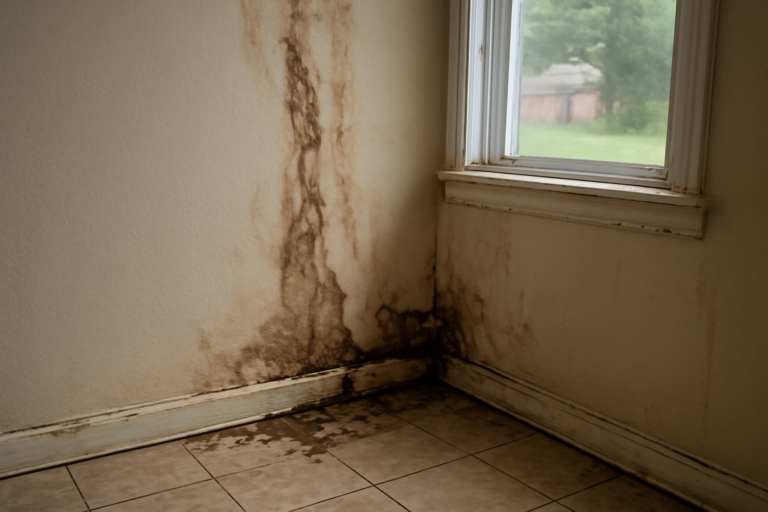
Look for brown or yellow rings on ceilings, walls, or around window frames. These stains are clear evidence that water has penetrated the surface. They might appear after a heavy downpour and can worsen over time if the moisture source isn’t addressed. These marks signal water intrusion and potential damage to your building materials.
Peeling or Bubbling Paint and Wallpaper
When water gets behind paint or wallpaper, it can cause the adhesive to fail. You might see areas that are peeling away from the wall, or the surface might look bubbled. This is a direct sign that moisture is present and is compromising the integrity of your finishes. It’s a visual cue for immediate water damage assessment.
Soft or Spongy Flooring
If your carpets feel unusually soft, squishy, or damp underfoot, even if the surface seems dry, it’s a serious warning. Water can saturate carpet padding and subflooring without making the top layer appear wet. This condition indicates that significant moisture is trapped, promoting mold growth and weakening the floor structure.
Warped or Sagging Walls and Ceilings
In more severe cases, prolonged exposure to water can cause building materials to warp or sag. You might notice walls that aren’t straight or ceilings that appear to be drooping. This is a critical sign of structural compromise and requires immediate professional attention to prevent collapse.
Doors and Windows That Stick or Won’t Close Properly
When wood absorbs excess moisture, it swells. If your doors or windows are suddenly difficult to open or close, it could be due to water absorption causing the frames to warp. This indicates that moisture is affecting your home’s structure, potentially leading to more significant issues if not dried out.
Heavy Rain Water Damage Restoration vs. DIY: When To Call a Professional
| Situation | DIY? | Call a Pro? | Why |
|---|---|---|---|
| Minor puddles in a single room after a brief shower | Yes, with caution | Maybe | Small amounts of water can often be managed with towels and fans, but monitor closely for hidden moisture. |
| Water seeping in from foundation cracks during heavy, prolonged rain | No | Yes | This indicates significant hydrostatic pressure and requires professional extraction and drying to prevent structural damage. |
| Wet carpet and padding in a large area | Maybe | Yes | DIY efforts are unlikely to fully dry saturated padding and subflooring, leading to mold and odor issues. |
| Visible mold growth appearing after water exposure | No | Yes | Mold remediation requires specialized equipment and safety protocols to prevent spore dispersal and health risks. |
| Ceilings or walls showing signs of sagging or water stains | No | Yes | This suggests the structural integrity of your home may be compromised and needs immediate expert assessment. |
| Any situation where you’re unsure of the extent of the damage | No | Yes | Professional assessment with specialized equipment ensures all hidden moisture is found and properly addressed. |
For heavy rain water damage, it’s usually best to err on the side of caution and call a professional. While small spills can sometimes be handled yourself, the scale and potential hidden nature of damage from severe weather demand expert intervention. Our team has the right tools and knowledge for thorough water removal and drying.
Heavy Rain Water Damage Restoration Cost In Acworth, GA
The cost of heavy rain water damage restoration in Acworth, GA, can vary widely. Factors like the size of the affected area, the depth of the water, and how quickly you address the issue all play a role. These price ranges are estimates and a thorough on-site assessment is needed for an accurate quote. We aim for transparent pricing for your peace of mind.
| Service | Typical Price Range | What Affects Cost |
|---|---|---|
| Emergency Water Extraction | $400 – $2,000 | Amount of water, size of the area, accessibility for equipment. |
| Structural Drying (Air Movers & Dehumidifiers) | $500 – $3,000 | Duration needed, number of units required, size of the affected space. |
| Moisture Detection & Assessment | $150 – $500 | Use of advanced technology like infrared cameras, complexity of the building structure. |
| Containment Setup & Air Scrubbing | $200 – $1,000 | Size of the contained area, number of air scrubbers needed for air quality. |
| Minor Demolition & Material Removal | $300 – $1,500 | Extent of damaged materials needing removal (e.g., drywall, insulation, flooring). |
| Reconstruction & Repair | Varies widely | Complexity of repairs, materials needed, scope of rebuilding work. |
An exact price can only be determined after our team visits your property and assesses the full extent of the damage. We offer free, no-obligation estimates to help you understand the investment needed. Call us today to schedule your assessment.
Service Areas Near Acworth, GA
Kennesaw, Marietta, Woodstock, Acworth, Dallas, Powder Springs, Cartersville, Sandy Springs, Roswell, Smyrna, Austell, Hiram, Vinings, Norcross, Lilburn, Dunwoody, Johns Creek, Alpharetta, Canton, Holly Springs.
Common Questions About Heavy Rain Water Damage Restoration
What is the first thing I should do if heavy rain causes flooding in my home?
Your first priority is safety. If the water is deep or you suspect electrical hazards, leave the area immediately. If it’s safe to do so, try to stop the water source if possible, like closing off a basement window. Then, call us right away. We can provide immediate emergency response to start the drying process and prevent further damage.
How long does it take to dry out a home after heavy rain damage?
Drying time varies greatly depending on the amount of water, the materials affected, and environmental conditions. It can range from a few days to a couple of weeks. Our technicians use specialized equipment to accelerate this process, ensuring we achieve proper structural drying as efficiently as possible.
Will my homeowner’s insurance cover heavy rain water damage?
Typically, homeowner’s insurance covers damage caused by sudden and accidental events, which often includes heavy rain flooding. However, policies can differ, and coverage for ground water or sewer backup might require separate endorsements. We can help you document the damage to assist with your insurance claim process, providing detailed photographic evidence.
Is heavy rain water damage dangerous to my health?
Yes, standing water can pose health risks. It can be a breeding ground for bacteria and mold, which can cause respiratory problems and allergic reactions. The water itself may also be contaminated. Our team follows strict safety protocols to ensure your home is not only dry but also safe for your family.
How do you find hidden moisture that I can’t see?
We use advanced technology like infrared cameras and penetrating moisture meters. Infrared cameras can detect temperature differences caused by moisture behind walls or under floors. Penetrating meters measure the moisture content within building materials. This allows us to identify and address all damp areas, preventing future problems like mold growth.
Check Our Other Relevant Services

Jerry Johns is a licensed Damage Restoration Expert with over 20 years of hands-on experience helping homeowners and businesses navigate property crises. As a trusted authority in the field, Jerry combines technical precision with a compassionate approach to disaster recovery.
𝗖𝗲𝗿𝘁𝗶𝗳𝗶𝗰𝗮𝘁𝗶𝗼𝗻𝘀: Jerry holds multiple elite IICRC certifications, including Water Damage Restoration (WRT), Applied Microbial Remediation (Mold), Applied Structural Drying (ASD), Odor Control, and Fire and Smoke Restoration.
𝗙𝗮𝘃𝗼𝗿𝗶𝘁𝗲 𝗣𝗮𝘀𝘁𝗶𝗺𝗲: When he isn’t on a job site, Jerry is an avid outdoorsman who enjoys fly fishing and restoring vintage woodworking tools.
𝗕𝗲𝘀𝘁 𝗣𝗮𝗿𝘁 𝗼𝗳 𝘁𝗵𝗲 𝗝𝗼𝗯: Jerry finds the most fulfillment in seeing the relief on a client’s face when their property is finally restored to its pre-loss condition, turning a stressful disaster into a fresh start.