Trusted by 165+ Homeowners
Heavy Rain Water Damage Restoration in Flowery Branch, GA
- Over 165 5-Star Reviews
- Free Estimates and Quotes
- 100% Satisfaction Guaranteed
- Child, Family & Pet Safe Steps
- 24-Hour Emergency Service
- Fully Licensed & Insured

When Heavy Rains Flood Your Flowery Branch Home
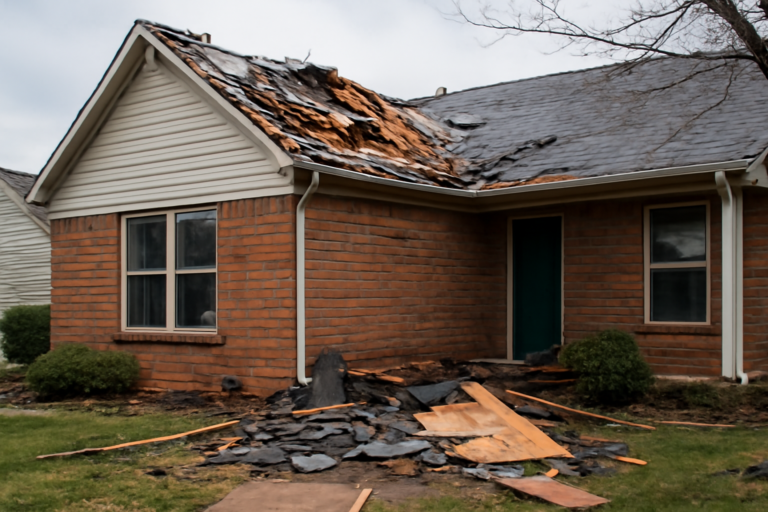
You walk into your living room after a particularly nasty storm, and you see it: standing water creeping across your floorboards. Water is seeping from around your windows, and you can hear that unsettling drip, drip, drip from somewhere upstairs. The air feels heavy and damp, carrying a faint, unpleasant odor. This isn’t just a little puddle; it’s significant water intrusion from the deluge outside, and you know it needs immediate attention. Dealing with heavy rain water damage requires a swift and expert response right here in Flowery Branch, GA.
Homeowners around here trust us because we understand the urgency and the specific challenges that come with severe weather. We’ve helped countless neighbors restore their homes after major rain events, earning over 165 five-star reviews from people just like you. Our local teams are equipped and ready to tackle even the most daunting water damage scenarios, ensuring your property is dried and protected. You can count on our fast response times when you need us most.
- We focus on preventing secondary damage like mold growth by implementing aggressive drying strategies immediately after water extraction.
- Our technicians use advanced moisture meters and thermal imaging to pinpoint hidden water pockets you might not even see, ensuring a complete dry-out.
- We handle the entire process from start to finish, including structural drying and dehumidification, to restore your home’s healthy environment.
The Science Behind Drying Your Home After Heavy Rains
When heavy rain saturates your home, it’s not just about mopping up the visible water. True restoration involves a meticulous, scientific approach to removing moisture from every surface and material. Simply waiting for it to air dry can lead to serious long-term problems like structural rot and mold. Our crews follow strict protocols, using specialized equipment to create an environment where water evaporates quickly and safely. We understand the science of drying, and we apply it diligently to your property.
Initial Water Extraction
The first step is always removing the bulk of the standing water. We use powerful truck-mounted or portable extractors designed to pull water out of carpets, subfloors, and other porous materials. This critical phase removes gallons of water quickly. It typically takes a few hours, depending on the extent of the flooding.
Advanced Drying Equipment
Once the standing water is gone, we deploy a strategic network of high-speed air movers and industrial-grade dehumidifiers. These machines work together to accelerate evaporation and pull moisture from the air. We place equipment precisely based on moisture readings to ensure every affected area receives optimal drying. This phase can last from a few days to over a week, depending on the saturation levels.
Moisture Monitoring and Measurement
Throughout the drying process, our technicians continuously monitor and measure moisture levels in the air, walls, floors, and contents. We use specialized tools like penetrating and surface moisture meters to verify that materials are drying to industry standards. Accurate readings are essential to confirm the effectiveness of our drying efforts. This ongoing monitoring is key to a successful restoration.
Containment and Air Quality
To prevent moisture and potential contaminants from spreading, we often set up containment barriers. This helps isolate affected areas and maintain optimal drying conditions. We also use air scrubbers with HEPA filters to capture airborne particles and improve indoor air quality. Maintaining healthy air is a priority during and after the water removal process.
Structural Drying Protocols
Our team adheres to strict IICRC (Institute of Inspection, Cleaning and Restoration Certification) standards for structural drying. This means we know exactly how to dry your building’s structure safely and effectively. We follow proven methods to dry materials like drywall, wood framing, and insulation without causing further damage or leading to future issues. Our expertise ensures your home is restored to pre-loss conditions.
Don’t let heavy rain damage linger and cause bigger headaches. Call us immediately to get our expert crews on-site and start the restoration process. Acting fast makes a significant difference in the outcome.

Warning Signs You Need Heavy Rain Water Damage Restoration
Catching the signs of heavy rain water damage early is crucial for preventing more extensive and costly repairs down the line. Water can seep into places you can’t easily see, and the longer it sits, the more damage it causes. Paying attention to subtle changes in your home can save you a lot of trouble. Don’t ignore these indicators that professional help is needed.
Musty Odors That Won’t Go Away
A persistent musty or earthy smell, especially after rain, is a strong indicator of hidden moisture. This odor often signals that mold or mildew is starting to grow in damp areas. Ignoring these smells allows the problem to spread unseen behind walls or under flooring.
Visible Water Stains or Discoloration
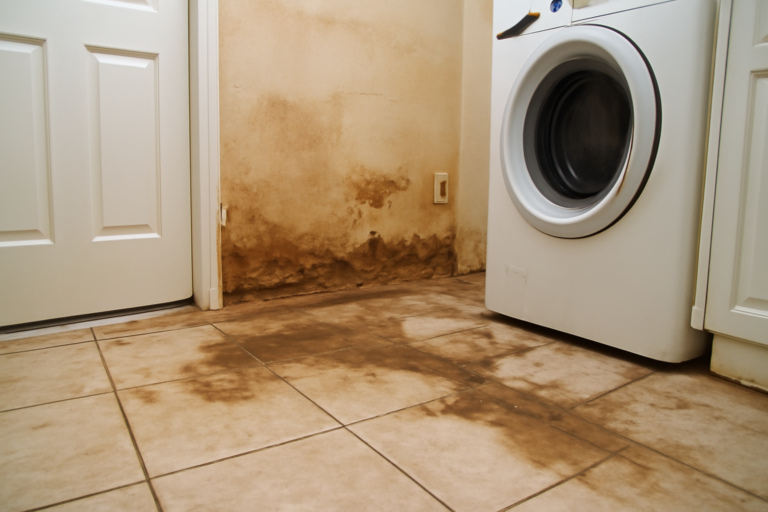
Look for new or worsening water stains on ceilings, walls, or around windows and doors. These marks show where water has penetrated building materials. Discolored patches are a clear sign that water has found its way in and is likely causing damage to insulation or structural components.
Peeling or Bubbling Paint and Wallpaper
When moisture gets behind paint or wallpaper, it can cause them to lose their adhesion. You might notice peeling edges, bubbling sections, or a general softening of these finishes. Damaged finishes suggest that the underlying material is saturated and needs drying.
Sagging Ceilings or Walls
In severe cases, waterlogged drywall or ceiling materials can begin to sag under the weight of the absorbed moisture. This is a serious sign of extensive water intrusion that compromises structural integrity. A drooping ceiling needs immediate attention to prevent collapse.
Soft or Warped Flooring
If your hardwood floors feel soft, spongy, or show signs of warping and buckling, it’s a direct result of water saturation. Even some laminate or vinyl floors can be damaged by prolonged exposure. Warped floorboards indicate that the subfloor beneath is likely saturated and requires drying.
Increased Humidity Levels Indoors
You might notice your home feels unusually damp or humid, even when the air conditioner is running. This is because materials are holding onto excess moisture released into the air. High indoor humidity contributes to discomfort and promotes mold growth.
Heavy Rain Water Damage Restoration vs. DIY: When To Call a Professional
| Situation | DIY? | Call a Pro? | Why |
|---|---|---|---|
| A few inches of standing water in a single room on a hard surface floor | Yes, with caution | Yes | Professional equipment is far more effective at extracting water and drying materials quickly, preventing long-term damage. |
| Water seeping under baseboards or into walls | No | Yes | Hidden moisture behind walls requires specialized tools to locate, extract, and dry effectively. |
| Carpet saturation with visible water | Yes, for small, contained areas | Yes | Thorough drying of carpet and padding is difficult for DIYers and can lead to mold if not done perfectly. |
| Water damage affecting multiple rooms or floors | No | Yes | The scale of the damage requires professional-grade equipment and a systematic approach to ensure complete drying and prevent cross-contamination. |
| Any signs of mold growth or musty odors | No | Yes | Mold remediation requires specific safety protocols and expertise to remove safely and prevent regrowth. |
| Water intrusion from a sewage backup | Absolutely Not | Yes | Sewage contains hazardous bacteria and requires specialized cleanup and sanitization procedures for your safety. |
While some minor water spills can be handled with basic cleanup, heavy rain water damage often involves hidden moisture and potential structural issues. Calling our trained professionals ensures the job is done right the first time, protecting your home from long-term problems.
Heavy Rain Water Damage Restoration Cost In Flowery Branch, GA
The cost of heavy rain water damage restoration in Flowery Branch, GA, can vary widely depending on the extent of the damage, the size of the affected area, and the specific materials that need drying or repair. These estimates provide a general idea of what you might expect for services in the area. An on-site assessment is always needed for an accurate quote.
| Service | Typical Price Range | What Affects Cost |
|---|---|---|
| Water Extraction and Removal | $500 – $3,000 | Amount of standing water, size of affected area, and type of flooring. |
| Structural Drying (Air Movers & Dehumidifiers) | $1,000 – $5,000+ | Duration of drying needed, number of pieces of equipment required, and size of the structure. |
| Moisture Monitoring and Testing | $200 – $700 | Frequency of checks and complexity of the affected areas (e.g., multiple levels, crawl spaces). |
| Containment Setup and Air Scrubbing | $300 – $1,500 | Size of contained area and number of air scrubbers deployed. |
| Specialty Drying (e.g., subfloor, wall cavities) | $700 – $4,000+ | Complexity of accessing and drying hidden spaces and the materials involved. |
| Mold Prevention Treatment | $300 – $1,200 | Size of the treated area and type of anti-microbial solution used. |
These figures are meant as a guideline; your final cost will depend on the unique circumstances of your home’s damage. We offer free estimates so you know exactly what to expect before any work begins.
Service Areas Near Flowery Branch, GA
Buford, Oakwood, Gainesville, Braselton, Flowery Branch, Sugar Hill, Suwanee, Lawrenceville, Cumming, Johns Creek, Duluth, Snellville, Lilburn, Norcross, Roswell, Alpharetta, Marietta, Sandy Springs, Dunwoody, Tucker
Common Questions About Heavy Rain Water Damage Restoration
What’s the first thing I should do if heavy rain floods my home?
Your immediate priority is safety. If the water is deep or electrical sources are involved, turn off your main power breaker if it’s safe to do so, and evacuate the area. Contact us immediately to begin the assessment and cleanup process. We’ll guide you through the necessary steps to mitigate further damage to your property.
How long does it take to dry out a home after heavy rain damage?
The drying time varies significantly based on the amount of water, the materials affected, and the humidity levels. Typically, it can take anywhere from three days to two weeks for a property to be thoroughly dried using our professional equipment. We use advanced monitoring to ensure complete dryness before we consider the drying phase complete.
Will my homeowner’s insurance cover heavy rain water damage restoration costs?
Most homeowner’s insurance policies cover damage caused by sudden and accidental water intrusion, which often includes heavy rain. However, coverage can depend on the cause of the water entry and your specific policy details. We work with your insurance adjuster to document the damage and streamline the claims process for you.
Are there health risks associated with water damage from heavy rain?
Yes, standing water creates a breeding ground for bacteria and mold, which can cause respiratory problems and allergic reactions. Untreated water damage poses significant health risks. Our team uses specialized antimicrobial treatments and follows strict safety protocols to ensure your home is not only dry but also healthy.
How do you prevent mold from growing after heavy rain damage?
Mold needs moisture, food (organic materials like wood and drywall), and time to grow. Our process directly combats this by removing excess moisture as quickly as possible using high-powered drying equipment and dehumidifiers. We also apply preventative antimicrobial treatments to susceptible surfaces to inhibit mold growth. Prompt action is the best mold prevention.
Check Our Other Relevant Services

Jerry Johns is a licensed Damage Restoration Expert with over 20 years of hands-on experience helping homeowners and businesses navigate property crises. As a trusted authority in the field, Jerry combines technical precision with a compassionate approach to disaster recovery.
𝗖𝗲𝗿𝘁𝗶𝗳𝗶𝗰𝗮𝘁𝗶𝗼𝗻𝘀: Jerry holds multiple elite IICRC certifications, including Water Damage Restoration (WRT), Applied Microbial Remediation (Mold), Applied Structural Drying (ASD), Odor Control, and Fire and Smoke Restoration.
𝗙𝗮𝘃𝗼𝗿𝗶𝘁𝗲 𝗣𝗮𝘀𝘁𝗶𝗺𝗲: When he isn’t on a job site, Jerry is an avid outdoorsman who enjoys fly fishing and restoring vintage woodworking tools.
𝗕𝗲𝘀𝘁 𝗣𝗮𝗿𝘁 𝗼𝗳 𝘁𝗵𝗲 𝗝𝗼𝗯: Jerry finds the most fulfillment in seeing the relief on a client’s face when their property is finally restored to its pre-loss condition, turning a stressful disaster into a fresh start.