Trusted by 165+ Homeowners
Heavy Rain Water Damage Restoration in Lovejoy, GA
- Over 165 5-Star Reviews
- Free Estimates and Quotes
- 100% Satisfaction Guaranteed
- Child, Family & Pet Safe Steps
- 24-Hour Emergency Service
- Fully Licensed & Insured

When Lovejoy, GA Gets Drenched: Your Guide to Heavy Rain Water Damage Restoration
Heavy rains can do more than just make your lawn soggy. Sometimes, that water finds its way inside, and when it does, you need to act fast. Ignoring even a small amount of water from a severe storm can lead to significant structural damage and mold growth down the line. You might think a little dampness will just dry on its own, but the reality is, saturated materials can break down surprisingly quickly, especially drywall and wood framing. It’s crucial to get ahead of it for your property’s long-term health.
Locally, homeowners have trusted our team to handle their worst water damage situations for years. With over 165 five-star reviews from satisfied customers in your neighborhood and surrounding areas, you can see that we understand the urgency and delicacy required. We’re known for our rapid response times and our commitment to restoring your home effectively, ensuring you get back to normal without unnecessary delays. Your neighbors choose us because they know we’ll take care of their property like it’s our own.
- Swiftly stop ongoing water intrusion from severe weather, preventing further saturation and damage to your home’s structure.
- Thoroughly extract standing water using specialized equipment designed for large volumes, protecting your belongings and finishes.
- Implement targeted drying and dehumidification strategies to quickly reduce moisture levels, minimizing the risk of mold and mildew development.
How Our Heavy Rain Water Damage Restoration Process Works
When heavy rains overwhelm your home’s defenses, you need a clear, effective plan. Our process for dealing with this specific type of water damage is designed for speed and thoroughness. We understand that the hours immediately following water intrusion are critical. Delaying proper extraction and drying can turn a manageable situation into a costly disaster, leading to deeper material saturation and compromised integrity throughout your home. That’s why we prioritize immediate action and employ a systematic approach to ensure every drop is removed and your home is safely dried.
1. Emergency Water Extraction
Our first priority is to stop the water from entering your home and then remove any standing water. We use powerful truck-mounted or portable extraction units that can remove hundreds of gallons of water quickly. This step is vital to prevent water from spreading further and causing more damage to your flooring, subfloors, and lower walls. It’s about removing the bulk of the water as fast as possible.
2. Advanced Drying Techniques
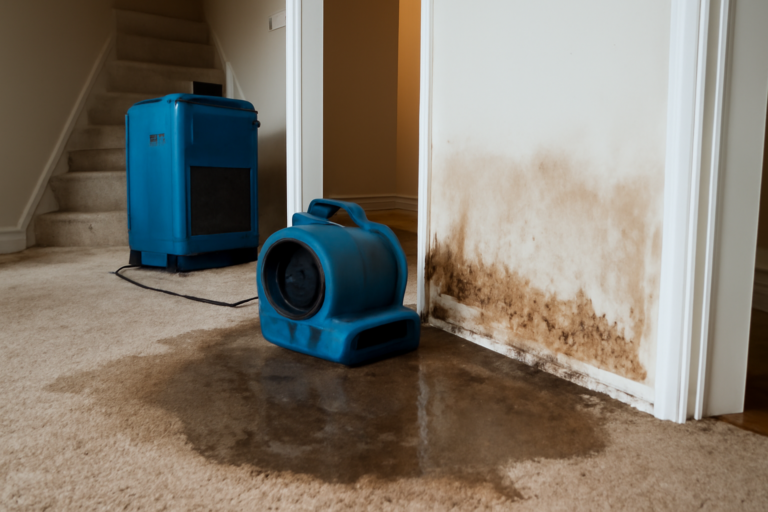
Once the standing water is gone, we deploy industrial-strength air movers and dehumidifiers. These machines are specifically chosen for their ability to pull moisture out of the air and materials like wood and drywall. We carefully monitor humidity and temperature levels to ensure a controlled drying environment, aiming to return your home to its pre-loss moisture levels. This is a critical drying phase.
3. Structural Dehumidification
Sometimes, moisture gets trapped deep within walls, under floors, or in ceilings. Our technicians use specialized equipment, including LGR (Low Grain Refrigerant) dehumidifiers, to pull moisture from these hidden areas. This process is essential for preventing secondary damage, such as mold growth or warping of structural components. We’re focused on drying every affected area.
4. Content Restoration and Cleaning
We carefully assess all your belongings that may have been affected by the heavy rain. Depending on the material and extent of saturation, we can often restore items like furniture, rugs, and personal possessions. Items that cannot be immediately dried in place may be carefully packed out and taken to our specialized facility for cleaning and restoration. It’s about saving your valuable items.
5. Mold Prevention and Remediation
Standing water creates a perfect breeding ground for mold, which can start to grow within 24-48 hours. We take proactive steps to prevent mold growth during the drying process by controlling humidity and applying antimicrobial treatments where necessary. If mold has already begun to form, our certified technicians will safely and effectively remove it. We ensure a healthy indoor environment.
Don’t let heavy rain damage linger. Reach out to us immediately to start the restoration process. We’re ready to help you recover quickly and effectively.

Warning Signs You Need Heavy Rain Water Damage Restoration
Recognizing the signs of heavy rain water damage is key to preventing more serious issues. Even if you don’t see a flood, persistent moisture can cause hidden problems that worsen over time. Acting on these early indicators can save you considerable expense and stress. We want you to be aware of what to look for in your home to ensure prompt professional attention.
Musty Odors That Won’t Go Away
A persistent damp or musty smell, especially in lower levels or areas that experienced heavy rain, is a strong indicator of hidden moisture. This odor often signifies the early stages of mold growth, which thrives in damp conditions. It’s your nose telling you there’s a moisture problem.
Visible Water Stains on Walls or Ceilings
Brown or yellow discoloration on your walls or ceilings, particularly after heavy downpours, suggests water has penetrated the surface. These stains are a clear visual cue that your building materials are saturated and may be weakening. Don’t assume it’s just cosmetic; it’s a sign of water intrusion.
Peeling or Bubbling Paint and Wallpaper
When paint or wallpaper starts to peel, bubble, or blister, it’s often because moisture is trapped behind it. Water compromises the adhesive and the integrity of the wall surface itself. This is a telltale sign of water damage behind surfaces.
Sagging Ceilings or Walls
If you notice sections of your ceiling or walls appearing to sag or bulge, this could indicate that the materials are heavily saturated and losing their structural strength. This is a serious sign that requires immediate professional assessment to prevent collapse. It’s a warning of structural compromise.
Soft or Spongy Flooring
Flooring materials, especially carpet and wood, can become soft or spongy when they absorb significant amounts of water and don’t dry properly. This indicates that the underlayment and subfloor may be saturated, leading to potential rot and mold. Your floors might feel unusually soft.
Increased Humidity Indoors
A noticeable increase in indoor humidity levels, even when the weather outside has dried up, can mean that moisture is trapped within your home’s structure. This stagnant, humid air contributes to discomfort and can accelerate mold and mildew growth. It’s a sign of unseen moisture.
Heavy Rain Water Damage Restoration vs. DIY: When To Call a Professional
| Situation | DIY? | Call a Pro? | Why |
|---|---|---|---|
| Minor dampness on a hard floor after a brief shower. | Yes, with good ventilation. | No. | Easy to clean up and dry with fans. |
| Standing water covering a large area (e.g., living room, basement). | No. | Yes. | Requires professional extraction equipment to remove quickly and prevent subfloor damage. |
| Water seeping through ceiling tiles after a storm. | No. | Yes. | Risk of ceiling collapse and requires careful water containment and drying of the joist space. |
| Carpet is soaked through from heavy rain, extending under walls. | No. | Yes. | Carpet padding acts like a sponge and needs specialized drying or replacement to prevent mold. |
| Dampness on drywall, but no visible water. | Maybe, for very small spots. | Yes, for larger areas. | Hidden moisture can spread and cause mold; professional assessment is best. |
| Persistent musty odors after a storm event. | No. | Yes. | Indicates potential mold growth that needs expert identification and remediation. |
For any situation involving significant standing water, saturated building materials, or persistent odors after heavy rains, calling a professional is the safest and most effective route. Our team has the specialized equipment and training to handle complex water damage scenarios thoroughly.
Heavy Rain Water Damage Restoration Cost In Lovejoy, GA
The cost for heavy rain water damage restoration in Lovejoy, GA can vary widely, depending on the extent of the damage, the size of the affected area, and the specific materials that need attention. These figures are general estimates and an on-site assessment is always needed for an accurate quote. We aim to provide transparent pricing for your peace of mind.
| Service | Typical Price Range | What Affects Cost |
|---|---|---|
| Emergency Water Extraction (up to 1,000 sq ft) | $500 – $2,500 | Amount of water, type of flooring, accessibility of the area. |
| Structural Drying & Dehumidification (per room) | $300 – $1,500 | Size of room, moisture levels, duration of drying needed. |
| Mold Prevention Treatment | $200 – $800 | Area size and type of treatment applied. |
| Content Cleaning and Restoration (per item/room) | $300 – $2,000+ | Number of items, material type, severity of damage. |
| Mold Remediation (if necessary) | $1,000 – $4,000+ | Severity of mold growth, containment needs, area affected. |
| Moisture Monitoring and Testing | $150 – $500 | Complexity of the affected structure and number of inspections required. |
A detailed, on-site inspection is the only way to get a precise cost for your specific situation. We offer free estimates so you know exactly what to expect before any work begins.
Service Areas Near Lovejoy, GA
Stockbridge, Hampton, Jonesboro, Morrow, Forest Park, Riverdale, McDonough, Locust Grove, Fayetteville, Tyrone, Peachtree City, Ellenwood, Conley, Rex, Lovejoy, GA, Griffin, Jackson, Tyrone, Newnan, Senoia.
Common Questions About Heavy Rain Water Damage Restoration
What’s the fastest way to dry out my house after heavy rain?
The fastest way involves immediate professional intervention. Our team uses powerful extraction equipment to remove standing water and then deploys industrial-grade air movers and dehumidifiers to accelerate the drying process. While you can open windows for ventilation, it’s often not enough to combat the moisture introduced by severe storms, and professional equipment works much faster to prevent secondary damage.
How long does the drying process typically take?
The drying process after heavy rain damage can vary, but generally, it takes about 3 to 5 days for most materials to reach acceptable drying levels with professional equipment. However, this depends heavily on the extent of saturation, the type of materials affected, and environmental factors. We use specialized meters to monitor progress and ensure thorough drying.
Will my homeowner’s insurance cover heavy rain water damage?
Typically, homeowner’s insurance covers damage caused by sudden and accidental water intrusion, such as from heavy rains overwhelming your roof or foundation. It usually doesn’t cover damage from poor maintenance or gradual leaks. We can help you document the damage for your insurance claim and work directly with adjusters to make the process smoother. We’ll provide detailed documentation.
How soon should I call for professional help after a heavy rain event?
You should call for professional help as soon as possible, ideally within 24 hours of discovering water intrusion. The longer water sits, the more damage it causes, increasing the risk of mold growth, structural weakening, and compromised finishes. Prompt action ensures faster restoration and can significantly reduce overall costs.
What are the health risks associated with water damage from heavy rain?
The primary health risk is mold growth, which can trigger allergies, asthma symptoms, and other respiratory issues. Stagnant water can also become a breeding ground for bacteria. Our team is trained to identify and remediate mold and bacteria, ensuring your home is not only dry but also a safe living environment.
Check Our Other Relevant Services

Jerry Johns is a licensed Damage Restoration Expert with over 20 years of hands-on experience helping homeowners and businesses navigate property crises. As a trusted authority in the field, Jerry combines technical precision with a compassionate approach to disaster recovery.
𝗖𝗲𝗿𝘁𝗶𝗳𝗶𝗰𝗮𝘁𝗶𝗼𝗻𝘀: Jerry holds multiple elite IICRC certifications, including Water Damage Restoration (WRT), Applied Microbial Remediation (Mold), Applied Structural Drying (ASD), Odor Control, and Fire and Smoke Restoration.
𝗙𝗮𝘃𝗼𝗿𝗶𝘁𝗲 𝗣𝗮𝘀𝘁𝗶𝗺𝗲: When he isn’t on a job site, Jerry is an avid outdoorsman who enjoys fly fishing and restoring vintage woodworking tools.
𝗕𝗲𝘀𝘁 𝗣𝗮𝗿𝘁 𝗼𝗳 𝘁𝗵𝗲 𝗝𝗼𝗯: Jerry finds the most fulfillment in seeing the relief on a client’s face when their property is finally restored to its pre-loss condition, turning a stressful disaster into a fresh start.