Trusted by 165+ Homeowners
Hurricane Damage Restoration in College Park, GA
- Over 165 5-Star Reviews
- Free Estimates and Quotes
- 100% Satisfaction Guaranteed
- Child, Family & Pet Safe Steps
- 24-Hour Emergency Service
- Fully Licensed & Insured

When the Wind Howls: Hurricane Damage Restoration in College Park, GA
When storm season rolls around, it’s easy to think about wind and rain. But the real danger often comes with the aftermath: hidden water damage, structural compromises, and the looming threat of mold. Don’t wait for mold to appear; that’s a sign things have gone too far. Your first step after a major storm should always be assessing potential water intrusion, especially in areas like your attic or basement. Prompt action prevents deeper problems.
We understand the stress that comes with storm damage. That’s why so many homeowners right here in College Park, GA, trust us to handle their hurricane damage. They’ve seen our 165+ five-star reviews and know we’re committed to getting your property back to normal. We treat your home like our own, with the urgency and care you deserve after a disruptive event.
- Rapid response means we’re there within hours, not days, mitigating further damage and protecting your investment.
- Our specialized drying equipment, like industrial-grade dehumidifiers and air movers, works faster and more effectively than anything you’d find at a rental store.
- We meticulously document all damage, which is crucial for your insurance claims and helps ensure you get the full coverage you’re entitled to.
How Our Hurricane Damage Restoration Process Works
Dealing with hurricane damage can feel overwhelming, but our structured process is designed to bring order back to your life. When water and wind batter your property, every hour counts. Delays can lead to compromised structures, widespread mold growth, and significantly higher repair costs. We stick to a proven plan to make sure your restoration is handled efficiently and effectively. Our technicians are trained professionals ready to assess and restore your home.
1. Emergency Response and Assessment
As soon as you call, our emergency response team mobilizes. We’ll arrive at your property, often within 60 minutes, to conduct a thorough assessment of the hurricane damage. This includes identifying the source of water intrusion, mapping out the affected areas, and taking immediate steps to prevent further harm. We use advanced moisture meters and thermal imaging to find hidden water. This phase typically takes 1-3 hours.
2. Water Extraction and Removal
Once we’ve assessed the damage, our crews begin extracting standing water. We use powerful truck-mounted or portable extraction units that can remove thousands of gallons of water quickly. This is a critical first step to halt the damage and begin the drying process. Depending on the volume of water, this can take anywhere from 2 to 12 hours.
3. Structural Drying and Dehumidification
After the bulk of the water is gone, we set up industrial-grade air movers and dehumidifiers. These machines work continuously to pull moisture out of the air and building materials like drywall, wood, and carpet padding. We monitor humidity levels closely to ensure materials are drying to safe standards. This phase can last anywhere from 24 hours to several days, depending on the extent of saturation.
4. Mold Prevention and Remediation
Standing water and damp materials create a perfect environment for mold growth, which can start within 48 hours. We take proactive measures to prevent mold by thoroughly drying and treating affected areas. If mold has already begun to form, our certified technicians will safely remove it according to strict protocols. Your family’s health is our priority. This step is integrated throughout the drying process.
5. Reconstruction and Repair
Once your property is completely dry and free from mold, our reconstruction team steps in. We handle everything from replacing damaged drywall and flooring to repairing structural damage caused by wind or water. Our goal is to return your home to its pre-storm condition. The timeline for this phase varies greatly, from a few days for minor repairs to several weeks for extensive reconstruction.
Don’t let hurricane damage linger. Call us now to get your property assessed and the restoration process started immediately. Every minute counts in preventing long-term issues.

Warning Signs You Need Hurricane Damage Restoration
After a hurricane, it’s easy to focus on the obvious damage. But sometimes, the most serious problems are the ones you can’t see right away. Catching these subtle signs early can save you a lot of money and prevent much bigger headaches down the road. Ignoring these could be costly.
Musty Odors That Won’t Go Away
A persistent damp or musty smell, especially in closets, basements, or attics, is a strong indicator of hidden moisture and potential mold growth. This smell means trouble.
Visible Water Stains or Discoloration
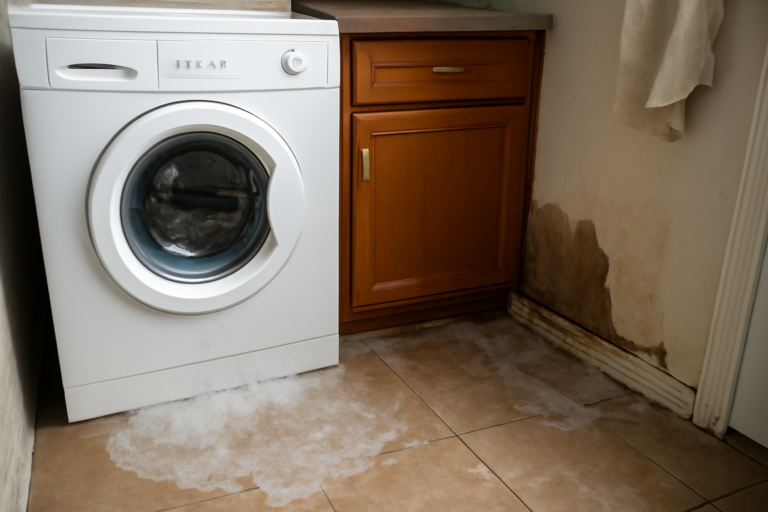
Look for new water spots on ceilings, walls, or floors. Even small, faint stains can signal that water has been seeping into your home’s materials. Don’t dismiss slight discoloration.
Peeling or Bubbling Paint/Wallpaper
Moisture trapped behind paint or wallpaper can cause it to lift and bubble away from the surface. This is a clear sign that water is saturating your walls. This indicates serious saturation.
Sagging Ceilings or Walls
If you notice any areas of your ceiling or walls starting to droop or sag, it could be due to waterlogged insulation or structural materials. This is a structural warning.
Increased Humidity Indoors
If your home feels unusually damp or sticky, even with air conditioning running, it could mean there’s excess moisture trapped within your building’s structure. Check your indoor air quality.
Warped Flooring or Baseboards
Wood flooring or baseboards that start to warp, cup, or separate from the wall are often reacting to prolonged exposure to moisture. Watch for warped edges.
Hurricane Damage Restoration vs. DIY: When To Call a Professional
| Situation | DIY? | Call a Pro? | Why |
|---|---|---|---|
| Standing water in a small, isolated area (e.g., a puddle in a corner) | Yes, with caution | Yes, if it persists | DIY is fine for minor spills, but professional extraction is needed if water doesn’t evaporate quickly. |
| Minor roof granule loss or small shingle damage | Yes, for assessment | Yes, for repairs | You can inspect for yourself, but professional roofers ensure proper sealing and prevent leaks. |
| Wet carpet in a single room after heavy rain | Maybe | Yes, if widespread | You can try to dry it yourself, but professional drying equipment is far more effective for preventing mold. |
| Large areas of standing water affecting multiple rooms or the basement | No | Yes, immediately | Professional equipment is essential for rapid removal and drying to prevent structural damage and mold. |
| Visible mold growth or strong musty odors | No | Yes, immediately | Mold can be a health hazard and requires specialized containment and removal by certified professionals. |
| Structural damage (e.g., sagging walls, damaged roof structure) | No | Yes, immediately | Structural integrity is paramount; only trained professionals can safely assess and repair these critical issues. |
While minor issues might seem manageable, significant water intrusion and structural concerns following a hurricane demand professional attention. Choosing DIY for complex problems can lead to prolonged damage and higher costs in the long run. Our team has the expertise and equipment to handle these critical situations safely and effectively.
Hurricane Damage Restoration Cost In College Park, GA
The cost of hurricane damage restoration in College Park, GA, can vary significantly. Factors like the extent of water intrusion, the size of the affected area, and the complexity of the structural repairs all play a role. These are just estimates; a detailed on-site assessment is necessary for an accurate quote.
| Service Aspect | Typical Price Range | What Affects Cost |
|---|---|---|
| Emergency Water Extraction | $300 – $1,500 | Volume of water, accessibility of affected areas. |
| Structural Drying and Dehumidification | $1,000 – $5,000+ | Size of the affected space, duration of drying needed, number of machines required. |
| Mold Prevention Treatment | $200 – $800 | Area size, type of treatment applied. |
| Mold Remediation (if needed) | $500 – $4,000+ | Severity and spread of mold, containment procedures required. |
| Board-Up Services (temporary) | $200 – $700 | Number of windows/doors needing boarding, complexity of access. |
| Minor Structural Repairs (e.g., drywall, subfloor) | $500 – $3,000+ | Amount of material needed, labor involved, complexity of the repair. |
Understanding these costs is part of the process, and we aim to be transparent. We offer free estimates to give you a clear picture before any work begins. Our priority is restoring your home effectively and affordably.
Service Areas Near College Park, GA
Atlanta, East Point, Hapeville, Forest Park, Morrow, Riverdale, Jonesboro, Clayton, Union City, Fairburn, College Park, Tyrone, Palmetto, Peachtree City, Fayetteville, Lovejoy, Stockbridge, Conley, Ellenwood, Lithonia
Common Questions About Hurricane Damage Restoration
What’s the first thing I should do after my home is damaged by a hurricane?
The very first thing you should do is ensure your family’s safety. If your home is unsafe, evacuate immediately. Once it’s safe to return, document the damage with photos or videos before touching anything if possible. Then, contact a professional restoration company. We can help you navigate the next steps and begin the mitigation process quickly.
How quickly can mold start to grow after hurricane flooding?
Mold can begin to grow in as little as 24 to 48 hours after water intrusion. If materials stay wet for longer than 48 hours, mold growth is very likely. Preventing mold is key to a healthy home environment. That’s why our emergency response teams prioritize rapid water extraction and drying.
Will my homeowner’s insurance cover hurricane damage restoration?
Typically, homeowner’s insurance policies cover damage caused by wind and water from hurricanes, but it depends on your specific policy. Flood damage might require a separate flood insurance policy. We work with your insurance company to help ensure a smooth claims process and provide detailed documentation of the necessary work.
How long does the entire hurricane damage restoration process usually take?
The timeline varies greatly depending on the severity of the damage. While water extraction and initial drying might take a few days, extensive repairs and reconstruction can take weeks. We aim for efficient restoration without compromising quality. Our team provides realistic timelines after the initial assessment.
What kind of equipment do you use to dry out a home after a hurricane?
We use professional-grade equipment, including powerful truck-mounted water extractors, industrial dehumidifiers (LGR units), and high-speed air movers. We also utilize thermal imaging cameras and moisture meters to detect and monitor hidden water. This specialized equipment is essential for thorough and rapid drying, far beyond what standard home appliances can achieve.
Check Our Other Relevant Services

Jerry Johns is a licensed Damage Restoration Expert with over 20 years of hands-on experience helping homeowners and businesses navigate property crises. As a trusted authority in the field, Jerry combines technical precision with a compassionate approach to disaster recovery.
𝗖𝗲𝗿𝘁𝗶𝗳𝗶𝗰𝗮𝘁𝗶𝗼𝗻𝘀: Jerry holds multiple elite IICRC certifications, including Water Damage Restoration (WRT), Applied Microbial Remediation (Mold), Applied Structural Drying (ASD), Odor Control, and Fire and Smoke Restoration.
𝗙𝗮𝘃𝗼𝗿𝗶𝘁𝗲 𝗣𝗮𝘀𝘁𝗶𝗺𝗲: When he isn’t on a job site, Jerry is an avid outdoorsman who enjoys fly fishing and restoring vintage woodworking tools.
𝗕𝗲𝘀𝘁 𝗣𝗮𝗿𝘁 𝗼𝗳 𝘁𝗵𝗲 𝗝𝗼𝗯: Jerry finds the most fulfillment in seeing the relief on a client’s face when their property is finally restored to its pre-loss condition, turning a stressful disaster into a fresh start.