Trusted by 165+ Homeowners
HVAC Water Damage Restoration in Adairsville, GA
- Over 165 5-Star Reviews
- Free Estimates and Quotes
- 100% Satisfaction Guaranteed
- Child, Family & Pet Safe Steps
- 24-Hour Emergency Service
- Fully Licensed & Insured

Expert HVAC Water Damage Restoration for Adairsville Homes
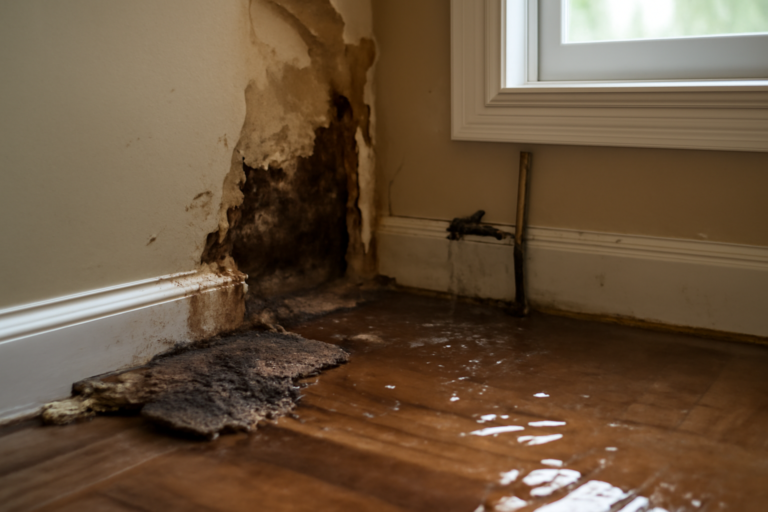
We understand how unsettling it is when your HVAC system causes water damage. We’ve seen it happen in attics, crawl spaces, and basements all around Adairsville, GA, often stemming from clogged drain lines or faulty AC units. It’s a unique type of mess that requires specialized attention, and our team has the experience to handle it right. We get your system dry and prevent further issues.
Homeowners in your neighborhood trust us because we’ve helped over 165 families resolve their HVAC water damage. You’ll find our response times are quick and our communication is clear throughout the entire process. We’re not just fixing a problem; we’re restoring your comfort and your confidence in your home’s systems.
- We specifically target water trapped within your ductwork, preventing mold growth and ensuring your air is safe to breathe again.
- Our advanced drying techniques quickly remove moisture from insulation and structural materials behind walls, stopping rot before it starts.
- We meticulously inspect your HVAC unit for damage or potential future leaks, giving you a clear picture of your system’s health.
How Our HVAC Water Damage Restoration Process Works
When your HVAC system leaks, it’s crucial to address it immediately. Ignoring even a small leak can lead to significant problems down the line, like structural rot, mold infestations, and costly repairs to your home’s interior. Our process is designed to be thorough and efficient, minimizing disruption to your life and getting your home back to normal. We use proven methods to ensure every bit of moisture is accounted for and removed. We handle the details so you don’t have to worry.
Initial Inspection and Assessment
Our technicians arrive promptly to assess the extent of the water damage caused by your HVAC system. We’ll identify the source of the leak and map out all affected areas, from the unit itself to any surrounding drywall or flooring. We document everything for your records and insurance. This step usually takes about 1-2 hours.
Water Extraction
Using powerful, specialized equipment, we remove standing water from your ductwork, insulation, and any affected building materials. This is a critical phase to prevent further saturation and potential mold growth. We remove excess water efficiently. This can take anywhere from 2 to 8 hours, depending on the volume of water.
Drying and Dehumidification
Once the bulk of the water is gone, we deploy industrial-grade air movers and dehumidifiers. These machines work tirelessly to pull residual moisture out of the air and materials, bringing your home’s humidity levels back to normal. We ensure materials are dry. This drying phase can last from 24 hours to several days.
Mold Prevention and Treatment
If moisture has been present for any length of time, there’s a risk of mold. We apply EPA-approved antimicrobial treatments to affected areas to prevent mold and mildew from developing. We safeguard your air quality. This is usually done within the first 48 hours of the drying process.
Reconstruction and Restoration
Depending on the damage, minor repairs might be needed. This could involve replacing small sections of wet drywall or insulation. Our goal is to restore your property to its pre-loss condition. We complete the repairs. The timeline for this varies greatly depending on the extent of the damage.
Don’t let HVAC water damage linger. Call us for immediate help to protect your home and health.

Warning Signs You Need HVAC Water Damage Restoration
Catching water damage from your HVAC early can save you a lot of headaches and money. Sometimes, the signs are obvious, but other times, they can be subtle. Knowing what to look for helps you act fast. Early detection is key to minimizing the impact on your property.
Musty Odors That Won’t Go Away
A persistent damp, musty smell, especially when your AC or heat is running, is a strong indicator of hidden moisture. We locate hidden moisture. This could be mold or mildew starting to grow due to a leak.
Visible Water Stains or Dripping
If you see water stains on ceilings or walls, or notice water dripping from your vents or the AC unit itself, it’s a clear sign of a leak. We stop active leaks. Don’t ignore these visible clues.
Increased Humidity Levels
Your home feeling unusually damp or sticky, even with the AC running, can mean your HVAC system isn’t dehumidifying properly due to a leak. We restore proper function. This often points to a problem within the system.
Sounds of Running Water or Gurgling
Hearing unusual sounds like dripping, gurgling, or running water when the system isn’t actively cooling or heating can indicate a blockage or leak in the drain line. We diagnose system noises. This is a direct sign something is wrong.
Mold or Mildew Growth
Any visible signs of mold or mildew around vents, on walls, or ceilings near your HVAC system are a serious warning. We tackle mold issues. This means moisture has been present long enough for growth to occur.
Unexpectedly High Energy Bills
A sudden spike in your energy bills, without a change in usage, can sometimes be linked to an HVAC leak that’s making the system work harder to compensate. We find energy drains. An inefficient system costs you more.
HVAC Water Damage Restoration vs. DIY: When To Call a Professional
| Situation | DIY? | Call a Pro? | Why |
|---|---|---|---|
| Small condensation leak on the outside of the AC unit | Yes, if you’re comfortable with basic cleaning and tightening. | No | This is usually a minor issue that can be resolved with simple maintenance. |
| Standing water in your home from a major AC leak | No | Yes | You need specialized equipment to extract water quickly and prevent secondary damage like mold. |
| Musty smell when the system runs | Maybe, if it’s very faint and you can locate the source easily. | Yes | Hidden moisture and mold growth require professional assessment and treatment. |
| Visible mold growth around vents or ducts | Absolutely Not | Yes | Mold spores can spread rapidly; professionals have containment and remediation protocols. |
| Water damage inside walls or ceilings due to HVAC leak | No | Yes | Accessing and drying these areas requires expertise and specialized drying equipment. |
| Concern about system damage after a leak | No | Yes | A professional can inspect the HVAC unit itself for damage and ensure it’s safe to operate. |
For anything beyond a minor external condensation drip, it’s always best to call a professional. DIY attempts can worsen damage and lead to much higher costs later. We have the right tools and training to handle it safely and effectively.
HVAC Water Damage Restoration Cost In Adairsville, GA
The cost for HVAC water damage restoration in Adairsville, GA can vary widely. Factors like how much water was released, how long it sat, the size of your home, and how accessible the affected areas are all play a role. We provide clear estimates. These are general price ranges to give you an idea.
| Service | Typical Price Range | What Affects Cost |
|---|---|---|
| Initial Inspection and Assessment | $200 – $500 | Complexity of the HVAC system and extent of visible damage. |
| Water Extraction | $500 – $2,500 | Volume of water needing removal and time required. |
| Drying and Dehumidification | $750 – $3,000+ | Size of the affected area and duration needed for complete drying. |
| Mold Prevention/Treatment | $300 – $1,500 | The size of the area treated and the type of treatment needed. |
| Minor Repairs (drywall, insulation) | $400 – $2,000+ | Amount of material needing replacement and labor involved. |
| HVAC System Inspection (post-water damage) | $150 – $400 | Whether it’s a simple visual check or requires minor disassembly. |
Remember, these are estimates. A precise quote can only be given after we’ve performed an on-site assessment of your specific situation. We offer free estimates for your convenience.
Service Areas Near Adairsville, GA
Cartersville, Emerson, White, Kingston, Adairsville, Calhoun, Ranger, Plainville, Dalton, Sugar Valley, Resaca, Armuchee, Rome, Shannon, Lindale, Taylorsville, Acworth, Kennesaw, Marietta, Smyrna
Common Questions About HVAC Water Damage Restoration
How quickly do I need to address HVAC water damage?
You need to act as fast as possible. Prompt action prevents mold and structural damage. Within 24-48 hours, mold can begin to grow on damp materials. Our team is ready to respond 24/7 to start the drying process immediately and mitigate further issues.
Will my homeowner’s insurance cover HVAC water damage?
Typically, standard homeowner’s insurance policies cover water damage caused by sudden and accidental events, which can include leaks from your HVAC system. However, coverage for gradual leaks or issues due to poor maintenance might be excluded. We help with insurance claims by providing detailed documentation of the damage and our restoration process.
How long does the HVAC water damage restoration process usually take?
The timeline varies based on the severity of the water damage. Simple leaks might be resolved in a few days, while more extensive saturation could take a week or more for complete drying and restoration. We provide realistic timelines after our initial assessment, keeping you informed throughout.
What are the health risks associated with HVAC water damage?
The primary health risk is mold and mildew growth, which can trigger allergies, asthma, and other respiratory problems. Bacteria can also thrive in damp conditions. We ensure a healthy environment by thoroughly drying affected areas and applying antimicrobial treatments to prevent mold proliferation.
Can I just turn off my AC and wait for the water to dry?
No, simply turning off the system won’t solve the problem and can allow moisture to linger, leading to mold and structural damage. Passive drying is insufficient. You need professional-grade equipment like industrial dehumidifiers and air movers to properly dry out your home and HVAC system safely and effectively.
Check Our Other Relevant Services
Serving Adairsville, GA And Nearby Areas