Trusted by 165+ Homeowners
HVAC Water Damage Restoration in Austell, GA
- Over 165 5-Star Reviews
- Free Estimates and Quotes
- 100% Satisfaction Guaranteed
- Child, Family & Pet Safe Steps
- 24-Hour Emergency Service
- Fully Licensed & Insured

Don’t Let Your HVAC System Become a Water Hazard in Austell, GA
You might not think about your HVAC system holding water, but leaks from air conditioners, furnaces, or even clogged drain pans can cause significant damage. If you’ve noticed unexplained moisture around your vents, water stains on ceilings or walls originating from above, or a sudden musty smell when your system kicks on, you’re likely dealing with HVAC water damage. Ignoring these signs can lead to more than just cosmetic issues; it can invite mold growth and structural problems, especially here in Austell, GA. Addressing this promptly is key to protecting your home and your family’s health.
We’ve helped over 165 clients in your neighborhood resolve HVAC water damage, and they consistently tell us they chose us because of our fast response times and our clear communication. Homeowners around here trust our team to handle these tricky situations with care and expertise. They know that when your HVAC system causes water problems, you need a specialized approach, and that’s exactly what we provide. We understand the urgency and the specific challenges this type of damage presents.
- Rapidly addressing water from your HVAC system prevents mold and mildew growth, which can spread quickly and impact your indoor air quality.
- Our specialized equipment can extract moisture from hidden areas within your ductwork and insulation, areas that standard drying methods can’t reach.
- We help prevent secondary damage, like warped flooring, damaged drywall, and compromised structural integrity, by acting fast and drying thoroughly.
How We Tackle HVAC Water Damage Head-On
When water escapes your HVAC system, it doesn’t just sit on the surface. It can seep into insulation, travel through ductwork, and create hidden pockets of moisture that are perfect breeding grounds for mold. That’s why a methodical, expert-led process is crucial. Trying to dry things yourself often misses these hidden damp spots, leading to persistent musty odors and ongoing mold issues. Our crews follow a proven, step-by-step approach to ensure your home is not just dry, but truly restored.
Initial Assessment and Water Extraction
Our first step is always a thorough inspection to pinpoint the source of the leak and the full extent of the water damage. We then use powerful water extraction units to remove standing water from accessible areas. This initial phase is critical for stopping the damage from spreading further and can take anywhere from a few hours to a full day, depending on the amount of water involved.
Structural Drying and Dehumidification
Once the bulk of the water is gone, we set up specialized drying equipment, including high-velocity air movers and industrial dehumidifiers. These machines work tirelessly to pull moisture out of the air and building materials. This stage can last several days, and we monitor humidity levels closely to ensure materials are drying properly.
Moisture Detection and Monitoring
We don’t guess when it comes to moisture. Our technicians use advanced moisture meters and thermal imaging cameras to detect hidden dampness within walls, floors, and especially your HVAC ductwork. We continuously monitor drying progress to confirm that all affected areas are reaching safe moisture content levels.
HVAC System Inspection and Cleaning
Because the damage originated from your HVAC system, we pay special attention to it. We’ll carefully inspect your ductwork for any signs of water intrusion or mold. If necessary, we can coordinate with HVAC professionals to ensure your system is clean and functioning correctly after the restoration process.
Odor Removal and Air Quality Improvement
Water damage often leaves behind unpleasant odors. We use professional deodorizing techniques and equipment, such as ozone generators or thermal fogging, to neutralize any lingering smells. Our goal is to leave your home smelling fresh and ensure your indoor air quality is safe and healthy.
Don’t wait for the problem to get worse. If you suspect your HVAC system is leaking water, call us immediately. We’re here to provide swift and effective water damage restoration for your property.

Watch For These Warning Signs of HVAC Water Damage
Catching HVAC water damage early can save you a lot of headaches and money. Sometimes the signs are obvious, but other times they can be subtle. Being aware of what to look for is your first line of defense against costly repairs and potential health hazards.
Musty Odors That Won’t Go Away
A persistent, damp, or musty smell, especially when your HVAC system is running, is a strong indicator of hidden moisture. This smell often signals mold growth behind walls or inside your ductwork.
Visible Water Stains on Ceilings or Walls
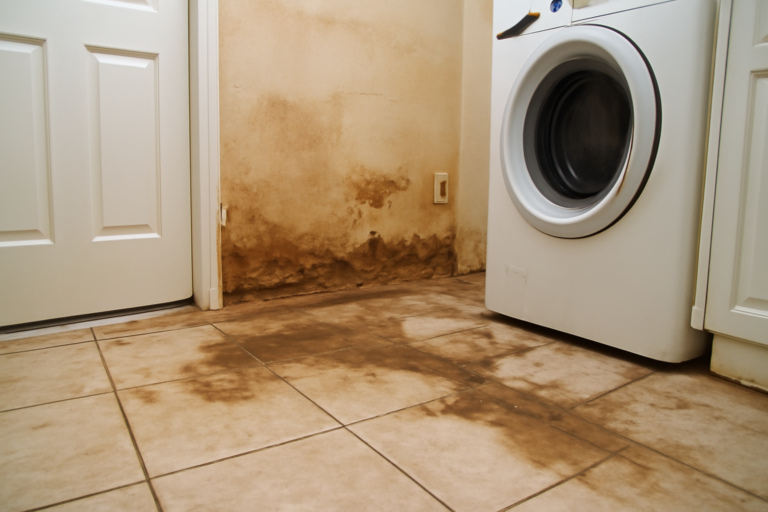
Water stains, discoloration, or peeling paint originating from areas near your vents or HVAC unit are clear signs of a leak. These marks show that water has been present long enough to damage your surfaces.
Increased Humidity Levels Indoors
If your home feels unusually damp or sticky, even when your air conditioner is running, your HVAC system might be contributing to the problem. This can be a sign of excess condensation or a failing drain line.
The Sound of Dripping Water
Hearing dripping sounds when your HVAC system is operational, especially from above or within walls, suggests a leak in the unit or its associated plumbing. This is a direct indication of water loss that needs immediate attention.
Mold or Mildew Growth
Any visible signs of mold or mildew around your vents, on ceilings, or on walls near your HVAC system are a serious warning. This often means there’s been standing water for a considerable time, requiring professional remediation.
Water Pooling Around the Outdoor Unit
While some condensation is normal, significant puddles or persistent water around your outdoor AC unit can indicate a clogged drain line or a refrigerant leak causing excessive ice buildup.
HVAC Water Damage Restoration vs. DIY: When To Call a Professional
| Situation | DIY? | Call a Pro? | Why |
|---|---|---|---|
| Small, visible puddle near the indoor unit | Yes, if it’s a very small amount and you can immediately identify and fix the source (e.g., a loose drain pan connection). | Yes, especially if you’re unsure of the source or the water has spread. | DIY can miss hidden moisture, leading to mold. Professionals have specialized equipment for thorough drying. |
| Musty odor when the AC runs | No. | Yes. | Odors usually indicate hidden mold growth within ductwork or insulation that DIY methods can’t reach or eliminate. |
| Water stains on the ceiling below a vent | No. | Yes. | This often means water has traveled through your attic or wall cavities, requiring specialized detection and drying to prevent structural damage. |
| Appliance or plumbing leak near HVAC unit | Yes, for minor leaks you can immediately stop and clean up. | Yes, if the leak is significant or has spread into walls or flooring. | Professionals have the equipment to dry out affected building materials and prevent long-term damage. |
| Suspected mold growth in ductwork | Absolutely not. | Yes. | Mold remediation requires specialized knowledge, safety protocols, and equipment to prevent spores from spreading throughout your home. |
| Water damage after a severe storm affecting outdoor unit | No. | Yes. | Storm damage can be complex, involving electrical hazards and hidden structural issues that require expert assessment and repair. |
When it comes to water originating from your HVAC system, professional intervention is often necessary. While small, contained puddles might be manageable for a DIYer, any situation involving hidden moisture, potential mold growth, or damage to structural components demands the attention of trained restoration specialists. Our crews are equipped to handle these complex challenges effectively.
HVAC Water Damage Restoration Cost In Austell, GA
The cost of HVAC water damage restoration in Austell, GA, can vary significantly. Factors such as the size of the affected area, the amount of water involved, the type of materials damaged, and the duration the water was present all play a role in the final price. These figures are estimates and can change based on the specific circumstances of your situation.
| Service | Typical Price Range | What Affects Cost |
|---|---|---|
| Initial Water Extraction | $300 – $1,000 | Volume of water, accessibility of the area. |
| Structural Drying and Dehumidification | $500 – $3,000+ | Square footage of affected space, duration of drying needed. |
| Moisture Detection & Monitoring | $200 – $750 | Complexity of hidden moisture, number of readings required. |
| Odor Removal Services | $300 – $1,500 | Severity of odors, type of deodorizing equipment used. |
| Ductwork Inspection and Cleaning | $400 – $2,000+ | Length and complexity of duct system, extent of contamination. |
| Mold Remediation (if necessary) | $500 – $5,000+ | Amount of mold, location (e.g., inside walls), containment needs. |
Understanding these costs can help you prepare, but remember that an exact quote requires an on-site assessment by our trained technicians. We offer free, no-obligation estimates to give you a clear picture of what to expect.
Service Areas Near Austell, GA:
Mableton, Smyrna, Marietta, Powder Springs, Douglasville, Lithia Springs, Clarkdale, Austell, Lithia Springs, Atlanta, Vinings, Kennesaw, Acworth, Hiram, Dallas, Temple, Villa Rica, Winston, Concord, Lithonia.
Common Questions About HVAC Water Damage Restoration
How quickly do I need to address HVAC water damage?
You need to act as fast as possible. Within 24-48 hours, mold can begin to grow in damp conditions. The longer water sits, the more damage it causes to your home’s structure and materials, and the higher the restoration costs will be. We offer emergency services to address these situations promptly.
Will my homeowner’s insurance cover HVAC water damage?
Typically, homeowner’s insurance policies cover water damage caused by sudden, accidental events, like a burst pipe or a malfunctioning appliance. However, coverage for damage resulting from neglect or poor maintenance (like a clogged drain pan that overflows over time) can be more complex. It’s always best to check your specific policy and contact your insurance provider, and we can help document the damage for your claim.
How long does the HVAC water damage restoration process take?
The timeline varies greatly depending on the severity of the damage. Simple water extraction and drying might take a few days, while more extensive damage involving structural drying and potential mold remediation could take one to two weeks or longer. We work efficiently to restore your home while ensuring it’s properly dried and safe.
What are the health risks associated with HVAC water damage?
The primary health risk is mold and mildew growth, which can release spores into the air you breathe. Exposure to mold can cause allergic reactions, respiratory problems, and other health issues, especially for individuals with asthma or compromised immune systems. Proper drying and remediation are essential for protecting your family’s well-being.
Can I just use fans and open windows to dry out water from my HVAC system?
For very minor, surface-level moisture, fans might help. However, water from HVAC systems often infiltrates insulation, ductwork, and wall cavities where fans can’t reach. Using professional equipment like industrial dehumidifiers and air movers is crucial for drying these hidden areas effectively and preventing long-term problems like mold and structural decay.
Check Our Other Relevant Services
- Cabinet Water Damage Repair in Austell, GA
- Clean Water Damage Restoration (Category 1) in Austell, GA
Serving Austell, GA And Nearby Areas