Trusted by 165+ Homeowners
HVAC Water Damage Restoration in Brookhaven, GA
- Over 165 5-Star Reviews
- Free Estimates and Quotes
- 100% Satisfaction Guaranteed
- Child, Family & Pet Safe Steps
- 24-Hour Emergency Service
- Fully Licensed & Insured

When Your HVAC System Becomes a Water Problem in Brookhaven, GA
We’ve seen it happen more times than we can count: a seemingly minor HVAC issue that turns into a major water headache for homeowners around here. Leaks from air conditioners, burst pipes in your ductwork, or even condensation drain clogs can saturate your ceilings, walls, and floors. It’s a stressful situation, especially when it affects your home’s comfort system. Our team understands the unique challenges these types of water intrusions present, from hidden moisture within your ventilation to the disruption of your home’s climate control. We’re experts at swiftly assessing HVAC leaks and beginning the immediate water removal process.
You’ll find over 165 five-star reviews from your neighbors attesting to our effectiveness. Local homeowners trust us because we don’t just fix the visible damage; we dig deep to find the source of the HVAC water problem and ensure it’s completely resolved. We’ve handled everything from tiny condensation drips that caused mold to catastrophic AC unit failures that flooded entire rooms. Our commitment is to get your home back to normal quickly and efficiently, providing a trusted local restoration experience.
- We specialize in drying out the often-hidden spaces within your ductwork and HVAC unit, preventing long-term mold growth and structural decay that other methods might miss.
- Our technicians are trained to address the specific contaminants that can be present in HVAC-related water, ensuring a healthier environment for your family.
- We work directly with your insurance company to simplify the claims process, taking a significant burden off your shoulders during this difficult time.
Our Detailed Process for HVAC Water Damage Restoration
When water invades your home through your HVAC system, it’s not just about mopping up puddles. You need a methodical approach to ensure every trace of moisture is gone, especially in the complex network of your ductwork and the sensitive components of your AC unit. Cutting corners here leads to persistent mold problems and potential structural damage down the line. Our team follows a proven, step-by-step restoration plan to guarantee your home is dried, cleaned, and restored safely. We believe in transparency, so you’ll always know what’s happening and why. This detailed process is crucial for effective water extraction and long-term structural integrity.
1. Initial Inspection and Water Source Identification
The first step is always a thorough inspection. We’ll use advanced moisture meters and thermal imaging cameras to pinpoint exactly where the water has spread, both inside and outside your HVAC system. Identifying the precise source of the leak is paramount to preventing recurrence. This phase typically takes 1-3 hours, depending on the complexity.
2. Water Extraction and Removal
Once we know the extent of the problem, our crews immediately begin removing standing water. We utilize powerful, truck-mounted extraction units designed to pull water from carpets, subfloors, and even within ventilation systems. This is a critical phase for minimizing water damage and can take anywhere from a few hours to a couple of days, depending on the volume of water.
3. Drying and Dehumidification
After the bulk of the water is gone, the real drying begins. We strategically place industrial-grade air movers and dehumidifiers throughout your home and, importantly, within affected ductwork. These machines work tirelessly to pull out hidden moisture in materials and the air. This process is essential for preventing mold growth and can last from 3 to 10 days, sometimes longer for severe cases.
4. Mold and Mildew Prevention
Mold can start to grow within 24-48 hours of water exposure. Our team applies EPA-approved antimicrobial treatments to all affected areas, including inside your HVAC system, to inhibit mold and mildew development. This step is vital for ensuring healthy air quality and protecting your home’s structure.
5. HVAC System Cleaning and Restoration
We don’t just dry your home; we address the HVAC system itself. This involves cleaning the ductwork to remove any residual moisture, debris, or potential contaminants. In some cases, parts of the system may need repair or replacement to ensure it functions correctly and safely after the water damage. This ensures your system is fully functional and safe for use.
Don’t let HVAC water damage linger. Reach out to our team for immediate professional assessment and start the restoration process today.

Warning Signs You Need HVAC Water Damage Restoration
Your HVAC system is designed to manage air, not water. When it starts leaking, it can cause significant and often hidden damage. Catching these signs early is key to preventing more extensive problems and costly repairs. Ignoring these indicators can lead to mold, structural rot, and unhealthy indoor air. Pay attention to these subtle and not-so-subtle clues that your HVAC system is causing water damage.
Musty Odors That Won’t Go Away
A persistent damp, musty smell, especially when your AC or heat is running, is a strong indicator of hidden moisture or mold growth within your ductwork or unit. This is a clear sign of potential water intrusion.
Visible Water Stains on Ceilings or Walls
Brown or yellow rings and stains appearing on your ceiling or walls, particularly near air vents or the HVAC unit itself, mean water is seeping through. This signifies active water leakage that needs immediate attention.
Puddles or Damp Spots Around the Indoor Unit
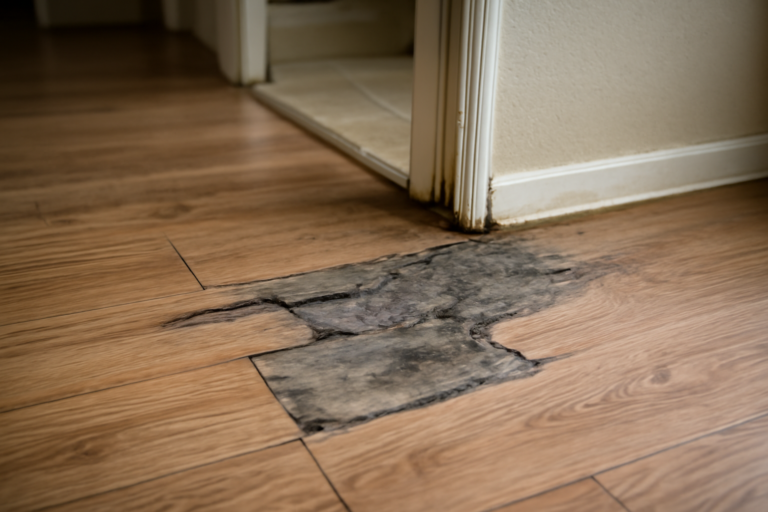
If you notice water pooling on the floor around your indoor air handler or furnace, it’s a direct sign of a leak, likely from a clogged condensate drain line or a faulty drain pan. This needs prompt water removal.
Peeling or Bubbling Paint/Wallpaper
Moisture trapped behind your walls can cause paint to blister or wallpaper to peel away from the surface. This is a visual cue that water is saturating your building materials.
An Unusually High Water Bill
If you haven’t changed your water usage habits but see a significant jump in your water bill, it could indicate a hidden leak from your HVAC system that’s constantly running or dripping. This points to significant water loss.
Mold or Mildew Growth Near Vents
Seeing visible mold or mildew growth around your air vents or on surfaces near your HVAC system is a serious warning. It means there’s been consistent moisture, and you need professional mold remediation.
HVAC Water Damage Restoration vs. DIY: When To Call a Professional
| Situation | DIY? | Call a Pro? | Why |
|---|---|---|---|
| Minor condensation drip from AC unit | Yes, if you can easily access and clear the drain line. | Yes, if the drip is persistent or you suspect hidden damage. | DIY is fine for simple clogs, but persistent issues may signal a larger problem or hidden mold. |
| Standing water around the indoor unit | No. | Yes. | Standing water indicates a significant leak that requires immediate extraction to prevent subfloor damage and mold. |
| Water stains on the ceiling | No. | Yes. | Ceiling stains mean water has penetrated drywall and insulation, requiring professional drying and potential structural repair. |
| Musty odors when HVAC runs | Maybe, for a quick check of accessible areas. | Yes. | Odors suggest hidden mold or moisture within ductwork or the unit, needing specialized cleaning and drying. |
| Suspected leak within ductwork | No. | Yes. | Ductwork leaks are hard to access and dry completely without specialized equipment and expertise. |
| Complete AC unit failure causing flooding | Absolutely not. | Yes. | This is a large-scale event requiring immediate, professional water extraction, drying, and system assessment. |
While minor, easily accessible issues might be manageable for a DIYer, most HVAC water damage scenarios require professional intervention. The complexity of ductwork and the potential for hidden mold mean that improper drying can lead to much bigger problems. Trusting our team ensures thorough moisture removal and complete system restoration.
HVAC Water Damage Restoration Cost In Brookhaven, GA
The cost of restoring HVAC water damage in Brookhaven, GA, can vary significantly. Factors like the amount of water, the size of the affected area, the extent of damage to materials, and the complexity of accessing and drying the HVAC system itself all play a role. These figures are estimates and a detailed on-site assessment is always needed for an accurate quote.
| Service | Typical Price Range | What Affects Cost |
|---|---|---|
| Initial Inspection & Water Assessment | $300 – $800 | Complexity of the HVAC system and extent of water spread. |
| Water Extraction (per room/area) | $500 – $2,000 | Volume of water and accessibility of affected areas. |
| Drying & Dehumidification (per day/unit) | $300 – $1,000 | Number of industrial-grade units needed and duration of drying. |
| Antimicrobial Treatment | $400 – $1,500 | Size of the affected space and type of treatment applied. |
| HVAC Duct Cleaning & Sanitization | $500 – $2,500 | Linear footage of ducts, accessibility, and severity of contamination. |
| Minor HVAC Component Repair/Replacement | $200 – $1,000+ | Specific parts needed and labor involved. |
These prices reflect the specialized equipment and expertise required for effective HVAC water damage restoration. We offer free on-site estimates to provide you with a clear understanding of your specific situation and costs.
Service Areas Near Brookhaven, GA
Atlanta, Decatur, Chamblee, Doraville, Dunwoody, Sandy Springs, Tucker, Avondale Estates, Clarkston, North Atlanta, Peachtree Corners, Johns Creek, Roswell, Marietta, Smyrna, Vinings, Lilburn, Stone Mountain, Norcross, Milton.
Common Questions About HVAC Water Damage Restoration
My AC is leaking water, what should I do first?
Your first step should be to turn off your air conditioner at the thermostat to prevent further water damage. Then, if it’s safe to do so, try to locate and clean up any standing water. However, it’s crucial to call a professional restoration team immediately to assess the situation, identify the source of the leak, and begin the drying process. We can quickly dispatch a crew to your home to prevent further damage and start the restoration.
How long does HVAC water damage restoration take?
The timeline for HVAC water damage restoration can vary greatly, typically ranging from 3 to 10 days. This depends on the severity of the water intrusion, how quickly we can extract the water, and the efficiency of the drying process. Complex situations involving ductwork or saturated building materials may require longer. We focus on expedited drying times while ensuring complete restoration.
Is HVAC water damage dangerous to my health?
Yes, HVAC water damage can pose health risks, primarily due to mold and mildew growth. If water sits in ductwork or insulation for too long, mold spores can proliferate and be circulated throughout your home when the system is turned on. This can lead to respiratory problems and allergic reactions. Our team prioritizes mold prevention and remediation during the restoration process.
What kind of equipment do you use to dry my HVAC system and home?
We use specialized, industrial-grade equipment designed for maximum efficiency. This includes powerful water extraction units, high-velocity air movers to circulate air and speed evaporation, and advanced dehumidifiers to remove moisture from the air and materials. For HVAC systems specifically, we may use specialized duct-cleaning equipment and moisture meters to ensure all internal components are thoroughly dried. This equipment is key to effective moisture control.
Will my homeowner’s insurance cover HVAC water damage?
In many cases, homeowner’s insurance policies cover water damage caused by sudden and accidental events, such as a burst pipe or AC unit malfunction. However, coverage can vary, and damage from gradual leaks or lack of maintenance might not be covered. We work closely with your insurance adjuster to document the damage and help facilitate your claim. We’re experienced in working with insurance providers to make the process smoother for you.
Check Our Other Relevant Services

Jerry Johns is a licensed Damage Restoration Expert with over 20 years of hands-on experience helping homeowners and businesses navigate property crises. As a trusted authority in the field, Jerry combines technical precision with a compassionate approach to disaster recovery.
𝗖𝗲𝗿𝘁𝗶𝗳𝗶𝗰𝗮𝘁𝗶𝗼𝗻𝘀: Jerry holds multiple elite IICRC certifications, including Water Damage Restoration (WRT), Applied Microbial Remediation (Mold), Applied Structural Drying (ASD), Odor Control, and Fire and Smoke Restoration.
𝗙𝗮𝘃𝗼𝗿𝗶𝘁𝗲 𝗣𝗮𝘀𝘁𝗶𝗺𝗲: When he isn’t on a job site, Jerry is an avid outdoorsman who enjoys fly fishing and restoring vintage woodworking tools.
𝗕𝗲𝘀𝘁 𝗣𝗮𝗿𝘁 𝗼𝗳 𝘁𝗵𝗲 𝗝𝗼𝗯: Jerry finds the most fulfillment in seeing the relief on a client’s face when their property is finally restored to its pre-loss condition, turning a stressful disaster into a fresh start.