Trusted by 165+ Homeowners
HVAC Water Damage Restoration in Conyers, GA
- Over 165 5-Star Reviews
- Free Estimates and Quotes
- 100% Satisfaction Guaranteed
- Child, Family & Pet Safe Steps
- 24-Hour Emergency Service
- Fully Licensed & Insured

Don’t Let HVAC Leaks Ruin Your Home: Expert Restoration in Conyers, GA
Did you know that a small, hidden HVAC leak can release up to 10 gallons of water a day? That’s a lot of moisture building up in your walls and ductwork before you even notice it. Ignoring these slow leaks can lead to serious structural damage and mold growth. You’re probably dealing with a situation that feels overwhelming, but we’re here to help you understand exactly what needs to be done to get your home back to normal. Prompt action is crucial.
With over 165 five-star reviews from homeowners in the area, our team is the trusted choice for tackling HVAC water damage. People choose us because we’re direct, efficient, and understand the specific challenges of water intrusion from your heating and cooling systems. We handle the insurance process, making a stressful situation much easier for you. You’ll know exactly what to expect from start to finish.
- We specialize in drying out ductwork and insulation, preventing mold and mildew from taking root where you can’t see it.
- Our technicians are trained to identify the source of HVAC leaks and make sure the problem is fixed, not just temporarily managed.
- We work directly with your insurance adjuster, helping to document the damage accurately and streamline your claim.
How HVAC Water Damage Restoration Actually Works
When water comes from your HVAC system, it can spread quickly through hidden cavities and ductwork. This isn’t just a surface issue; it requires a specialized approach to fully dry the affected areas and prevent long-term problems. Cutting corners on this type of restoration can lead to persistent mold issues and ongoing structural concerns. Our process is designed to be thorough, efficient, and transparent, ensuring your home is safe and dry again. We document everything for your records and your insurance company.
Initial Assessment and Water Extraction
Our first step is a detailed inspection to pinpoint exactly where the water originated and how far it has spread. We use advanced moisture meters and thermal imaging cameras to map out the wet areas, even those hidden inside walls or ceilings. Then, our powerful extraction equipment removes the bulk of the standing water. This phase is critical for stopping further damage and begins the drying process. It typically takes a few hours to a full day, depending on the severity.
Drying and Dehumidification
Once the excess water is gone, we set up industrial-grade air movers and dehumidifiers. These machines are specifically chosen to target the moisture within your home’s structure and air. They work continuously to lower humidity levels and draw moisture out of materials like drywall, wood, and insulation. Proper drying prevents secondary damage. This stage can last anywhere from a few days to over a week, depending on how saturated the materials are.
Mold Prevention and Antimicrobial Treatment
Because water from HVAC systems can be stagnant, the risk of mold growth is higher. We apply EPA-approved antimicrobial treatments to all affected areas to inhibit mold and bacteria. Preventing mold growth is a key part of restoring your home’s healthy environment. This treatment is usually done once the drying process is nearing completion and takes a day or two to apply and set.
HVAC System Inspection and Cleaning
Your HVAC system itself needs attention. We’ll inspect the unit, ductwork, and any associated components for signs of water damage or contamination. If necessary, we can coordinate with HVAC specialists to ensure your system is clean and functioning safely before we consider the job complete. A clean system is vital for your indoor air quality. This might involve professional duct cleaning, which typically takes a day.
Reconstruction and Finishing Touches
After everything is completely dry and treated, we handle any necessary repairs. This could involve replacing damaged drywall, insulation, or flooring. Our goal is to return your home to its pre-loss condition, making sure all repairs are done to a high standard. Restoring your home’s integrity is our priority. The timeline for this phase varies greatly, from a few days to several weeks, depending on the extent of repairs needed.
Don’t let water from your HVAC system cause lasting damage. Contact us immediately if you suspect a leak. We’re ready to help you navigate this challenging situation.

Warning Signs You Need HVAC Water Damage Restoration
Catching water damage from your HVAC system early can save you significant money and prevent more serious health risks. Your heating and cooling system is designed to circulate air, not water, so any leak requires prompt attention. Ignoring these signs can lead to costly repairs and a compromised living environment. You might not see the water, but your home will show you it’s there.
Musty Odors That Won’t Go Away
A persistent damp, musty smell, especially when your HVAC system is running, is a strong indicator of hidden moisture. This odor often signals mold growth starting in the ductwork or insulation. Don’t just mask it; investigate the source.
Visible Water Stains or Puddles
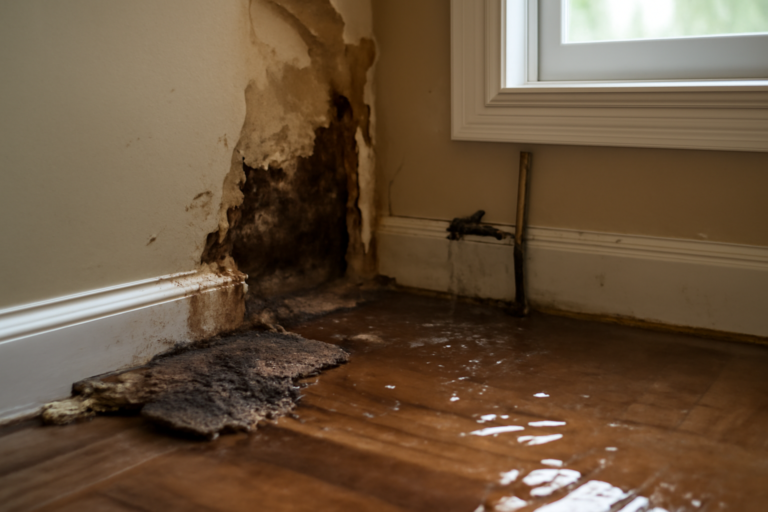
While HVAC leaks can be hidden, sometimes you’ll see water stains on ceilings, walls, or around vents. Puddles forming on floors near your unit are also a clear sign something is wrong. These visible cues demand immediate attention.
Increased Humidity Levels
If your home feels unusually damp or sticky, even when the air conditioner is on, your HVAC system might be leaking. High humidity creates an ideal breeding ground for mold and dust mites. Your system may be adding moisture instead of removing it.
Peeling Paint or Warped Materials
Water damage can cause paint to bubble or peel away from walls and ceilings. You might also notice wood trim or flooring starting to warp or buckle. These are signs of prolonged moisture exposure.
HVAC System Malfunctions
An HVAC unit leaking water might start to run erratically, cycle off unexpectedly, or make unusual noises. These system issues can be linked to water intrusion affecting electrical components or internal parts. Your AC or furnace may be struggling.
Mold or Mildew Growth
Seeing visible patches of mold or mildew around vents, on walls, or in damp areas is a serious warning sign. Mold spores spread easily through your ventilation system, contaminating your entire home. This requires professional remediation.
HVAC Water Damage Restoration vs. DIY: When To Call a Professional
| Situation | DIY? | Call a Pro? | Why |
|---|---|---|---|
| Identifying a small, visible condensation leak from the AC unit drain pan. | Yes, if it’s minor and easily accessible. | Yes, if the leak is persistent or you can’t find the exact source. | DIY is fine for simple fixes, but persistent leaks may indicate a larger issue within the system. |
| Drying up a small puddle on the floor from a minor overflow. | Yes, with towels and fans. | Yes, if the water has soaked into drywall, subflooring, or insulation. | Surface drying is easy, but hidden moisture leads to mold and structural damage. |
| Cleaning visible mold growth in the drain pan. | Yes, with appropriate safety gear and cleaning solutions. | Yes, if mold is extensive, inside the ductwork, or you have respiratory issues. | Small, surface mold can be managed, but widespread or hidden mold needs professional containment and treatment. |
| Detecting a musty smell but seeing no visible water. | No. | Yes, always. | Hidden moisture and mold within walls or ductwork require specialized detection and drying equipment. |
| Dealing with water damage that has affected multiple rooms or levels. | No. | Yes, absolutely. | Large-scale water intrusion requires professional-grade equipment and expertise for thorough drying and restoration. |
| Assessing damage to HVAC components and ductwork. | No. | Yes, always. | HVAC systems are complex; improper assessment can lead to further damage or safety hazards. |
For anything beyond a minor, easily accessible condensation issue, calling a professional is the smartest move. DIY attempts can miss hidden moisture, leading to costly mold problems and structural decay down the line. Our team has the specialized knowledge and equipment to handle HVAC water damage effectively. We ensure your home is truly dry.
HVAC Water Damage Restoration Cost in Conyers, GA
The cost of HVAC water damage restoration can vary significantly based on the extent of the damage, the size of your home, and how quickly the issue is addressed. These figures are estimates for the Conyers, GA area and will be confirmed after a thorough on-site inspection. Understanding these costs upfront helps you prepare and work with your insurance.
| Service Aspect | Typical Price Range | What Affects Cost |
|---|---|---|
| Water Extraction and Removal | $500 – $2,000 | The volume of water and the accessibility of affected areas. |
| Structural Drying (Air Movers, Dehumidifiers) | $700 – $3,500 | The duration of drying needed, which depends on material saturation and size of affected space. |
| Mold Prevention and Antimicrobial Treatment | $400 – $1,500 | The square footage requiring treatment and the type of treatment applied. |
| HVAC Ductwork Inspection and Cleaning | $600 – $2,500 | The length and complexity of the duct system and the level of contamination. |
| Minor Repairs (e.g., Drywall Patching, Insulation Replacement) | $500 – $3,000+ | The amount of material needing replacement and labor involved. |
| Full Reconstruction Services | $2,000 – $10,000+ | The scope of rebuilding required, from replacing flooring to structural repairs. |
These costs are estimates, and an accurate quote requires an on-site assessment. We offer free estimates to help you understand the exact investment needed for restoration. Working with your insurance is something we do every day.
Service Areas Near Conyers, GA
Atlanta, Decatur, Lithonia, Stone Mountain, Snellville, Lawrenceville, Lilburn, Tucker, Scottdale, Clarkston, Avondale Estates, Norcross, Duluth, Suwanee, Johns Creek, Roswell, Sandy Springs, Marietta, Stockbridge, McDonough
Common Questions About HVAC Water Damage Restoration
My AC is leaking water, what should I do first?
Your immediate action should be to turn off the AC unit at the thermostat to prevent further water release. Then, try to identify if it’s a simple condensation overflow or a more significant issue. Documenting the leak with photos can be helpful for insurance. If you’re unsure or the leak is substantial, it’s best to call us. We can inspect the system and begin the drying process to prevent mold and structural damage.
How long does HVAC water damage restoration typically take?
The timeline varies greatly, but a typical drying process can take anywhere from 3 to 10 days, depending on how saturated the materials are. Mold treatment and any necessary repairs will add to this. We aim for efficiency without compromising thoroughness. We’ll provide you with a projected timeline after our initial assessment.
Will my homeowner’s insurance cover HVAC water damage?
Generally, homeowner’s insurance policies cover water damage caused by sudden and accidental events, like a burst pipe or a malfunctioning AC unit. However, they typically do not cover damage from lack of maintenance or slow leaks that have gone unaddressed for a long time. We work closely with insurance adjusters to help document the damage and navigate the claims process for you. We can help ensure you understand what your policy covers.
Is water from my HVAC system dangerous?
Yes, water from an HVAC system can pose health risks. It can carry dust, debris, and potentially mold spores that have accumulated inside the unit and ductwork. If the leak has been ongoing, mold can begin to grow, releasing spores into your air. Professional cleaning and treatment are essential to ensure your indoor air quality is safe. We use specialized products to neutralize contaminants.
Can I just dry out my ducts myself after an HVAC leak?
Attempting to dry out HVAC ductwork yourself is generally not recommended and often ineffective. Ducts are complex and often inaccessible, making it difficult to ensure complete drying. Hidden moisture in ducts is a prime environment for mold and bacteria to thrive, which can then be circulated throughout your home. Our team uses specialized drying equipment to ensure all moisture is removed from the entire system.
Check Our Other Relevant Services
Serving Conyers, GA And Nearby Areas