Trusted by 165+ Homeowners
HVAC Water Damage Restoration in Dunwoody, GA
- Over 165 5-Star Reviews
- Free Estimates and Quotes
- 100% Satisfaction Guaranteed
- Child, Family & Pet Safe Steps
- 24-Hour Emergency Service
- Fully Licensed & Insured

When Your AC Causes More Than Just Cool Air: HVAC Water Damage in Dunwoody, GA
Living around here, you know how humid it can get, especially during those long, hot summers. That’s when your air conditioning system works overtime. But what happens when that system starts leaking? A malfunctioning AC unit can quickly turn a cool breeze into a serious water problem, leading to hidden damage and mold growth. Dealing with water from your HVAC system isn’t the same as a leaky pipe; it requires a specialized approach to prevent costly structural issues and ensure healthy indoor air. We’ve seen this happen often, and it’s always best to address it promptly and correctly.
We’re proud to be a trusted resource for homeowners in the area, with over 165 five-star reviews from folks just like you. When your HVAC system decides to play plumber, you need a team that understands the unique challenges of this type of water damage. Our local crews are known for their quick response times and thorough restoration methods, making sure your home is back to normal without further headaches. We focus on getting the job done right the first time, so you can get back to enjoying your home.
- Targeted drying of HVAC-related water intrusion, focusing on ductwork, insulation, and surrounding structures for complete moisture removal.
- Advanced moisture detection technology to pinpoint hidden water pockets within your walls and ceiling cavities, preventing long-term mold development.
- Expert remediation of potential mold and mildew growth that can stem from persistent HVAC leaks, safeguarding your family’s respiratory health.
The Right Way to Handle HVAC Water Leaks
When water starts coming from your air conditioner, it’s not just about mopping up the visible puddles. This kind of damage can spread unseen, deep within your walls and the HVAC system itself. That’s why having a clear, systematic process is so important. Skipping steps or using the wrong equipment can lead to persistent humidity problems and expensive secondary damage down the road, often making the eventual repair far more involved. We believe in transparency and explaining every step so you know exactly what’s happening in your home.
Initial Assessment and Water Extraction
The first thing our team does is a thorough inspection to understand the source and extent of the water. We use specialized equipment to extract all standing water, ensuring no moisture is left behind. This step is crucial for preventing further saturation and setting the stage for effective drying. We’ll typically have this initial extraction completed within a few hours, depending on the amount of water.
Advanced Drying and Dehumidification
Once the bulk of the water is out, we bring in powerful, industrial-grade drying equipment. This includes air movers and dehumidifiers designed to pull moisture out of materials like drywall, wood, and insulation. Our goal here is to get your home’s environment back to its normal humidity levels as quickly as possible, usually taking several days of continuous operation.
Mold and Mildew Prevention
Because HVAC leaks often happen in dark, damp places, mold can start to grow fast. We meticulously inspect all affected areas for any signs of mold or mildew. If we find any, we use proven methods to safely remove and treat the affected surfaces, preventing it from spreading and ensuring your indoor air quality is restored.
Content and Structural Drying
We don’t just dry the surface; we focus on drying the materials that got wet. This means getting into the nooks and crannies where water might be hiding in your ductwork, insulation, or behind walls. Our equipment is chosen specifically to tackle these challenging areas, ensuring a thorough and lasting dry-out. This phase can last anywhere from a few days to a week or more, depending on how deeply the moisture has penetrated.
Final Inspection and Monitoring
Before we consider the job done, we conduct a final, detailed inspection using moisture meters to confirm that all areas are completely dry. We’ll also monitor the environment to ensure humidity levels remain stable. This final check guarantees that the water damage is fully resolved and your home is safe and healthy again.
Don’t let a leaky AC system cause hidden problems. Reach out to us today for a professional assessment and get your HVAC water damage handled correctly.

Warning Signs You Need HVAC Water Damage Restoration
Catching water damage from your HVAC system early can save you a lot of money and hassle. Sometimes, the signs are obvious, but other times, they’re sneaky. Being aware of these indicators means you can call for help before minor leaks turn into major repair nightmares.
Musty Odors That Won’t Go Away
If you notice a persistent damp, musty smell, especially when your AC is running, it’s a big red flag. This often indicates trapped moisture and the beginnings of mold growth within your ductwork or insulation. It’s a clear sign that water is lingering where it shouldn’t be.
Visible Water Stains or Puddles
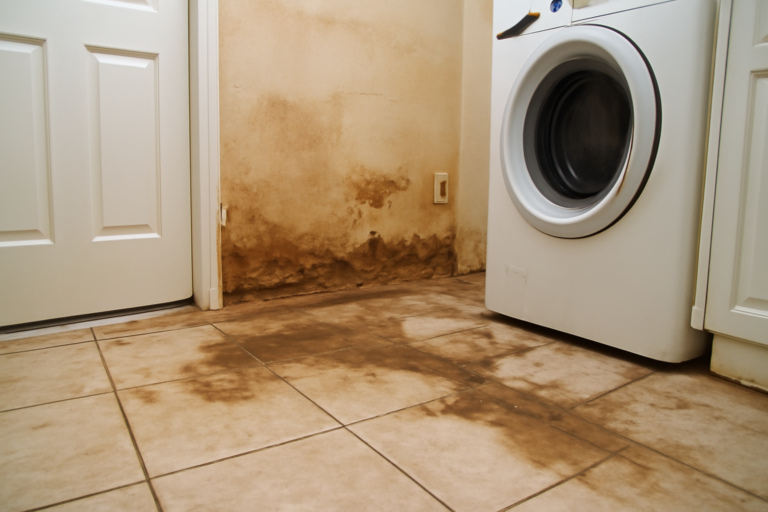
This is the most obvious sign. If you see water stains on your ceiling or walls, or puddles forming around your indoor unit, it’s time to act. These stains mean water has been escaping and potentially causing damage to building materials.
Reduced Airflow or Strange Noises
Sometimes, water can interfere with your HVAC system’s components. If you notice weaker airflow than usual, or hear gurgling or dripping sounds, these could be indicators of a blockage or leak within the system.
Increased Humidity Indoors
Has your home felt unusually damp or sticky, even when the AC is on? This could be your HVAC system failing to properly dehumidify, or worse, actively adding moisture due to a leak. High humidity levels are a breeding ground for mold and dust mites.
Electrical Issues or Tripped Breakers
Water and electricity are a dangerous mix. If you notice flickering lights, outlets that don’t work, or breakers that frequently trip when the AC runs, water may be getting into the electrical components. This poses a serious safety risk and requires immediate attention.
HVAC Water Damage Restoration vs. DIY: When To Call a Professional
| Situation | DIY? | Call a Pro? | Why |
|---|---|---|---|
| Small, visible puddle under the AC unit after a rainstorm. | Yes | No | You can likely dry this up and inspect the drain pan. |
| Musty smell when the AC is on, but no visible water. | No | Yes | Hidden moisture and potential mold growth require specialized detection and drying equipment. |
| Water stains appearing on the ceiling around the indoor unit. | No | Yes | This indicates water has been leaking for some time, likely damaging insulation and drywall. |
| Concern about mold growth in ductwork. | No | Yes | Mold remediation requires specific safety protocols and professional-grade cleaning agents. |
| Electrical components near the HVAC unit seem wet or are malfunctioning. | Absolutely Not | Yes | This is a critical safety hazard; water near electricity demands immediate professional intervention. |
| After a significant storm, your AC unit seems to be leaking more than usual. | Maybe | Yes | While you can check obvious sources, a storm can cause hidden damage to your unit or external lines that needs expert assessment. |
While minor puddles might seem manageable, any situation involving hidden moisture, potential mold, or electrical concerns should be handled by professionals. Our trained technicians have the tools and expertise to accurately assess damage and perform thorough, safe restoration.
HVAC Water Damage Restoration Cost In Dunwoody, GA
The cost of repairing HVAC water damage in Dunwoody, GA, can vary quite a bit. Factors like the size of the affected area, how long the water has been present, and the complexity of accessing the damaged components all play a role. These prices are estimates and an on-site inspection is the only way to get an accurate, personalized quote.
| Service | Typical Price Range | What Affects Cost |
|---|---|---|
| Initial Water Extraction | $300 – $1,000 | The volume of water and the accessibility of the area. |
| Professional Drying and Dehumidification | $500 – $2,500 | The size of the space needing drying and the duration required. |
| Mold Inspection and Remediation | $750 – $3,000+ | The severity and location of mold growth, and the extent of affected materials. |
| Content Cleaning and Restoration | $200 – $1,500 | The number of items affected and the type of cleaning needed. |
| Structural Drying (behind walls, in insulation) | $1,000 – $5,000+ | The extent of water saturation within building materials and the difficulty of access. |
| HVAC System Inspection and Minor Repair Assessment | $200 – $600 | This is often separate from restoration but is crucial for identifying the leak source. |
Remember, investing in professional restoration now can prevent much larger expenses related to structural damage and health issues later. We offer free estimates to give you a clear understanding of the investment required for restoration.
Service Areas Near Dunwoody, GA
Atlanta, Sandy Springs, Brookhaven, Chamblee, Doraville, Tucker, Norcross, Peachtree Corners, Duluth, Johns Creek, Roswell, Marietta, Smyrna, Vinings, Decatur, Avondale Estates, Clarkston, Stone Mountain, Stockbridge, Forest Park.
Common Questions About HVAC Water Damage Restoration
My AC is dripping water, what should I do first?
The very first thing you should do is turn off your AC unit to prevent further water damage and potential electrical hazards. Then, if it’s safe to do so, try to contain the water with towels or buckets. For any significant leaks or if you notice musty odors, it’s time to call us for professional assessment and drying.
How long does HVAC water damage restoration typically take?
The timeline can vary greatly depending on the extent of the water damage. Minor leaks might be resolved in a few days with efficient drying, while more severe saturation, especially within walls or insulation, could take one to two weeks or longer. We use advanced equipment to speed up the drying process as much as possible.
Is it safe to run my AC if it’s been leaking water?
It’s generally not safe to run your AC if it has been leaking, especially if you suspect water has reached electrical components or caused significant saturation. Running it could worsen the damage or create electrical safety risks. It’s best to keep it off until a professional has assessed the situation and confirmed it’s safe to operate.
How much does it cost to fix HVAC water damage?
The cost depends on the severity of the leak, the amount of water, and which parts of your home were affected. Simple drying might be a few hundred dollars, but if mold has started to grow or structural drying is needed, costs can increase significantly, potentially reaching several thousand dollars. We provide detailed estimates after an inspection.
Can I prevent water damage from my HVAC system?
Yes, regular maintenance is key. Ensure your drain lines are clear and not clogged, have your AC unit inspected annually by a qualified technician, and keep an eye out for early warning signs like unusual noises or smells. Addressing small issues proactively can prevent major water damage and save you money in the long run.
Check Our Other Relevant Services
Serving Dunwoody, GA And Nearby Areas