Trusted by 165+ Homeowners
HVAC Water Damage Restoration in Hampton, GA
- Over 165 5-Star Reviews
- Free Estimates and Quotes
- 100% Satisfaction Guaranteed
- Child, Family & Pet Safe Steps
- 24-Hour Emergency Service
- Fully Licensed & Insured

When Your AC Becomes a Water Hazard in Hampton, GA
Did you know that a slow, undetected leak from your HVAC system can introduce up to 20 gallons of water into your home every single day? That’s a lot of moisture, and it can cause serious problems far beyond just a damp spot. For homeowners in Hampton, GA, understanding the unique risks of HVAC water damage is the first step to protecting your property. This type of leak often starts small, hidden within your walls or ceilings, but its impact can be significant, affecting insulation, drywall, and even the structural integrity of your home. You need to know what to look for and how to respond quickly to minimize potential damage and prevent costly repairs.
We’ve helped over 165 local families recover from unexpected water issues, earning their trust with prompt, effective service. When it comes to HVAC water damage, homeowners around here choose us because we understand the specific challenges these systems present. We don’t just dry things out; we address the source and ensure your home is safe and healthy again. You can count on our experienced crews to handle your situation with the care and attention it deserves.
- We focus on identifying the exact source of the HVAC leak to prevent recurrence, going beyond simple drying to address the root cause of the problem.
- Our team uses specialized equipment designed to reach and dry hidden moisture within your ductwork and HVAC components, ensuring complete moisture removal even in hard-to-access areas.
- We prioritize your home’s air quality by thoroughly cleaning and sanitizing affected areas, removing mold spores and other contaminants that can linger after water exposure, leading to a healthier living environment.
How We Tackle HVAC Water Damage
Dealing with water from your air conditioning or heating system requires a precise, methodical approach. Skipping steps or using the wrong techniques can lead to lingering moisture, mold growth, and weakened building materials. Our process is designed to be thorough, starting with an immediate assessment to understand the scope of the damage and the best way to mitigate it. We work closely with your insurance company to make the claims process as smooth as possible, documenting everything accurately so you receive the coverage you’re entitled to. You’ll be informed throughout the entire process, so you know exactly what’s happening with your property.
1. Emergency Water Extraction
Once we arrive, our first priority is to remove standing water. We use powerful extraction units to pull out as much liquid as possible, preventing further saturation of your materials. This stage is critical and typically takes just a few hours, depending on the volume of water present.
2. Thorough Drying and Dehumidification
After the bulk of the water is gone, we set up specialized drying equipment, including industrial-grade air movers and dehumidifiers. These machines work tirelessly to pull moisture out of the air and materials like wood, drywall, and insulation. This critical drying phase can take anywhere from 24 hours to several days, depending on how deeply the water has penetrated.
3. Mold Prevention and Remediation
Moisture from HVAC systems can create ideal conditions for mold growth, often within 48 hours. We apply EPA-approved antimicrobial treatments to all affected surfaces to prevent mold from taking hold. If mold has already started to grow, our trained technicians will safely and effectively remove it, restoring your air quality and preventing health risks.
4. Damage Assessment and Repair Planning
While drying, we meticulously assess the extent of the damage to your HVAC components, ductwork, insulation, drywall, and flooring. We create a detailed report, including photos and measurements, which is essential for your insurance claim. This allows us to plan for necessary repairs, ensuring your home is fully restored to its pre-loss condition.
5. Insurance Claim Assistance
Navigating insurance claims can be overwhelming. We’re here to help. We’ll work directly with your insurance adjuster, providing all the necessary documentation and working to ensure your claim is processed efficiently and fairly. Our goal is to ease your burden during this stressful time and get your repairs approved quickly.
Don’t let HVAC water damage compromise your home’s integrity or your family’s health. Contact us today for an immediate assessment and to start the restoration process.

Warning Signs You Need HVAC Water Damage Restoration
Catching water damage from your HVAC system early can save you a significant amount of money and prevent much larger issues down the road. Ignoring small signs can lead to extensive mold growth, structural damage, and costly repairs. It’s important to be aware of what your home might be telling you.
Musty Odors That Won’t Go Away
A persistent, musty smell, especially when your HVAC system is running, is a classic sign of hidden moisture. This odor often indicates mold or mildew growth within your ductwork or the unit itself. You need to address this smell promptly.
Visible Water Stains or Damp Spots
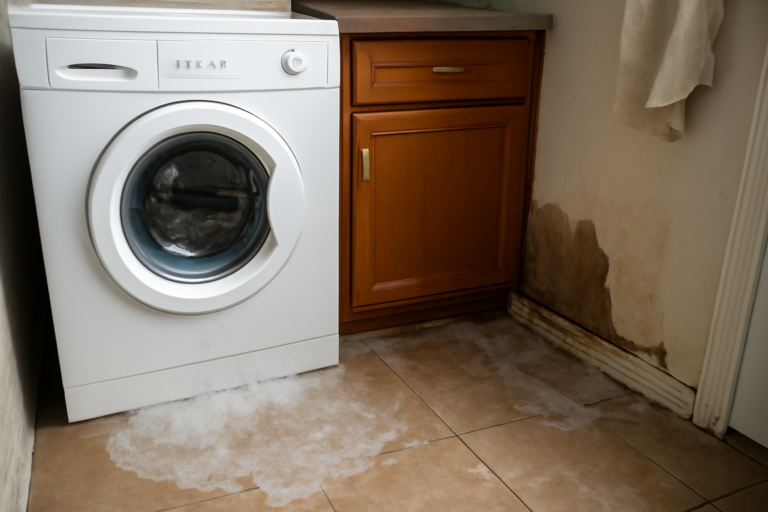
Yellow or brown stains on your ceiling or walls, particularly near vents or the air handler unit, are clear indicators of a leak. Dampness or peeling paint in these areas also signals a problem that needs immediate professional attention.
Unusual Noises from the HVAC Unit
Gurgling or dripping sounds coming from your air handler or the areas around your ductwork can mean water is pooling where it shouldn’t be. These sounds are your system’s way of signaling a potential water overflow.
Increased Humidity Levels
If your home feels unusually humid or sticky, even when the air conditioning is on, your HVAC system might be struggling to remove moisture effectively. This could be due to a clogged condensate drain line or another issue causing excessive water buildup.
Mold or Mildew Growth
Any visible signs of mold, such as black, green, or white fuzzy patches, on or around your HVAC unit, vents, or nearby surfaces, require immediate action. This is a serious health hazard that needs professional remediation.
Reduced Airflow or Strange Smells from Vents
If you notice weaker airflow than usual or strange, unpleasant smells emanating from your vents, it could be a sign that water is affecting your ductwork, potentially causing blockages or promoting mold growth. This requires expert inspection and cleaning.
HVAC Water Damage Restoration vs. DIY: When To Call a Professional
| Situation | DIY? | Call a Pro? | Why |
|---|---|---|---|
| Small, visible puddle around the indoor unit after a rain shower. | Yes, for immediate cleanup. | Yes, if it happens repeatedly. | Repeated puddles suggest an underlying issue with drainage that requires technical assessment. |
| Musty odor when the AC runs. | No. | Yes. | Odors indicate hidden moisture and potential mold growth within the system or walls that needs professional detection and treatment. |
| Water stains appearing on the ceiling below the air handler. | No. | Yes. | Ceiling stains mean water has been present for some time, potentially damaging insulation and drywall, requiring specialized drying and repair. |
| Discovering damp insulation within the air handler cabinet. | No. | Yes. | Wet insulation can harbor mold and lose its effectiveness, needing professional removal, drying, and replacement. |
| Concern about mold growth inside ductwork. | No. | Yes. | Mold in ducts can spread spores throughout your home, necessitating professional containment, cleaning, and air quality testing. |
| The HVAC system itself is making unusual gurgling noises. | No. | Yes. | These noises often signal a blocked drain line or internal leak that, if ignored, can lead to significant water damage. |
While minor spills can sometimes be handled with basic cleanup, most HVAC water damage situations involve hidden moisture and potential mold. For your family’s health and your home’s structural integrity, it’s almost always best to call a professional when you suspect a problem. We have the specialized tools and expertise to handle these complex issues effectively.
HVAC Water Damage Restoration Cost In Hampton, GA
The cost of HVAC water damage restoration in Hampton, GA, can vary widely. Factors like the size of the affected area, the extent of the water damage, the type of materials affected, and the complexity of the HVAC system all play a role. These figures are general estimates and not exact quotes.
| Service | Typical Price Range | What Affects Cost |
|---|---|---|
| Water Extraction and Removal | $500 – $2,000 | The volume of water and the accessibility of the affected area. |
| Structural Drying (Air Movers & Dehumidifiers) | $750 – $3,000 | The duration required to dry materials completely, often 2-5 days. |
| Mold Inspection and Testing | $300 – $800 | The number of samples taken and the complexity of the affected spaces. |
| Mold Remediation | $1,000 – $5,000+ | The severity of mold growth and the size of the contaminated area. |
| HVAC Duct Cleaning After Water Damage | $400 – $1,500 | The length and complexity of the ductwork system. |
| Minor Drywall/Insulation Repair | $300 – $1,200 | The amount of material that needs replacement and patching. |
An accurate estimate requires an on-site assessment by our trained technicians. We offer free, no-obligation estimates to help you understand the costs involved and plan your restoration project.
Service Areas Near Hampton, GA
We proudly serve the following communities: Jonesboro, Stockbridge, Locust Grove, McDonough, Fayetteville, Riverdale, Lovejoy, Hampton, Morrow, Forest Park, Ellenwood, Rex, Conley, Atlanta, Clarkston, Scottdale, Decatur, Avondale Estates, Chamblee, Doraville.
Common Questions About HVAC Water Damage Restoration
My AC unit is leaking water, what should I do first?
The very first step is to turn off your HVAC system at the thermostat to prevent further water production and potential electrical hazards. Then, if it’s safe to do so, place towels or buckets to catch any immediate drips. For anything more than a minor drip, it’s crucial to call a professional to assess the leak and prevent more extensive damage. We can usually dispatch a team to your location within a few hours.
How much does HVAC water damage restoration typically cost?
Costs vary based on the severity of the water intrusion and the extent of the damage. Simple drain line clogs requiring cleaning might cost a few hundred dollars, while significant mold growth or structural damage could run into thousands. We provide detailed, transparent estimates after a thorough inspection, and we work with most insurance providers to help manage these costs.
How long does it take to dry out my home after an HVAC leak?
The drying process usually takes between 24 hours and 5 days, depending on the amount of water and how deeply it has saturated your building materials. We use specialized equipment like industrial dehumidifiers and air movers to speed up evaporation and ensure that all hidden moisture is removed. Our goal is to restore your home’s dryness efficiently.
Is mold from my HVAC system a health risk?
Yes, mold can pose significant health risks, especially for individuals with allergies, asthma, or compromised immune systems. Mold spores can irritate the eyes, nose, and throat, and prolonged exposure can lead to more serious respiratory issues. Prompt mold remediation by certified professionals is essential to ensure your home is safe and healthy again.
Can I prevent water damage from my HVAC system in the future?
Regular maintenance is key to preventing future HVAC water damage. This includes having your condensate drain line cleaned annually, checking your air filter regularly, and ensuring your unit is properly serviced. Addressing any small leaks or unusual noises immediately can also prevent minor issues from becoming major problems.
Check Our Other Relevant Services

Jerry Johns is a licensed Damage Restoration Expert with over 20 years of hands-on experience helping homeowners and businesses navigate property crises. As a trusted authority in the field, Jerry combines technical precision with a compassionate approach to disaster recovery.
𝗖𝗲𝗿𝘁𝗶𝗳𝗶𝗰𝗮𝘁𝗶𝗼𝗻𝘀: Jerry holds multiple elite IICRC certifications, including Water Damage Restoration (WRT), Applied Microbial Remediation (Mold), Applied Structural Drying (ASD), Odor Control, and Fire and Smoke Restoration.
𝗙𝗮𝘃𝗼𝗿𝗶𝘁𝗲 𝗣𝗮𝘀𝘁𝗶𝗺𝗲: When he isn’t on a job site, Jerry is an avid outdoorsman who enjoys fly fishing and restoring vintage woodworking tools.
𝗕𝗲𝘀𝘁 𝗣𝗮𝗿𝘁 𝗼𝗳 𝘁𝗵𝗲 𝗝𝗼𝗯: Jerry finds the most fulfillment in seeing the relief on a client’s face when their property is finally restored to its pre-loss condition, turning a stressful disaster into a fresh start.