Trusted by 165+ Homeowners
HVAC Water Damage Restoration in Mableton, GA
- Over 165 5-Star Reviews
- Free Estimates and Quotes
- 100% Satisfaction Guaranteed
- Child, Family & Pet Safe Steps
- 24-Hour Emergency Service
- Fully Licensed & Insured

When Your HVAC System Becomes a Water Source in Mableton, GA
You hear it first – a faint dripping, then a steady trickle. Suddenly, you realize the sound isn’t coming from a leaky faucet, but from your HVAC system. Water pools on your floor, spreading fast. This isn’t just an annoyance; it’s a serious problem that needs immediate attention. Ignoring it can lead to significant damage to your home’s structure and your belongings. You need a team that understands the unique challenges of HVAC water damage, right here in Mableton, GA.
Homeowners around here trust us to handle these tricky situations. With over 165 five-star reviews, you can see why. We’ve helped countless neighbors recover from unexpected water issues originating from their air conditioning or heating units. Our focus is always on getting your home dry and safe, preventing further complications with swift, expert action.
- We use advanced moisture detection tools to find every hidden pocket of water within your ductwork and insulation, ensuring a complete dry-out that prevents mold growth.
- Our specialized drying equipment is designed to tackle the unique airflow challenges inside HVAC systems, restoring your air quality and preventing structural rot.
- We handle the containment and removal of contaminated water and materials safely, protecting your family’s health and your home’s integrity from potential biohazards.
How We Tackle HVAC Water Damage Restoration
When water comes from your HVAC, it’s not like a simple pipe burst. It can travel through ductwork, saturating insulation and drywall in unexpected places. Our approach is methodical and science-based. We don’t just mop up the visible water; we track down every source of moisture and implement a drying protocol tailored to your specific situation. Cutting corners here means dealing with mold and structural decay later, which is far more costly and unhealthy. We ensure a thorough, documented drying process.
1. Initial Inspection and Assessment
Our technicians arrive quickly to assess the full extent of the water damage. We use specialized meters to measure moisture levels in materials like drywall, wood, and insulation. This detailed assessment helps us create an effective drying plan and estimate the necessary equipment. You’ll get a clear understanding of the scope of work needed.
2. Water Extraction
Once we’ve located the source, we use powerful water extraction units to remove as much standing water as possible. This is crucial for preventing further damage and starting the drying process effectively. We focus on removing bulk water from floors, carpets, and any accessible areas. This step significantly reduces the overall drying time. It’s about rapid moisture removal.
3. Controlled Drying and Dehumidification
This is where our technical expertise shines. We strategically place industrial-grade air movers and dehumidifiers to create optimal drying conditions. We monitor humidity and temperature levels closely, adjusting equipment as needed to ensure materials dry evenly and completely. This controlled environment is key to preventing secondary damage like mold. We aim for efficient, deep drying.
4. Containment and Air Filtration
If mold or microbial growth is a concern, we’ll set up containment barriers to prevent airborne contaminants from spreading. Our air scrubbers use HEPA filters to remove microscopic particles from the air, improving indoor air quality. This ensures your home is not only dry but also healthy. We prioritize your family’s well-being.
5. Cleaning and Sanitization
After drying, we thoroughly clean and sanitize affected areas and contents. This removes any lingering contaminants, odors, and potential mold spores. We use EPA-approved cleaning agents to ensure your home is safe and hygienic. Our goal is to restore your home to its pre-loss condition. This means complete restoration services.
Don’t let HVAC water damage linger. Call us now to get your home drying and protected. We’re ready to help you recover quickly.

Warning Signs You Need HVAC Water Damage Restoration
Catching the signs of HVAC water damage early can save you a lot of money and prevent serious health issues. Your heating and cooling system is designed to manage moisture, not create it. If you notice any of these subtle clues, it’s time to investigate. Ignoring them could lead to expensive repairs and a compromised living environment. These signs are your home’s way of telling you something is wrong.
Musty Odors That Won’t Go Away
A persistent damp, musty smell, especially when your HVAC system is running, is a strong indicator of hidden moisture. This could be in your ductwork, insulation, or the unit itself. It’s a common sign of developing mold growth.
Visible Water Stains or Puddles
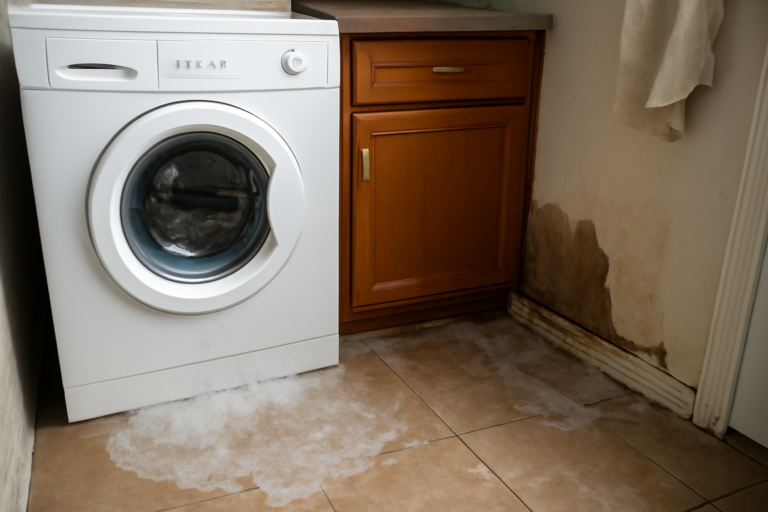
Seeing water stains on ceilings, walls near vents, or puddles on your floor around the air handler or ductwork is a direct sign of a leak. Don’t assume it’s minor; water can spread unseen behind surfaces. This signifies active water intrusion.
Increased Humidity Levels
If your home feels unusually humid, even with the air conditioning on, your HVAC system might be struggling to remove moisture properly. This often means there’s an underlying issue causing excess water. It’s a clear sign of system malfunction.
Loud or Unusual Noises from the System
Gurgling, dripping, or hissing sounds coming from your HVAC unit or vents can indicate water is pooling or flowing where it shouldn’t be. These sounds are often the first indication of a problem. Listen for unusual system sounds.
Mold or Mildew Growth
Any visible signs of mold or mildew around vents, on walls, or on the HVAC unit itself are a serious warning. This indicates a moisture problem has been present long enough for growth to occur. It’s a significant health hazard and requires professional remediation.
Reduced Airflow or Strange Smells from Vents
If airflow from your vents is weak or if you smell unpleasant odors (beyond musty) when the system kicks on, it could be due to waterlogged components or mold within the ducts. This impacts both comfort and air quality. Your system’s performance is compromised.
HVAC Water Damage Restoration vs. DIY: When To Call a Professional
| Situation | DIY? | Call a Pro? | Why |
|---|---|---|---|
| Small, visible water puddle directly under the indoor unit after a rainstorm | Yes, with caution | Yes | Even small amounts can indicate a larger issue within the unit or ductwork that requires expert diagnosis. |
| Musty odor when the AC is on | No | Yes | This almost always points to hidden mold growth in the ductwork or insulation that requires specialized detection and remediation. |
| Water stains appearing on the ceiling near an air vent | No | Yes | Water traveling through ducts can saturate insulation and drywall, leading to structural damage and mold that DIY methods can’t reach. |
| Minor condensation on the outside of ductwork in the basement | Yes, monitor | No, unless persistent | Occasional condensation can be normal, but if it’s excessive or persistent, it might signal an insulation issue. |
| Visible mold growth around an HVAC vent | No | Yes | Mold in ductwork is a significant health risk and requires professional containment and remediation to prevent spreading. |
| Water pooling extensively around the indoor air handler unit | No | Yes | This indicates a major leak or blockage that needs immediate professional attention to prevent widespread damage and mold. |
While minor condensation might be manageable, any signs of water damage originating from your HVAC system demand professional attention. Our team has the specialized equipment and training to safely and effectively dry out affected areas, preventing long-term problems. Trust us to handle the technical aspects of drying.
HVAC Water Damage Restoration Cost In Mableton, GA
The cost of HVAC water damage restoration in Mableton, GA, can vary significantly based on the extent of the water damage, the size of the affected area, and how quickly the issue is addressed. These prices are estimates and an on-site assessment is always needed for an accurate quote. We provide transparent pricing upfront.
| Service | Typical Price Range | What Affects Cost |
|---|---|---|
| Inspection and Moisture Assessment | $200 – $500 | Complexity of the HVAC system and number of affected areas. |
| Water Extraction | $500 – $2,000 | Volume of water needing removal and accessibility. |
| Drying and Dehumidification Setup | $750 – $3,000 | Number of industrial dehumidifiers and air movers required. |
| Containment and Air Filtration | $300 – $1,500 | Size of the containment area and duration of filtration. |
| Cleaning and Sanitization | $400 – $1,200 | Extent of contamination and types of cleaning agents needed. |
| Mold Remediation (if necessary) | $1,000 – $5,000+ | Severity and spread of mold growth, type of materials affected. |
For an exact, no-obligation estimate, we’ll come to your property and assess the damage firsthand. We offer free on-site evaluations to give you a clear picture of the restoration process and cost.
Service Areas Near Mableton, GA
Austell, Smyrna, Marietta, Atlanta, Vinings, Powder Springs, Lithia Springs, Douglasville, Kennesaw, Acworth, Roswell, Sandy Springs, Dunwoody, Norcross, Duluth, Suwanee, Johns Creek, Alpharetta, Milton, Woodstock
Common Questions About HVAC Water Damage Restoration
What should I do immediately if I discover water from my HVAC?
First, turn off your HVAC system at the thermostat to stop the flow of water. If it’s safe to do so, shut off the main water supply to the unit. Then, document the damage with photos or videos. It’s crucial to call a professional restoration team immediately to prevent further damage and mold growth. We can start the assessment and drying process quickly.
How long does HVAC water damage restoration take?
The timeline varies depending on the severity of the water damage. A minor incident might take 2-3 days for drying, while more extensive saturation could require a week or more. We use advanced equipment to speed up the drying process significantly. Our goal is to get your home back to normal as swiftly as possible.
Is water from an HVAC system dangerous?
Yes, it can be. Water within HVAC systems can pick up dust, mold spores, and other contaminants from the ductwork. If left untreated, it can lead to microbial growth, which poses significant health risks, especially for those with allergies or respiratory issues. We take air quality very seriously.
What kind of equipment do you use for drying HVAC systems?
We use powerful, industrial-grade equipment. This includes high-capacity water extractors, specialized air movers designed to create airflow within ducts, and advanced dehumidifiers that pull moisture out of the air and materials. We also use digital moisture meters to precisely track drying progress. This ensures a complete and thorough dry-out.
Can insurance cover HVAC water damage?
Often, yes, but it depends on the cause of the water damage. If the damage resulted from a sudden, accidental event like a burst pipe within the unit, it might be covered. Damage from poor maintenance or gradual leaks may not be. We can help you document the damage for your insurance claim. We have experience working with insurance adjusters.
Check Our Other Relevant Services
Serving Mableton, GA And Nearby Areas