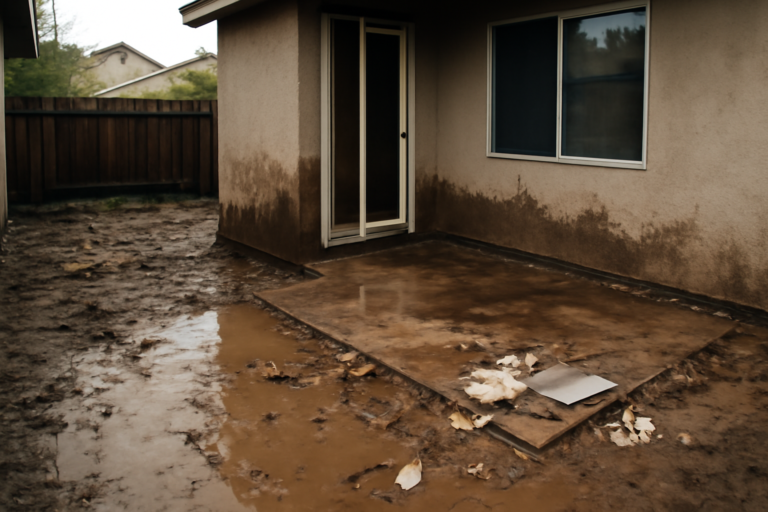
Trusted by 165+ Homeowners
HVAC Water Damage Restoration in Mountain Park, GA
- Over 165 5-Star Reviews
- Free Estimates and Quotes
- 100% Satisfaction Guaranteed
- Child, Family & Pet Safe Steps
- 24-Hour Emergency Service
- Fully Licensed & Insured

When Your AC Becomes a Water Problem in Mountain Park, GA
Here in Mountain Park, GA, we know how unpredictable the weather can get. Those humid summer days, while great for a dip in the lake, can put a real strain on your HVAC system. When that system starts leaking, it’s not just an inconvenience; it’s a potential disaster for your home’s structure and air quality. Dealing with unexpected water leaks from your air conditioning unit can be a stressful experience, especially when you realize how much damage it can cause to your floors, walls, and even your HVAC equipment itself. You’ll want to address these issues quickly to prevent further complications.
We’ve helped hundreds of homeowners right here in your neighborhood deal with HVAC water damage. They trust us because we understand the unique challenges that come with living around here. Our crews have earned over 165 five-star reviews from satisfied customers who appreciate our prompt response and effective restoration efforts. When your home needs expert attention for HVAC water issues, you can count on our team to get it right.
- We tackle the specific mold and mildew risks that arise from hidden HVAC leaks, ensuring your air is safe to breathe again.
- Our specialized drying techniques focus on the delicate ductwork and insulation often affected by AC water damage, preventing long-term structural problems.
- We go beyond just drying; we help identify the root cause of the leak to prevent future headaches and costly repairs to your HVAC system.
How We Tackle HVAC Water Damage
When water starts coming from your AC, it’s not something you can just mop up and forget about. The moisture can seep into places you can’t see, creating a breeding ground for mold and weakening building materials. That’s why our team follows a meticulous process, ensuring every drop of water is removed and your home is thoroughly dried and restored. Cutting corners here can lead to persistent moisture problems and potential health hazards down the line.
Inspection and Assessment
First, we’ll thoroughly inspect the affected areas, using advanced tools to pinpoint the exact source of the leak and measure the extent of the water damage. This initial assessment helps us create a clear plan for restoration, ensuring we address everything from visible puddles to hidden moisture within walls and ceilings. You’ll understand the scope of work needed before we begin.
Water Extraction
Our crews use powerful, professional-grade water extraction equipment to remove standing water as quickly as possible. This step is crucial for minimizing damage and preventing further absorption into your flooring, subflooring, and furniture. The sooner we extract the water, the better the outcome for your property. We focus on efficient water removal.
Drying and Dehumidification
Once the bulk of the water is gone, we set up specialized drying equipment, like industrial air movers and dehumidifiers. These machines work tirelessly to pull moisture out of the air and building materials, creating an environment where everything can dry thoroughly and safely. This is key to preventing mold growth and ensuring structural integrity. We monitor humidity levels closely.
Mold Prevention and Remediation
Because HVAC leaks can create damp conditions perfect for mold, we take preventative measures seriously. If mold has already started to grow, our certified technicians will safely remove it, following strict protocols to prevent cross-contamination. Your family’s health is our priority, and we ensure a healthy indoor environment.
Odor Removal
Lingering musty odors are a common problem after water damage. We use advanced deodorizing techniques and equipment to neutralize odors at their source, leaving your home smelling fresh and clean. You’ll notice the difference immediately, thanks to our effective odor treatment.
Don’t let a leaky AC system turn into a major home repair project. Contact us today to get your HVAC water damage handled properly. We’re ready to help you get your home back to normal.

Warning Signs You Need HVAC Water Damage Restoration
Catching HVAC water damage early is key to saving yourself time, money, and hassle. Your home often gives you clues that something’s not right, but you need to know what to look for. Ignoring these signs can lead to much bigger, more expensive problems down the road, like extensive mold growth or structural damage. Keep an eye out for these common indicators.
Visible Water Stains or Puddles
The most obvious sign is water pooling on your floors or walls, especially near your indoor AC unit or vents. This indicates a leak that needs immediate attention to prevent further saturation. Don’t just wipe it up; investigate the source of the moisture.
Musty Odors That Won’t Go Away
A persistent damp, musty smell, particularly noticeable when your AC is running, is a strong indicator of hidden moisture and potential mold growth. This smell often originates from saturated insulation or ductwork. It’s a sign of unseen water damage.
Peeling or Bubbling Paint/Wallpaper
Water seeping behind your walls can cause paint to peel and wallpaper to bubble or detach. This is a visual cue that moisture is compromising the integrity of your wall surfaces. It shows that the water has penetrated.
Increased Humidity Levels
If your home feels unusually damp or humid, even when your AC is running, it could be a sign that the unit is leaking and not properly dehumidifying the air. This constant dampness can damage materials and promote mold. It points to an improper system function.
Mold or Mildew Spots
Seeing small patches of mold or mildew, often dark in color, on walls, ceilings, or around vents is a clear sign of a water problem. Mold thrives in damp environments, and its presence indicates that water has been sitting for a while. This means active mold growth.
Dripping Sounds
Hearing unusual dripping sounds coming from your ceiling, walls, or HVAC unit itself can signal an active leak within the system or its drainage lines. Don’t dismiss these noises; they could be your home’s way of telling you there’s a problem. Listen for unusual water sounds.
HVAC Water Damage Restoration vs. DIY: When To Call a Professional
| Situation | DIY? | Call a Pro? | Why |
|---|---|---|---|
| Small puddle under the AC unit after a rain shower | Yes, if you can easily access and dry it. | Maybe, if it keeps happening. | Recurring puddles suggest an underlying drainage issue that needs professional diagnosis. |
| Visible water stains spreading on the ceiling | No. | Yes. | Ceiling stains often mean water is trapped in the attic or between floors, requiring specialized drying to prevent structural damage and mold. |
| Musty smell when the AC runs | No. | Yes. | Hidden mold and moisture in ductwork or insulation require professional inspection and remediation. |
| Saturated carpet around an air vent | Yes, for immediate blotting and fan drying if minor. | Yes, if the area is large or the carpet remains damp after 24 hours. | Professional equipment is needed to thoroughly dry padding and subfloors to prevent mold. |
| Water actively dripping from the indoor unit | No. | Yes. | This indicates a significant condensate drain clog or line break that needs immediate professional repair and water extraction. |
| Concerns about mold growth | No. | Yes. | Mold remediation requires specific safety protocols and equipment to ensure it’s removed effectively and safely. |
While you can handle very minor, superficial moisture, any situation involving saturated building materials, hidden moisture, or potential mold growth is best left to the pros. Trying to DIY extensive HVAC water damage can lead to costlier repairs later and potential health risks. Our team has the tools and expertise to handle it right the first time.
HVAC Water Damage Restoration Cost In Mountain Park, GA
The cost of HVAC water damage restoration in Mountain Park, GA, can vary significantly. Factors like the size of the affected area, the extent of the water damage, the type of materials affected, and the complexity of the HVAC system all play a role. These figures are general estimates and a detailed on-site assessment is always necessary for an accurate quote. We aim for transparent pricing.
| Service | Typical Price Range | What Affects Cost |
|---|---|---|
| Initial Inspection & Water Damage Assessment | $300 – $800 | Complexity of the system and extent of visible damage. |
| Water Extraction & Removal | $500 – $2,500 | Amount of standing water and size of the affected area. |
| Structural Drying (Air Movers & Dehumidifiers) | $800 – $3,000+ | Duration needed for drying, size of the space, and material saturation. |
| Mold Testing and Remediation | $500 – $5,000+ | Severity and location of mold growth, and area requiring containment. |
| Odor Removal Services | $300 – $1,000 | Type of odor and the methods/equipment required for neutralization. |
| HVAC Duct Cleaning (Post-Water Damage) | $400 – $1,200 | Total footage of ductwork and complexity of the HVAC system. |
Remember, these are just estimates to give you an idea of what to expect. We offer free, no-obligation estimates for HVAC water damage restoration services. Our goal is to provide you with a clear understanding of the costs involved before any work begins, ensuring you can make an informed decision about protecting your home.
Service Areas Near Mountain Park, GA
Alpharetta, Roswell, Milton, Johns Creek, Suwanee, Duluth, Norcross, Sandy Springs, Dunwoody, Marietta, Kennesaw, Acworth, Woodstock, Canton, Holly Springs, Ball Ground, Cumming, Dawsonville, Buford, Lawrenceville.
Common Questions About HVAC Water Damage Restoration
My AC is leaking water, is it covered by my homeowner’s insurance?
Often, standard homeowner’s insurance policies will cover water damage caused by sudden and accidental events, like a burst pipe or a malfunctioning AC unit. However, they typically do not cover damage from gradual leaks or lack of maintenance. It’s best to review your specific policy or contact your insurance provider directly. We can help document the damage for your claim, providing clear details about the cause and extent of the problem.
How quickly do I need to address HVAC water damage?
You need to act very quickly. Within 24-48 hours, moisture can lead to significant secondary damage, including mold growth and structural weakening. The sooner our team can begin water extraction and drying, the better the chances of preventing costly long-term issues. Prompt attention is crucial for minimizing damage and ensuring a faster restoration.
What are the health risks associated with HVAC water damage?
The primary health risk comes from mold and mildew growth, which can thrive in the damp conditions created by HVAC leaks. Inhaling mold spores can trigger allergies, asthma symptoms, and other respiratory problems, especially for sensitive individuals. We take mold prevention and remediation seriously to ensure your home is not only dry but also a healthy living space.
What kind of equipment do you use to dry out my home?
We utilize professional-grade equipment that’s far more powerful than anything you can rent for DIY use. This includes high-speed air movers to circulate air, industrial dehumidifiers to remove moisture from the air and materials, and specialized moisture meters to ensure thorough drying. This advanced equipment helps us dry your property effectively and efficiently, preventing long-term moisture issues.
Can I prevent water damage from my HVAC system in the future?
Yes, regular maintenance is key. Ensure your condensate drain line is clear and functioning properly, and have your HVAC system inspected annually by a qualified technician. Keeping your system in good working order can prevent many common leaks. We can also offer advice on maintaining your system to avoid future water problems.
Check Our Other Relevant Services

Jerry Johns is a licensed Damage Restoration Expert with over 20 years of hands-on experience helping homeowners and businesses navigate property crises. As a trusted authority in the field, Jerry combines technical precision with a compassionate approach to disaster recovery.
𝗖𝗲𝗿𝘁𝗶𝗳𝗶𝗰𝗮𝘁𝗶𝗼𝗻𝘀: Jerry holds multiple elite IICRC certifications, including Water Damage Restoration (WRT), Applied Microbial Remediation (Mold), Applied Structural Drying (ASD), Odor Control, and Fire and Smoke Restoration.
𝗙𝗮𝘃𝗼𝗿𝗶𝘁𝗲 𝗣𝗮𝘀𝘁𝗶𝗺𝗲: When he isn’t on a job site, Jerry is an avid outdoorsman who enjoys fly fishing and restoring vintage woodworking tools.
𝗕𝗲𝘀𝘁 𝗣𝗮𝗿𝘁 𝗼𝗳 𝘁𝗵𝗲 𝗝𝗼𝗯: Jerry finds the most fulfillment in seeing the relief on a client’s face when their property is finally restored to its pre-loss condition, turning a stressful disaster into a fresh start.