Trusted by 165+ Homeowners
HVAC Water Damage Restoration in Norcross, GA
- Over 165 5-Star Reviews
- Free Estimates and Quotes
- 100% Satisfaction Guaranteed
- Child, Family & Pet Safe Steps
- 24-Hour Emergency Service
- Fully Licensed & Insured

When Your AC Leaks More Than Just Cool Air in Norcross, GA
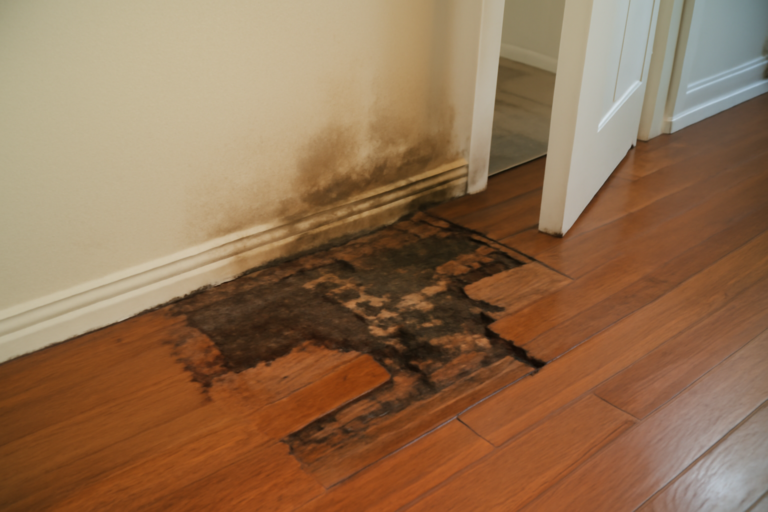
You walk into your home, and something’s off. A faint, damp smell hangs in the air, or maybe it’s more obvious – a water stain spreading across your ceiling, a puddle forming beneath your air handler. It’s not just a drip; it’s a steady trickle, and you realize it’s coming from your HVAC system. This isn’t just a minor inconvenience; it’s HVAC water damage, and it needs fast attention to prevent bigger issues. You need to know this is a specialized problem that requires a specific approach.
Locally, homeowners trust our team because we understand the unique challenges that HVAC water damage presents. We’ve helped hundreds of families recover from unexpected leaks and their aftermath. Our track record speaks for itself, with over 165 five-star reviews from satisfied neighbors who value our quick response and thorough work. We’re here to make sure your home is dry and safe again, focusing on the details that matter most.
- We go beyond surface drying to pinpoint hidden moisture within your ductwork and insulation, preventing mold growth before it even starts.
- Our specialized equipment targets the unique drying needs of HVAC components and surrounding structures, ensuring a complete restoration.
- We work directly with your insurance adjusters, simplifying the claims process for you and ensuring all necessary repairs are covered.
How We Tackle HVAC Water Damage Restoration
When water escapes your HVAC system, it can spread quickly, affecting more than just the visible areas. A proper restoration process is crucial to avoid long-term problems like mold and structural weakening. Cutting corners here means you’ll likely face more expensive repairs down the road. Our approach is methodical, using science and specialized tools to ensure your system and home are restored correctly, protecting your investment and your family’s health.
Initial Inspection and Assessment
Our technicians arrive promptly to assess the full extent of the water damage. We use advanced moisture meters and thermal imaging cameras to detect hidden water and humidity levels. This initial assessment helps us create a customized drying plan and estimate the necessary equipment for your specific situation.
Water Extraction and Containment
If standing water is present, we’ll use powerful extraction equipment to remove it quickly. We then set up containment barriers to prevent moisture from spreading to unaffected areas of your home. This step is vital for efficient water removal and controlling the drying environment.
Advanced Drying Techniques
We employ a range of drying equipment, including industrial-grade air movers, dehumidifiers, and specialized desiccant dehumidifiers. These machines are strategically placed to accelerate evaporation and pull moisture from the air and materials. Our goal is to dry your property to pre-loss moisture levels as rapidly as possible.
Monitoring and Moisture Readings
Throughout the drying process, we continuously monitor humidity levels and material moisture content. We take regular readings to track progress and make adjustments to our equipment placement and operation. This data-driven approach ensures thorough drying and prevents secondary damage.
Odor Control and Sanitization
Once drying is complete, we address any lingering odors or potential microbial growth. We use professional-grade air scrubbers and antimicrobial treatments to neutralize odors and sanitize affected areas. This ensures your home is not only dry but also healthy and fresh.
Don’t wait for small leaks to become big problems. Call us today to get your HVAC water damage under control immediately.

Warning Signs You Need HVAC Water Damage Restoration
Your HVAC system is designed to manage air and moisture, but sometimes it can become the source of water problems. Catching these signs early can save you significant money and prevent more serious issues like mold growth and structural damage. Pay attention to what your home is telling you; it’s often the first indicator that professional help is needed.
Musty Odors That Won’t Go Away
A persistent, damp, or musty smell, especially near vents or your air handler, is a strong indicator of hidden moisture. This smell often means mold or mildew has begun to grow in damp areas, potentially within your ductwork or insulation, requiring immediate odor control.
Visible Water Stains or Puddles
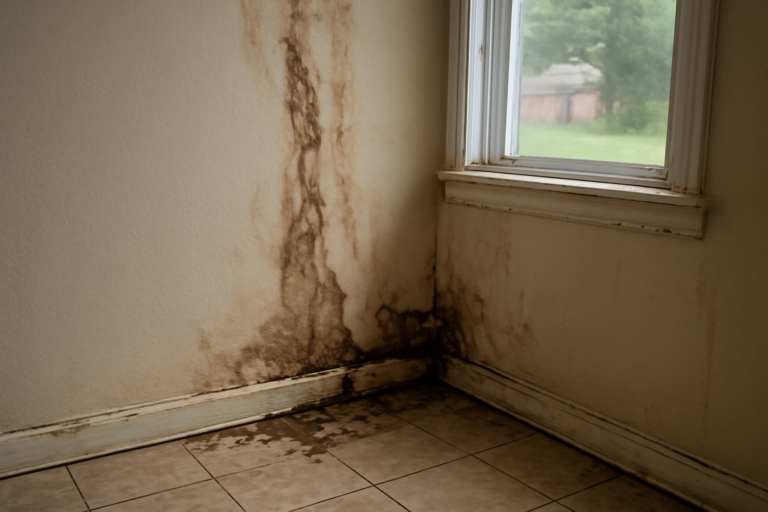
Any visible water stains on ceilings, walls, or floors, particularly around HVAC components, are clear signs of a leak. Puddles forming beneath your unit mean water isn’t being properly drained and is accumulating, which requires prompt water cleanup.
Unusual Noises from Your HVAC Unit
Gurgling, dripping, or sloshing sounds coming from your air handler or ductwork can signal internal water issues. These sounds often mean your condensate drain line is clogged or your unit is experiencing a more significant leak, demanding urgent system inspection.
Reduced Air Quality or Strange Smells from Vents
If the air coming from your vents smells damp, moldy, or generally unpleasant, it could mean water has saturated your ductwork. This compromised air quality can affect your family’s health, making air duct cleaning a priority.
Increased Humidity Levels in Your Home
If your home feels unusually humid, even when the AC is running, your HVAC system might be struggling to manage moisture correctly. This indicates a potential issue with the condensate drain or other components, leading to excessive moisture.
Ice Buildup on Refrigerant Lines or Unit
While not always water damage, ice buildup can indicate airflow problems that lead to condensation issues and potential leaks. Addressing the root cause is key to preventing subsequent water damage, so we’ll perform a thorough system check.
HVAC Water Damage Restoration vs. DIY: When To Call a Professional
| Situation | DIY? | Call a Pro? | Why |
|---|---|---|---|
| Small, isolated drip under the air handler with no visible staining. | Yes, if you’re comfortable turning off the unit and checking the condensate drain line. | No, unless the drip persists after your checks. | Simple drain clogs are often fixable without professional intervention. |
| Large puddles forming around the HVAC unit. | No. | Yes, immediately. | Large amounts of water can damage flooring and subflooring quickly. |
| Water stains appearing on ceilings or walls near vents. | No. | Yes, immediately. | Ceiling and wall damage can indicate leaks within the ductwork or attic space. |
| Musty or moldy smells coming from HVAC vents. | No. | Yes, immediately. | This suggests mold growth, which requires specialized containment and remediation. |
| Condensate line is clearly clogged and overflowing. | Yes, if you have basic plumbing tools and know how to access the line. | Yes, if you can’t clear it easily or suspect damage. | A clogged line is a common cause, but persistent issues need expert attention. |
| Suspected water damage inside ductwork. | No. | Yes, immediately. | Accessing and drying ductwork requires specialized equipment and expertise. |
For anything beyond a minor, easily accessible drip, it’s best to call in the pros. Our team has the right tools and training to handle the complex issues that arise from HVAC water damage, ensuring a complete and safe restoration.
HVAC Water Damage Restoration Cost In Norcross, GA
The cost of HVAC water damage restoration in Norcross, GA, can vary significantly. Factors like the size of the affected area, the severity of the water damage, and the specific HVAC components involved all play a role. These price ranges are estimates and can be influenced by local conditions and the complexity of the job.
| Service | Typical Price Range | What Affects Cost |
|---|---|---|
| Initial Inspection and Assessment | $200 – $750 | The use of advanced diagnostic tools like thermal cameras. |
| Water Extraction | $300 – $1,500 | The volume of water to be removed and the accessibility of the area. |
| Drying and Dehumidification (per day) | $200 – $600 | The number and type of industrial drying machines required. |
| Containment Setup and Removal | $400 – $1,200 | The size of the affected zone and the complexity of barrier installation. |
| Odor Control and Sanitization | $300 – $1,000 | The type of treatment needed, such as ozone or antimicrobial fogging. |
| Mold Remediation (if applicable) | $500 – $3,000+ | The extent of mold growth and the difficulty of removal. |
An on-site assessment is necessary for an accurate quote. We offer free estimates for HVAC water damage restoration services, so you know exactly what to expect.
Service Areas Near Norcross, GA
Atlanta, Duluth, Peachtree Corners, Suwanee, Johns Creek, Tucker, Lilburn, Lawrenceville, Chamblee, Doraville, Sandy Springs, Roswell, Marietta, Alpharetta, Dunwoody, Norcross, Buford, Snellville, Stone Mountain, Smyrna
Common Questions About HVAC Water Damage Restoration
What should I do if I see water coming from my air vents?
First, turn off your HVAC system immediately to prevent further water damage and potential electrical hazards. Then, call our team. We’ll dispatch technicians to diagnose the leak source, extract any standing water, and begin the drying process. We’ll also assess your ductwork for any damage or mold growth.
How long does HVAC water damage restoration typically take?
The timeline depends on the extent of the water damage, but most HVAC water damage restoration projects can be completed within 3 to 7 days. We use advanced drying equipment to expedite the process, but thoroughness is key to preventing future issues.
Is HVAC water damage covered by homeowner’s insurance?
Often, yes, but it depends on the cause of the water damage. Leaks from sudden, accidental issues are usually covered, while gradual leaks or lack of maintenance might not be. We work closely with your insurance adjuster to ensure proper claim processing and coverage.
Can water damage from my HVAC system cause mold?
Absolutely. Any time moisture sits for more than 24-48 hours, mold can begin to grow. Water in ductwork or insulation is a prime breeding ground for mold, which is why swift action and professional mold remediation are critical.
What kind of equipment do you use to dry out HVAC systems and ductwork?
We utilize a range of specialized equipment, including high-powered air movers to create airflow, industrial dehumidifiers to remove moisture from the air, and sometimes even specialized tools for drying inside ductwork. Our goal is to achieve precise moisture control and thorough drying.
Check Our Other Relevant Services
Serving Norcross, GA And Nearby Areas