Trusted by 165+ Homeowners
Hydrostatic Pressure Water Damage Restoration in Canton, GA
- Over 165 5-Star Reviews
- Free Estimates and Quotes
- 100% Satisfaction Guaranteed
- Child, Family & Pet Safe Steps
- 24-Hour Emergency Service
- Fully Licensed & Insured

When Water Pushes Back: Hydrostatic Pressure Water Damage Restoration in Canton, GA
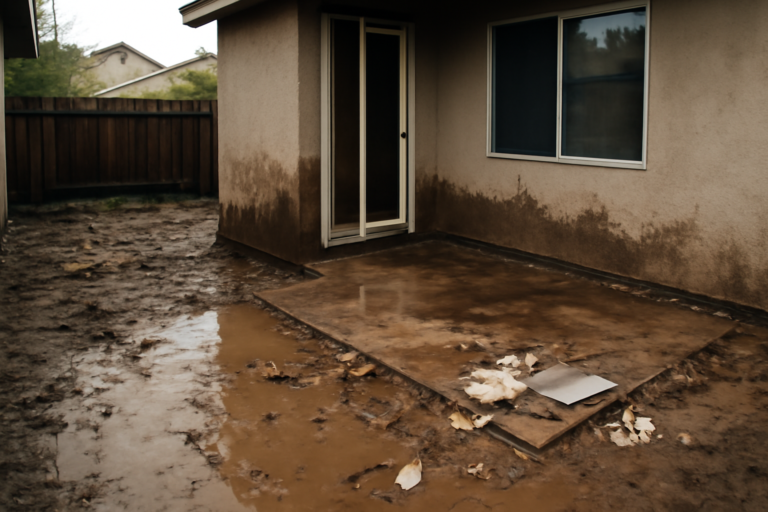
You hear a strange gurgling, then a drip. You find water seeping up from your basement floor, or maybe a damp patch spreading across your ceiling. It’s not just a leaky pipe; it’s water being forced into your home by immense underground pressure. This kind of damage, often from heavy rains or rising groundwater, can be insidious and fast. You need a team that understands the unique challenges of hydrostatic pressure water damage right here in Canton, GA. We’re here to help you tackle this specific problem, fast.
Locally, homeowners have turned to us more than 165 five-star reviews attest, for reliable and effective solutions when hydrostatic pressure causes water intrusion. We’re known for our technical approach to this specific type of damage, focusing on the science of water removal and structural drying. When you’re dealing with water pushing its way in, you need a team that’s equipped to handle the force of underground water. We’ve helped many families in your neighborhood restore their homes, and we’re ready to help you.
- We use advanced moisture detection tools to pinpoint exactly where water is hiding, even behind walls and under floors, ensuring a thorough drying process to prevent mold growth.
- Our rapid drying techniques are specifically designed to combat the persistent dampness caused by hydrostatic pressure, restoring healthy air quality and preventing long-term structural issues.
- We meticulously document the entire restoration process, providing you with clear records for insurance claims and giving you a complete understanding of the work done to protect your property.
How Hydrostatic Pressure Water Damage Restoration Actually Works
When water pressure from saturated soil or groundwater finds a way into your home, it requires a specialized approach. It’s not enough to just mop up the surface water; you must address the source of the pressure and the hidden moisture. Our process focuses on containment, efficient water extraction, and controlled drying to prevent secondary damage like mold and rot. Cutting corners here can lead to persistent moisture problems and costly repairs down the road. We employ precise methods to ensure your home is truly dry and safe.
Step 1: Initial Assessment and Water Source Identification
Our technicians arrive quickly to assess the extent of the damage and, crucially, identify the likely source of hydrostatic pressure affecting your property. We’ll use tools like infrared cameras and moisture meters to map out the affected areas. This initial step is vital for developing a targeted restoration plan and preventing future intrusion.
Step 2: Water Extraction
We deploy powerful, specialized pumps and extraction equipment to remove standing water efficiently. This isn’t your typical wet vac job; we use industrial-grade tools designed for large volumes of water. The goal is to extract as much bulk water as possible, minimizing saturation and reducing the drying time needed.
Step 3: Containment and Dehumidification
Once bulk water is gone, we set up containment barriers to isolate the wet areas and begin the drying process using high-capacity dehumidifiers and air movers. These machines work to lower the humidity levels in the air, encouraging moisture to evaporate from building materials. This controlled environment is key to preventing mold growth.
Step 4: Structural Drying and Moisture Monitoring
We continuously monitor moisture levels in the air and within building materials using professional-grade meters. Our crews adjust the placement and operation of drying equipment to ensure materials like drywall, wood, and subflooring reach safe, dry levels. This meticulous monitoring guarantees a complete drying protocol.
Step 5: Cleaning and Sanitation
After drying, we thoroughly clean and sanitize all affected areas to remove any residues or contaminants left behind by the water. This step is crucial for restoring a healthy environment and preventing odor issues. We use specialized cleaning agents to ensure your home is not just dry, but also clean and safe.
Don’t let hydrostatic pressure cause long-term damage to your home. Call us now for immediate assessment and expert remediation. We’re ready to deploy our equipment and expertise to your property today.

Warning Signs You Need Hydrostatic Pressure Water Damage Restoration
Catching hydrostatic pressure water damage early can save you significant money and prevent serious structural issues and health hazards. It’s important to recognize the subtle (and not-so-subtle) signs that water is being forced into your home. Ignoring these indicators can lead to mold, rot, and weakened foundations. Pay close attention to what’s happening around your property.
Musty Odors That Won’t Go Away
A persistent damp, earthy smell, especially in basements or crawl spaces, is often the first sign of hidden moisture. This odor indicates that mold or mildew may already be growing due to excess water. It’s a clear signal for immediate professional inspection.
Damp or Wet Spots on Walls or Ceilings
Visible discoloration, peeling paint, or actual dampness on interior surfaces suggests water is penetrating from the outside or from within the structure. These spots are a direct result of trapped moisture. Don’t delay in addressing visible water intrusion.
Cracks in Foundation or Basement Walls
When the soil around your foundation becomes oversaturated, it exerts immense pressure. Small cracks can widen, allowing water to seep in. These fissures are entry points for water that needs expert sealing and repair.
Efflorescence on Basement Walls
You might notice white, powdery deposits on your basement walls. This is a mineral salt residue left behind when water seeps through concrete and evaporates. It’s a visual indicator of ongoing water infiltration.
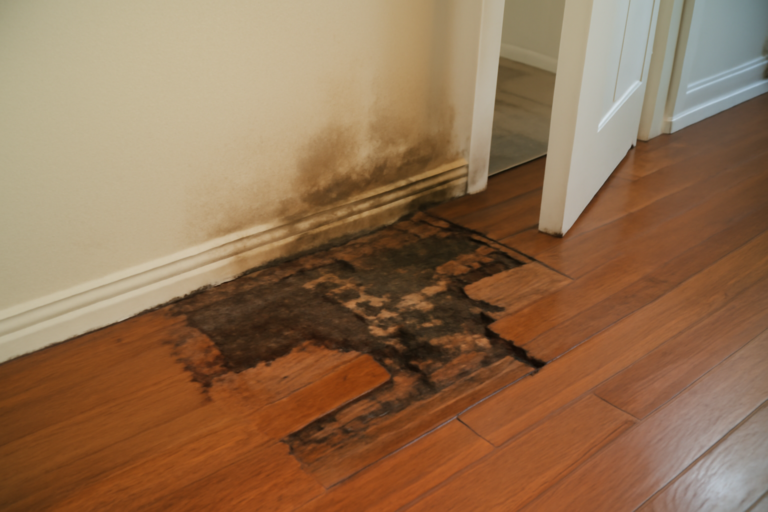
Buckling or Warped Flooring
If your basement or ground-level flooring is starting to buckle, warp, or lift, it’s a strong sign that moisture is trapped underneath. The excess water can compromise the integrity of flooring materials. This requires prompt structural drying.
Increased Humidity Levels Indoors
Even if you don’t see standing water, a noticeable increase in indoor humidity, condensation on windows, or a general feeling of dampness can indicate that moisture is entering your home unnoticed. This elevated humidity can lead to unseen mold growth.
Hydrostatic Pressure Water Damage Restoration vs. DIY: When To Call a Professional
| Situation | DIY? | Call a Pro? | Why |
|---|---|---|---|
| Small, isolated damp spot on a finished basement wall | Yes, if minor and you can identify the source easily. | Yes, if the spot is spreading or you can’t find the source. | DIY is fine for surface issues; professionals find hidden water. |
| Standing water in a basement after heavy rain | No. | Yes. | Large volumes of water require specialized extraction equipment and drying protocols. |
| Musty odor with no visible water | No. | Yes. | Hidden mold and moisture behind walls or under floors need professional detection and remediation. |
| Cracks in foundation walls | No. | Yes. | Foundation cracks are structural issues that need professional assessment and repair to prevent water intrusion. |
| Water seeping up through concrete floors | No. | Yes. | This indicates significant hydrostatic pressure requiring specialized pumps and drying methods. |
| After a minor plumbing leak is fixed | Yes, for small areas with fans and dehumidifiers. | Yes, if the leak was significant or behind walls. | DIY is for surface drying; professionals ensure complete drying of structural elements. |
While minor dampness might be manageable with basic tools, hydrostatic pressure water damage is often a sign of a larger problem that requires professional intervention. When water is being forced into your home from below or behind walls, it demands specialized equipment and expertise to address effectively. Trusting this to professionals ensures a thorough and lasting restoration.
Hydrostatic Pressure Water Damage Restoration Cost In Canton, GA
The cost for hydrostatic pressure water damage restoration in Canton, GA, can vary significantly. Factors like the size of the affected area, the depth of water intrusion, the type of building materials involved, and the complexity of the job all play a role. These figures are estimates to give you a general idea of what to expect.
| Service | Typical Price Range | What Affects Cost |
|---|---|---|
| Emergency Water Extraction | $500 – $3,000 | Volume of water, accessibility, and time of day. |
| Structural Drying (Dehumidification & Air Movers) | $750 – $4,000 | Size of the affected space, duration of drying, and humidity levels. |
| Moisture Detection & Assessment | $200 – $750 | Complexity of the property and need for advanced imaging equipment. |
| Mold Prevention Treatments | $300 – $1,500 | Area size and type of preventative solutions used. |
| Deodorization and Sanitation | $300 – $1,200 | Extent of contamination and required cleaning methods. |
| Content Restoration (if applicable) | Varies greatly | Number of items, type of materials, and severity of damage. |
For an accurate estimate tailored to your specific situation, a professional on-site assessment is necessary. We offer free estimates for hydrostatic pressure water damage restoration services. Contact us today to schedule yours.
Service Areas Near Canton, GA
Ball Ground, Alpharetta, Roswell, Milton, John’s Creek, Cumming, Dawsonville, Woodstock, Marietta, Acworth, Kennesaw, Sandy Springs, Dunwoody, Norcross, Duluth, Suwanee, Buford, Gainesville, Cartersville, Cedartown.
Common Questions About Hydrostatic Pressure Water Damage Restoration
What is hydrostatic pressure and how does it cause water damage?
Hydrostatic pressure is the force exerted by standing water, typically from oversaturated soil or rising groundwater levels, pushing against your foundation or basement walls. When this pressure exceeds the integrity of your building materials, water will find a way in. Our team uses specialized equipment to relieve this pressure and dry out the affected areas, preventing further damage and ensuring your home’s safety.
How quickly do I need to address hydrostatic pressure water damage?
You should act immediately. Hydrostatic pressure can introduce large volumes of water quickly, and any standing water or high humidity left untreated can lead to mold growth and structural weakening within 24-48 hours. The faster we can begin the extraction and drying process, the more effectively we can mitigate long-term damage and health risks for your family.
Will my homeowner’s insurance cover hydrostatic pressure water damage?
Coverage varies by policy. Some policies may cover water damage resulting from sudden, accidental events, but damage caused by gradual seepage or poor maintenance might be excluded. It’s best to review your policy and contact your insurance provider. We can help by providing detailed documentation of the damage and our restoration process to assist with your claim.
How long does the hydrostatic pressure water damage restoration process take?
The timeline depends on the severity of the intrusion, the size of the affected area, and the building materials. A typical drying process can take anywhere from 3 to 10 days, sometimes longer for severe cases. We use advanced monitoring to determine when your property is completely dry, ensuring a thorough and efficient restoration.
What are the health risks associated with hydrostatic pressure water damage?
The primary health risk is mold growth, which thrives in damp environments and can cause respiratory problems, allergic reactions, and other health issues. Standing water can also create slip hazards and attract pests. Our technicians not only remove water but also thoroughly clean and sanitize the area, applying antimicrobial treatments to prevent mold and bacteria, thereby protecting your family’s health.
Check Our Other Relevant Services
Serving Canton, GA And Nearby Areas