Trusted by 165+ Homeowners
Hydrostatic Pressure Water Damage Restoration in McDonough, GA
- Over 165 5-Star Reviews
- Free Estimates and Quotes
- 100% Satisfaction Guaranteed
- Child, Family & Pet Safe Steps
- 24-Hour Emergency Service
- Fully Licensed & Insured

When Water Pushes Back: Expert Hydrostatic Pressure Water Damage Restoration in McDonough, GA
We’ve seen it happen more times than we can count right here in McDonough, GA. That moment when you realize water isn’t just leaking, it’s actively pushing its way in, often from below. This isn’t your typical pipe burst; it’s a more insidious force that can cause significant structural damage if not addressed immediately. Our team has years of hands-on experience dealing with the unique challenges hydrostatic pressure presents, from flooded basements in older homes to foundations in our rapidly developing neighborhoods. We understand how stressful this can be, and we’re here to provide clear, effective solutions.
It’s why so many homeowners in your neighborhood trust us when they’re facing this kind of water intrusion. With over 165 five-star reviews from satisfied customers, our crews are known for their thoroughness and dedication to getting the job done right. We don’t just clean up the mess; we tackle the root cause of hydrostatic pressure water damage, ensuring your property is safe and sound. You’ll find our approach is built on real-world expertise and a genuine commitment to helping our neighbors.
- We specialize in identifying and mitigating the hidden water that hydrostatic pressure forces into your home’s lowest levels, preventing long-term mold growth and structural rot that other leaks might miss.
- Our advanced drying and dehumidification equipment is specifically chosen to combat the deep, persistent moisture associated with hydrostatic pressure, often found in concrete slabs and foundation walls.
- We work closely with your insurance provider, navigating the complexities of claims related to hydrostatic pressure damage, so you don’t have to shoulder that extra burden during an already difficult time.
How We Tackle Hydrostatic Pressure Water Damage
Dealing with water pushing up from the ground requires a methodical, specialized approach. Simply mopping up surface water won’t solve the problem because the moisture is already saturating your materials from beneath. Our process is designed to not only remove existing water but also to dry out affected areas thoroughly and prevent future issues. We know how disruptive water damage can be to your life, and our goal is to make this process as smooth and efficient as possible for you and your family.
1. Initial Assessment and Water Extraction
Our first step is a detailed inspection to pinpoint the source and extent of the hydrostatic pressure. We’ll use specialized moisture meters to map out the affected areas. Then, we deploy powerful extraction equipment, including truck-mounted vacuums and submersible pumps, to remove standing water as quickly as possible. This phase is crucial for minimizing further damage and setting the stage for effective drying.
2. Structural Drying and Dehumidification
Once standing water is gone, the real work of drying begins. We bring in industrial-grade air movers and dehumidifiers specifically designed to pull moisture out of concrete, subflooring, and wall cavities. This is a critical step that can take several days, depending on the severity. Proper drying prevents secondary issues like mold and protects your home’s integrity.
3. Moisture Monitoring
Throughout the drying process, our technicians will continuously monitor moisture levels using advanced equipment. This ensures that we’re not just drying the surface but reaching the deep-seated moisture caused by hydrostatic pressure. We’ll keep you informed of progress and adjust our equipment as needed to achieve optimal dryness.
4. Mold Prevention and Odor Control
Standing water and persistent dampness create the perfect environment for mold and mildew. As part of our process, we apply EPA-approved antimicrobial treatments to affected areas to inhibit mold growth. We also use specialized equipment to neutralize any lingering musty odors, leaving your home smelling fresh and truly restored to its original state.
Don’t let hydrostatic pressure water damage compromise your home’s safety and value. Call us today for immediate assistance and let our experienced team handle the situation with professional precision.

Warning Signs You Need Hydrostatic Pressure Water Damage Restoration
Catching the signs of hydrostatic pressure early can save you significant time, money, and stress. Ignoring these indicators allows moisture to work its way deeper into your foundation and structure, leading to more complex and expensive repairs down the road. Recognizing these subtle clues is the first step toward protecting your property.
Musty Odors That Won’t Go Away
A persistent damp, musty smell, especially in lower levels like basements or crawl spaces, is a strong indicator of trapped moisture. This often means water is present behind walls or under floors, a common result of hydrostatic pressure. Don’t just mask the smell; investigate the source.
Visible Water or Dampness on Floors and Walls
Any sign of water pooling, damp spots, or condensation on basement floors, walls, or even lower sections of your first floor can point to pressure pushing water upwards. This is a clear signal that professional intervention is needed.
Cracks in Foundation or Basement Walls
While not always visible, hydrostatic pressure can exacerbate existing cracks or even create new ones by exerting force on your foundation. Water seeping through these cracks is a direct symptom of the problem. Addressing the water issue is key to foundation repair.
Peeling or Bubbling Paint and Wallpaper
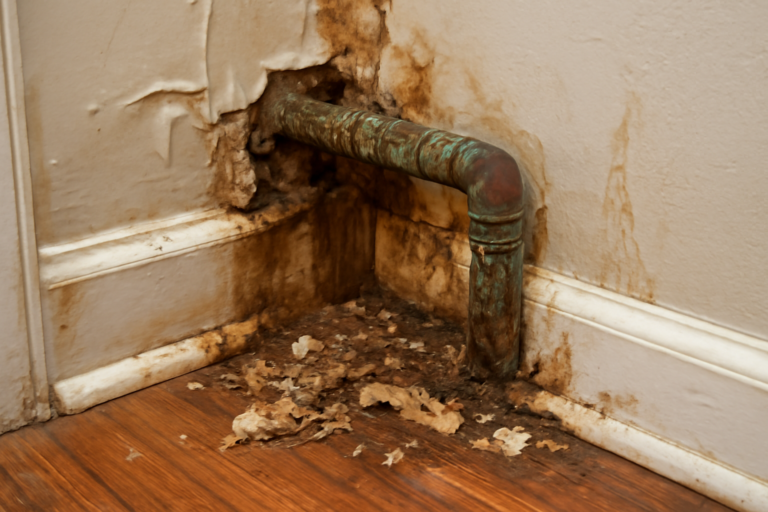
Moisture trapped behind finishes like paint or wallpaper will cause them to lose their adhesion, leading to peeling or bubbling. This is a visual cue that moisture is present where it shouldn’t be, often from below. It’s a sign of underlying water problems.
Efflorescence on Concrete Surfaces
You might see a white, powdery residue on concrete walls or floors. This is efflorescence, a mineral deposit left behind as water evaporates. It confirms that moisture is moving through your concrete, a hallmark of hydrostatic pressure. This indicates water intrusion.
Warped Flooring or Baseboards
Wood flooring or baseboards that start to warp, buckle, or swell are absorbing excess moisture. This damage often originates from water pushed up from the subfloor or foundation. It’s a clear sign of hidden water damage.
Hydrostatic Pressure Water Damage Restoration vs. DIY: When To Call a Professional
| Situation | DIY? | Call a Pro? | Why |
|---|---|---|---|
| Minor dampness on a basement floor after heavy rain | Yes, with thorough mopping and fan drying. | Maybe, if it recurs frequently. | Recurring dampness suggests an underlying pressure issue that fans might not fully resolve. |
| Standing water in a basement up to 1 inch deep | No. | Yes, definitely. | DIY equipment can’t handle the volume or the pressure; professional extractors are needed. |
| Persistent musty odors in a basement | No, not effectively. | Yes, absolutely. | Odors signal hidden mold or deep moisture that requires specialized drying and treatment. |
| Visible water seeping through foundation cracks | No. | Yes, immediately. | This indicates structural compromise and significant water intrusion requiring professional assessment and remediation. |
| Dampness causing paint to bubble on lower walls | No. | Yes, it’s time. | This points to moisture behind the wall, a job for professional drying and mold prevention. |
| Complete basement flooding several feet deep | Absolutely not. | Yes, the only option. | This is a large-scale event requiring commercial-grade equipment and expertise for safe and thorough restoration. |
While minor dampness might be manageable with DIY efforts, any persistent moisture, significant water intrusion, or signs of structural compromise due to hydrostatic pressure demand professional attention. Our team has the specialized equipment and trained technicians to handle these complex situations effectively.
Hydrostatic Pressure Water Damage Restoration Cost In McDonough, GA
The cost of addressing hydrostatic pressure water damage in McDonough, GA, can vary significantly based on the extent of the water intrusion, the size of the affected area, and the specific remediation techniques required. These figures are estimates to give you a general idea of potential costs. Accurate pricing will be determined after a thorough on-site assessment.
| Service | Typical Price Range | What Affects Cost |
|---|---|---|
| Initial Water Extraction | $500 – $2,000 | Volume of water, accessibility of the area. |
| Structural Drying & Dehumidification | $750 – $3,000 | Square footage affected, duration of drying needed, humidity levels. |
| Moisture Monitoring & Testing | $200 – $500 | Number of readings, complexity of the affected structure. |
| Antimicrobial Treatment & Mold Prevention | $300 – $1,500 | Square footage treated, type of treatment applied. |
| Odor Removal Services | $250 – $1,000 | Severity of odor, size of the affected space. |
| Minor Wall Cavity Drying | $400 – $1,200 | Number of cavities needing treatment, depth of moisture. |
These ranges provide a general overview, but a personalized quote is essential. We offer free, no-obligation estimates to give you a clear understanding of the investment required to fully restore your property.
Service Areas Near McDonough, GA
Stockbridge, Locust Grove, Hampton, Jackson, Jonesboro, Fayetteville, Lovejoy, Griffin, Tyrone, Peachtree City, Ellenwood, Rex, Riverdale, Morrow, Conley, Forest Park, Atlanta, Lithonia, Conyers, Covington.
Common Questions About Hydrostatic Pressure Water Damage Restoration
What is hydrostatic pressure, and how does it cause water damage?
Hydrostatic pressure is the force exerted by water when it’s at rest, typically in soil or groundwater. When this pressure builds up around your foundation, especially after heavy rains or with poor drainage, it can force water through tiny cracks, seams, or even pores in your concrete walls and floors. Our team uses specialized techniques to relieve this pressure and remove the water.
How long does hydrostatic pressure water damage restoration take?
The timeline varies greatly depending on the severity. Simple water extraction and drying might take 3-5 days. However, if moisture has penetrated deeply into structural materials, the drying process can extend to 7-14 days or even longer. We aim for efficient, thorough drying and will provide you with a realistic timeline estimate.
Is hydrostatic pressure water damage covered by homeowner’s insurance?
Coverage for hydrostatic pressure water damage can be complex and often depends on the specific cause and your policy details. Some policies cover damage from sudden events, while others exclude gradual seepage or groundwater issues. We can help by documenting the damage clearly and working with your adjuster to ensure a smooth claims process.
What are the health risks associated with hydrostatic pressure water damage?
The primary health risk is the potential for mold and mildew growth, which can thrive in damp environments created by hydrostatic pressure. Inhaling mold spores can lead to respiratory problems, allergies, and other health issues. Our technicians are trained to identify and remediate mold, ensuring your home is safe and healthy again.
Can I prevent hydrostatic pressure water damage in the future?
Preventative measures include ensuring proper grading around your home to direct water away from the foundation, maintaining clear gutters and downspouts, and considering sump pumps or French drains if you’re in a high-water table area. While these steps help, if you experience recurring issues, our team can assess your property and recommend long-term mitigation strategies.
Check Our Other Relevant Services
Serving McDonough, GA And Nearby Areas