Trusted by 165+ Homeowners
Hydrostatic Pressure Water Damage Restoration in Tyrone, GA
- Over 165 5-Star Reviews
- Free Estimates and Quotes
- 100% Satisfaction Guaranteed
- Child, Family & Pet Safe Steps
- 24-Hour Emergency Service
- Fully Licensed & Insured

When the Ground Starts Pushing Back: Hydrostatic Pressure Water Damage Restoration in Tyrone, GA
Here around Tyrone, GA, we know how unpredictable our Georgia weather can get. We’ve all seen those heavy rains that seem to last for days, saturating the ground until it’s completely waterlogged. When that happens, especially after a long spell of wet weather, the soil around your foundation can become saturated. This excess water builds up pressure, known as hydrostatic pressure, and it can start to push against your basement walls and foundation. It’s a silent force, but it can cause significant damage if left unchecked, leading to leaks and structural issues that you definitely don’t want to deal with. Understanding this pressure is key to protecting your home from this specific type of water intrusion.
Homeowners in your neighborhood have trusted our team for years to handle these tricky situations. We’ve earned over 165 five-star reviews by consistently providing reliable, effective service for hydrostatic pressure water damage. When you’re facing this kind of issue, you want a local crew that truly understands the soil conditions and common problems we see around here. We’re dedicated to getting your home dry and secure again, making sure you feel confident in our work.
- We specialize in pinpointing the exact source of hydrostatic pressure leaks, ensuring a targeted and effective cleanup that addresses the root cause, not just the symptom.
- Our advanced drying equipment goes beyond surface drying, reaching deep into materials to extract hidden moisture that can lead to mold and further structural decay.
- We focus on restoring your foundation’s integrity and preventing future water intrusion, providing long-term protection for your property.
How We Tackle Hydrostatic Pressure Water Damage
Dealing with water pushing its way into your home requires a methodical approach. It’s not just about mopping up a spill; it’s about understanding the forces at play and systematically removing the water, drying out affected areas, and restoring your property to its pre-loss condition. Cutting corners here can lead to lingering moisture, mold growth, and ongoing structural problems. Our process is designed to be thorough and efficient, ensuring we address every aspect of the damage caused by hydrostatic pressure. We believe in transparent communication and explaining what we’re doing so you’re always in the loop.
1. Initial Assessment and Water Extraction
The first step is always a detailed inspection to understand the extent of the hydrostatic pressure damage. We’ll identify where the water is entering your home, usually through cracks in the foundation or basement floor. Then, we use powerful submersible pumps and extraction tools to remove standing water as quickly as possible. This phase is critical for minimizing further damage and setting the stage for effective drying. It can take anywhere from a few hours to a couple of days, depending on the volume of water.
2. Drying and Dehumidification
Once the bulk of the water is out, the real work of drying begins. We deploy industrial-grade air movers and dehumidifiers that work tirelessly to pull moisture from the air and building materials. These machines create a controlled environment designed to accelerate the drying process significantly. Proper drying is essential to prevent mold and preserve the structural integrity of your home, and this stage can last several days to over a week.
3. Mold Prevention and Inspection
Where there’s excess moisture, mold can quickly follow. After drying, we meticulously inspect all affected areas for any signs of mold growth. If any is found, we use specialized treatments to safely remove it. Our goal is to ensure your home is not only dry but also healthy. This inspection is a crucial part of our commitment to your family’s well-being and typically takes a day or two.
4. Odor Control
Lingering dampness can leave behind unpleasant musty odors. We employ professional-grade deodorizing equipment and solutions to neutralize these smells, leaving your home smelling fresh and clean again. This step ensures that the restoration process is truly complete, addressing all the consequences of water intrusion. This usually takes a day.
5. Structural Drying and Material Assessment
We don’t just dry the surface; we assess the saturation levels of structural components like drywall, insulation, and framing. If materials are compromised beyond repair, we’ll discuss replacement options with you. Our technicians are trained to recognize the signs of damage that require professional remediation to ensure your home’s safety and longevity. This ongoing assessment happens throughout the drying process.
Don’t let hydrostatic pressure cause long-term problems for your property. Contact us immediately if you suspect water is pushing its way into your home. We’re ready to help restore your peace of mind and your home’s integrity.

Warning Signs You Need Hydrostatic Pressure Water Damage Restoration
Catching hydrostatic pressure water damage early can save you a lot of headaches and money down the line. These signs often start small but can indicate a serious problem building beneath your home. Being aware of them means you can act fast and prevent more extensive damage. Your vigilance is important for early detection.
Musty Odors That Won’t Go Away
A persistent damp, earthy smell, especially in basements or crawl spaces, is a classic sign of moisture issues. It means water is likely present and possibly stagnant, creating an environment for mold and mildew. Investigate these smells immediately.
Cracks in Basement Walls or Floors
Even small hairline cracks can be entry points for water. Hydrostatic pressure can widen existing cracks or even create new ones as it pushes against your foundation. Inspect your foundation regularly for any changes.
Peeling or Bubbling Paint/Wallpaper
Moisture trapped behind finishes can cause them to blister or peel away from the wall. This is a visual indicator that water is getting into your wall cavities. Don’t ignore peeling paint; it’s a clear warning.
Water Stains on Walls or Ceilings
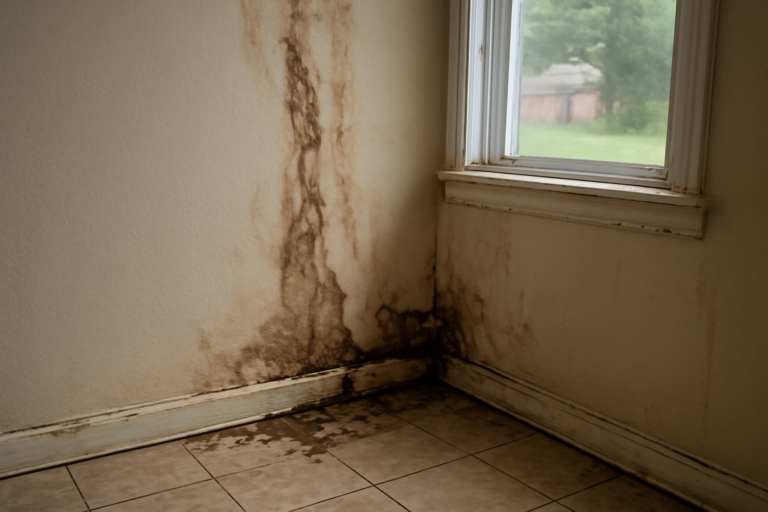
Visible discoloration or rings on your walls or ceilings, particularly near the foundation or floor, point to water intrusion. These stains are a direct result of water compromising the materials. Look for water marks after heavy rain.
Efflorescence on Walls
This is a white, powdery substance that appears on concrete or masonry surfaces. It’s caused by water seeping through the material and leaving dissolved salts behind as it dries. Check for powdery residue on concrete.
Increased Humidity Levels
If your basement feels unusually damp or clammy, even when it’s not raining, it could be due to groundwater issues affecting your foundation. Monitor indoor humidity, especially in lower levels.
Hydrostatic Pressure Water Damage Restoration vs. DIY: When To Call a Professional
| Situation | DIY? | Call a Pro? | Why |
|---|---|---|---|
| Minor dampness on basement floor after a heavy rain | Yes, if it dries quickly and no other signs appear. | Yes, if it persists for more than 24-48 hours or is accompanied by other symptoms. | Persistent dampness indicates ongoing water intrusion that DIY methods may not fully resolve. |
| Standing water up to an inch deep in a basement | No. | Yes, immediately. | Large volumes of water require professional extraction equipment to prevent widespread damage and mold. |
| Visible cracks in foundation walls | No. | Yes, immediately. | Cracks are direct entry points for water; professional assessment is needed to determine the cause and repair strategy. |
| Musty odors in the basement or crawl space | No, not for the odor itself. | Yes. | Odors indicate underlying moisture and potential mold growth that needs professional identification and remediation. |
| Water stains or efflorescence on walls | No. | Yes. | These are signs of water wicking through materials, requiring specialized drying and possibly repair to the foundation. |
| Concerns about structural integrity of foundation | No. | Yes, absolutely. | Structural damage is a serious safety hazard that needs expert evaluation and repair. |
While small, isolated incidents might be manageable with DIY efforts, any significant water intrusion, persistent dampness, or signs of structural compromise due to hydrostatic pressure demand professional attention. Our team has the specialized equipment and expertise to handle these complex issues safely and effectively, protecting your investment.
Hydrostatic Pressure Water Damage Restoration Cost In Tyrone, GA
The cost of hydrostatic pressure water damage restoration in Tyrone, GA, can vary significantly. Factors like the size of the affected area, the amount of water present, and the complexity of the foundation issues all play a role. These figures are intended as estimates to give you a general idea. Accurate pricing requires an assessment of your specific situation.
| Service | Typical Price Range | What Affects Cost |
|---|---|---|
| Water Extraction | $500 – $2,500 | Volume of water, accessibility of the area, and time required. |
| Structural Drying & Dehumidification | $1,000 – $5,000+ | Size of the affected space, humidity levels, and duration of drying needed. |
| Mold Inspection & Prevention | $300 – $1,500 | Size of the area inspected and any necessary non-invasive treatments. |
| Odor Removal | $200 – $800 | Severity of the odor and the type of treatment required. |
| Minor Foundation Crack Repair (as part of restoration) | $500 – $2,000 | Size and depth of the crack, and the repair material used. |
| Emergency Service Call | $150 – $500 (plus service costs) | Time of day, day of the week, and distance traveled. |
These ranges reflect the specialized equipment and expertise involved in properly addressing hydrostatic pressure water damage. For a precise quote tailored to your property’s needs, schedule your free estimate with our local team.
Service Areas Near Tyrone, GA
Fayetteville, Peachtree City, Newnan, Riverdale, Jonesboro, Hampton, McDonough, Stockbridge, Morrow, Forest Park, Atlanta, East Point, Union City, Palmetto, Brooks, Senoia, Tyrone, Lithia Springs, Douglasville, Austell.
Common Questions About Hydrostatic Pressure Water Damage Restoration
What is hydrostatic pressure and how does it affect my home?
Hydrostatic pressure is the force exerted by standing water, typically in saturated soil around your foundation. When this pressure exceeds the strength of your basement walls or floor, water can be forced through even tiny cracks or pores. This can lead to leaks, dampness, and potentially structural damage over time. We help by removing the water and drying out your home, then assessing for necessary repairs.
How quickly do I need to address hydrostatic pressure water damage?
You need to act as quickly as possible. Water can spread rapidly, saturating building materials and creating an environment ripe for mold growth within 24-48 hours. The longer you wait, the more extensive and costly the damage becomes, impacting your home’s structure and air quality. Prompt action saves money and prevents bigger issues.
Is hydrostatic pressure water damage covered by homeowner’s insurance?
Coverage varies greatly depending on your specific policy. Most standard policies cover damage from sudden and accidental water discharge, like a burst pipe. Damage from gradual seepage or groundwater, which hydrostatic pressure often involves, may not be covered unless you have a specific endorsement or rider. It’s always best to review your policy or contact your insurance provider.
How long does the hydrostatic pressure water damage restoration process take?
The timeline depends heavily on the severity of the water intrusion and the size of the affected area. Water extraction might take a day or two, but thorough drying and dehumidification can take anywhere from several days to over a week. We work efficiently to restore your home while ensuring it’s properly dried, looking for complete moisture removal.
Can I prevent hydrostatic pressure water damage?
Yes, you can take steps to minimize the risk. Ensure your gutters are clean and downspouts direct water away from your foundation. Maintain proper grading around your home so water slopes away from the house. Consider installing a sump pump if you live in an area prone to high groundwater levels. These preventative measures can significantly reduce the likelihood of hydrostatic pressure issues, and we can offer advice on keeping your foundation dry.
Check Our Other Relevant Services

Jerry Johns is a licensed Damage Restoration Expert with over 20 years of hands-on experience helping homeowners and businesses navigate property crises. As a trusted authority in the field, Jerry combines technical precision with a compassionate approach to disaster recovery.
𝗖𝗲𝗿𝘁𝗶𝗳𝗶𝗰𝗮𝘁𝗶𝗼𝗻𝘀: Jerry holds multiple elite IICRC certifications, including Water Damage Restoration (WRT), Applied Microbial Remediation (Mold), Applied Structural Drying (ASD), Odor Control, and Fire and Smoke Restoration.
𝗙𝗮𝘃𝗼𝗿𝗶𝘁𝗲 𝗣𝗮𝘀𝘁𝗶𝗺𝗲: When he isn’t on a job site, Jerry is an avid outdoorsman who enjoys fly fishing and restoring vintage woodworking tools.
𝗕𝗲𝘀𝘁 𝗣𝗮𝗿𝘁 𝗼𝗳 𝘁𝗵𝗲 𝗝𝗼𝗯: Jerry finds the most fulfillment in seeing the relief on a client’s face when their property is finally restored to its pre-loss condition, turning a stressful disaster into a fresh start.