Trusted by 165+ Homeowners
Hydrostatic Pressure Water Damage Restoration in Vinings, GA
- Over 165 5-Star Reviews
- Free Estimates and Quotes
- 100% Satisfaction Guaranteed
- Child, Family & Pet Safe Steps
- 24-Hour Emergency Service
- Fully Licensed & Insured

When Water Pushes Back: Hydrostatic Pressure Water Damage Restoration in Vinings, GA
You’re walking through your basement or crawl space, and you notice it. A damp patch on the wall, a strange pooling of water on the floor, or maybe just that heavy, earthy smell that wasn’t there before. This isn’t just a leaky pipe; it’s the tell-tale sign of hydrostatic pressure at work, forcing water into your home from the ground up. It’s a serious issue that needs immediate attention to prevent further damage and protect your property in Vinings, GA. Ignoring it can lead to much bigger headaches down the road.
We understand that discovering this kind of damage can be unsettling. That’s why local homeowners trust us to handle it. With over 165 five-star reviews, we’ve built a reputation for being the reliable, knowledgeable team that gets the job done right. You can count on us for expert assessments and effective restoration when hydrostatic pressure causes problems.
- We tackle the root cause of water intrusion, not just the surface symptoms, to ensure long-term protection for your home.
- Our specialized equipment and trained technicians can extract water from deep within materials, preventing hidden mold growth.
- We focus on restoring structural integrity, ensuring your home is safe and sound after hydrostatic pressure events.
How We Tackle Hydrostatic Pressure Water Damage
Dealing with hydrostatic pressure requires a methodical and scientifically informed approach. It’s not something you can just mop up and forget. When water is forced through your foundation walls or floor, it saturates materials and can compromise the very structure of your home. Our team follows a strict protocol, using advanced tools to not only remove the visible water but also to dry out the affected areas completely. Cutting corners here means you’ll likely be dealing with mold and structural decay sooner rather than later.
1. Initial Inspection and Water Extraction
Our first step is a thorough inspection to pinpoint the entry points and the extent of the water damage. We then deploy powerful extraction equipment, like truck-mounted vacuums and submersible pumps, to remove standing water as quickly as possible. This initial extraction is crucial for preventing further saturation and the spread of contamination. We’ll be working to remove bulk water.
2. Moisture Detection and Assessment
Once the standing water is gone, we use specialized meters to measure moisture levels deep within your walls, floors, and structural components. This allows us to identify all affected areas, even those hidden from view. Understanding the precise moisture content helps us create an effective drying plan. We need to know exactly where the moisture is.
3. Controlled Drying and Dehumidification
We set up industrial-grade dehumidifiers and air movers to control humidity levels and promote rapid drying. These units work continuously to pull moisture from the air and materials, creating an environment conducive to drying. This process is carefully monitored to ensure materials dry evenly and safely. Our goal is complete structural drying.
4. Containment and Air Quality Management
To prevent the spread of mold spores and contaminants, we often set up containment barriers. This isolates the affected area and ensures that drying equipment only works within that zone, improving efficiency and safety. We also use air scrubbers to purify the air, removing any airborne particles. Maintaining healthy indoor air is a top priority.
5. Restoration and Reconstruction
After everything is thoroughly dried and tested, we begin the restoration process. This might involve repairing or replacing damaged drywall, flooring, or insulation. Our aim is to return your property to its pre-loss condition, ensuring it’s safe and structurally sound. We’ll focus on restoring your property.
Don’t let hydrostatic pressure turn into a long-term problem. Call us today to get a professional assessment and start the restoration process immediately. We’re ready to help you secure your home.

Warning Signs You Need Hydrostatic Pressure Water Damage Restoration
Catching hydrostatic pressure issues early can save you a significant amount of money and prevent the extensive damage that can occur over time. These warning signs are your home’s way of telling you something is wrong. Ignoring them could lead to serious structural problems and health hazards. We’ve seen it all around the area, and these are the red flags to watch for.
Musty Odors That Won’t Go Away
A persistent damp, earthy, or mildewy smell, especially in your basement or lower levels, is a strong indicator of hidden moisture. This odor often signals that mold and mildew are already starting to grow due to water intrusion. It’s a clear sign of moisture.
Visible Water Stains or Discoloration
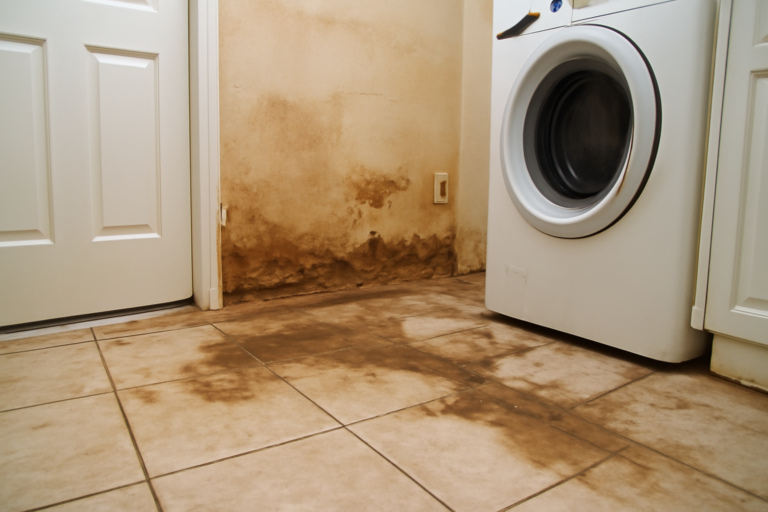
Look for brown or yellow stains on your basement walls, especially near the floor or where walls meet the foundation. These marks indicate that water has been seeping through the concrete and carrying minerals with it. This is direct evidence of leaks.
Cracks or Gaps in the Foundation
Even small hairline cracks in your foundation walls or floor can become entry points for groundwater. Hydrostatic pressure can widen these cracks over time, allowing more water to enter your home. Inspecting for foundation vulnerabilities is key.
Efflorescence on Walls
You might notice a white, powdery residue on your concrete walls. This is called efflorescence, and it’s caused by water passing through the concrete, dissolving salts, and then evaporating, leaving the salts behind. It’s a visual indicator of water movement.
Peeling or Bubbling Paint and Wallpaper
When moisture gets behind your finishes, it can cause paint to peel or bubble and wallpaper to detach from the walls. This is a direct result of water compromising the adhesive and the substrate. Watch for deteriorating wall finishes.
Increased Humidity Levels
If your basement or lower levels consistently feel damp and humid, even when the weather outside isn’t particularly wet, it could be due to groundwater seeping in. High humidity can also lead to condensation on pipes and surfaces. You might notice sticky air indoors.
Hydrostatic Pressure Water Damage Restoration vs. DIY: When To Call a Professional
| Situation | DIY? | Call a Pro? | Why |
|---|---|---|---|
| Minor dampness on a basement wall after heavy rain | Yes, monitor closely | Yes, if persistent | Small issues can indicate larger problems with your drainage or foundation. |
| Standing water in a small area (e.g., a few square feet) | Yes, with a wet/dry vac and fans | Yes, if water is more than an inch deep | Deep water requires professional extraction to prevent sub-surface saturation. |
| Visible cracks in foundation walls with water seeping through | No | Yes, immediately | Foundation cracks are serious structural issues requiring specialized repair and water management. |
| Musty odors and visible mold growth on walls | No | Yes, immediately | Mold remediation requires specific safety protocols and equipment to prevent health risks. |
| Water pooling consistently after every rain event | No | Yes, immediately | This indicates a significant, ongoing hydrostatic pressure issue that needs professional assessment and mitigation. |
| Dampness causing peeling paint or damaged flooring | No | Yes, immediately | Water damage often goes deeper than surface finishes, requiring professional drying to prevent rot. |
While minor dampness might be manageable with DIY steps, anything involving standing water, foundation issues, or persistent moisture requires professional intervention. Our team has the specialized equipment and expertise to handle the complexities of hydrostatic pressure water damage effectively and safely. We ensure thorough drying and lasting repairs.
Hydrostatic Pressure Water Damage Restoration Cost In Vinings, GA
The cost for hydrostatic pressure water damage restoration in Vinings, GA can vary widely. Factors like the size of the affected area, the depth of the water, the extent of structural damage, and the complexity of the foundation all play a role. These figures are estimates to give you a general idea of what to expect.
| Service Aspect | Typical Price Range | What Affects Cost |
|---|---|---|
| Water Extraction (per sq ft) | $0.50 – $2.00 | Depth of water and accessibility of the area. |
| Moisture Assessment & Testing | $200 – $500 | The number of readings and complexity of the structure. |
| Structural Drying (Dehumidification/Air Movers) | $500 – $3,000+ | Duration of drying needed and number of units required. |
| Containment Setup | $200 – $600 | Size of the area being contained and materials used. |
| Minor Wall/Floor Repair | $300 – $1,500 | Extent of damage to drywall, subflooring, or concrete. |
| Mold Remediation (if necessary) | $500 – $5,000+ | Amount of mold present and the area affected. |
For an accurate estimate tailored to your specific situation, we offer free on-site assessments. Contact us today to schedule a visit and get a clear understanding of the restoration costs for your property. We’ll provide a detailed, transparent quote.
Service Areas Near Vinings, GA
Atlanta, Smyrna, Marietta, Sandy Springs, Roswell, Dunwoody, Brookhaven, Chamblee, Decatur, Duluth, Johns Creek, Suwanee, Norcross, Peachtree Corners, Stockbridge, McDonough, Fayetteville, Newnan, Douglasville, Hiram.
Common Questions About Hydrostatic Pressure Water Damage Restoration
What causes hydrostatic pressure in a home’s foundation?
Hydrostatic pressure occurs when water accumulates in the soil around your foundation, creating a force that pushes against your walls and floor. This buildup is often caused by poor drainage, heavy rainfall, or changes in groundwater levels. Our team uses specialized tools to detect and manage this pressure, ensuring your home is protected from water intrusion.
How long does hydrostatic pressure water damage restoration typically take?
The timeline can vary significantly, but a typical restoration project can take anywhere from a few days to a couple of weeks. This depends on the severity of the water damage, the size of the affected area, and how quickly materials can dry. We use advanced drying techniques to expedite the drying process as much as possible.
Is hydrostatic pressure water damage dangerous to my health?
Yes, it can be. The damp conditions created by hydrostatic pressure are ideal for mold and mildew growth, which can release spores into the air. Inhaling these spores can cause respiratory problems and allergic reactions. We take health risks seriously and implement strict containment and air purification measures to ensure a safe and healthy environment.
What equipment do you use to dry out a home affected by hydrostatic pressure?
We utilize a range of professional-grade equipment, including high-capacity water extractors, industrial dehumidifiers, powerful air movers, and moisture meters. These tools allow us to remove standing water efficiently, reduce humidity levels, and dry out structural materials thoroughly. Our equipment ensures effective and complete drying.
Can I prevent hydrostatic pressure water damage in the future?
Preventative measures are key. Ensuring proper grading around your home so water slopes away from the foundation, maintaining clean gutters and downspouts, and considering a sump pump or foundation waterproofing system can significantly reduce the risk. We can also provide assessments to identify potential weak points and offer advice on long-term water damage prevention.
Check Our Other Relevant Services

Jerry Johns is a licensed Damage Restoration Expert with over 20 years of hands-on experience helping homeowners and businesses navigate property crises. As a trusted authority in the field, Jerry combines technical precision with a compassionate approach to disaster recovery.
𝗖𝗲𝗿𝘁𝗶𝗳𝗶𝗰𝗮𝘁𝗶𝗼𝗻𝘀: Jerry holds multiple elite IICRC certifications, including Water Damage Restoration (WRT), Applied Microbial Remediation (Mold), Applied Structural Drying (ASD), Odor Control, and Fire and Smoke Restoration.
𝗙𝗮𝘃𝗼𝗿𝗶𝘁𝗲 𝗣𝗮𝘀𝘁𝗶𝗺𝗲: When he isn’t on a job site, Jerry is an avid outdoorsman who enjoys fly fishing and restoring vintage woodworking tools.
𝗕𝗲𝘀𝘁 𝗣𝗮𝗿𝘁 𝗼𝗳 𝘁𝗵𝗲 𝗝𝗼𝗯: Jerry finds the most fulfillment in seeing the relief on a client’s face when their property is finally restored to its pre-loss condition, turning a stressful disaster into a fresh start.