Trusted by 165+ Homeowners
Insulation Water Damage Restoration in Alpharetta, GA
- Over 165 5-Star Reviews
- Free Estimates and Quotes
- 100% Satisfaction Guaranteed
- Child, Family & Pet Safe Steps
- 24-Hour Emergency Service
- Fully Licensed & Insured

Don’t Let Damp Insulation Ruin Your Alpharetta Home
When the Georgia humidity lingers, or a leaky pipe decides to make a surprise appearance, your insulation can quickly become a soggy mess. Around here, we know that humid summers and the occasional heavy rain can create the perfect storm for moisture buildup in your home’s critical areas. Ignoring damp insulation isn’t just about a musty smell; it’s about protecting your property from long-term structural damage and preventing unhealthy mold growth. We’re here to help you tackle insulation water damage head-on.
We’ve earned the trust of over 165 homeowners in your neighborhood, and they choose us specifically for handling insulation water damage. Why? Because we understand the unique challenges our local climate presents and we’ve developed a reliable, methodical approach to restoring your insulation. You can count on our team to bring expertise and care to your property when you need it most.
- We focus on efficient drying and dehumidification to prevent mold and mildew from taking root in your insulation, safeguarding your family’s health.
- Our process ensures your insulation is restored to its optimal R-value, maintaining your home’s energy efficiency and keeping your utility bills down.
- We provide thorough inspection and remediation to identify the source of the water and ensure all affected materials are properly addressed, preventing future issues.
How We Tackle Insulation Water Damage
When water finds its way into your insulation, it’s more than just an inconvenience. It’s a problem that needs a swift and expert response to prevent escalating issues like mold, rot, and diminished insulation performance. Our team follows a detailed protocol designed to identify the extent of the damage, extract moisture, and thoroughly dry your insulation, all while minimizing disruption to your home. We believe in doing the job right the first time, ensuring your home is safe and comfortable again.
Step 1: Initial Assessment and Water Source Identification
Our first priority is to understand exactly what happened. We’ll carefully inspect the affected areas, looking for signs of water intrusion and, most importantly, identifying the source of the leak. This might involve checking plumbing, roof integrity, or exterior drainage. Pinpointing the origin of the water damage is critical for preventing recurrence.
Step 2: Water Extraction and Moisture Removal
Once the source is stopped, we get to work removing any standing water. We use specialized equipment like powerful extractors. Then, we begin the crucial process of drying out saturated materials. This step is vital to prevent further damage and mold growth.
Step 3: Advanced Drying and Dehumidification
This is where we really get to work on your insulation. We deploy industrial-grade air movers and dehumidifiers. These machines work tirelessly to circulate air and pull moisture out of the environment. Our goal is to reduce humidity levels significantly, drying your insulation and surrounding structures to safe, healthy levels. This can take several days, depending on the severity.
Step 4: Mold Prevention and Treatment
Damp insulation is a breeding ground for mold. As part of our drying process, we’ll carefully inspect for any signs of mold growth. If any is found, we’ll use specialized antimicrobial treatments to safely remove it and prevent it from spreading. Your home’s health is our top concern.
Step 5: Insulation Inspection and Restoration
After everything is dry, we’ll assess the condition of your insulation. Depending on the type of insulation and the extent of the water damage, it may need to be cleaned, treated, or replaced. We’ll discuss the best options for restoring your insulation’s effectiveness and ensuring your home remains energy-efficient.
Don’t let water damage linger in your insulation. Call us today to get a professional assessment and swift action.

Warning Signs You Need Insulation Water Damage Restoration
Catching water damage in your insulation early can save you a lot of trouble and expense down the line. Sometimes, the signs are subtle, but they’re your home’s way of telling you something’s wrong. Staying vigilant can help you prevent more serious structural issues and costly repairs.
Musty Odors That Won’t Go Away
A persistent, damp, or musty smell, especially in attics, basements, or crawl spaces, is a strong indicator of hidden moisture. This smell often means mold or mildew is developing. Don’t just mask the odor; find its source.
Visible Water Stains or Discoloration
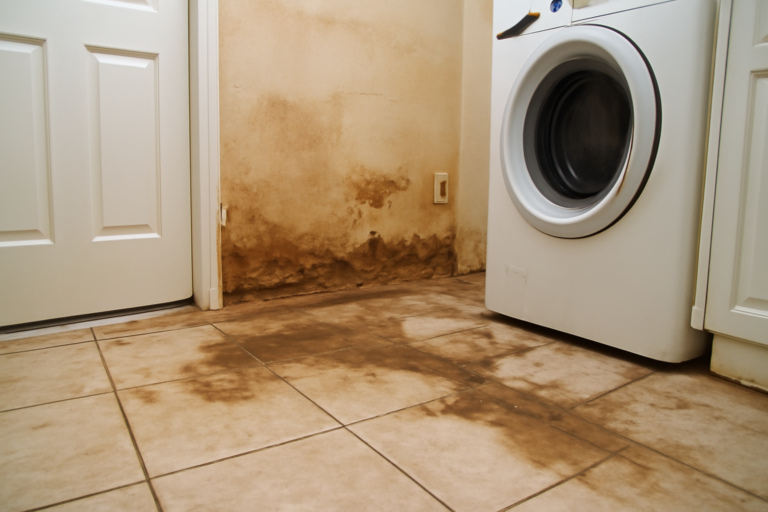
Look for brown or yellowish stains on your ceilings, walls, or around vents. These are often the first visible signs of a leak that has saturated your insulation. Prompt attention is key.
Sagging or Drooping Insulation
When insulation gets wet, it loses its loft and can start to sag or even fall away from the joists. Damaged insulation performs poorly, leading to higher energy bills. This visual cue demands an inspection.
Increased Humidity Levels Indoors
If your home feels unusually damp or humid, even when your air conditioning is running, the insulation might be holding excess moisture. This can create an uncomfortable living environment. Check for hidden moisture sources.
Peeling or Bubbling Paint and Wallpaper
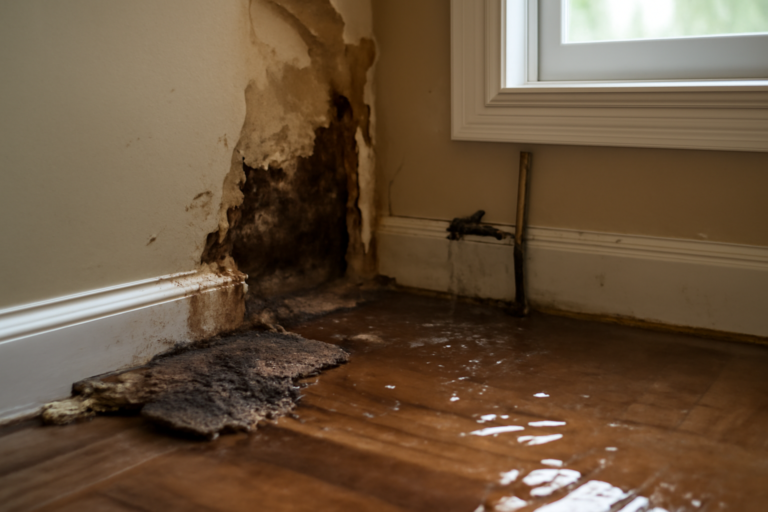
Moisture trapped behind your walls can cause paint to peel or wallpaper to bubble. This indicates water is compromising your home’s finishes. It’s a clear sign of underlying water issues.
Mold or Mildew Growth
Any visible signs of mold or mildew, even small patches, in or around your insulation are serious. This means there’s been sustained moisture present, and professional remediation is needed.
Insulation Water Damage Restoration vs. DIY: When To Call a Professional
| Situation | DIY? | Call a Pro? | Why |
|---|---|---|---|
| Small, recent spill on attic insulation | Yes, with caution | No | You can often dry small areas carefully with fans and dehumidifiers yourself. |
| Suspected leak from plumbing in walls | No | Yes | Locating hidden leaks requires specialized tools and knowledge to avoid further damage. |
| Large area of saturated insulation after roof leak | No | Yes | Professional equipment is needed to extract water and dry the space effectively and safely. |
| Musty odors and visible mold on insulation | No | Yes | Mold remediation requires specific safety protocols and treatments to ensure complete removal. |
| Insulation damaged by sewage backup | Absolutely Not | Yes | Sewage contains dangerous pathogens and requires specialized hazardous material cleanup procedures. |
| General dampness in basement insulation | Maybe, for minor cases | Yes, if persistent | Persistent dampness suggests a larger issue like foundation leaks or poor drainage that needs expert assessment. |
While minor, isolated damp spots might be manageable with DIY efforts, significant water saturation or suspected mold growth definitely warrants professional attention. Our crews have the specialized equipment and training to handle these complex situations safely and effectively.
Insulation Water Damage Restoration Cost In Alpharetta, GA
The cost of insulation water damage restoration in Alpharetta, GA, can vary significantly. Factors like the size of the affected area, the type of insulation, the extent of saturation, and the duration of the water exposure all play a role. These figures are estimates to give you a general idea, not a guaranteed quote.
| Service | Typical Price Range | What Affects Cost |
|---|---|---|
| Moisture Assessment and Inspection | $200 – $700 | Complexity of the area and need for specialized tools to detect hidden moisture. |
| Water Extraction (per affected area) | $500 – $2,000 | Volume of water to be removed and accessibility of the saturated insulation. |
| Drying and Dehumidification (per day/zone) | $300 – $1,000 | Size of the space requiring drying, number of machines needed, and drying duration. |
| Mold Prevention/Treatment (if needed) | $400 – $2,500+ | Severity of mold growth and the size of the treated area. |
| Insulation Removal and Disposal | $500 – $2,000 | Amount of insulation to be removed and ease of access to the contaminated material. |
| New Insulation Installation (material cost varies) | $1,000 – $5,000+ | Type of insulation chosen (fiberglass, cellulose, spray foam) and square footage to be covered. |
A detailed on-site evaluation is the only way to get an accurate estimate for your specific situation. We offer free consultations and estimates for insulation water damage concerns.
Service Areas Near Alpharetta, GA
Atlanta, Sandy Springs, Roswell, Marietta, Johns Creek, Duluth, Norcross, Suwanee, Milton, Cumming, Canton, Woodstock, Kennesaw, Acworth, Smyrna, Vinings, Dunwoody, Brookhaven, Chamblee, Doraville.
Common Questions About Insulation Water Damage Restoration
How quickly does mold grow in wet insulation?
Mold can begin to grow in as little as 24 to 48 hours in damp conditions, especially within insulation. The longer wet insulation sits, the higher the risk of mold contamination. That’s why it’s crucial to address any water intrusion promptly. Our team works fast to begin the drying process and mitigate mold growth.
What should I do if I find water in my attic insulation?
First, try to identify and stop the source of the leak if it’s safe to do so. Then, if you can safely access it and it’s a small amount, you might use fans to encourage drying. However, for anything more than a minor damp spot, it’s best to contact professionals immediately. We have specialized equipment to safely and effectively dry out your attic insulation and prevent further damage.
Will my homeowner’s insurance cover insulation water damage?
Typically, homeowner’s insurance covers water damage caused by sudden and accidental events, like a burst pipe or a storm. Damage from slow leaks or poor maintenance might not be covered. We recommend reviewing your policy and contacting your insurance provider to understand your coverage. We can work with your adjuster to document the damage and the necessary restoration work.
How long does it take to dry out insulation after water damage?
The drying time can vary greatly, usually taking anywhere from 24 hours to several days, sometimes even a week or more. It depends on how much insulation is affected, the type of insulation, and the effectiveness of the drying equipment used. Our technicians use advanced drying techniques and monitoring to ensure your insulation is thoroughly dried to safe levels.
Can I just leave damp insulation in place?
No, you should never leave damp insulation in place. It significantly reduces its insulating properties, leading to higher energy bills and reduced comfort. More importantly, it creates a breeding ground for mold and mildew, which can cause serious health problems and damage your home’s structure. We always recommend professional assessment and remediation to restore your insulation’s integrity and your home’s health.
Check Our Other Relevant Services
Serving Alpharetta, GA And Nearby Areas