Trusted by 165+ Homeowners
Insulation Water Damage Restoration in Cumming, GA
- Over 165 5-Star Reviews
- Free Estimates and Quotes
- 100% Satisfaction Guaranteed
- Child, Family & Pet Safe Steps
- 24-Hour Emergency Service
- Fully Licensed & Insured

Don’t Let Damp Insulation Ruin Your Home in Cumming, GA
When those humid Georgia summers hit, or a leaky pipe decides to make an unexpected appearance, your attic or walls can quickly become a breeding ground for trouble. We often see homeowners in Cumming, GA dealing with insulation that’s soaked from heavy rains or even minor appliance malfunctions. It’s not just about a wet mess; it’s about protecting your home’s structural integrity and your family’s health. Ignoring damp insulation is a sure way to invite bigger, more expensive problems down the line, like mold growth and warped framing.
Locally, homeowners trust our team to handle insulation water damage with the care and expertise it demands. With over 165 five-star reviews from your neighbors, you know you’re getting a team that’s dedicated to getting it right. We understand the unique challenges our area faces, and we’re here to provide effective, reliable restoration when you need it most.
- We focus on preventing long-term mold and mildew growth by thoroughly drying and treating your insulation, safeguarding your indoor air quality.
- Our team uses specialized equipment to extract moisture from deep within insulation materials, a task that’s impossible for DIY efforts.
- We offer guidance on identifying the source of the water intrusion to help you prevent future damage and costly repairs.
How We Tackle Insulation Water Damage
Dealing with wet insulation isn’t a job for amateurs. A proper restoration process is crucial to ensure all moisture is removed and the insulation can be safely dried or replaced. When corners are cut, it often leads to lingering dampness, which is the perfect environment for mold to thrive and can compromise the insulation’s R-value, making your home less energy-efficient. Our approach is methodical, ensuring we address the problem thoroughly from start to finish, protecting your investment.
Initial Water Assessment and Containment
First, we’ll carefully assess the extent of the water damage to your insulation. Identifying the water source is our top priority, whether it’s a roof leak, plumbing issue, or condensation. We’ll then set up containment barriers to prevent the moisture from spreading further into unaffected areas of your home.
Moisture Extraction
This is where specialized equipment comes into play. We use powerful extraction tools, including high-capacity water pumps and dehumidifiers, to remove as much standing water and residual moisture from the insulation as possible. This stage is critical for preventing secondary damage and can take several hours to a few days depending on the saturation level.
Drying and Dehumidification
Once the bulk of the water is out, we deploy industrial-grade air movers and dehumidifiers. These machines work tirelessly to circulate air and pull moisture out of the atmosphere and materials. This drying process is essential and can take anywhere from 24 hours to several days, depending on the size of the affected space and humidity levels.
Insulation Removal and Replacement (If Necessary)
In many cases, especially with fiberglass or mineral wool insulation, if it becomes heavily saturated, it may need to be removed and replaced to ensure proper performance and prevent mold. We handle this carefully, disposing of contaminated materials safely and installing new insulation that meets your home’s needs. This step is vital for restoring your home’s energy efficiency and comfort.
Odor Control and Final Inspection
Damp insulation can lead to unpleasant odors. We use professional-grade air scrubbers and deodorizing treatments to eliminate any musty smells. Before we consider the job done, our team conducts a thorough inspection, often using moisture meters, to confirm that the insulation and surrounding materials are completely dry and the problem is resolved.
Don’t let damp insulation become a persistent problem. Contact our team today for a thorough assessment and let us restore your home’s comfort and safety.

Warning Signs You Need Insulation Water Damage Restoration
Catching insulation water damage early can save you a lot of headaches and money. Your home often gives you clues that something isn’t right, and being aware of these signs can make a huge difference. Ignoring them can lead to much bigger issues, including structural damage and unhealthy living conditions.
Musty Odors That Won’t Go Away
A persistent, musty smell, especially in attics, basements, or wall cavities, is a strong indicator of trapped moisture and potential mold growth within your insulation. This smell can become increasingly noticeable over time.
Visible Water Stains or Discoloration
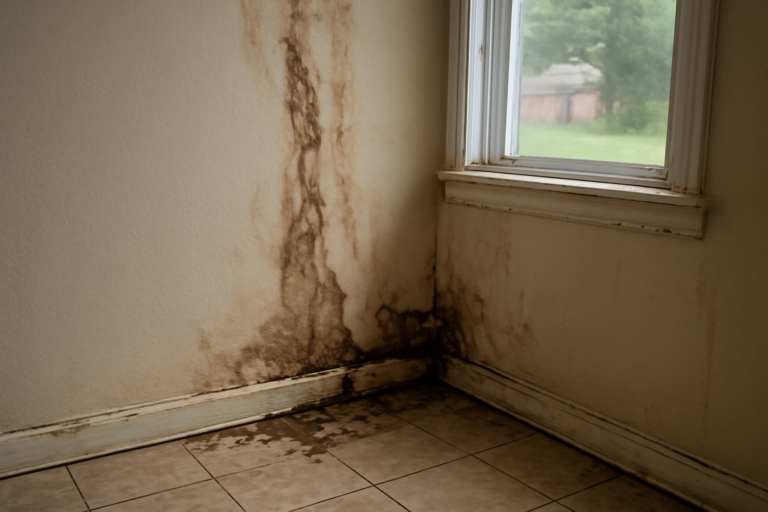
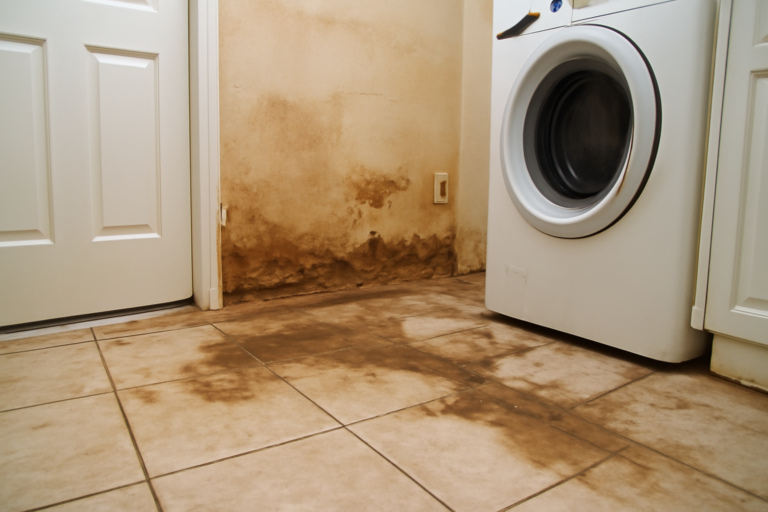
Look for dark spots or water rings on ceilings, walls, or around vents. These stains mean water has penetrated the surface and is likely saturating the insulation behind it, causing significant material damage.
Sagging or Clumpy Insulation
When insulation gets wet, its structure breaks down. You might notice it sagging, clumping, or appearing heavier than usual in certain areas, indicating it’s waterlogged and losing its effectiveness, leading to higher energy bills.
Increased Humidity Levels Indoors
If your home feels unusually damp, or you’re seeing more condensation on windows, it could be a sign that saturated insulation is contributing to higher indoor humidity. This can make your HVAC system work harder and lead to uncomfortable living conditions.
Mold or Mildew Growth
Visible patches of mold or mildew, often appearing as black, green, or white fuzzy spots, are a serious health hazard and a clear sign of prolonged moisture. This requires immediate professional attention to prevent health issues.
Higher Energy Bills
Wet insulation loses its ability to trap air effectively, meaning your heating and cooling systems have to work overtime to maintain a comfortable temperature. A sudden spike in your energy costs could point to compromised insulation, potentially due to water damage, impacting your monthly budget.
Insulation Water Damage Restoration vs. DIY: When To Call a Professional
| Situation | DIY? | Call a Pro? | Why |
|---|---|---|---|
| Minor condensation on attic vents | Yes, monitor closely. | Yes, if persistent. | DIY is fine for observation, but consistent moisture needs professional assessment. |
| Small, isolated wet spot from a minor leak | Maybe, with caution. | Yes, if unsure. | Proper drying and potential mold prevention are key; professionals ensure it’s done right. |
| Insulation is visibly soaked through and heavy | No, absolutely not. | Yes, immediately. | This level of saturation requires specialized equipment for effective drying and potential removal. |
| Musty odors detected in multiple rooms | No, don’t guess. | Yes, immediately. | Odors indicate hidden moisture and potential mold, which needs professional remediation. |
| Suspected mold growth on insulation | No, for safety reasons. | Yes, immediately. | Mold spores can be harmful; professionals have the protective gear and methods to handle it safely. |
| Water damage after a significant storm or pipe burst | No, too extensive. | Yes, immediately. | Large-scale water intrusion demands rapid response and advanced drying techniques to prevent long-term damage. |
While minor moisture issues might seem manageable, anything beyond a small, easily dried spot often requires professional intervention. For significant saturation, suspected mold, or persistent odors, calling our trained technicians is the safest and most effective choice to ensure your home is properly restored.
Insulation Water Damage Restoration Cost In Cumming, GA
The cost for insulation water damage restoration in Cumming, GA can vary widely. Factors like the type of insulation, the extent of water saturation, the size of the affected area, and how quickly we can address the issue all play a role in the final price. These figures are general estimates and a precise quote will be provided after an on-site inspection.
| Service | Typical Price Range | What Affects Cost |
|---|---|---|
| Moisture Assessment and Inspection | $200 – $600 | The complexity of the affected areas and the need for specialized moisture meters. |
| Water Extraction (Minor to Moderate) | $500 – $2,000 | The amount of water to be removed and the time required for extraction. |
| Drying and Dehumidification | $700 – $3,500 | The size of the space, the number of drying units needed, and the duration of the drying process. |
| Insulation Removal (per sq ft) | $1 – $5 | The type of insulation being removed and the labor involved in careful disposal. |
| New Insulation Installation (per sq ft) | $1 – $5 | The R-value and type of insulation chosen, and the complexity of the installation area. |
| Odor Control and Mold Prevention Treatment | $400 – $1,500 | The severity of odors or mold risk and the specific treatment methods required. |
Getting a free estimate is the best way to understand the specific costs for your situation. Our team will provide a clear breakdown after assessing the damage to your insulation and property.
Service Areas Near Cumming, GA
Alpharetta, Suwanee, Johns Creek, Milton, Roswell, Marietta, Duluth, Norcross, Sandy Springs, Atlanta, Buford, Sugar Hill, Lawrenceville, Snellville, Lilburn, Tucker, Chamblee, Doraville, Dunwoody, Woodstock.
Common Questions About Insulation Water Damage Restoration
How quickly do I need to address wet insulation?
You need to act very quickly. Within 24-48 hours, mold can begin to grow on damp insulation, and its structural integrity can be compromised. The longer you wait, the more extensive and costly the damage will become, potentially affecting your home’s health.
Will my homeowner’s insurance cover insulation water damage?
Often, yes, but it depends on the cause of the water damage. Standard policies typically cover sudden and accidental water events, like a burst pipe. Damage from gradual leaks or poor maintenance might not be covered. We can help document the damage for your insurance claim, but it’s best to review your policy or contact your provider directly.
How long does the insulation drying process take?
The drying process can take anywhere from 24 hours to several days. It depends heavily on how much water is present, the type of insulation, the air circulation in the space, and the ambient humidity. Our technicians monitor the drying process closely with specialized equipment to ensure it’s completed effectively.
Is it safe to be in my home with wet insulation?
It’s generally advisable to limit your time in affected areas, especially if mold has started to grow. Wet insulation can harbor bacteria and mold spores, which can impact indoor air quality and lead to respiratory issues. We recommend professional assessment to ensure your family’s safety and home’s health.
Can insulation be dried out, or does it always need replacement?
Whether insulation can be dried out depends on its type and the extent of saturation. Some materials, like fiberglass or mineral wool, may lose their effectiveness and require replacement if heavily waterlogged or if mold develops. We’ll perform a thorough inspection to determine the best course of action for your specific situation, aiming for cost-effective solutions.
Check Our Other Relevant Services
- Downspout Failure Water Damage Restoration in Cumming, GA
- Fire Sprinkler Discharge Cleanup in Cumming, GA
Serving Cumming, GA And Nearby Areas