Trusted by 165+ Homeowners
Insulation Water Damage Restoration in Hampton, GA
- Over 165 5-Star Reviews
- Free Estimates and Quotes
- 100% Satisfaction Guaranteed
- Child, Family & Pet Safe Steps
- 24-Hour Emergency Service
- Fully Licensed & Insured

When Water Invades Your Insulation in Hampton, GA
You walk into the attic, and a faint, damp smell hits you. It’s not just a little musty; it’s a persistent, clammy odor that seems to cling to the air. You see dark streaks on the ceiling below, a tell-tale sign that moisture has found its way into your home’s most vital protective layer. This isn’t just a minor inconvenience; it’s a serious issue that needs immediate attention to prevent further structural damage and mold growth. We understand how unsettling this discovery can be, especially when it involves your home’s insulation, which is critical for energy efficiency and comfort.
Locally, homeowners trust us to handle these specific problems because we don’t cut corners. With over 165 five-star reviews from your neighbors, you can be sure we’re the right choice for getting your insulation dried out properly. We’ve seen it all around here, from minor leaks to significant water intrusion events, and we know exactly what it takes to restore your insulation’s integrity. We focus on expert water removal and thorough drying techniques that address the root cause.
- We use specialized equipment designed to target and extract moisture from dense insulation materials, ensuring a complete drying process that prevents long-term problems.
- Our team understands the science of drying, employing precise methods to monitor humidity levels and temperature, guaranteeing your insulation is returned to a safe, dry state.
- Addressing insulation water damage quickly means protecting your home from costly secondary issues like mold and mildew, which can impact indoor air quality and your family’s health.
The Science Behind Restoring Your Insulation
When water infiltrates your insulation, it’s more than just a wet patch. It compromises the material’s R-value, making your home less energy-efficient, and creates a breeding ground for mold and bacteria. Our approach to insulation water damage restoration is technical and meticulous. We don’t just spray some fans; we implement a scientifically proven drying protocol to ensure every bit of moisture is removed, from the deepest fibers to the surrounding materials. Ignoring even a small amount of residual dampness can lead to significant future problems, so we’re committed to a thorough restoration process.
Initial Water Extraction
Our first step involves removing as much standing water as possible from the affected area. We use powerful, truck-mounted extraction units and specialized wet vacs to pull out bulk water. This is crucial for stopping the damage progression and preparing the insulation for effective drying. We aim to remove bulk water quickly to minimize saturation.
Moisture Assessment and Mapping
Once bulk water is gone, we use advanced moisture meters and thermal imaging cameras to pinpoint exactly how far the water has spread and how deeply it has penetrated the insulation. This detailed assessment allows us to create a targeted drying plan, ensuring no damp spots are missed. We document all readings for accurate drying goals.
Controlled Drying Environment
We then set up a controlled environment using industrial-grade dehumidifiers, air movers, and sometimes specialized drying chambers. These machines work together to lower humidity levels and increase airflow, speeding up evaporation without damaging the insulation fibers. This creates the optimal drying conditions for your specific insulation type.
Monitoring and Verification
Throughout the drying process, our technicians will regularly monitor moisture levels with our meters. We continue drying until the insulation and surrounding materials reach industry-standard dry metrics, verifying that the moisture content is reduced to safe levels. This ensures a long-lasting dry result.
Containment and Odor Control
If mold or mildew has begun to form, or if there’s a risk of it, we’ll use containment barriers to prevent spores from spreading. We also utilize specialized equipment and solutions to neutralize any musty odors, leaving your home smelling fresh and clean. We focus on preventing mold spread and eliminating odors.
Don’t let water-damaged insulation linger; call us now to start the drying process. We’re ready to deploy our equipment and expertise to your property today.

Warning Signs You Need Insulation Water Damage Restoration
Catching water damage in your insulation early is key to preventing more extensive and expensive problems down the line. Often, the signs are subtle at first but can quickly escalate if left unaddressed. Pay close attention to changes in your home, especially in the attic or crawl spaces, as these are common areas for insulation to be located. Recognizing these indicators means you can call for professional help before minor issues become major home repairs.
Musty Odors That Won’t Go Away
A persistent, damp, or musty smell, especially noticeable in upper rooms or the attic, is a strong indicator of trapped moisture. This odor is often the first sign that mold or mildew is starting to grow within your insulation. Ignoring this smell can lead to worsening air quality and mold proliferation.
Visible Water Stains or Dark Spots
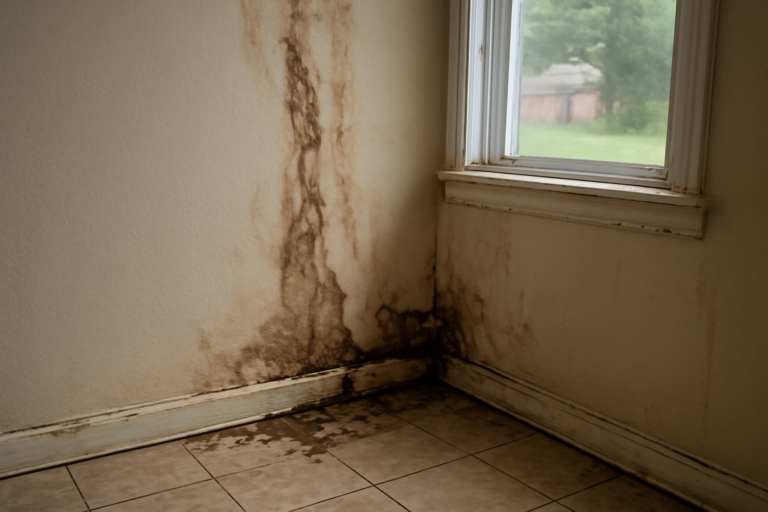
Look for discoloration on ceilings, walls, or directly on the insulation itself. These dark or brown stains mean water has saturated the material and is likely still present. These are clear signs of leaks and require immediate assessment.
Sagging or Compacting Insulation
When insulation gets wet, it loses its loft and can start to sag or compact. If you notice sections of your insulation looking flat, heavy, or like it’s pulling away from the ceiling joists, it’s a definite sign of water saturation. This reduces its effectiveness and indicates water intrusion.
Increased Humidity Levels Indoors
If your home feels unusually humid, even when you’re running your air conditioning, it could be a sign that your insulation isn’t working correctly due to water damage. Damp insulation can’t effectively regulate temperature or humidity. This impacts your comfort and energy bills.
Mold or Mildew Growth
Visible patches of mold or mildew, often appearing as fuzzy green, black, or white spots, are a serious health concern and a direct result of prolonged moisture. If you see any signs of mold, it means the insulation has been wet for too long and requires professional mold remediation alongside drying.
Higher Energy Bills
A sudden, unexplained increase in your heating or cooling costs can be linked to compromised insulation. Wet insulation loses its ability to trap air effectively, forcing your HVAC system to work harder. This drives up energy usage and costs.
Insulation Water Damage Restoration vs. DIY: When To Call a Professional
| Situation | DIY? | Call a Pro? | Why |
|---|---|---|---|
| Small, isolated damp spot on attic insulation from a minor roof leak | Yes, if you can safely access and dry the area thoroughly. | Yes, if you’re unsure of the extent or have difficulty accessing it. | DIY is fine for minor issues, but professionals ensure complete drying and prevent hidden damage. |
| Persistent musty odors throughout the house | No. | Yes, definitely. | Odors indicate underlying mold or significant moisture that DIY methods can’t address safely or effectively. |
| Water stains on ceilings below attic insulation | No. | Yes, immediately. | This suggests a leak that has saturated insulation and potentially drywall, requiring expert assessment and drying. |
| Suspected mold growth on insulation | Absolutely not. | Yes, without delay. | Mold remediation requires specialized containment and cleaning to protect your health and prevent spore spread. |
| Water damage from a burst pipe in a wall cavity with insulation | No. | Yes, immediately. | Accessing and drying insulation within wall cavities requires specialized equipment and expertise. |
| General dampness in a crawl space with batt insulation | Maybe, for very small areas. | Yes, generally. | Crawl spaces are often difficult to access and dry properly, risking long-term mold and structural issues. |
For anything beyond a very minor, easily accessible damp spot, professional intervention is crucial. Our team has the specialized equipment and training to diagnose the extent of the damage and implement a correct drying protocol. This ensures your insulation is restored to its optimal condition, preventing costly secondary issues like mold and structural rot.
Insulation Water Damage Restoration Cost In Hampton, GA
The cost of insulation water damage restoration in Hampton, GA, can vary significantly based on the type and amount of insulation affected, the severity of the water intrusion, and how quickly the issue is addressed. These prices are estimates and can fluctuate. We aim to provide transparent cost estimates once we assess your specific situation.
| Service | Typical Price Range | What Affects Cost |
|---|---|---|
| Moisture Assessment and Mapping | $200 – $750 | The size of the affected area and the complexity of the home’s structure. |
| Industrial Dehumidifier Rental (per day) | $50 – $150 | The number of units needed and the duration of the drying process. |
| Air Mover/Fan Rental (per day) | $30 – $100 | The quantity of equipment required to achieve optimal airflow. |
| Specialized Insulation Drying Equipment | $500 – $3,000+ | The type of insulation (fiberglass, cellulose, spray foam) and the depth of saturation. |
| Mold Testing and Remediation (if necessary) | $500 – $5,000+ | The extent of mold growth and the difficulty of access. |
| Odor Removal Treatments | $200 – $800 | The severity of the odor and the methods required to neutralize it. |
The final cost will depend on a thorough on-site inspection by our technicians. We offer free estimates to give you a clear understanding of the investment needed for complete water damage restoration.
Service Areas Near Hampton, GA
Locally, we serve Hampton, GA, and surrounding communities including Jonesboro, Lovejoy, Stockbridge, McDonough, Locust Grove, Griffin, Fayetteville, Peachtree City, Tyrone, Brooks, Forest Park, Riverdale, Morrow, Conley, Ellenwood, Rex, Lake City, Hampton, Hampton, Hampton.
Common Questions About Insulation Water Damage Restoration
How long does it take to dry out wet insulation?
The drying time for insulation can vary significantly, typically ranging from 24 hours to several days or even a week. Factors like the type of insulation, the amount of water absorbed, and ambient humidity all play a role. We use advanced drying techniques and equipment to expedite the process as much as possible, aiming for efficient moisture removal.
Will my insurance cover insulation water damage?
In many cases, yes, but it depends on the cause of the water damage. Standard homeowner’s insurance typically covers sudden and accidental water damage, like from a burst pipe or severe storm. Damage from gradual leaks or poor maintenance might not be covered. We can help you document the damage for your insurance claim, providing detailed reports for your adjuster.
Is it safe to leave wet insulation in my attic?
Absolutely not. Leaving wet insulation in your attic creates a perfect environment for mold and mildew to grow, which can severely impact your indoor air quality and lead to respiratory problems. It also loses its insulating properties, leading to higher energy bills and potential structural damage over time. We focus on prompt water extraction and drying to prevent these issues.
What kind of equipment do you use to dry insulation?
We utilize a range of professional-grade equipment, including high-powered water extractors, industrial dehumidifiers that pull moisture from the air, and specialized air movers designed to increase airflow and speed evaporation. For certain types of insulation, we might use specialized tools to inject drying air or extract moisture directly. Our goal is thorough drying capabilities and effective moisture control.
Can I prevent water damage to my insulation in the future?
Yes, proactive maintenance is key. Regularly inspect your roof for leaks, ensure gutters are clean and directing water away from your foundation, and check for any plumbing leaks in areas near insulation. Promptly address any signs of water intrusion. We can also assess your home’s current insulation and recommend preventative measures to enhance its resilience.
Check Our Other Relevant Services
Serving Hampton, GA And Nearby Areas