Trusted by 165+ Homeowners
Insulation Water Damage Restoration in Stone Mountain, GA
- Over 165 5-Star Reviews
- Free Estimates and Quotes
- 100% Satisfaction Guaranteed
- Child, Family & Pet Safe Steps
- 24-Hour Emergency Service
- Fully Licensed & Insured

Your Insulation Might Be Holding More Than Just Heat in Stone Mountain, GA
You’re walking through your attic, maybe looking for holiday decorations, and you notice it. A damp spot on the ceiling below, a weird smell that wasn’t there last week. Or perhaps you saw water dripping from your recessed lighting after a heavy rain. That feeling of dread when you realize your home’s insulation has absorbed water is a tough one. Water in your insulation isn’t just an inconvenience; it’s a serious issue that needs immediate attention to prevent further damage. We understand how alarming discovering wet insulation can be, especially here in Stone Mountain, GA.
Locally, homeowners trust our team because we tackle insulation water damage with the precision it demands. We’ve helped hundreds of neighbors in your community deal with this specific problem, and we have over 165 five-star reviews to prove it. When your insulation is compromised by water, you need a team that knows exactly how to dry it out properly. Fast, effective drying is key to preventing mold and structural issues. You can count on us for expert insulation drying.
- We specifically target the trapped moisture within insulation materials, using advanced techniques to extract water that typical drying methods miss.
- Our process helps prevent the growth of mold and mildew, which thrive in damp insulation and can cause significant health problems and structural decay.
- We restore the R-value of your insulation by ensuring it’s completely dry, saving you money on energy bills and maintaining your home’s comfort.
How We Tackle Insulation Water Damage
Dealing with water-logged insulation requires a specialized approach, not just a quick fan and dehumidifier. If insulation isn’t dried correctly, it can remain a source of mold and structural weakening for years. Our team follows strict protocols developed from years of experience and industry best practices to ensure your insulation is dried thoroughly and safely. We use scientific methods, like moisture mapping, to confirm every bit of dampness is gone. Proper drying protocols are crucial for preventing long-term problems. We don’t cut corners; we ensure a complete moisture removal.
Initial Inspection and Assessment
Our technicians will arrive quickly to assess the extent of the water damage to your insulation. We use specialized moisture meters to get precise readings, identifying exactly how saturated the materials are and where the water has spread. This initial step is vital for creating an effective drying plan. Accurate moisture readings guide our entire strategy.
Containment of Affected Areas
To prevent the spread of moisture and potential contaminants, we’ll establish containment barriers. This might involve sealing off certain rooms or sections of your attic. This step is critical for ensuring the drying process is efficient and that your home’s other areas remain unaffected. Effective containment prevents further issues.
Advanced Water Extraction
Depending on the type of insulation and the amount of water, we employ various extraction methods. This could range from specialized pumps for dense insulation to careful manual removal if necessary. Our goal is to remove as much standing water as possible before drying begins. Rapid water extraction is a priority.
Targeted Drying and Dehumidification
This is where our technical expertise truly shines. We use industrial-grade air movers and dehumidifiers specifically positioned to target the wet insulation. We monitor humidity levels and airflow closely, adjusting our equipment as needed to achieve optimal drying conditions. Controlled drying environments are essential. We aim for thorough insulation drying.
Mold Prevention and Remediation
Once the insulation is dry, we conduct a thorough inspection for any signs of mold growth. If mold is present, we have the tools and knowledge to safely remove it and treat the affected areas. We can also apply antimicrobial treatments to inhibit future mold growth. Preventing mold growth is a key outcome.
Don’t let wet insulation linger in your home. Call us immediately to start the drying process and protect your property. We’re ready to help you get your home back to normal, fast.

Warning Signs You Need Insulation Water Damage Restoration
Catching these signs early can save you a lot of money and headaches down the road. Water damage to insulation often starts subtly, but its effects can become severe if left unaddressed. Recognizing these indicators means you can call for professional help before minor issues turn into major problems. Early detection is key to preventing costly repairs. We help homeowners in your neighborhood identify these critical signs.
Musty Odors That Won’t Go Away
A persistent, damp, or musty smell, especially in attics, basements, or walls, is a strong indicator of trapped moisture. This odor is often caused by mold or mildew beginning to grow within the damp insulation. Lingering smells are a red flag.
Visible Water Stains or Discoloration
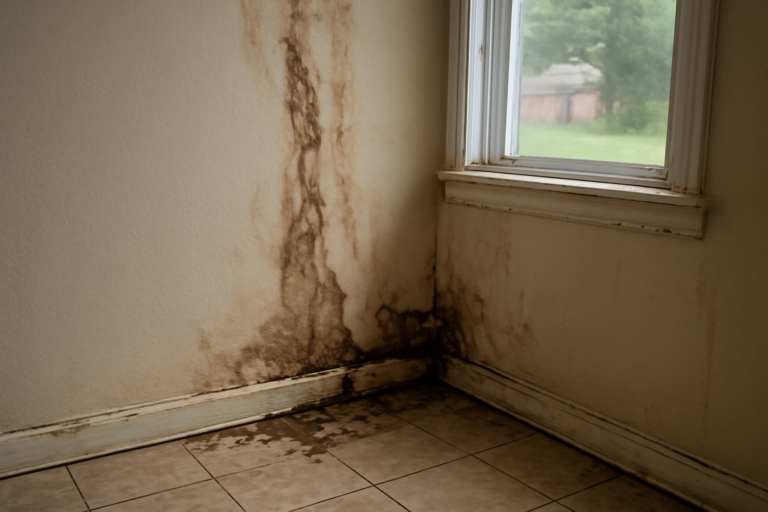
Look for dark spots, rings, or general discoloration on your ceiling, walls, or directly on the insulation material itself. These are clear signs that water has saturated the area and is likely being absorbed by your insulation. Visible water marks demand attention.
Sagging or Clumped Insulation
When insulation gets wet, its structure breaks down. You might notice it sagging away from the rafters or joists, or appearing clumped together in wet areas. This indicates a loss of its insulating properties and potential structural compromise. Compacted insulation loses effectiveness.
Increased Humidity Levels Inside Your Home
If your home feels unusually humid, even when your air conditioning is running, it could be a sign that moisture is being released from wet insulation. This trapped moisture can affect indoor air quality. High indoor humidity is a concern.
Mold or Mildew Growth
Visible patches of mold or mildew, often appearing fuzzy or slimy with colors ranging from green to black, are a definitive sign of a water problem. This is a serious health hazard and requires immediate professional remediation. Mold signifies water intrusion.
Higher Energy Bills
Wet insulation loses its ability to trap air effectively, significantly reducing its R-value. If you notice a sudden spike in your heating or cooling costs, it could be because your insulation is no longer performing as it should due to water damage. Reduced R-value costs money.
Insulation Water Damage Restoration vs. DIY: When To Call a Professional
| Situation | DIY? | Call a Pro? | Why |
|---|---|---|---|
| Small, isolated damp spot on attic insulation after a minor leak. | Maybe | Yes | Assessing the full extent and ensuring complete drying is complex. |
| Suspected mold growth on insulation. | No | Yes | Mold poses serious health risks and requires specialized containment and removal. |
| Widespread water saturation throughout your attic or walls. | No | Yes | Requires industrial drying equipment and expertise to prevent long-term damage. |
| Water damage from a sewage backup. | Absolutely Not | Yes | Extreme health hazard; requires specialized biohazard remediation protocols. |
| Dampness in insulation following a minor roof leak that was immediately repaired. | Possibly | Yes | Professionals can confirm complete drying and check for hidden moisture. |
| Odors only present in one small section of insulation. | Maybe | Yes | A professional can use moisture meters to confirm if the odor source is fully dry. |
While small, minor damp spots might seem manageable, the reality is that insulation holds moisture in ways that are hard to detect without specialized tools. For anything beyond a very minor, quickly addressed issue, calling a professional is the smartest choice. Professional assessment ensures the problem is fully resolved. We provide expert diagnostics and drying.
Insulation Water Damage Restoration Cost In Stone Mountain, GA
The cost for insulation water damage restoration in Stone Mountain, GA, can vary significantly. Factors like the size of the affected area, the type of insulation, the source of the water, and the severity of saturation all play a role. These price ranges are general estimates. Accurate pricing requires an on-site inspection. We offer free, detailed estimates.
| Service | Typical Price Range | What Affects Cost |
|---|---|---|
| Moisture Assessment and Inspection | $300 – $700 | Size of the affected area and complexity of the property. |
| Water Extraction from Insulation | $500 – $2,000 | Amount of water to be extracted and accessibility of the insulation. |
| Drying and Dehumidification of Insulation | $800 – $3,500 | Square footage of insulation, humidity levels, and required drying time. |
| Mold Testing and Inspection | $200 – $500 | Scope of suspected mold growth and number of samples taken. |
| Mold Remediation (if necessary) | $1,000 – $5,000+ | Severity of mold infestation and area requiring treatment. |
| Antimicrobial Treatments | $200 – $600 | Size of the area being treated and type of treatment applied. |
The most accurate way to determine the cost is to have our team perform a thorough inspection of your property. We’ll provide you with a clear, itemized estimate before any work begins. Transparent pricing is part of our commitment to you. We offer affordable restoration services.
Service Areas Near Stone Mountain, GA
Tucker, Decatur, Lilburn, Snellville, Lithonia, Clarkston, Pine Lake, Scottdale, Redan, Avondale Estates, Smoke Rise, Conyers, Belvedere Park, Mountain Park, Ellenwood, North Druid Hills, Emory, Chamblee, Doraville, Sandy Springs
Common Questions About Insulation Water Damage Restoration
How long does it take to dry out wet insulation?
The drying time for insulation can vary greatly, typically ranging from 24 hours to several weeks. It depends on the amount of water, the type of insulation, ambient humidity, and the effectiveness of our drying equipment. We use advanced monitoring to ensure optimal drying conditions are maintained throughout the process. Our goal is always to dry it as quickly and safely as possible.
What are the health risks associated with wet insulation?
Wet insulation is a breeding ground for mold and mildew, which can release spores into your home’s air. Inhaling these spores can trigger allergic reactions, asthma attacks, and other respiratory problems for sensitive individuals. Preventing mold growth is crucial for your family’s health. We take these risks seriously and work to ensure your insulation is not only dry but also free from contaminants.
Will my homeowner’s insurance cover insulation water damage?
Coverage depends entirely on the cause of the water damage. Most policies cover sudden and accidental events like burst pipes or roof leaks. However, damage from slow leaks or poor maintenance might not be covered. Review your policy details carefully. We can help document the damage for your insurance claim, providing detailed reports and photos.
Do I need to remove the insulation after water damage?
Not always. Our specialized drying techniques can often save insulation, especially if addressed quickly. We use moisture meters and advanced equipment to thoroughly dry the material, restoring its R-value and preventing mold. Professional drying saves insulation in many cases. We assess each situation to determine the best course of action, whether it’s drying or replacement.
Can I prevent water damage to my insulation?
Yes, proactive maintenance is key. Regularly inspect your roof, gutters, and plumbing for leaks. Ensure your attic is properly ventilated to prevent condensation. In Stone Mountain, GA, consistent checks after heavy rains are a good idea. Preventative maintenance is the best defense. We also offer services to help identify potential issues before they become major problems.
Check Our Other Relevant Services

Jerry Johns is a licensed Damage Restoration Expert with over 20 years of hands-on experience helping homeowners and businesses navigate property crises. As a trusted authority in the field, Jerry combines technical precision with a compassionate approach to disaster recovery.
𝗖𝗲𝗿𝘁𝗶𝗳𝗶𝗰𝗮𝘁𝗶𝗼𝗻𝘀: Jerry holds multiple elite IICRC certifications, including Water Damage Restoration (WRT), Applied Microbial Remediation (Mold), Applied Structural Drying (ASD), Odor Control, and Fire and Smoke Restoration.
𝗙𝗮𝘃𝗼𝗿𝗶𝘁𝗲 𝗣𝗮𝘀𝘁𝗶𝗺𝗲: When he isn’t on a job site, Jerry is an avid outdoorsman who enjoys fly fishing and restoring vintage woodworking tools.
𝗕𝗲𝘀𝘁 𝗣𝗮𝗿𝘁 𝗼𝗳 𝘁𝗵𝗲 𝗝𝗼𝗯: Jerry finds the most fulfillment in seeing the relief on a client’s face when their property is finally restored to its pre-loss condition, turning a stressful disaster into a fresh start.