Trusted by 165+ Homeowners
Insulation Water Damage Restoration in Vinings, GA
- Over 165 5-Star Reviews
- Free Estimates and Quotes
- 100% Satisfaction Guaranteed
- Child, Family & Pet Safe Steps
- 24-Hour Emergency Service
- Fully Licensed & Insured

Don’t Let Wet Insulation Ruin Your Home: Expert Help in Vinings, GA
If you’ve discovered wet insulation in your attic, walls, or crawl space, it’s easy to feel overwhelmed. Many homeowners in Vinings, GA mistakenly think damp insulation is just an inconvenience, but it’s actually a serious problem that can lead to mold growth and structural damage if not addressed quickly. You might be tempted to just let it dry on its own, but that often isn’t enough to prevent long-term issues that affect your home’s health and your family’s well-being. It’s important to understand that insulation water damage needs immediate, professional attention.
We’ve helped hundreds of homeowners in your neighborhood deal with insulation water damage, and they consistently choose us because we focus on getting your home dry and healthy, fast. Our 165+ five-star reviews speak to our commitment to providing reliable and effective insulation drying services. When you’re facing damp insulation, you need a team that understands the specific challenges and can respond without delay to prevent further harm to your property. We’re here to make this stressful situation as manageable as possible for you.
- Rapid response to contain moisture and prevent mold growth before it takes hold in your insulation and surrounding materials.
- Thorough drying and dehumidification specifically tailored to insulation materials, ensuring they can be salvaged or replaced correctly.
- Expert assessment to identify the water source and repair the leak, stopping future damage and protecting your home’s integrity.
How We Tackle Insulation Water Damage
When water infiltrates your insulation, time is absolutely critical. The longer damp insulation sits, the more likely it is to harbor mold, lose its R-value, and even start to break down structural components. Our team follows a precise, rapid process designed to extract moisture, dry the affected areas completely, and restore your home’s healthy environment. We understand that delays can turn a manageable issue into a much larger, more expensive problem, so our response is always prompt and efficient, minimizing disruption to your life and preventing secondary damages.
1. Emergency Water Extraction
Our first priority is removing any standing water from the affected areas. We use specialized, high-powered extraction equipment designed to pull water out of porous materials like insulation and subflooring. This initial step is crucial for stopping the spread of moisture and preventing further saturation, typically taking a few hours depending on the water volume.
2. Moisture Detection and Assessment
Using advanced moisture meters and thermal imaging cameras, our technicians pinpoint exactly how far the water has spread within your insulation and structural components. This detailed assessment allows us to create a targeted drying plan, ensuring we address every damp spot and avoid missing any areas that could later become a problem, usually completed within an hour or two.
3. Controlled Drying
We set up industrial-grade air movers and dehumidifiers to create an optimal drying environment. These machines work together to accelerate evaporation and remove moisture from the air and materials. This controlled process is vital for effectively drying insulation without causing damage to surrounding surfaces, and can take 1 to 3 days depending on the extent of the saturation.
4. Air Filtration and Purification
As we dry, we also filter the air to remove any airborne mold spores or contaminants that may have been disturbed. This step is essential for ensuring the air quality in your home is safe and healthy after the drying process is complete, usually running equipment for 24-48 hours continuously.
5. Insulation Inspection and Replacement
Once everything is completely dry, our team will carefully inspect the insulation. Depending on the type of insulation and the severity of the water damage, we’ll advise whether it can be safely dried and restored or if it needs to be removed and replaced to prevent future mold growth and ensure proper R-value. This final assessment typically takes a few hours.
Don’t wait for damp insulation to cause bigger problems. If you suspect water damage, call us immediately to begin the drying process and protect your home. Early intervention is key to minimizing damage and cost, so reach out now for a swift and expert response.

Warning Signs You Need Insulation Water Damage Restoration
Catching signs of insulation water damage early is your best defense against more significant issues like mold growth and structural compromise. Ignoring these subtle clues can lead to costly repairs down the line. Pay close attention to changes in your home’s environment, as they often signal a hidden problem that needs professional attention.
Musty Odors That Won’t Go Away
A persistent damp, musty smell, especially in attics, basements, or closets, is often the first indicator of water trapped in insulation. This smell is usually caused by mold or mildew beginning to grow in the damp conditions, and it won’t disappear until the moisture is gone. You might notice this odor more strongly after rain or in humid weather.
Visible Water Stains or Discoloration
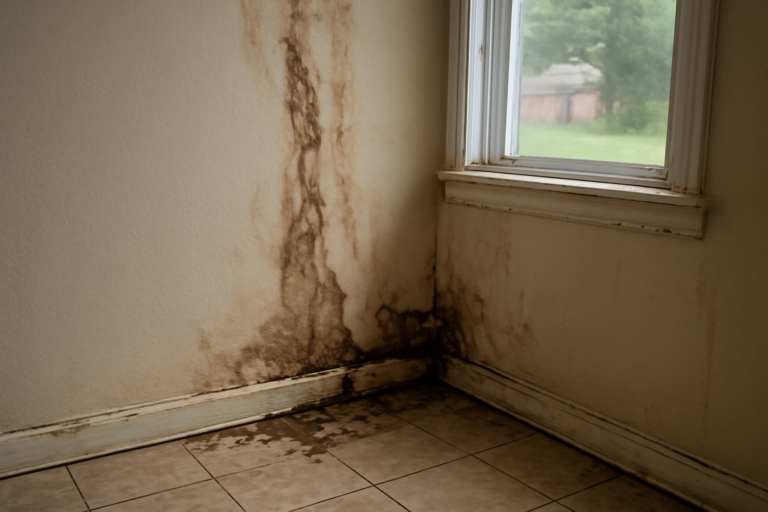
Look for brown or yellow stains on your ceilings, walls, or around vents. These stains mean water has saturated the insulation above and is now seeping through the drywall or plaster. Any new or expanding water marks are a clear sign of a leak that needs immediate investigation.
Increased Humidity Levels
If your home feels more humid than usual, even with your air conditioning running, it could be a sign of moisture trapped in your insulation. This excess moisture can also lead to condensation on windows and pipes, creating further water damage issues. Noticeable changes in indoor air quality are worth investigating.
Mold or Mildew Growth
Any visible fuzzy patches of mold or mildew, often black, green, or white, growing on walls, ceilings, or in damp areas, is a serious warning sign. Mold thrives in moist environments, and wet insulation provides the perfect breeding ground. Prompt mold remediation is crucial for your health and safety.
Damp or Soggy Insulation
If you can access your attic or crawl space, a quick check for insulation that feels wet, heavy, or is visibly sagging is a direct indicator of water damage. This compromised insulation won’t provide adequate thermal resistance, leading to higher energy bills. Feeling for unusual dampness is a clear sign.
Peeling or Bubbling Paint and Wallpaper
Water damage can cause paint to peel and wallpaper to bubble as the moisture affects the adhesive and the wall material beneath. This is often a sign that water has penetrated the wall cavity and is affecting the insulation within, indicating a significant moisture intrusion.
Insulation Water Damage Restoration vs. DIY: When To Call a Professional
| Situation | DIY? | Call a Pro? | Why |
|---|---|---|---|
| Minor dampness in a small, easily accessible attic section after a brief leak. | Yes | No | You can likely dry and monitor small areas yourself. |
| Widespread water saturation throughout your attic or wall cavities. | No | Yes | Professional equipment is needed to dry large areas effectively. |
| Visible mold or mildew growth on insulation or surrounding materials. | No | Yes | Mold requires specialized containment and removal to prevent health risks. |
| Suspected water intrusion from a roof leak, plumbing burst, or foundation issue. | No | Yes | The original water source must be identified and repaired by experts. |
| Insulation is soaked, heavy, and sagging significantly. | No | Yes | Severely damaged insulation often needs professional removal and replacement. |
| You’re unsure of the extent of the water damage or the best drying method. | No | Yes | An expert assessment prevents costly mistakes and ensures complete drying. |
While minor dampness might seem manageable, most situations involving water-damaged insulation require professional intervention. Our trained technicians have the specialized equipment and knowledge to ensure your insulation is dried properly, mold is prevented, and the original water source is fixed. Trusting the process to experienced professionals saves you time, money, and ensures your home remains a healthy and safe environment.
Insulation Water Damage Restoration Cost In Vinings, GA
The cost of insulation water damage restoration in Vinings, GA can vary significantly based on the extent of the damage, the type of insulation affected, and the complexity of the water source. These figures are estimates meant to give you a general idea of potential expenses. We always provide a detailed, no-obligation estimate after an on-site assessment to give you the most accurate pricing.
| Service | Typical Price Range | What Affects Cost |
|---|---|---|
| Water Extraction (per affected area) | $300 – $1,500 | The volume of water and the size of the saturated area. |
| Moisture Assessment & Targeted Drying Setup | $400 – $1,200 | The complexity of the affected spaces and the depth of moisture penetration. |
| Industrial Dehumidification & Air Mover Rental (per day) | $150 – $400 | The number of units needed and the duration of the drying process. |
| Mold Prevention & Air Purification | $500 – $2,000 | The size of the area requiring treatment and the type of mold inhibitors used. |
| Insulation Removal & Disposal | $1 – $3 per square foot | The type of insulation (e.g., fiberglass, cellulose) and the thickness of the layer. |
| Insulation Replacement (materials only) | $1 – $5 per square foot | The R-value and type of new insulation material chosen. |
Understanding these costs can help you budget, but remember that acting fast is the best way to potentially reduce the overall expense of insulation water damage. We offer free estimates to help you understand your specific situation and get the most appropriate restoration plan in place.
Service Areas Near Vinings, GA
Atlanta, Marietta, Smyrna, Kennesaw, Acworth, Powder Springs, Austell, Mableton, Douglasville, Lithia Springs, Chattahoochee Hills, Palmetto, Tyrone, Fayetteville, Jonesboro, Riverdale, Forest Park, Morrow, Stockbridge, Hampton.
Common Questions About Insulation Water Damage Restoration
How long does it take to dry out wet insulation?
The drying time for wet insulation varies greatly depending on how much water is present and the type of insulation. It can range from a few days to over a week. Our team uses specialized equipment like high-velocity air movers and industrial dehumidifiers to speed up the process significantly. We’ll monitor the moisture levels closely to ensure it’s completely dry, preventing future mold growth.
Will my insurance cover insulation water damage?
In many cases, yes, insurance policies cover water damage to insulation, especially if it’s due to a sudden and accidental event like a burst pipe or a storm. However, coverage can depend on the specifics of your policy and the cause of the water intrusion. We can help you with documentation for your claim and work with your insurance adjuster to ensure the necessary drying and restoration work is approved.
Is wet insulation a health hazard?
Yes, wet insulation can become a significant health hazard. It’s an ideal breeding ground for mold and mildew, which can release spores into your home’s air. Inhaling these spores can lead to respiratory problems, allergic reactions, and other health issues, especially for sensitive individuals. Our priority is to address the moisture and remediate any mold to ensure your home is safe.
What happens if I don’t dry out my insulation quickly?
If you don’t dry out wet insulation promptly, you’re risking more severe and costly problems. Mold and mildew will begin to grow within 24-48 hours, compromising indoor air quality. The insulation will lose its effectiveness, leading to higher energy bills, and the persistent moisture can damage drywall, wood framing, and other structural components of your home. Acting fast is crucial for preventing long-term damage.
Can you salvage insulation that has been wet?
Whether insulation can be salvaged depends on the type and how long it was wet. Some types, like fiberglass batts, may be salvageable if dried thoroughly and quickly. However, materials like cellulose or spray foam can be harder to dry completely and may require professional removal and replacement to guarantee no mold develops and to restore its insulating properties. We’ll always assess the situation to provide the best possible recommendation for your home.
Check Our Other Relevant Services

Jerry Johns is a licensed Damage Restoration Expert with over 20 years of hands-on experience helping homeowners and businesses navigate property crises. As a trusted authority in the field, Jerry combines technical precision with a compassionate approach to disaster recovery.
𝗖𝗲𝗿𝘁𝗶𝗳𝗶𝗰𝗮𝘁𝗶𝗼𝗻𝘀: Jerry holds multiple elite IICRC certifications, including Water Damage Restoration (WRT), Applied Microbial Remediation (Mold), Applied Structural Drying (ASD), Odor Control, and Fire and Smoke Restoration.
𝗙𝗮𝘃𝗼𝗿𝗶𝘁𝗲 𝗣𝗮𝘀𝘁𝗶𝗺𝗲: When he isn’t on a job site, Jerry is an avid outdoorsman who enjoys fly fishing and restoring vintage woodworking tools.
𝗕𝗲𝘀𝘁 𝗣𝗮𝗿𝘁 𝗼𝗳 𝘁𝗵𝗲 𝗝𝗼𝗯: Jerry finds the most fulfillment in seeing the relief on a client’s face when their property is finally restored to its pre-loss condition, turning a stressful disaster into a fresh start.