Trusted by 165+ Homeowners
Laundry Room Water Damage Restoration in Dahlonega, GA
- Over 165 5-Star Reviews
- Free Estimates and Quotes
- 100% Satisfaction Guaranteed
- Child, Family & Pet Safe Steps
- 24-Hour Emergency Service
- Fully Licensed & Insured

Your Laundry Room Flooded? Get Fast Help in Dahlonega, GA
You walk into your laundry room, and there it is. Water pooling on the floor, soaking into the baseboards, maybe even dripping from the ceiling. That overwhelming smell of dampness hits you instantly. It’s not just a little leak; it’s a definite problem that needs immediate attention. This kind of emergency, especially in a place like Dahlonega, GA, can quickly spread and cause significant damage if not handled properly. You need a team that understands the urgency and knows exactly how to tackle laundry room water damage.
Homeowners around here trust our team because we’ve helped hundreds of neighbors deal with unexpected water issues, and we’ve earned over 165 five-star reviews for our work. We focus on getting your laundry room back to normal as quickly and effectively as possible. You can count on us for expert damage assessment and thorough drying, making sure we address the root cause of the problem.
- We specialize in drying out the unique materials found in laundry rooms, like drywall, subfloors, and cabinetry, preventing mold growth before it starts.
- Our advanced equipment can detect hidden moisture behind walls and under floors, ensuring a complete and lasting dry-out, not just a surface fix.
- We handle everything from initial water extraction to the final drying and deodorizing, so you don’t have to worry about juggling multiple contractors for your laundry room.
How Laundry Room Water Damage Restoration Actually Works
When water invades your laundry room, a quick, scientific approach is crucial. Simply mopping up the visible water isn’t enough. Hidden moisture can linger, leading to structural damage and mold. Our process is designed to systematically remove water, dry out materials to safe levels, and restore your space. Cutting corners here can mean costly repairs down the line and potential health hazards. We use precise methods and specialized tools to ensure your laundry room is truly dry and safe.
Step 1: Initial Water Extraction
The first thing we do is remove as much standing water as possible. We use powerful truck-mounted or portable extraction units designed to pull water from carpets, padding, and subfloors quickly. This step is critical for preventing further saturation and minimizing damage to your home’s structure. We aim to get this done within hours of arrival.
Step 2: Structural Drying and Dehumidification
Once the bulk of the water is gone, we bring in specialized drying equipment. High-velocity air movers are strategically placed to increase airflow across wet surfaces. Low-grain refrigerant or desiccant dehumidifiers pull moisture out of the air, creating a dry environment that encourages materials to release their absorbed water. Monitoring moisture levels with advanced meters is key here to ensure we reach the correct dryness. This phase can take several days, depending on the extent of the damage.
Step 3: Containment and Air Quality
If mold is a concern or if we need to isolate drying areas, we’ll set up containment barriers. This prevents airborne contaminants from spreading to other parts of your home. We also use air scrubbers with HEPA filters to remove dust and potential mold spores from the air. Maintaining healthy air quality is a priority throughout the restoration. This ensures your living environment remains safe.
Step 4: Controlled Demolition and Removal
Sometimes, materials like soaked drywall, insulation, or saturated flooring can’t be saved. We’ll carefully remove these damaged items to expose the wet structural elements underneath. This controlled demolition is necessary to allow for proper drying and prevent future issues. We only remove what’s necessary to restore your home effectively and safely. Our crews are trained in proper disposal methods.
Step 5: Drying Verification and Rebuilding
Before we consider the drying complete, our technicians use specialized moisture meters to verify that all affected materials have reached industry-standard dry levels. Once confirmed, we can begin the rebuilding process, restoring your laundry room to its pre-loss condition. We document the entire process so you know exactly what was done and why. Your satisfaction is our goal.
Don’t wait for water damage to worsen. Call us now to get your laundry room drying started immediately. We’re ready to respond fast and restore your home.

Warning Signs You Need Laundry Room Water Damage Restoration
Catching water damage early is one of the best ways to save money and prevent more serious problems. Your laundry room might be showing signs you haven’t noticed yet. Ignoring these can lead to bigger issues like structural weakening or mold growth, which are much harder and more expensive to fix. Pay close attention to what’s happening in this vital part of your home.
Musty Odors That Won’t Go Away
That persistent, unpleasant smell of mildew or mold is often the first clue that moisture is trapped somewhere. Don’t ignore this smell; it indicates a hidden dampness problem. It could be behind the walls or under the floor.
Visible Water Stains or Discoloration
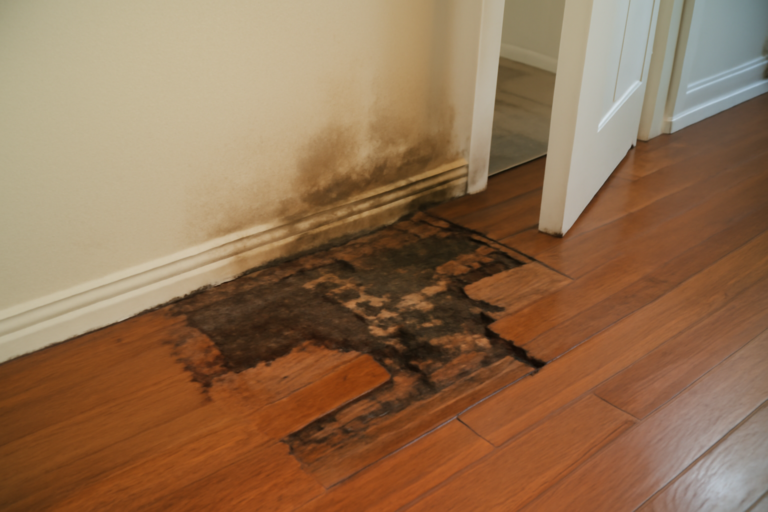
Look for dark spots, rings, or lines on walls, ceilings, or floors. These are clear indicators that water has been present and has soaked into materials, potentially causing long-term material damage. Check around your washing machine hoses and the base of the walls.
Peeling or Bubbling Paint and Wallpaper
When moisture gets behind your finishes, it can cause paint to blister or wallpaper to peel away from the surface. This is a direct sign that water is compromising the integrity of your walls. The damage can spread quickly.
Soft or Spongy Flooring
If your vinyl, laminate, or even tile flooring feels soft, spongy, or uneven underfoot, it means the subfloor beneath is likely saturated. This compromises structural stability and needs immediate professional attention. Don’t walk on severely affected areas.
Warped or Damaged Baseboards and Cabinetry
Wood swells and warps when it gets wet. If you notice your baseboards pulling away from the wall or your cabinet doors are sticking or warped, it’s a strong sign of prolonged moisture exposure. This type of damage often requires replacement.
High Humidity Levels in the Room
Even without visible water, if your laundry room consistently feels damp or humid, it’s a sign that moisture is being released into the air. This can happen from slow leaks or inadequate ventilation. Increased humidity is a precursor to mold growth.
Laundry Room Water Damage Restoration vs. DIY: When To Call a Professional
| Situation | DIY? | Call a Pro? | Why |
|---|---|---|---|
| Minor spill from a washing machine hose that you catch immediately. | Yes | No | You can likely clean this up yourself with towels and fans. |
| Standing water deeper than 1/4 inch covering the floor. | No | Yes | DIY methods won’t extract water effectively and can spread contamination. |
| Water has soaked into drywall or baseboards. | No | Yes | These materials absorb water readily and need specialized drying techniques. |
| You can smell mold or mildew, even if you don’t see it. | No | Yes | Mold can be harmful and requires professional containment and remediation. |
| The water source is unclear or seems to be coming from inside the walls. | No | Yes | Identifying and fixing the source of the leak is crucial for long-term repair. |
| You’re unsure if the area is completely dry after a leak. | No | Yes | Hidden moisture can cause serious structural damage and mold growth over time. |
For anything beyond a simple, minor spill, it’s best to call our team. We have the specialized equipment and training to ensure your laundry room is dried properly and safely. DIY attempts can often lead to more extensive damage and higher costs later on.
Laundry Room Water Damage Restoration Cost In Dahlonega, GA
The cost of laundry room water damage restoration in Dahlonega, GA, can vary significantly. Factors like the size of the affected area, the depth of the water, and how long the water has been present all play a role. These prices are estimates and a full assessment is needed for an accurate quote.
| Service Aspect | Typical Price Range | What Affects Cost |
|---|---|---|
| Water Extraction & Dehumidification | $500 – $2,500 | Amount of water, size of room, and drying time needed. |
| Structural Drying Equipment Rental | $200 – $1,000 | Number of air movers and dehumidifiers required for effective drying. |
| Mold Inspection & Remediation (if needed) | $750 – $3,000+ | Severity of mold growth and area affected. |
| Controlled Demolition & Material Removal | $400 – $2,000 | Amount of damaged drywall, flooring, or cabinetry needing removal. |
| Moisture Detection & Assessment | $200 – $600 | Use of advanced meters and thermal imaging cameras. |
| Odor Removal & Deodorizing | $300 – $1,200 | Extent of odors and type of treatment required. |
These figures provide a general idea, but an on-site inspection is always necessary for a precise estimate. We offer free, no-obligation estimates so you know exactly what to expect before we begin work. Getting a professional assessment is the first best step.
Service Areas Near Dahlonega, GA
Cleveland, Clermont, Dahlonega, Dawsonville, Ellijay, Fannin County, Gainesville, Gilmer County, Gillsville, Gold City, Helen, Jasper, Lula, Marble Hill, Murrayville, Oakwood, Suches, Tate, Turnerville, White.
Common Questions About Laundry Room Water Damage Restoration
My washing machine hose burst, how quickly should I call for help?
You should call for help immediately after a washing machine hose bursts. Even if you’ve cleaned up visible water, hidden moisture can spread quickly into your subfloor and walls. Prompt action prevents further structural damage and mold growth. Our team can be on-site quickly to start the drying process.
Will my homeowner’s insurance cover laundry room water damage?
In most cases, homeowner’s insurance does cover water damage from sudden and accidental events like a burst hose or appliance malfunction. However, it typically doesn’t cover damage from neglect, like a slow leak you didn’t address. We can help document the damage for your insurance claim. It’s always best to check your specific policy details.
How long does the drying process usually take?
The drying process for laundry room water damage can take anywhere from three to ten days, sometimes longer, depending on the severity. This depends on how much water was involved, what materials are affected, and ambient humidity. We use advanced monitoring to ensure we dry the area thoroughly before rebuilding begins. Our goal is complete dryness.
Is there a risk of mold after water damage in my laundry room?
Yes, there is absolutely a risk of mold growth if water damage isn’t addressed properly and quickly. Mold can start to grow within 24-48 hours in damp conditions. That’s why our rapid response and specialized drying equipment are so important. We work to prevent mold from ever becoming an issue.
What’s the difference between drying and dehumidifying?
Drying involves increasing airflow over wet surfaces to encourage evaporation, while dehumidifying removes the moisture from the air so it can continue to evaporate. We use both processes simultaneously with specialized equipment like air movers and dehumidifiers. This dual approach is essential for effective and complete drying of your laundry room. It’s a science we’ve mastered.
Check Our Other Relevant Services

Jerry Johns is a licensed Damage Restoration Expert with over 20 years of hands-on experience helping homeowners and businesses navigate property crises. As a trusted authority in the field, Jerry combines technical precision with a compassionate approach to disaster recovery.
𝗖𝗲𝗿𝘁𝗶𝗳𝗶𝗰𝗮𝘁𝗶𝗼𝗻𝘀: Jerry holds multiple elite IICRC certifications, including Water Damage Restoration (WRT), Applied Microbial Remediation (Mold), Applied Structural Drying (ASD), Odor Control, and Fire and Smoke Restoration.
𝗙𝗮𝘃𝗼𝗿𝗶𝘁𝗲 𝗣𝗮𝘀𝘁𝗶𝗺𝗲: When he isn’t on a job site, Jerry is an avid outdoorsman who enjoys fly fishing and restoring vintage woodworking tools.
𝗕𝗲𝘀𝘁 𝗣𝗮𝗿𝘁 𝗼𝗳 𝘁𝗵𝗲 𝗝𝗼𝗯: Jerry finds the most fulfillment in seeing the relief on a client’s face when their property is finally restored to its pre-loss condition, turning a stressful disaster into a fresh start.