Trusted by 165+ Homeowners
Leak Detection Services in Powder Springs, GA
- Over 165 5-Star Reviews
- Free Estimates and Quotes
- 100% Satisfaction Guaranteed
- Child, Family & Pet Safe Steps
- 24-Hour Emergency Service
- Fully Licensed & Insured

Don’t Let Hidden Leaks Ruin Your Powder Springs, GA Home
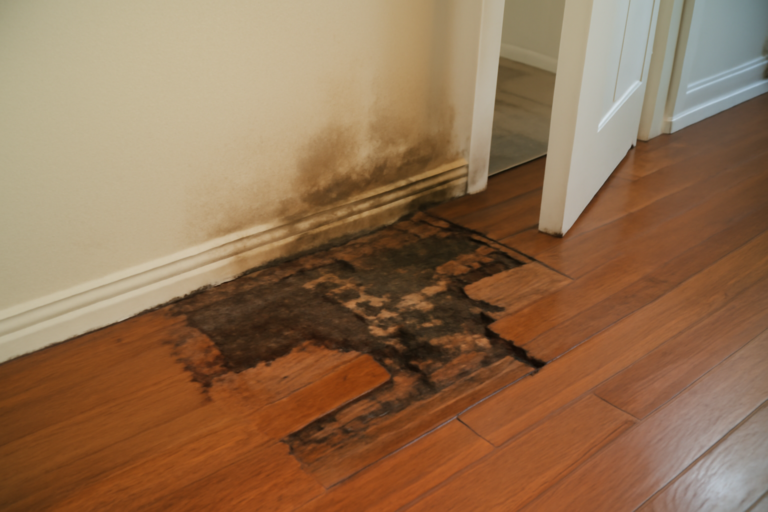
Here in Powder Springs, GA, we know how unpredictable Georgia weather can be. From those sudden, heavy thunderstorms that can test your roof’s integrity to the humid summers that encourage condensation, moisture can find its way into your home where you least expect it. These aren’t just minor inconveniences; unchecked leaks can lead to significant structural damage and create environments where mold thrives. It’s crucial to address any suspected water issues promptly to protect your property and your family’s health. We’re here to help you detect and stop these hidden problems before they get worse.
Homeowners around the area have trusted us for over 165 five-star reviews, and for good reason. When it comes to identifying the source of a leak, our approach is thorough and precise. We understand the unique challenges properties face in our community, and we bring that local knowledge to every job. You’ll find our team is dedicated to providing honest assessments and effective solutions for your leak detection needs. We aim to make the entire process as smooth as possible for you.
- We use advanced technology to pinpoint the exact location of leaks, saving you from unnecessary demolition and repair work.
- Our early detection methods can prevent costly secondary damage like mold growth and structural decay.
- We provide clear, detailed reports so you understand the problem and the recommended course of action.
How Our Leak Detection Process Works
When you suspect a leak, the worst thing you can do is guess where it’s coming from. A proper leak detection process involves more than just looking for wet spots. Our team utilizes specialized equipment and proven techniques to systematically locate the source of water intrusion. This methodical approach ensures we identify the true origin of the problem, preventing misdiagnosis and ensuring that repairs are targeted and effective. It’s about getting it right the first time, which saves you time and money in the long run.
Step 1: Initial Assessment and Consultation
We’ll start by discussing your concerns and any signs you’ve noticed. This initial conversation helps us understand the potential scope of the issue. We’ll ask about the age of your home, any recent weather events, and the specific symptoms you’re experiencing. This step is about building a clear picture before we deploy our equipment, ensuring our investigation is focused.
Step 2: Non-Invasive Inspection
Our technicians will begin a visual inspection, looking for obvious signs of water damage. We’ll then use tools like moisture meters to detect hidden dampness within walls, floors, and ceilings. This preliminary check helps us narrow down the search area without causing any disruption to your home. We’re looking for subtle changes in humidity and material saturation.
Step 3: Advanced Detection Methods
Depending on the suspected source, we’ll deploy specialized equipment. This can include thermal imaging cameras to detect temperature differences caused by water, acoustic listening devices to hear the faint sound of running water within pipes, or even nitrogen-methane tracer gas systems for plumbing leaks. These technologies allow us to “see” and “hear” water where it shouldn’t be, revealing hidden water pathways.
Step 4: Pinpointing the Leak Source
Once the moisture is detected, we use precise methods to confirm the exact origin of the leak. This might involve carefully probing specific areas or using pressure testing on plumbing lines. Our goal is to identify the precise point of failure, whether it’s a cracked pipe, a faulty seal, or a compromised joint. This accuracy is key to minimizing repair costs.
Step 5: Reporting and Recommendations
After we’ve identified the leak, we’ll provide you with a detailed report. This document outlines our findings, including photographic evidence and the exact location of the leak. We’ll also offer clear recommendations for repair and any necessary follow-up actions. You’ll have all the information you need to make informed decisions about your next steps.
Don’t let a small leak turn into a major headache. If you’ve noticed any signs of water intrusion, it’s time to get a professional assessment. We’re ready to help you protect your investment and restore your confidence.

Warning Signs You Need Leak Detection Services
Catching a water leak early is one of the smartest things you can do as a homeowner. The sooner you spot the signs, the less damage you’ll have to deal with, and the more money you’ll save on repairs. Ignoring these indicators can lead to far more serious and expensive problems down the line. Here are some common red flags to watch out for around your property.
Musty Odors That Won’t Go Away
A persistent damp, musty smell, especially in basements, bathrooms, or behind walls, is often the first sign of hidden moisture. This smell indicates that mold or mildew may be growing due to a leak. It’s a clear warning that water is accumulating somewhere unseen.
Unexplained High Water Bills
Has your water bill suddenly jumped without any explanation? A significant increase often points to a hidden leak somewhere in your plumbing system. Even a small, continuous drip can waste a surprising amount of water over time. Keep an eye on your usage for unexpected spikes.
Visible Water Stains or Discoloration
Yellow or brown stains on ceilings, walls, or around fixtures like sinks and toilets are classic signs of water damage. These marks often appear where water has been seeping through materials. They are a visual indicator that moisture is present and spreading.
Peeling or Bubbling Paint and Wallpaper
When moisture gets behind your paint or wallpaper, it can cause the adhesive to fail, leading to peeling, bubbling, or cracking. This is especially common around windows, doors, or in areas prone to condensation. This damage suggests water intrusion from behind the surface.
Damp or Wet Spots on Floors or Carpets
If you notice unusually damp or wet areas on your floors or carpets, especially if they don’t dry out quickly, it’s a strong signal of a leak. This could be from a pipe beneath the floor or a leak from an appliance. These spots are direct evidence of water seeping into your living space.
Cracks in Walls or Foundation
While not always related to active leaks, new or widening cracks in your interior walls or exterior foundation can sometimes be a sign of water pressure or saturation causing structural shifts. Water can weaken building materials over time. This is a sign that structural integrity might be compromised.
Leak Detection Services vs. DIY: When To Call a Professional
| Situation | DIY? | Call a Pro? | Why |
|---|---|---|---|
| Suspect a small drip from a visible pipe under a sink. | Yes, if you’re comfortable turning off the water and tightening a fitting. | Yes, if the drip continues after simple tightening or you’re unsure. | Incorrect tightening can worsen the leak or damage the pipe. |
| Notice a musty smell in the bathroom. | Maybe, you can check around the toilet base, shower, and vanity for visible signs. | Yes, if you can’t find a visible source for the smell. | Hidden mold can spread rapidly behind walls and under floors. |
| See a small, faint water stain on the ceiling. | No, ceilings are difficult and dangerous to inspect thoroughly yourself. | Yes, definitely. | The leak source could be in the attic or a hard-to-reach area, requiring specialized tools. |
| High water bill with no obvious reason. | No, the leak is likely hidden within walls or underground. | Yes, this requires professional equipment to locate. | Advanced tools are needed to find leaks in inaccessible locations. |
| Water pooling around the base of your toilet. | Yes, you can try tightening the bolts and checking the wax ring. | Yes, if tightening doesn’t resolve it or you see water damage. | A bad wax ring or cracked tank/bowl needs professional attention. |
| New cracks appearing in drywall or plaster. | No, this requires careful assessment of potential structural issues. | Yes, this could indicate more serious water-related foundation or structural problems. | Structural integrity is paramount; professional evaluation is necessary. |
While some minor issues might be manageable with DIY efforts, the vast majority of leak detection scenarios require professional expertise and equipment. Relying on our team ensures that the leak is accurately identified and addressed, preventing further damage and costly repairs. For anything beyond a very obvious, easily accessible issue, calling a pro is the smartest choice.
Leak Detection Services Cost In Powder Springs, GA
The cost of leak detection services in Powder Springs, GA can vary quite a bit. Factors like the size of your property, the accessibility of potential leak areas, and the complexity of the problem all play a role. These price ranges are meant to give you a general idea, but a proper on-site assessment is always needed for an exact quote.
| Service | Typical Price Range | What Affects Cost |
|---|---|---|
| Basic Leak Detection Inspection | $300 – $700 | Home size, number of suspected areas, and initial visual inspection. |
| Advanced Plumbing Leak Detection (Non-invasive) | $500 – $1,500 | Use of thermal imaging, acoustic detectors, or tracer gas systems. |
| Slab Leak Detection | $700 – $2,500 | Complexity of the concrete slab, depth of pipes, and specific detection methods required. |
| Roof Leak Detection | $400 – $1,200 | Height of the roof, complexity of the roof structure, and required testing methods (e.g., water testing). |
| Whole-Home Water Audit & Leak Check | $400 – $800 | Comprehensive check of all major water entry points and fixtures. |
| Emergency Leak Detection Service | $600 – $2,000+ | After-hours calls, urgent response needs, and extensive investigation required. |
These figures are estimates, and the final cost will depend on the specific circumstances of your leak. We offer free estimates for all our leak detection services, so you’ll know exactly what to expect before we begin any work.
Service Areas Near Powder Springs, GA
Austell, Marietta, Smyrna, Kennesaw, Acworth, Dallas, Hiram, Lithia Springs, Mableton, Vinings, Douglasville, Atlanta, Sandy Springs, Roswell, Alpharetta, Milton, Johns Creek, Duluth, Norcross, Suwanee.
Common Questions About Leak Detection Services
How much does leak detection typically cost?
The cost for leak detection can vary, usually ranging from a few hundred to a couple of thousand dollars. It depends on factors like the size of your home, how difficult the leak is to access, and the advanced technology needed. We provide free estimates after an initial assessment, so you’ll understand the specific costs for your situation. Our goal is to be transparent about pricing.
How long does a leak detection service usually take?
A typical leak detection service can take anywhere from 2 to 6 hours, but it really depends on the complexity of the issue. Simple leaks might be found quickly, while more elusive ones could require more time and multiple detection methods. We work efficiently to identify the source without unnecessary delays, ensuring we get to the root of the problem.
Are there any health risks associated with hidden leaks?
Absolutely. Hidden leaks create damp environments where mold and mildew can thrive, leading to poor indoor air quality. Exposure to mold spores can cause a range of health issues, including allergies, respiratory problems, and other sensitivities. Detecting and fixing leaks promptly is vital for maintaining a healthy living environment for your family.
What kind of equipment do you use for leak detection?
Our team uses a variety of specialized tools. This includes thermal imaging cameras that detect temperature differences caused by water, acoustic sensors that listen for the sound of escaping water, moisture meters to measure humidity levels, and sometimes even tracer gas detection systems for plumbing lines. These advanced tools allow us to find leaks accurately without causing unnecessary damage to your property, ensuring a precise identification.
Can I prevent leaks from happening in the first place?
While you can’t prevent every possible leak, regular maintenance is key. This includes inspecting visible pipes, checking appliance hoses, ensuring your roof and gutters are clear, and monitoring your water meter for unusual activity. Being proactive about home maintenance can significantly reduce the risk of future leaks. We can also offer advice on preventative measures during our visits.
Check Our Other Relevant Services
Serving Powder Springs, GA And Nearby Areas