Trusted by 165+ Homeowners
Mold Damage Restoration in Auburn, GA
- Over 165 5-Star Reviews
- Free Estimates and Quotes
- 100% Satisfaction Guaranteed
- Child, Family & Pet Safe Steps
- 24-Hour Emergency Service
- Fully Licensed & Insured

Dealing With Mold Damage in Auburn, GA? You’re Not Alone.
Did you know that mold can start growing in your home within 24 to 48 hours after a water event? It doesn’t take much, just a little moisture and a food source like drywall or wood. Many homeowners in Auburn, GA, don’t realize how quickly mold spreads or the potential health issues it can cause. It’s more than just an unsightly mess; it’s a serious problem that needs prompt, professional attention. Ignoring it can lead to costly structural damage and affect your family’s well-being. We’re here to help you tackle it head-on.
We’ve helped hundreds of your neighbors deal with mold issues, earning over 165 five-star reviews from homeowners in the area. They trust our team because we focus solely on mold damage restoration, bringing a level of expertise that makes a real difference. You’ll find our approach is straightforward and effective, aiming to get your property back to normal as quickly as possible. We understand that dealing with mold is stressful, and we work hard to make the restoration process as smooth as it can be.
- We specialize in identifying and removing all types of mold, ensuring your home is safe and healthy again.
- Our team works directly with your insurance company, simplifying the claims process and helping you understand your coverage for mold damage.
- We use advanced containment and remediation techniques to prevent mold from spreading to unaffected areas of your property.
How We Tackle Mold Damage Restoration
When mold appears, a systematic approach is crucial. Simply cleaning the visible mold isn’t enough. You need to address the source of the moisture and ensure all spores are eliminated. Cutting corners here can mean the mold comes back, costing you more in the long run and potentially causing deeper structural issues. Our process is designed to be thorough, from initial inspection to final clearance, ensuring a truly clean and safe environment for your family. We believe in doing the job right the first time, every time.
1. Initial Inspection and Assessment
Our certified technicians will arrive at your property to conduct a detailed inspection. We’ll identify the extent of the mold growth and, importantly, pinpoint the source of moisture causing the problem. This assessment typically takes 1-3 hours, depending on the size and complexity of the affected area. We use specialized equipment to detect hidden mold, ensuring no area is missed. You’ll receive a clear explanation of our findings and a proposed plan of action.
2. Containment of the Affected Area
Preventing mold spores from spreading is our top priority. We’ll set up containment barriers, often using plastic sheeting and negative air pressure, to isolate the mold-infested areas from the rest of your home. This step is critical and usually takes 2-4 hours to complete. It ensures that the remediation process doesn’t inadvertently contaminate other rooms or your HVAC system. Proper containment is key to a successful mold removal project.
3. Mold Removal and Remediation
This is where our crews get to work cleaning up the mold. We use specialized tools and EPA-approved cleaning agents to safely remove mold from surfaces like drywall, wood, and insulation. Depending on the severity, this phase can take anywhere from a few hours to several days. Our goal is to meticulously clean all affected materials and ensure the environment is healthy again. We follow strict safety protocols throughout this entire process.
4. Drying and Dehumidification
Once the mold is removed, it’s essential to dry out the affected materials and the surrounding environment thoroughly. We use industrial-strength dehumidifiers and air movers to reduce moisture levels. This process is vital to prevent future mold growth and can take several days to a week or more, depending on how saturated the materials became. We monitor humidity levels closely to ensure optimal drying conditions.
5. Final Cleaning and Odor Removal
After drying, we perform a final cleaning of the affected areas. We also address any lingering musty odors using specialized equipment like ozone generators or thermal fogging. This step ensures your home not only looks and feels clean but also smells fresh. The duration of this final phase varies but typically takes 1-2 days. We want you to feel completely comfortable and confident in your home again.
Don’t let mold get the upper hand. Contact us today to schedule your inspection and begin the restoration process. We’re ready to help you reclaim your healthy living space. Getting professional help early can save you significant money and hassle down the line.

Warning Signs You Need Mold Damage Restoration
Catching mold early is key to minimizing damage and cost. Many homeowners overlook subtle signs, which can lead to bigger, more expensive problems later. Be aware of these common indicators that suggest you might need professional mold remediation in your home. Addressing these signs promptly can prevent widespread contamination and protect your property’s integrity.
Musty Odors That Won’t Go Away
If you notice a persistent musty or earthy smell, especially in certain areas of your home, it’s a strong indicator of mold growth, even if you can’t see it. This smell often signifies hidden mold behind walls or under flooring. Don’t just mask the odor; investigate its source.
Visible Mold Growth
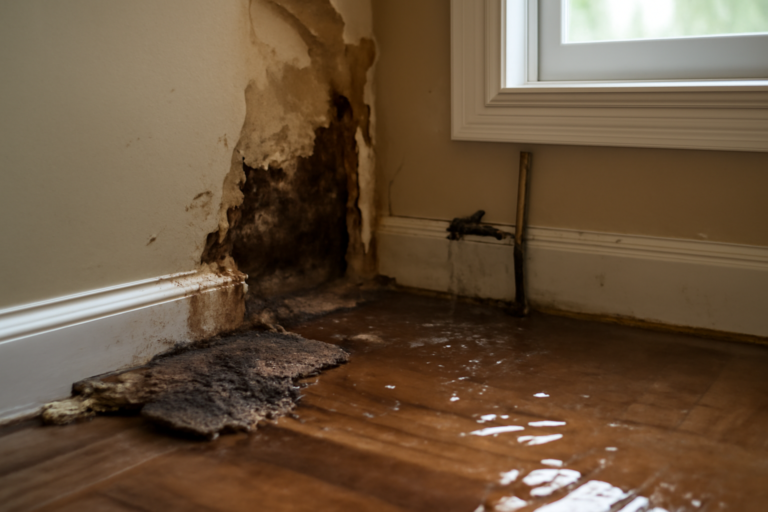
Any visible mold, whether it’s black, green, white, or fuzzy, is a clear sign you have a problem. Common areas include bathrooms, kitchens, basements, and around windows or leaky pipes. Don’t try to clean large areas yourself; it can release spores into the air.
Water Stains or Discoloration
Dark spots or rings on walls, ceilings, or other surfaces are often evidence of past or present water intrusion, which can lead to mold. These stains show where moisture has been present, creating a perfect environment for mold to thrive. Look for these marks after any leaks or flooding.
Peeling or Bubbling Paint and Wallpaper
Moisture trapped behind paint or wallpaper can cause it to peel, bubble, or warp. This is a visual cue that there’s an underlying moisture issue, and mold may be growing underneath. It’s a sign that the materials are compromised and need attention.
Health Symptoms
Some people experience allergy-like symptoms such as sneezing, itchy eyes, runny nose, skin rashes, or asthma flare-ups when exposed to mold. If you or your family members are experiencing unexplained health issues, mold could be the culprit. Persistent symptoms warrant an investigation.
High Humidity Levels
Consistently high humidity in your home, especially above 60%, creates an ideal breeding ground for mold. You might notice condensation on windows or a general damp feeling in the air. Managing humidity is crucial for preventing mold growth.
Mold Damage Restoration vs. DIY: When To Call a Professional
| Situation | DIY? | Call a Pro? | Why |
|---|---|---|---|
| Small, isolated patch of surface mold (less than 1 sq ft) on a non-porous surface. | Yes | No | Easier to clean safely without specialized equipment. |
| Mold growth after a minor water leak that was immediately cleaned up. | Yes | No | If the area is dried quickly and thoroughly, DIY cleaning is often sufficient. |
| Mold in HVAC system or air ducts. | No | Yes | Requires specialized tools to clean safely and prevent recirculation of spores. |
| Mold covering a large area (more than 10 sq ft). | No | Yes | Significant risk of spore release and potential health impacts. |
| Mold growth on porous materials (drywall, insulation, carpet). | No | Yes | These materials often need to be removed and replaced, not just cleaned. |
| Mold suspected after major water damage or flooding. | No | Yes | Professional assessment is needed to identify all affected areas and moisture sources. |
While small, surface-level mold spots might be manageable with DIY methods, anything more significant or on porous materials warrants professional attention. For extensive mold growth or when you suspect hidden moisture issues, calling a professional is the safest and most effective route. Our team is equipped to handle the complexities of mold remediation, ensuring your home is truly restored.
Mold Damage Restoration Cost In Auburn, GA
The cost of mold damage restoration in Auburn, GA, can vary significantly. Factors like the size of the affected area, the type of materials contaminated, and the extent of the water damage all play a role. These price ranges are estimates and can be influenced by the complexity of the job. An on-site assessment is always needed for an accurate quote.
| Service Aspect | Typical Price Range | What Affects Cost |
|---|---|---|
| Mold Inspection and Assessment | $300 – $1,000 | Size of property, complexity of suspected mold issues. |
| Containment Setup | $500 – $1,500 | Size of the affected area needing isolation. |
| Surface Mold Removal (non-porous materials) | $750 – $3,000 | Square footage of mold, type of cleaning agents used. |
| Porous Material Remediation (e.g., drywall, insulation) | $2,000 – $7,000+ | Amount of material needing removal and replacement. |
| Drying and Dehumidification | $500 – $2,500 | Duration of drying needed, size and number of drying units. |
| Odor Removal | $400 – $1,200 | Severity of odor, size of area treated, method used. |
These figures provide a general idea, but the exact cost will depend on a thorough inspection of your property. We offer free estimates and can work with you to understand the scope of the work needed. Let us provide you with a clear, upfront assessment.
Service Areas Near Auburn, GA
We proudly serve Auburn, GA, and the surrounding communities, including Winder, Braselton, Hoschton, Flowery Branch, Buford, Suwanee, Lawrenceville, Snellville, Lilburn, Tucker, Decatur, Atlanta, Sandy Springs, Dunwoody, Roswell, Alpharetta, Johns Creek, Duluth, Norcross, and Marietta.
Common Questions About Mold Damage Restoration
What if my homeowner’s insurance doesn’t cover mold damage?
It’s a common concern, and insurance policies vary. Many policies have specific exclusions or limitations for mold, especially if it’s due to long-term neglect or a slow leak. However, if the mold resulted from a covered peril like sudden water damage from a burst pipe, your policy might offer some coverage. We’ll work with you to document the damage thoroughly for your insurance claim, helping you understand what might be covered. We can also provide detailed estimates to present to your insurance adjuster.
How long does mold remediation typically take?
The timeline for mold remediation depends heavily on the severity and extent of the mold growth, as well as the source of the moisture. A small job might take 1-3 days, while a more extensive project could take a week or even longer. This includes containment, removal, drying, and final cleaning. We focus on efficient work without compromising thoroughness. We’ll give you a realistic timeline after our initial assessment.
Is mold dangerous to my health?
Yes, mold can pose health risks, especially for individuals with allergies, asthma, or compromised immune systems. Exposure can cause symptoms like sneezing, coughing, itchy eyes, skin rashes, and respiratory problems. Some molds produce mycotoxins that can have more serious long-term health effects. It’s why we take mold removal very seriously and ensure our methods are safe for your family and pets. We follow strict protocols to minimize exposure during the remediation process.
What equipment do you use for mold removal?
Our team uses professional-grade equipment designed for effective and safe mold remediation. This includes HEPA-filtered vacuums to capture airborne spores, industrial dehumidifiers and air scrubbers to control moisture and air quality, and specialized containment materials like plastic sheeting and negative air machines. We also use antimicrobial treatments to kill mold and prevent regrowth. The specific tools depend on the nature and scale of the mold problem you’re facing.
Can mold come back after you fix it?
Mold can return if the underlying moisture source isn’t addressed and eliminated. Our primary goal during restoration is not just to remove the visible mold but also to identify and fix the water issue that allowed it to grow in the first place. If the leak is repaired and the area is properly dried, the chances of mold returning are significantly reduced. We’ll advise you on how to maintain a dry environment to prevent future mold problems.
Check Our Other Relevant Services

Jerry Johns is a licensed Damage Restoration Expert with over 20 years of hands-on experience helping homeowners and businesses navigate property crises. As a trusted authority in the field, Jerry combines technical precision with a compassionate approach to disaster recovery.
𝗖𝗲𝗿𝘁𝗶𝗳𝗶𝗰𝗮𝘁𝗶𝗼𝗻𝘀: Jerry holds multiple elite IICRC certifications, including Water Damage Restoration (WRT), Applied Microbial Remediation (Mold), Applied Structural Drying (ASD), Odor Control, and Fire and Smoke Restoration.
𝗙𝗮𝘃𝗼𝗿𝗶𝘁𝗲 𝗣𝗮𝘀𝘁𝗶𝗺𝗲: When he isn’t on a job site, Jerry is an avid outdoorsman who enjoys fly fishing and restoring vintage woodworking tools.
𝗕𝗲𝘀𝘁 𝗣𝗮𝗿𝘁 𝗼𝗳 𝘁𝗵𝗲 𝗝𝗼𝗯: Jerry finds the most fulfillment in seeing the relief on a client’s face when their property is finally restored to its pre-loss condition, turning a stressful disaster into a fresh start.