Trusted by 165+ Homeowners
Mold Inspection & Testing in Buford, GA
- Over 165 5-Star Reviews
- Free Estimates and Quotes
- 100% Satisfaction Guaranteed
- Child, Family & Pet Safe Steps
- 24-Hour Emergency Service
- Fully Licensed & Insured

Uncovering Hidden Dangers: Mold Inspection & Testing in Buford, GA
It’s easy to overlook the early signs of mold, especially when it’s hiding behind walls or under flooring. A common mistake homeowners make is to simply clean visible mold spots without understanding the root cause or the potential for hidden growth. If you’ve noticed a strange smell or suspect moisture issues, it’s crucial to get a professional assessment. Detecting mold early can save your property and protect your family’s health. We’re here to help you understand exactly what’s happening within your home.
Our local Buford, GA neighbors trust us because we approach every inspection with meticulous attention to detail and a genuine desire to help. With over 165 five-star reviews from homeowners around the area, you can be confident that our team is dedicated to providing thorough and accurate mold inspections. We understand the unique environmental factors that can contribute to mold growth here and are equipped to handle any situation. Getting a clear diagnosis is the first step to a healthier home.
- We use advanced tools and techniques to pinpoint the exact type and extent of mold growth, even in hard-to-reach areas, giving you a precise understanding of the problem.
- Our detailed reports provide clear, actionable information, helping you make informed decisions about the necessary remediation steps and avoid unnecessary costs.
- We focus on identifying the moisture source that’s feeding the mold, ensuring that remediation efforts address the problem at its root and prevent future outbreaks.
How Our Mold Inspection & Testing Process Works
A proper mold inspection is more than just a visual check; it’s a scientific process that requires expertise and specialized equipment. When you’re dealing with potential mold issues, delays can significantly worsen the problem, leading to more extensive damage and higher remediation costs. Our team prioritizes rapid response because we know that the sooner we identify the issue, the sooner you can get back to living comfortably and safely in your home. We believe in a thorough, systematic approach to ensure nothing is missed.
Initial Consultation and Assessment
We’ll start by discussing your concerns and any symptoms you’ve noticed. Then, our certified technicians will conduct an initial walk-through of your property, looking for visible signs of mold and water damage. We’ll also assess areas prone to moisture, like bathrooms, kitchens, and basements. This phase typically takes about 30-60 minutes, depending on the size of your home.
Moisture Mapping and Detection
Using tools like infrared cameras and moisture meters, we’ll map out areas with elevated moisture levels that may not be visible to the naked eye. Infrared cameras detect temperature differences, which can indicate hidden water intrusion behind walls or under floors. Moisture meters provide direct readings of water content in building materials. This detailed mapping helps us understand the full scope of potential mold growth. Expect this step to take an additional 1-2 hours.
Air and Surface Sampling
To confirm the presence of mold and identify specific types, we collect air samples and surface samples. Air sampling measures the concentration of mold spores in the indoor air compared to the outdoor air. Surface samples (swabs or lift tape) are taken from suspect areas for laboratory analysis. This scientific approach provides definitive answers about your home’s air quality and the types of mold present. This process can take another 1-2 hours on-site.
Laboratory Analysis and Reporting
The collected samples are sent to an accredited, independent laboratory for analysis. They identify the types of mold and their concentrations. Once we receive the lab results, typically within 24-48 hours, we’ll provide you with a comprehensive report. This report details our findings, explains the lab results in clear terms, and outlines recommendations for remediation. Understanding the lab results is key to effective treatment.
Recommendations and Next Steps
Based on the inspection findings and lab reports, we’ll explain the extent of the mold issue and the recommended remediation plan. We’ll discuss how to address the moisture source to prevent recurrence. Our goal is to give you a clear path forward, whether it’s a simple fix or a more involved remediation project. Planning your next steps ensures a healthier living environment.
Don’t let mold threats linger. Taking action now means protecting your home and your loved ones. Schedule your inspection today and get the clarity you need.

Warning Signs You Need Mold Inspection & Testing
Catching mold early is incredibly important. Ignoring these warning signs can lead to more severe health issues and significantly more expensive repairs down the line. Being aware of what to look for is the first line of defense for your property. Addressing potential problems promptly saves you time and money.
Musty Odors That Won’t Go Away
A persistent musty or earthy smell, especially in damp areas like basements or bathrooms, is a strong indicator of mold growth. If the smell lingers even after cleaning or ventilation, it suggests mold is likely growing out of sight. Investigating strange smells is always a good idea.
Visible Mold Growth
Any visible patches of mold, which can appear in various colors like green, black, white, or orange, are a clear sign you need an inspection. Don’t try to clean it yourself without knowing its extent or type. Identifying visible mold requires professional assessment.
Water Stains or Discoloration
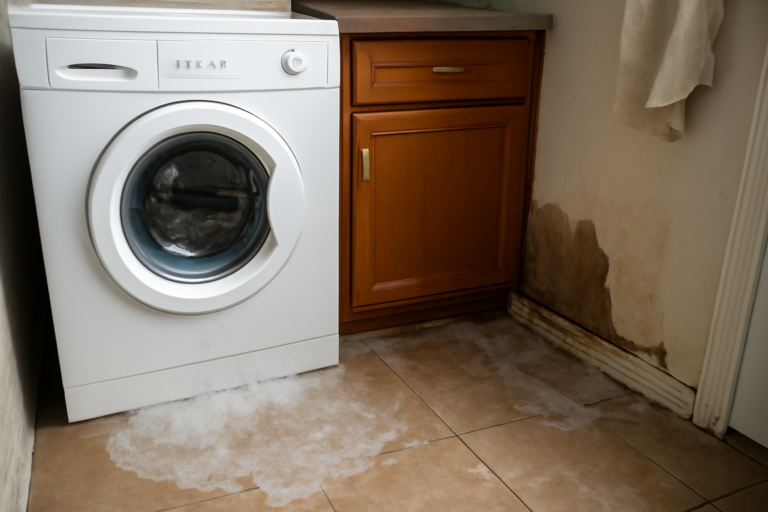
Water stains on ceilings, walls, or floors, especially those that appear as dark spots or rings, indicate past or present water leaks. These damp areas are prime breeding grounds for mold. Noticing water damage means you should act fast.
Peeling or Bubbling Paint/Wallpaper
Moisture trapped behind paint or wallpaper can cause it to peel, bubble, or blister. This is often a sign of water intrusion that could be feeding mold growth behind the surface. Checking for surface damage can reveal hidden issues.
Excessive Humidity or Condensation
If you frequently notice condensation on windows, pipes, or walls, or if your home feels unusually humid, it indicates a moisture problem. High humidity creates an ideal environment for mold spores to thrive. Monitoring home humidity is a preventative measure.
Health Symptoms That Worsen Indoors
Some individuals experience allergy-like symptoms such as sneezing, coughing, itchy eyes, or skin rashes that seem to improve when they leave the house. If your family’s health issues are worse indoors, mold could be the culprit. Protecting your family’s health is paramount.
Mold Inspection & Testing vs. DIY: When To Call a Professional
| Situation | DIY? | Call a Pro? | Why |
|---|---|---|---|
| Suspected mold in a small, easily accessible area (e.g., a single tile in a shower) without a known water source. | Yes, with caution. | Maybe. | Small, isolated spots might be manageable, but it’s wise to be sure there’s no underlying moisture issue. |
| Musty odors but no visible mold. | No. | Yes. | DIY methods can’t detect hidden mold; professionals use specialized tools. |
| Mold growth covering more than a few square feet. | No. | Yes. | Large infestations require containment and specialized removal techniques to prevent spreading spores. |
| Mold present after a flood or significant water damage event. | No. | Yes. | These events often lead to widespread hidden mold and require professional water damage restoration and mold remediation. |
| Mold is found in HVAC systems or air ducts. | Absolutely not. | Yes. | Disturbing mold in HVAC can spread spores throughout your entire home quickly. |
| Anyone in the household has severe allergies, asthma, or compromised immune systems. | No. | Yes. | Protecting vulnerable individuals requires expert containment and thorough remediation to ensure a safe environment. |
While minor, isolated mold spots might seem like a DIY fix, it’s usually best to involve professionals when you suspect a larger problem or if health is a concern. Professional mold inspection ensures accuracy and safety. We’re equipped to handle the complexities that DIY methods can’t address.
Mold Inspection & Testing Cost in Buford, GA
The cost for mold inspection and testing in Buford, GA can vary significantly based on the size of your property, the complexity of the suspected mold issue, and the specific testing required. These figures are general estimates, and an on-site assessment is needed for an accurate quote. Understanding inspection costs helps you budget effectively.
| Service | Typical Price Range | What Affects Cost |
|---|---|---|
| Initial Mold Inspection (Visual & Basic Assessment) | $300 – $700 | Size of the property and accessibility of areas inspected. |
| Air Quality Sampling (Per Sample) | $100 – $300 per sample | Number of samples needed to adequately assess indoor air quality. |
| Surface Sampling (Swabs/Tape Lifts) | $75 – $200 per sample | Number of suspect areas requiring direct sampling for lab analysis. |
| Moisture Meter & Infrared Camera Use | Included in inspection fee | Extent of suspected water damage and areas needing detailed investigation. |
| Laboratory Analysis Fee (Per Sample) | $50 – $150 per sample | The specific tests ordered by the inspector and the lab’s pricing. |
| Detailed Mold Inspection Report | Included in inspection fee | The depth of analysis and recommendations provided in the final report. |
These prices reflect the investigative nature of mold inspection and testing. For a precise quote tailored to your specific needs, we offer free on-site estimates after an initial assessment. Getting a free estimate is the best way to understand your exact costs.
Service Areas Near Buford, GA
Buford, Suwanee, Sugar Hill, Flowery Branch, Oakwood, Gainesville, Lawrenceville, Dacula, Hoschton, Auburn, Winder, Pendergrass, Braselton, Cleveland, Cumming, Johns Creek, Duluth, Snellville, Lilburn, Norcross
Common Questions About Mold Inspection & Testing
How long does a mold inspection typically take?
A standard mold inspection usually takes between 2 to 4 hours, depending on the size of your home and the complexity of the suspected issue. Our technicians will conduct a thorough visual assessment, use specialized equipment like moisture meters and infrared cameras to detect hidden moisture, and collect air and surface samples if necessary for laboratory analysis. Accurate assessment takes time, and we won’t rush the process to ensure we identify the full extent of any problem.
Will my homeowner’s insurance cover mold inspection and testing?
Coverage varies significantly by policy. Some policies may cover mold inspection and testing if it’s a direct result of a covered peril, like a sudden pipe burst. However, mold resulting from long-term moisture issues or neglect is often excluded. It’s best to review your policy or contact your insurance provider directly. We can provide detailed documentation to support your claim if mold is found. Understanding your coverage is important.
What are the health risks associated with mold exposure?
Mold exposure can cause a range of health problems, especially for individuals with allergies, asthma, or weakened immune systems. Symptoms can include sneezing, coughing, runny nose, skin rashes, eye irritation, and respiratory issues. In severe cases, mold can lead to more serious health complications. Protecting your health is our top priority, which is why thorough testing is so vital.
What kind of equipment do you use for mold testing?
Our team uses a variety of professional-grade equipment. This includes infrared cameras to detect moisture behind walls and under floors without causing damage, moisture meters to measure water content in building materials, and specialized air sampling pumps and cassettes to collect airborne mold spores. We also use high-efficiency particulate air (HEPA) vacuums and air scrubbers during remediation. Using advanced equipment ensures precise identification and effective treatment.
How quickly can mold grow after water damage?
Mold can begin to grow within 24 to 48 hours after a water damage event if the moisture isn’t properly addressed. This rapid growth highlights the importance of prompt water extraction and drying. If you’ve experienced water damage, even if it seems minor, it’s wise to get a professional mold inspection soon after. Addressing water damage fast prevents mold from taking hold.
Check Our Other Relevant Services

Jerry Johns is a licensed Damage Restoration Expert with over 20 years of hands-on experience helping homeowners and businesses navigate property crises. As a trusted authority in the field, Jerry combines technical precision with a compassionate approach to disaster recovery.
𝗖𝗲𝗿𝘁𝗶𝗳𝗶𝗰𝗮𝘁𝗶𝗼𝗻𝘀: Jerry holds multiple elite IICRC certifications, including Water Damage Restoration (WRT), Applied Microbial Remediation (Mold), Applied Structural Drying (ASD), Odor Control, and Fire and Smoke Restoration.
𝗙𝗮𝘃𝗼𝗿𝗶𝘁𝗲 𝗣𝗮𝘀𝘁𝗶𝗺𝗲: When he isn’t on a job site, Jerry is an avid outdoorsman who enjoys fly fishing and restoring vintage woodworking tools.
𝗕𝗲𝘀𝘁 𝗣𝗮𝗿𝘁 𝗼𝗳 𝘁𝗵𝗲 𝗝𝗼𝗯: Jerry finds the most fulfillment in seeing the relief on a client’s face when their property is finally restored to its pre-loss condition, turning a stressful disaster into a fresh start.