Trusted by 165+ Homeowners
Mold Inspection & Testing in Cartersville, GA
- Over 165 5-Star Reviews
- Free Estimates and Quotes
- 100% Satisfaction Guaranteed
- Child, Family & Pet Safe Steps
- 24-Hour Emergency Service
- Fully Licensed & Insured

Detecting Hidden Dangers: Mold Inspection & Testing in Cartersville, GA
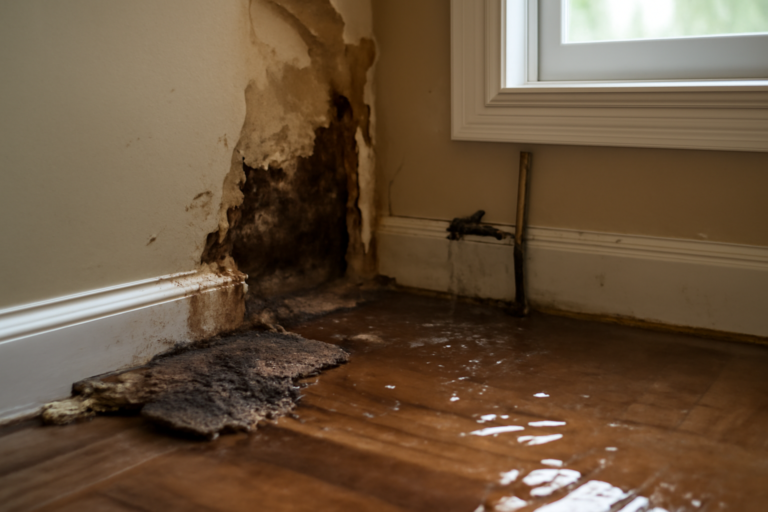
You’ve been walking through your home, maybe in the basement or near a bathroom, and you catch a whiff of something… off. It’s a damp, earthy smell, and it just doesn’t seem to go away. You look closely at a wall or ceiling corner, and you see a small, discolored patch that wasn’t there before. This is your signal that something’s wrong, and it’s time to get it checked out immediately. Don’t ignore these signs; they could indicate a serious mold problem developing right under your nose. Act now to protect your family.
Locally, we’ve helped over 165 homeowners in your neighborhood deal with these exact concerns. They choose us because they know we bring precision and expertise to every mold inspection. We understand the unique challenges our climate presents and how moisture can become a problem in homes around here. Our commitment is to provide clear, accurate assessments, so you know exactly what you’re dealing with, right from the start. We’ve earned a reputation for being thorough and reliable.
- We use advanced tools to pinpoint mold growth you can’t see, even behind walls or under floors.
- Our detailed reports give you a clear understanding of the mold type, its extent, and the best approach to handle it.
- Getting a professional inspection quickly can prevent mold from spreading further, saving you significant money and hassle down the line.
How We Conduct Thorough Mold Inspection & Testing
When you suspect mold, the worst thing you can do is guess. A proper inspection isn’t just about looking; it’s about measuring, testing, and understanding the environment that allows mold to thrive. Our systematic approach uses specialized equipment to gather crucial data. Cutting corners here means missed problems and future headaches. We believe in transparent, science-based methods to ensure your home is truly safe. Trust our trained eyes and tools to get to the root of the issue.
Initial Assessment and Visual Inspection
We start with a walk-through of your property, looking for visible signs of mold and water damage. We’ll carefully examine areas where moisture is common, like bathrooms, kitchens, and basements. We’re looking for discoloration, staining, and any signs of water intrusion. This visual check is critical for identifying obvious problems and areas needing closer attention. We document everything we see.
Moisture Meter Readings
Mold needs moisture to grow. Our technicians use specialized moisture meters to detect hidden water within building materials like drywall, wood, and insulation. These readings help us understand if there’s an active moisture source contributing to mold growth. Accurate moisture data is key to finding the problem’s origin. This step uncovers hidden issues.
Air Quality Sampling
For a complete picture, we often collect air samples from different areas of your home. These samples are sent to an independent laboratory for analysis. This testing tells us if mold spore counts are elevated and identifies specific types of mold present. Lab analysis provides objective data for a definitive diagnosis. We ensure reliable results.
Surface Sampling (If Necessary)
If we find suspect materials or visible mold that needs identification, we may take surface samples. This can involve taking small swabs or pieces of material for laboratory analysis. This helps confirm if the growth is mold and what type it is. Targeted sampling gives precise answers when visual inspection isn’t enough. This confirms fungal growth.
Detailed Reporting and Recommendations
After all testing is complete, we provide you with a comprehensive report. This document outlines our findings, including moisture levels, air quality results, and any identified mold types. It also details the extent of the problem and provides clear recommendations for remediation. Your report is easy to understand. We explain all findings clearly.
Don’t wait for mold to become a bigger problem. Contact us today for a thorough inspection. Let us provide the answers you need to ensure a healthy home environment.

Warning Signs You Need Mold Inspection & Testing
Catching mold early is much easier and less expensive to deal with than letting it spread unchecked. Recognizing the warning signs is your first line of defense in protecting your home and your family’s health. Early detection saves money and prevents potential structural damage. Don’t overlook these common indicators; they’re your home’s way of telling you something is wrong.
Persistent Musty Odors
That damp, earthy, or musty smell is often the most noticeable sign of mold, even if you can’t see it. If you notice this odor, especially after rain or in damp areas like basements and bathrooms, it’s a strong indicator of mold growth. This smell is a red flag. Investigate these persistent odors.
Visible Mold Growth
Mold can appear in various colors, including black, green, white, or gray, and often has a fuzzy or slimy texture. You might see it on walls, ceilings, floors, or even on belongings. Visible mold needs immediate attention. Address any visible growth promptly.
Water Stains or Discoloration
Dark spots or rings on walls, ceilings, or wallpaper can indicate past or present water leaks, which are prime breeding grounds for mold. If you see new or spreading stains, it’s a sign that moisture is present. Stains point to moisture issues. Inspect stained areas carefully.
Peeling or Bubbling Paint or Wallpaper
Moisture trapped behind paint or wallpaper can cause it to peel, blister, or crack. This is often a sign that water has been present for some time, creating an environment where mold can start to grow. Damaged finishes signal moisture problems. Look for signs of delamination.
Condensation Issues
Excessive condensation on windows, pipes, or walls suggests high humidity levels in your home. Prolonged high humidity can lead to mold growth, even without a visible leak. High humidity is a mold risk. Monitor your home’s humidity.
Health Symptoms That Worsen Indoors
If you or your family members experience recurring allergy-like symptoms such as sneezing, itchy eyes, runny nose, or skin rashes, and they improve when you leave the house, mold could be the culprit. These symptoms are concerning. Consult a professional for testing.
Mold Inspection & Testing vs. DIY: When To Call a Professional
| Situation | DIY? | Call a Pro? | Why |
|---|---|---|---|
| Suspecting a musty smell in a small, accessible area. | Yes, if you’re just trying to locate the source of a minor odor. | Maybe, if the smell persists after initial checks. | A professional can confirm if it’s mold or another issue. |
| Seeing a small, isolated patch of black on a bathroom tile. | Yes, for cleaning small areas with appropriate products. | Yes, if the patch is larger than a few square inches or reappears. | Professionals can identify if it’s a symptom of a larger water problem. |
| Finding water damage after a minor leak (e.g., a sink overflow). | Yes, for initial cleanup and drying of affected surfaces. | Yes, if water has saturated drywall, insulation, or subflooring. | Hidden moisture can lead to extensive mold growth that DIY drying won’t fix. |
| Experiencing ongoing allergy symptoms that improve when you’re away from home. | No. | Yes, immediately. | Symptoms suggest airborne mold spores, which require professional testing and remediation. |
| Discovering mold in HVAC systems or air ducts. | No. | Yes, absolutely. | Mold in ducts can quickly spread throughout the entire house. |
| Wanting to confirm if a building material has mold behind it. | No. | Yes, definitely. | Specialized tools and lab testing are needed to confirm hidden mold. |
While you can handle very minor surface mold with caution and the right cleaners, professional inspection is crucial for anything more significant. When in doubt, or if you suspect mold is widespread or hidden, calling experts is the safest bet. We provide definitive answers.
Mold Inspection & Testing Cost In Cartersville, GA
The cost of mold inspection and testing in Cartersville, GA can vary widely. Factors like the size of your property, the suspected extent of the mold, and the complexity of the inspection all play a role. These estimates provide a general idea, but a personalized quote is always best. We offer free estimates for your convenience.
| Service | Typical Price Range | What Affects Cost |
|---|---|---|
| Standard Visual Inspection & Consultation | $300 – $700 | Property size, accessibility of areas to inspect. |
| Moisture Meter Readings & Assessment | $400 – $900 | Number of areas tested, complexity of building materials. |
| Air Quality Sampling (per sample) | $200 – $500 per sample | Number of samples needed, laboratory analysis fees. |
| Surface Sampling (per sample) | $250 – $600 per sample | Type of material sampled, laboratory analysis fees. |
| Comprehensive Mold Inspection Report | Included with testing services | Level of detail required, need for extensive documentation. |
| Post-Remediation Verification Testing | $400 – $1,000 | Number of samples, scope of previous remediation. |
These figures are intended as a guide. An on-site assessment is necessary for an accurate quote. We’re ready to provide a free estimate today.
Service Areas Near Cartersville, GA
Cartersville, Emerson, Acworth, Adairsville, Kingston, Taylorsville, White, Cassville, Euharlee, Rome, Kennesaw, Woodstock, Canton, Dallas, Powder Springs, Marietta, Hiram, Cedartown, Ringgold, Dalton
Common Questions About Mold Inspection & Testing
How much does a mold inspection typically cost?
The cost can range from a few hundred dollars for a basic visual check to over a thousand for extensive air and surface sampling, depending on the size of your home and the complexity of the suspected issue. We provide clear pricing upfront after an initial assessment. Our goal is to give you accurate cost information without surprises.
How long does a mold inspection and testing process take?
A typical inspection might take a few hours on-site, depending on the property size. However, getting lab results can add 24-72 hours. We work efficiently to minimize disruption to your day. Fast, reliable results are our priority.
Is mold dangerous to my health?
Yes, mold can pose health risks, especially for individuals with allergies, asthma, or compromised immune systems. Symptoms can include respiratory issues, skin irritation, and allergic reactions. Identifying mold types is important for understanding specific health impacts. Your family’s health is our top concern.
What equipment do you use for mold testing?
We use professional-grade equipment, including high-tech moisture meters, specialized air samplers, and high-resolution cameras for thorough inspections. We also utilize independent accredited laboratories for accurate analysis of air and surface samples. Our tools ensure precision. We rely on scientific methods.
Can I prevent mold after it’s been inspected and treated?
Prevention involves controlling moisture levels in your home through proper ventilation, fixing leaks promptly, and maintaining consistent humidity below 60%. Regular maintenance is key to preventing future growth. We can offer tips for ongoing prevention.
Check Our Other Relevant Services
Serving Cartersville, GA And Nearby Areas