Trusted by 165+ Homeowners
Mold Inspection & Testing in Cedartown, GA
- Over 165 5-Star Reviews
- Free Estimates and Quotes
- 100% Satisfaction Guaranteed
- Child, Family & Pet Safe Steps
- 24-Hour Emergency Service
- Fully Licensed & Insured

Expert Mold Inspection & Testing in Cedartown, GA
Here in Cedartown, GA, we know how those humid summer days and occasional heavy rains can sometimes lead to hidden problems in your home. When moisture lingers, especially in crawl spaces or attics, it can create the perfect conditions for mold to start growing. You might not see it right away, but that musty smell can be a real giveaway. It’s important to address potential mold growth early to protect your property and your family’s health. We’re here to help you identify and understand any mold concerns you might have.
Homeowners around here trust our team because we’re known for our thoroughness and honest approach to mold inspection and testing. We’ve earned over 165 five-star reviews by consistently delivering reliable service and clear communication. When you suspect mold, you want someone who will take the time to do it right, without cutting corners. That’s exactly what you’ll get when you work with us for your mold testing needs.
- We use specialized equipment to detect mold in hidden areas, ensuring no spot is missed.
- Our detailed reports give you a clear understanding of the mold situation and recommended next steps.
- We provide objective testing and analysis, so you know exactly what you’re dealing with, helping you make informed decisions about your property.
How Our Mold Inspection & Testing Process Works
When it comes to mold, a proper inspection and testing process is absolutely crucial. It’s not just about finding visible mold; it’s about understanding the source of the moisture, identifying the type of mold, and determining the extent of the contamination. Cutting corners here can lead to ineffective treatments and recurring problems, costing you more in the long run. Our team follows a meticulous protocol to ensure we provide you with accurate information about your home’s condition.
Initial Consultation and Assessment
We start by talking with you about what you’ve observed – any smells, visible signs, or water damage concerns. Then, we’ll conduct a thorough visual inspection of your property, looking for areas that might be susceptible to mold growth. This initial walk-through helps us get a feel for the potential scope of the issue and plan our testing strategy. We’ll be looking for obvious signs of water damage and areas with poor ventilation.
Moisture Mapping and Source Identification
Finding the source of moisture is key to solving any mold problem. We use tools like moisture meters and infrared cameras to pinpoint areas where water is present or has recently been. Understanding where the water is coming from – whether it’s a leaky pipe, roof damage, or condensation – is essential for effective remediation. This step helps us prevent future mold issues by addressing the root cause. We aim to locate the water source definitively.
Air and Surface Sampling
This is where the actual testing comes in. We collect air samples from various areas of your home, as well as surface samples from suspected moldy materials. These samples are sent to an independent, accredited laboratory for analysis. The lab will identify the types of mold spores present and quantify their levels, helping us understand if there’s an issue and how severe it might be. This is a critical scientific step for accurate diagnosis.
Laboratory Analysis and Report Generation
Once the lab has analyzed your samples, they’ll provide us with a detailed report. We then interpret these findings in the context of your home’s environment. We’ll create a clear, easy-to-understand report for you that outlines the lab results, our visual findings, and our professional recommendations. You’ll know exactly what types of mold were found and in what concentrations. This report is your factual guide to the situation.
Recommendations and Next Steps
Based on the inspection, testing results, and laboratory report, we’ll provide you with clear recommendations. This might include further steps for remediation if mold is confirmed, or advice on preventative measures if no significant issues are found. Our goal is to give you the information you need to make the best decisions for your home’s health and integrity. We’re committed to providing actionable, informed advice.
If you’re concerned about mold in your home, don’t wait for it to become a bigger problem. Contact us today to schedule your professional mold inspection and testing. We’ll help you get to the bottom of any potential issues and protect your property. Let us provide the expert assessment you need.

Warning Signs You Need Mold Inspection & Testing
Spotting the early signs of mold can save you a lot of trouble and expense down the road. Ignoring these indicators could mean dealing with a much larger, more complex problem later. Being aware of what to look for empowers you to take action quickly. We’ve seen many situations where homeowners caught mold just in time thanks to noticing these subtle clues.
Musty Odors That Won’t Go Away
One of the most common indicators of mold is a persistent musty or earthy smell, especially in damp areas like basements, bathrooms, or around windows. This smell often means mold is growing, even if it’s not visible yet. It’s a clear signal that something is amiss and warrants investigation.
Visible Mold Growth
This might seem obvious, but mold can appear in various colors – black, green, white, or even orange. It often looks fuzzy or slimy. If you see any suspicious growth on your walls, ceilings, or other surfaces, it’s time for a professional check. Don’t attempt to clean it yourself without proper precautions; get expert eyes on it.
Water Stains or Discoloration
Yellow, brown, or reddish-brown stains on ceilings, walls, or around pipes can indicate past or present water leaks. Mold often thrives in the damp conditions left behind by these leaks. These stains are a visual cue of moisture intrusion that needs attention.
Peeling or Bubbling Paint/Wallpaper
Moisture behind paint or wallpaper can cause it to peel, blister, or crack. This is a sign that the material is becoming compromised, often due to water damage that can also support mold growth. It’s a physical sign of underlying moisture.
Condensation Issues
Excessive condensation on windows, pipes, or walls is a sign of high humidity. If this moisture isn’t addressed, it can lead to mold growth in those areas. Consistent condensation is a warning about indoor air quality.
Health Symptoms
Some people experience allergy-like symptoms such as sneezing, itchy eyes, runny nose, skin rashes, or asthma attacks when exposed to mold. If your family’s health seems to worsen indoors, especially after water exposure, it might be mold-related. Your family’s well-being is paramount.
Mold Inspection & Testing vs. DIY: When To Call a Professional
| Situation | DIY? | Call a Pro? | Why |
|---|---|---|---|
| Suspect a musty odor in a small, accessible area like a bathroom wall. | Yes, if you’re careful. | Yes, for confirmation. | DIY spot checks can miss hidden mold; a pro ensures accuracy. |
| See a small patch (less than 1 sq ft) of visible mold on a non-porous surface. | Yes, with proper safety gear. | Yes, if unsure or it recurs. | DIY cleaning can be effective for minor cases, but professional testing confirms it’s gone and the source is fixed. |
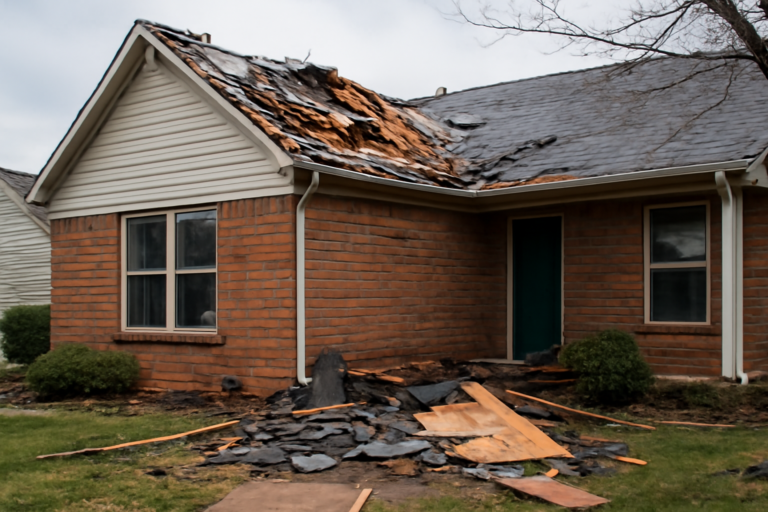
| Large-scale water damage event (burst pipe, significant roof leak). | No. | Yes, absolutely. | These events almost always lead to mold; professional inspection is crucial. |
| Mold is suspected in HVAC systems or air ducts. | No. | Yes, definitely. | Mold in ducts spreads spores throughout the house; requires specialized equipment. |
| Experiencing recurring health issues that coincide with being indoors. | No. | Yes, urgently. | Professional testing can identify hidden mold as the cause of health problems. |
| Want to buy or sell a property and need a clear report. | No. | Yes, for official assessment. | A professional inspection provides an unbiased, documented assessment for real estate transactions. |
While you can certainly look for obvious signs of mold yourself, professional inspection and testing are essential for confirming its presence, identifying the type and extent, and determining the source. For anything beyond a very minor, easily accessible issue, calling in the experts is the smartest way to proceed. It ensures you get an accurate diagnosis and the right plan of action for your property.
Mold Inspection & Testing Cost In Cedartown, GA
The cost for mold inspection and testing in Cedartown, GA can vary widely. Factors like the size of your property, the accessibility of affected areas, and the complexity of the suspected mold issue all play a role. These figures are general estimates and an on-site assessment is needed for an exact price. We aim to provide transparent and fair pricing for our thorough services.
| Service | Typical Price Range | What Affects Cost |
|---|---|---|
| Initial Visual Mold Inspection | $300 – $800 | Size of property, complexity of visible issues. |
| Air Quality Testing (Per Sample) | $150 – $400 per sample | Number of samples needed, lab fees. |
| Surface Sampling (Per Sample) | $100 – $350 per sample | Type of surface, lab fees. |
| Moisture Metering & Mapping | Included in Inspection or $200 – $500 | Extent of area needing assessment, specialized equipment use. |
| Infrared Thermal Imaging | $300 – $700 | Size of area scanned, complexity of building structure. |
| Comprehensive Report & Analysis | Included in Inspection or $400 – $1000 | Depth of analysis, number of samples, detailed recommendations required. |
These prices reflect the detailed work involved in a thorough mold inspection and testing process. For an accurate, personalized quote for your specific situation, please contact us to schedule an on-site assessment. We offer free initial consultations to discuss your concerns.
Service Areas Near Cedartown, GA
Cedartown, Aragon, Rockmart, Taylorsville, Rome, Cave Spring, Shannon, Lindale, Armuchee, Summerville, Trion, Lyerly, Menlo, Flintstone, Fort Oglethorpe, Chickamauga, Rossville, Dalton, Calhoun, Cartersville
Common Questions About Mold Inspection & Testing
What’s the difference between mold inspection and mold testing?
A mold inspection is a visual examination of your property to identify potential mold growth and moisture sources. Mold testing, on the other hand, involves taking air or surface samples to scientifically confirm the presence of mold, identify its type, and measure its concentration. We always recommend a thorough inspection first, followed by targeted testing if needed, to get a complete picture of any mold issue.
How long does a mold inspection and testing process take?
The physical inspection and sample collection typically take anywhere from 2 to 4 hours, depending on the size and condition of your home. However, it’s important to remember that the lab analysis of the samples can take several business days, usually 3 to 5. We’ll then review the results and provide you with a detailed report and recommendations shortly after receiving them. This ensures we provide accurate, lab-verified results.
Will my homeowner’s insurance cover mold inspection and testing?
Coverage varies significantly by policy. Many standard homeowner’s insurance policies may cover mold inspection and testing if it’s a direct result of a covered peril, like sudden water damage from a burst pipe. However, mold caused by long-term moisture issues or poor maintenance is often excluded. We recommend checking your specific policy details and we can provide documentation to assist with your claim.
Is mold inspection and testing urgent if I don’t see any visible mold?
Yes, it can be very urgent, especially if you’re experiencing a persistent musty odor or have had recent water damage. Mold can grow hidden behind walls, under floors, or in attics and crawl spaces, where it can spread silently and cause structural damage or health problems. The sooner we can identify hidden growth, the better it is for your home’s health.
How can I prevent mold from growing in my home after testing?
Prevention is key. After a mold inspection and testing, we often recommend controlling indoor humidity levels, ensuring proper ventilation in bathrooms and kitchens, fixing any leaks promptly, and keeping surfaces dry. Regular cleaning and maintenance, especially in areas prone to moisture, can also make a big difference in preventing future mold issues. We can offer specific advice tailored to your property.
Check Our Other Relevant Services

Jerry Johns is a licensed Damage Restoration Expert with over 20 years of hands-on experience helping homeowners and businesses navigate property crises. As a trusted authority in the field, Jerry combines technical precision with a compassionate approach to disaster recovery.
𝗖𝗲𝗿𝘁𝗶𝗳𝗶𝗰𝗮𝘁𝗶𝗼𝗻𝘀: Jerry holds multiple elite IICRC certifications, including Water Damage Restoration (WRT), Applied Microbial Remediation (Mold), Applied Structural Drying (ASD), Odor Control, and Fire and Smoke Restoration.
𝗙𝗮𝘃𝗼𝗿𝗶𝘁𝗲 𝗣𝗮𝘀𝘁𝗶𝗺𝗲: When he isn’t on a job site, Jerry is an avid outdoorsman who enjoys fly fishing and restoring vintage woodworking tools.
𝗕𝗲𝘀𝘁 𝗣𝗮𝗿𝘁 𝗼𝗳 𝘁𝗵𝗲 𝗝𝗼𝗯: Jerry finds the most fulfillment in seeing the relief on a client’s face when their property is finally restored to its pre-loss condition, turning a stressful disaster into a fresh start.