Trusted by 165+ Homeowners
Mold Inspection & Testing in Dallas, GA
- Over 165 5-Star Reviews
- Free Estimates and Quotes
- 100% Satisfaction Guaranteed
- Child, Family & Pet Safe Steps
- 24-Hour Emergency Service
- Fully Licensed & Insured

Expert Mold Inspection & Testing in Dallas, GA
You walk into your bathroom, and there it is. A faint, greenish-black patch spreading from the corner of the shower. Or maybe it’s a damp, musty smell that hits you as soon as you open the closet door, a smell that just won’t go away. You’re starting to worry about what’s really going on behind those walls or under that carpet. Identifying mold growth is the first step, but understanding its extent and type requires a professional touch. We’re here to help you figure out exactly what you’re dealing with, right here in Dallas, GA.
Locally, homeowners trust our team because we bring clarity when things feel uncertain. With over 165 five-star reviews, you know you’re getting a team that’s dedicated to thoroughness and accuracy. We don’t just guess; we use science and specialized equipment to give you the real picture of your property’s health. Getting a precise diagnosis means we can recommend the right path forward, protecting your home and your family’s well-being.
- We use advanced tools to detect hidden mold growth you can’t see, like thermal cameras and moisture meters, ensuring no area is overlooked.
- Our detailed reports provide clear, actionable information so you understand the exact nature and scope of any mold issue.
- We focus solely on accurate identification and assessment, setting the stage for effective, targeted remediation if needed.
How Our Mold Inspection & Testing Process Works
When you suspect mold, it’s crucial to have a rigorous inspection process. Cutting corners here can lead to missed contamination, costing you more down the line and potentially causing health problems. Our team follows a strict protocol, using specialized equipment to gather precise data. Understanding the science behind mold helps us provide you with the most effective service. We aim for complete transparency, so you always know what we’re doing and why.
Initial Visual Assessment
We start with a thorough visual inspection of your property, looking for visible signs of mold growth and potential water intrusion points. Identifying visible growth is key, but it’s just the beginning. We check common areas like bathrooms, kitchens, basements, and attics.
Moisture Meter Readings
Using calibrated moisture meters, we measure the water content in building materials like drywall, wood, and insulation. Accurate moisture detection helps us pinpoint where water damage might be occurring, often before it’s visible. This tells us where mold could be thriving.
Thermal Imaging
Our infrared thermal cameras help us detect temperature differences in walls and ceilings, which can indicate hidden moisture pockets. Seeing hidden moisture is vital for uncovering concealed mold problems. This non-invasive technique is incredibly effective.
Air & Surface Sampling
If necessary, we collect air samples and surface samples to identify the types and concentrations of mold spores present. Testing airborne spores gives us definitive proof of mold and helps determine the specific species. We send these to an accredited lab for analysis.
Detailed Reporting
You’ll receive a comprehensive report detailing our findings, including visual evidence, moisture readings, and lab results. Receiving a clear report helps you understand the full scope of the issue and necessary next steps. It’s your roadmap to a healthier home.
Don’t wait for mold to spread. Call us today for a professional inspection. We’ll provide the clarity you need to take action immediately.

Warning Signs You Need Mold Inspection & Testing
Catching mold early is always better than dealing with a widespread infestation. Recognizing these signs can save you significant time and money, and protect your home’s structure and your family’s health. Early detection is key when it comes to mold. Don’t ignore these common indicators that something might be wrong.
Musty Odors That Won’t Go Away
That persistent damp, earthy smell, especially in enclosed spaces like closets or basements, is often the first sign of mold. Investigating strange smells is important, as mold can grow even if you can’t see it. It’s your nose telling you there’s a problem.
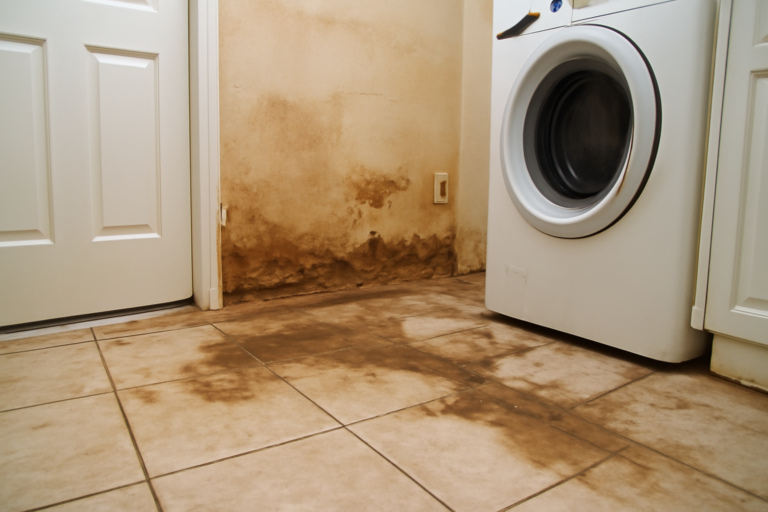
Visible Mold Growth
Seeing fuzzy or slimy patches of black, green, white, or orange on walls, ceilings, floors, or around pipes is a clear indicator. Addressing visible mold immediately is crucial. Don’t try to clean it yourself if it covers a large area.
Water Stains or Discoloration
Dark spots or rings on ceilings, walls, or around windows and doors often mean there’s been or is ongoing water damage. Noticing water marks suggests a moisture source that mold loves. These are red flags for hidden problems.
Peeling or Bubbling Paint and Wallpaper
Moisture trapped behind paint or wallpaper can cause it to blister, peel, or become loose. Watching for damaged finishes can alert you to underlying moisture issues. This often points to leaks or high humidity.
Condensation on Surfaces
Excessive condensation on windows, pipes, or walls, especially during colder months, indicates high indoor humidity. Monitoring condensation levels helps prevent mold from taking hold. It’s a sign your indoor environment needs attention.
Warped or Damaged Building Materials
Wood that looks swollen, soft, or discolored, or drywall that feels spongy, suggests prolonged exposure to moisture. Checking for structural damage is vital. This type of damage often harbors significant mold growth.
Mold Inspection & Testing vs. DIY: When To Call a Professional
| Situation | DIY? | Call a Pro? | Why |
|---|---|---|---|
| Small, isolated spot of mold on a non-porous surface (e.g., tile) | Yes | No | Easily cleaned with household cleaners and proper ventilation. |
| Musty smell in a room with no visible mold | No | Yes | Hidden mold growth requires specialized tools to locate and assess. |
| Mold growth covering more than a 3-foot square area | No | Yes | Large infestations require containment and professional remediation to prevent spore spread. |
| Mold suspected after significant water damage (e.g., burst pipe, flood) | No | Yes | Water damage creates ideal conditions for extensive mold growth that needs expert handling. |
| Mold in HVAC system or air ducts | No | Yes | Contaminated air can spread mold throughout your entire home; requires specialized cleaning. |
| Concerns about mold-related health symptoms | No | Yes | Professional assessment and reporting are crucial for addressing health concerns linked to mold. |
While small, surface-level mold might be manageable for a homeowner, anything beyond that demands professional attention. Trusting professionals for complex issues ensures the job is done safely and effectively. We have the training and equipment to handle situations you shouldn’t tackle alone.
Mold Inspection & Testing Cost In Dallas, GA
The cost for mold inspection and testing in Dallas, GA can vary based on the size of your property, the complexity of the suspected issue, and the extent of the investigation needed. These prices are estimates and can change depending on the specific circumstances. Understanding potential costs helps you budget for this important service.
| Service | Typical Price Range | What Affects Cost |
|---|---|---|
| Initial Visual Mold Inspection | $300 – $700 | Size of the property and accessibility of areas. |
| Moisture Meter & Thermal Imaging Assessment | $400 – $900 | Thoroughness of the scan and number of areas examined. |
| Air Sampling (per sample) | $100 – $300 | Number of samples taken and lab analysis fees. |
| Surface Swab or Tape Lift Sampling (per sample) | $100 – $300 | Number of samples and lab analysis fees. |
| Comprehensive Mold Inspection Report | $500 – $1,500 | Detailed analysis, number of samples, and complexity of findings. |
| Post-Remediation Verification Testing | $400 – $1,000 | Number of samples needed to confirm clearance. |
These figures provide a general idea, but an on-site assessment is needed for an accurate quote. Getting a free estimate is the best way to understand the specific cost for your situation.
Service Areas Near Dallas, GA
Douglasville, Lithia Springs, Hiram, Powder Springs, Marietta, Kennesaw, Acworth, Cartersville, Temple, Villa Rica, Austell, Smyrna, Atlanta, Mableton, Vinings, Dallas, Dallas, Dallas, Dallas, Dallas.
Common Questions About Mold Inspection & Testing
How long does a mold inspection typically take?
A standard mold inspection and testing service usually takes anywhere from 2 to 4 hours, depending on the size of your property and the extent of the suspected contamination. Our efficient process ensures we gather all necessary data without unnecessary delays. We’ll give you an estimated timeframe once we understand your situation.
Can I just clean the mold myself?
For very small, surface mold spots (less than a square foot) on non-porous materials, you might be able to clean it yourself. However, if you see a lot of mold, it’s in porous materials like drywall or insulation, or you can’t find the source of moisture, it’s best to call us. Professional mold inspection is crucial for identifying hidden growth and ensuring proper containment.
What equipment do you use for mold testing?
We utilize a range of specialized equipment, including moisture meters to detect hidden water, thermal imaging cameras to visualize temperature differences caused by moisture, and air sampling pumps with collection media to test for airborne spores. Using advanced detection tools allows us to provide a highly accurate assessment of your home’s condition.
Will my homeowner’s insurance cover mold inspection and testing?
Coverage varies significantly by policy. Mold inspection and testing related to a covered peril (like a sudden pipe burst) may be covered, but mold that develops slowly due to neglect or lack of maintenance often isn’t. Reviewing your policy details is recommended, and we can provide documentation to support your claim. We always recommend checking with your insurance provider directly.
How do I prevent mold from returning after testing?
Prevention is key after addressing any mold issues. Maintaining proper humidity levels (ideally between 30-50%), ensuring good ventilation in bathrooms and kitchens, promptly fixing any water leaks, and cleaning up spills quickly are vital steps. Implementing preventative measures can significantly reduce the risk of future mold growth. We can offer specific advice based on your property’s vulnerabilities.
Check Our Other Relevant Services
Serving Dallas, GA And Nearby Areas