Trusted by 165+ Homeowners
Mold Inspection & Testing in Hampton, GA
- Over 165 5-Star Reviews
- Free Estimates and Quotes
- 100% Satisfaction Guaranteed
- Child, Family & Pet Safe Steps
- 24-Hour Emergency Service
- Fully Licensed & Insured

Don’t Let Hidden Mold Threaten Your Hampton, GA Home
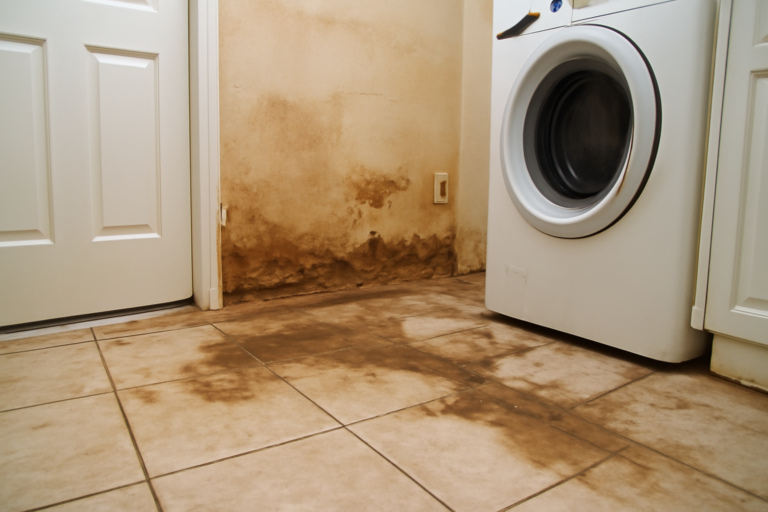
If you’ve noticed a persistent musty smell or seen visible signs of discoloration on your walls or ceilings, it’s crucial to act fast. Many homeowners in Hampton, GA mistakenly believe a little mold is just an aesthetic issue. However, ignoring early indicators of mold growth can lead to serious structural damage and potential health problems for your family. We understand how unsettling these discoveries can be, and our goal is to provide you with clear, actionable steps to address it right away.
Locally, homeowners have turned to us over 165+ times with five-star confidence for their mold inspection and testing needs. They choose us because we bring a calm, methodical approach to what can feel like a chaotic situation. You’re not just getting a service; you’re getting a neighbor dedicated to helping you protect your investment and ensure a healthy living environment. We’ve seen it all, and we’re here to make the process as straightforward as possible for you.
- We pinpoint the exact type and extent of mold growth, giving you a clear picture of the problem beyond what you can see.
- Our detailed reports provide the necessary information for insurance claims or future remediation planning, making the next steps much easier.
- We use specialized equipment to detect hidden mold in walls, HVAC systems, and other concealed areas, ensuring a thorough assessment.
How Our Mold Inspection & Testing Process Works
A proper mold inspection and testing process is about more than just a quick look around. It’s a scientific investigation to understand the root cause and the full scope of the issue. When you delay or attempt a DIY assessment for significant problems, you risk missing critical contamination that can spread further, costing you more in the long run. Our team follows a meticulous, proven protocol to give you accurate results and a clear path forward. We’re focused on getting it right the first time.
Initial Assessment and Visual Inspection
The process begins with a thorough walk-through of your property. Our technicians will carefully examine visible areas for any signs of mold, water damage, or conditions that encourage growth. We’ll also ask you about any concerns you’ve noticed, like odors or past water events. This initial phase helps us map out potential problem areas and sets the stage for targeted testing. You can expect this part to take about 30 to 60 minutes, depending on the size of your home.
Moisture Source Identification
Mold needs moisture to thrive, so finding the source is key. We’ll use specialized tools like moisture meters and infrared cameras to detect hidden leaks or dampness behind walls, under floors, or in attics. Identifying this source is absolutely critical for preventing future mold recurrence. This step is often integrated with the visual inspection and might take an additional 15 to 30 minutes.
Air Sampling
To understand the air quality inside your home, we collect air samples. This involves drawing a specific volume of air through a special collection device. We then send these samples to an independent, accredited laboratory for analysis. This tells us the concentration and types of mold spores present in your air, which is vital for understanding potential health impacts. Air sampling can take about 20 to 30 minutes per sample location.
Surface and Bulk Sampling
When visible mold is present, or we suspect contamination in specific materials, we’ll take surface samples. This could involve using a swab, a tape lift, or collecting a small piece of the affected material. Like air samples, these are sent to the lab for identification and quantification. This step helps us confirm the presence of mold and identify specific species. Surface sampling is usually a quick process, taking only a few minutes per sample.
Laboratory Analysis and Report Generation
Once samples are collected, they’re sent to our trusted, third-party lab partners. They provide detailed, unbiased reports on the mold types and levels found. Based on these lab results and our visual inspection findings, our team will compile a comprehensive report for you. This report will clearly outline the findings, potential causes, and recommendations for remediation. You can typically expect this report within 24 to 48 hours after sample collection.
Don’t wait for mold to become a bigger issue. Contact us today to schedule your professional inspection and testing. We’re ready to help you get a clear understanding of your property’s condition and start on the path to a healthier home.

Warning Signs You Need Mold Inspection & Testing
Catching mold early is your best defense against costly damage and health concerns. Many homeowners miss the subtle signs until the problem is extensive. Recognizing these indicators means you can call for professional mold inspection and testing before minor issues become major headaches. Trust your senses and don’t ignore potential problems.
Musty Odors That Won’t Go Away
A persistent, damp, earthy, or musty smell, especially in specific rooms or after rain, is a classic sign of mold. If airing out your home doesn’t eliminate it, there’s likely a hidden source. This odor is often the first clue that mold is growing somewhere out of sight. It’s your home telling you something needs attention.
Visible Mold Growth
This might seem obvious, but mold can appear in various colors, including green, black, white, or orange. It often looks fuzzy or slimy. Even small patches you see could indicate a much larger problem developing behind walls or under flooring. Always treat visible mold as a serious concern.
Water Damage or Leaks
Any area that has experienced water damage—from leaky pipes, roof leaks, or flooding—is a prime candidate for mold growth. Mold can begin to grow within 24-48 hours of water exposure. Even if the water is no longer present, the moisture trapped within building materials can fuel mold. This is a critical trigger for inspection.
Peeling or Bubbling Paint and Wallpaper
Moisture trapped behind paint or wallpaper can cause it to blister, peel, or crack. This is a visual indicator that moisture is present and potentially supporting mold growth. It’s a subtle sign that’s often overlooked but points to underlying dampness. Keep an eye on these areas for any changes.
Warped Walls or Ceilings
Structural materials like drywall and wood can warp, sag, or become soft when exposed to prolonged moisture. This indicates significant water intrusion, which almost certainly means mold is present or will soon develop. This is a sign of advanced moisture issues.
Health Symptoms That Improve When Away From Home
If you or your family members experience unexplained allergy-like symptoms, headaches, or respiratory issues that seem to lessen when you leave your property, mold exposure could be the cause. While not definitive proof, it’s a strong indicator that your indoor air quality might be compromised. This is a major health warning sign.
Mold Inspection & Testing vs. DIY: When To Call a Professional
| Situation | DIY? | Call a Pro? | Why |
|---|---|---|---|
| Suspected mold in a small, easily accessible area (e.g., a small spot on a bathroom tile). | Yes, with caution. | Maybe | For minor, surface-level issues, basic cleaning might suffice, but it’s wise to monitor closely. |
| Persistent musty odors with no visible source. | No. | Yes. | Hidden mold is often the culprit, requiring specialized detection equipment. |
| Visible mold growth covering an area larger than a few square feet. | No. | Yes. | Large infestations indicate significant moisture problems and potential airborne spores. |
| Mold in HVAC systems or air ducts. | Absolutely not. | Yes. | This can spread mold throughout your entire home; requires specialized cleaning and containment. |
| Mold after significant water damage (flooding, major leak). | No. | Yes. | Extensive moisture requires professional assessment to ensure all affected materials are identified and handled. |
| Concerns about mold impacting health or allergies. | No. | Yes. | Accurate identification and quantification are needed to assess health risks and guide remediation. |
While minor surface mold might seem manageable, professional inspection and testing are invaluable when you suspect a larger or hidden problem. Relying on our expertise ensures that the issue is correctly identified, the scope is fully understood, and the right course of action is recommended. This protects your home and your family’s well-being.
Mold Inspection & Testing Cost In Hampton, GA
The cost for mold inspection and testing in Hampton, GA can vary significantly. Factors like the size of your property, the extent of suspected mold growth, and the complexity of the inspection process all play a role. These price ranges are estimates and can help you budget for this essential service. A thorough assessment is always the best way to get an accurate quote.
| Service | Typical Price Range | What Affects Cost |
|---|---|---|
| Basic Visual Inspection & Consultation | $300 – $700 | Home size and accessibility of areas to be inspected. |
| Air Sampling (per sample) | $150 – $300 per sample | Number of samples needed to assess different areas or compare indoor/outdoor levels. |
| Surface & Bulk Sampling (per sample) | $100 – $250 per sample | Number of samples collected from visible or suspected contaminated materials. |
| Moisture Meter & Infrared Camera Use | Included in inspection fee | This is a standard tool for identifying hidden moisture sources. |
| Detailed Lab Analysis Fees | $50 – $150 per sample | The laboratory charges for analyzing each collected sample. |
| Comprehensive Mold Inspection Report | Included in overall service | The complexity and detail required in the final report. |
These figures provide a general idea, but the most accurate pricing comes from an on-site evaluation. We offer free estimates for your property, allowing us to discuss your specific situation and provide a clear, upfront cost. Contact us to schedule your assessment and take the first step toward a mold-free home.
Service Areas Near Hampton, GA
McDonough, Stockbridge, Locust Grove, Fayetteville, Jonesboro, Riverdale, Morrow, Forest Park, Lovejoy, Hampton, Atlanta, Chamblee, Dunwoody, Sandy Springs, Peachtree Corners, Norcross, Duluth, Suwanee, Johns Creek, Alpharetta.
Common Questions About Mold Inspection & Testing
What if I find a small spot of mold? Can I just clean it myself?
For very small, surface-level mold spots (typically smaller than a credit card) in non-porous areas like tile or glass, you might be able to clean it with a mild detergent and water. However, it’s important to understand that this doesn’t address the underlying moisture issue that allowed it to grow. If the mold returns or you’re unsure, it’s best to have a professional inspection to ensure complete removal and prevent recurrence. We can help you determine if it’s a DIY situation or requires our expertise.
How long does a mold inspection and testing process typically take?
The actual on-site inspection and sample collection usually takes between 1 to 3 hours, depending on the size of your property and the complexity of the suspected issue. The laboratory analysis of samples typically takes 24 to 48 hours. Once we have the lab results, we can compile your report, which we aim to deliver promptly. So, while the physical visit is relatively short, getting the full picture takes a little time to ensure accuracy.
Is mold dangerous to my health?
Yes, mold exposure can pose health risks, especially for individuals with allergies, asthma, or compromised immune systems. Symptoms can range from sneezing, runny nose, and itchy eyes to more severe respiratory problems and skin irritation. The type and amount of mold, as well as individual sensitivity, determine the severity of the reaction. Our testing helps identify potential health hazards in your home.
What kind of equipment do you use for mold inspection?
Our team uses a variety of specialized tools to accurately detect and assess mold issues. This includes high-efficiency particulate air (HEPA) vacuums and filters for containment, moisture meters to measure water content in building materials, infrared cameras to detect temperature differences indicating hidden moisture, and air sampling pumps with collection media for laboratory analysis. We also use personal protective equipment (PPE) to ensure the safety of our technicians and your household. This equipment allows us to get a clear, data-driven assessment.
Will my homeowner’s insurance cover mold inspection and testing?
Coverage for mold inspection and testing can vary greatly depending on your specific homeowner’s insurance policy and the cause of the mold. Generally, insurance policies are more likely to cover mold damage that results from a sudden, accidental event (like a burst pipe) rather than gradual deterioration or a pre-existing condition. It’s always best to review your policy or speak directly with your insurance provider. We can provide detailed reports that may assist with any claims you decide to file.
Check Our Other Relevant Services

Jerry Johns is a licensed Damage Restoration Expert with over 20 years of hands-on experience helping homeowners and businesses navigate property crises. As a trusted authority in the field, Jerry combines technical precision with a compassionate approach to disaster recovery.
𝗖𝗲𝗿𝘁𝗶𝗳𝗶𝗰𝗮𝘁𝗶𝗼𝗻𝘀: Jerry holds multiple elite IICRC certifications, including Water Damage Restoration (WRT), Applied Microbial Remediation (Mold), Applied Structural Drying (ASD), Odor Control, and Fire and Smoke Restoration.
𝗙𝗮𝘃𝗼𝗿𝗶𝘁𝗲 𝗣𝗮𝘀𝘁𝗶𝗺𝗲: When he isn’t on a job site, Jerry is an avid outdoorsman who enjoys fly fishing and restoring vintage woodworking tools.
𝗕𝗲𝘀𝘁 𝗣𝗮𝗿𝘁 𝗼𝗳 𝘁𝗵𝗲 𝗝𝗼𝗯: Jerry finds the most fulfillment in seeing the relief on a client’s face when their property is finally restored to its pre-loss condition, turning a stressful disaster into a fresh start.