Trusted by 165+ Homeowners
Mold Inspection & Testing in Hapeville, GA
- Over 165 5-Star Reviews
- Free Estimates and Quotes
- 100% Satisfaction Guaranteed
- Child, Family & Pet Safe Steps
- 24-Hour Emergency Service
- Fully Licensed & Insured

Let’s Uncover the Truth About Mold in Your Hapeville, GA Home
Did you know that visible mold is often just the tip of the iceberg? Studies show that nearly 50% of homes can have an indoor air quality problem, and a significant portion of those are linked to mold growth that you can’t even see. It’s a common, yet often overlooked, issue that can affect your property’s health and your family’s well-being. If you suspect mold, it’s crucial to get a clear picture of what’s happening. We’re here to help you understand the situation with thorough mold inspections and precise testing right here in Hapeville, GA.
We’ve earned the trust of over 165 homeowners in your neighborhood, thanks to our commitment to accurate assessments and clear communication. When it comes to something as serious as mold, you want a team that understands the local climate and common issues. Our dedicated technicians use proven methods to identify the source and extent of any mold contamination, providing you with the factual information you need to make informed decisions about remediation. Your property’s integrity and your family’s health are our top priorities.
- We pinpoint the exact type and quantity of mold present, so you know precisely what you’re dealing with.
- Our detailed reports help you navigate insurance claims, providing clear documentation of the problem and its scope.
- We use specialized equipment to detect hidden mold, ensuring no area of concern is missed.
How Our Mold Inspection & Testing Process Works
A proper mold inspection isn’t just a quick look around. It involves a systematic approach to identify the source of moisture, locate all affected areas, and quantify the mold growth. Cutting corners here can lead to missed contamination, incomplete remediation, and recurring problems that cost you more in the long run. We focus on delivering reliable findings and actionable data, working closely with you and your insurance provider from the start. Our goal is to give you a clear, unbiased assessment of your property’s condition.
Initial Walk-Through and Moisture Assessment
Our process begins with a detailed visual inspection of your property. We’ll check for visible signs of mold, water damage, and potential moisture sources. This step helps us understand the immediate environment and identify areas that require closer examination, often taking about 30-60 minutes depending on the property size.
Air Sampling and Analysis
We collect air samples from various areas of your home, including affected zones and unaffected comparison areas. These samples are sent to an independent, accredited laboratory for analysis. This crucial step determines the type and concentration of airborne mold spores, giving us a scientific measure of contamination. This typically adds another 30-60 minutes to the on-site assessment.
Surface and Bulk Sampling
If necessary, we’ll collect samples directly from surfaces or materials that appear to be affected by mold. This includes taking small samples of drywall, wood, or other materials. Laboratory analysis of these samples confirms the presence of mold and identifies the specific species, providing definitive proof of contamination. This might take an additional 15-30 minutes.
Report Generation and Insurance Coordination
Once lab results are back, we compile a comprehensive report detailing our findings, including photos, lab data, and our professional assessment. We then walk you through the report and discuss the implications. We also work directly with your insurance adjuster to ensure they have all the necessary documentation for your claim, streamlining the claims documentation process.
Recommendations for Remediation
Based on the inspection and testing results, we provide clear recommendations for the next steps. This could involve further professional cleaning or specific remediation strategies. Our aim is to give you a practical roadmap for addressing any mold issues identified on your property.
Don’t let potential mold problems linger. Understanding the scope of contamination is the first critical step toward a healthy home. Contact us today for a professional assessment and get the answers you need.

Warning Signs You Need Mold Inspection & Testing
Ignoring early signs of mold can lead to more extensive damage and higher repair costs down the line. Catching these indicators early allows for prompt action, saving you time and money. It’s always better to be safe than sorry when it comes to your home’s air quality and structural integrity. Pay attention to what your property is telling you.
Musty Odors That Won’t Go Away
A persistent, musty smell, especially in damp areas like bathrooms, basements, or kitchens, is a strong indicator of mold growth. This smell often signals that mold is actively growing, even if you can’t see it. It’s a clear warning signal that warrants immediate investigation.
Visible Mold Growth
Any discoloration on walls, ceilings, or other surfaces that looks fuzzy, slimy, or powdery could be mold. It can appear in various colors, including black, green, white, or orange. Seeing mold means you have an active infestation that needs professional attention quickly.
Water Damage or Leaks
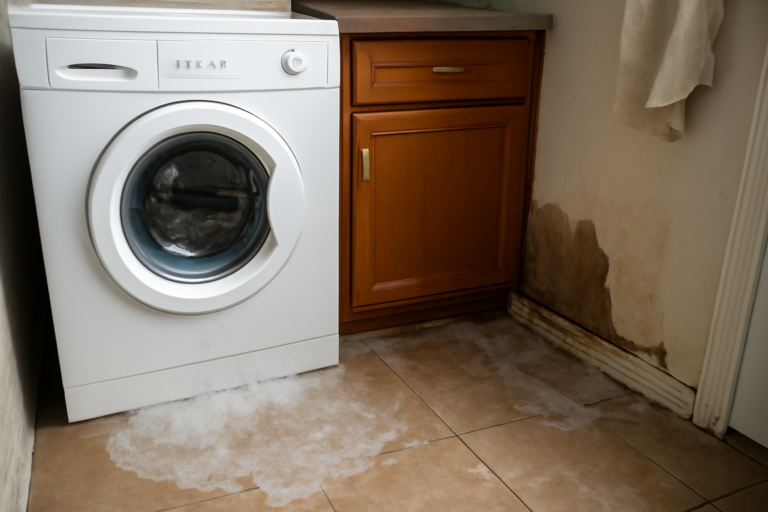
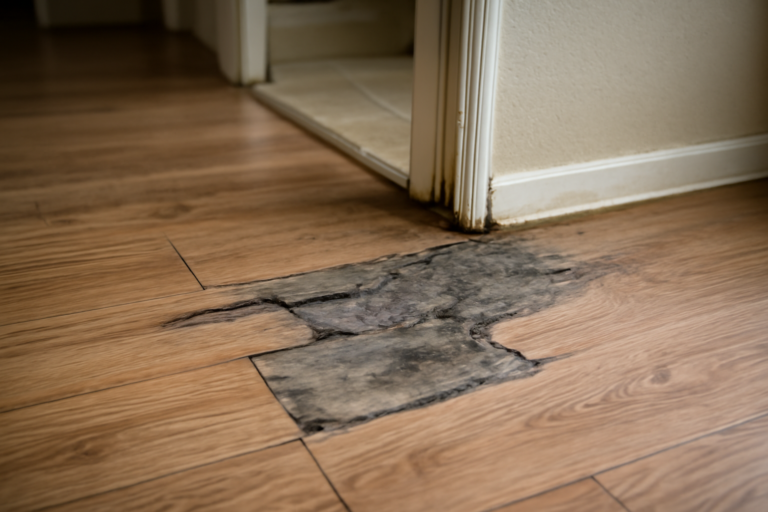
Areas that have experienced past or current water damage, such as from a leaky pipe, roof leak, or flooding, are prime breeding grounds for mold. Even after the water is gone, residual moisture can fuel mold growth. Addressing the water source and then testing for mold is essential for prevention.
Peeling or Bubbling Paint/Wallpaper
Moisture trapped behind paint or wallpaper can cause it to peel, bubble, or blister. This is often a sign of water intrusion and potential mold growth occurring out of sight. It indicates a hidden moisture problem that needs to be uncovered.
Condensation Issues
Excessive condensation on windows, pipes, or walls can create the damp environment mold needs to thrive. If you’re noticing more condensation than usual, it might be pointing to a ventilation issue or a water problem contributing to mold growth. Don’t dismiss unusual condensation patterns.
Health Symptoms
While not a direct sign of mold on your property, unexplained allergy-like symptoms such as sneezing, coughing, itchy eyes, or respiratory irritation that improve when you leave home can sometimes be linked to indoor mold exposure. If multiple household members experience these symptoms, it’s a reason to investigate your indoor air quality.
Mold Inspection & Testing vs. DIY: When To Call a Professional
| Situation | DIY? | Call a Pro? | Why |
|---|---|---|---|
| Suspecting mold based on smell alone | Maybe for a quick visual check | Yes | DIY can’t detect hidden mold or quantify airborne spores. |
| Small, isolated spot of mold (e.g., 1 sq ft) on a non-porous surface | Yes, with proper PPE | No, if contained | Small surface mold can often be cleaned safely by a homeowner. |
| Large areas of mold growth (more than 10 sq ft) | No | Yes | Large infestations require specialized containment and removal. |
| Mold in HVAC systems or air ducts | No | Yes | Mold in ducts spreads spores throughout the entire home. |
| Mold in porous materials (drywall, insulation, carpet) | No | Yes | Porous materials often need to be removed and replaced. |
| Dealing with insurance claims or needing official documentation | No | Yes | Pros provide certified reports for insurance and legal purposes. |
While a DIY approach might seem sufficient for very minor, easily accessible surface mold, professional inspection and testing are crucial for anything more significant. When dealing with potential health risks, hidden contamination, or insurance matters, relying on trained professionals ensures the problem is accurately identified and documented. This protects your investment and your family’s well-being.
Mold Inspection & Testing Cost in Hapeville, GA
The cost of mold inspection and testing can vary depending on the size of your property, the complexity of the issue, and the extent of testing required. These figures are general estimates for Hapeville, GA, and a precise quote will be provided after an on-site assessment. We aim to be transparent about pricing, so you know what to expect.
| Service | Typical Price Range | What Affects Cost |
|---|---|---|
| Visual Mold Inspection | $300 – $800 | Property size and complexity of accessible areas. |
| Air Quality Testing (per sample) | $100 – $200 per sample | Number of samples needed to assess the whole house. |
| Surface/Bulk Sampling (per sample) | $150 – $250 per sample | Number of samples required for definitive identification. |
| Post-Remediation Verification Testing | $400 – $1,000 | Scope of testing needed to confirm clearance. |
| Detailed Mold Inspection Report | Included with testing | The depth and detail of the findings and recommendations. |
| Moisture Mapping and Assessment | $200 – $500 | Use of specialized equipment like thermal cameras. |
These price ranges reflect the professional expertise and equipment involved in accurate mold detection and assessment. We offer free estimates to give you a clear understanding of the costs associated with your specific situation.
Service Areas Near Hapeville, GA
Atlanta, East Point, College Park, Forest Park, Jonesboro, Riverdale, Morrow, Clarkston, Decatur, Avondale Estates, Chamblee, Doraville, Dunwoody, Sandy Springs, Brookhaven, Roswell, Johns Creek, Alpharetta, Milton, Suwanee.
Common Questions About Mold Inspection & Testing
How long does a mold inspection and testing process typically take?
A typical on-site inspection and sample collection can take anywhere from 1 to 3 hours, depending on the size of your property and the number of samples we need to take. Laboratory analysis usually takes 24-72 hours to return results. Once we have those, we’ll compile your detailed report, which we aim to deliver within 24 hours of receiving the lab findings. We work efficiently to get you answers as quickly as possible.
What if my insurance company says mold isn’t covered?
Insurance policies vary greatly regarding mold coverage. Often, mold is covered if it’s a direct result of a covered peril, like a sudden pipe burst or storm damage. Our team specializes in providing the clear, detailed documentation that insurance adjusters need to assess your claim accurately. We’ll help gather the evidence to support your case.
Can I just clean up small spots of mold myself?
For very small areas (less than one square foot) of mold on non-porous surfaces, you might be able to clean it yourself with appropriate safety gear. However, if the mold is widespread, on porous materials like drywall or carpet, or if you suspect it’s in your HVAC system, it’s crucial to call a professional. DIY attempts can often spread spores or fail to address the underlying moisture issue, leading to recurring mold growth.
What equipment do you use for mold testing?
We utilize a range of professional tools, including high-volume air samplers for accurate spore counts, moisture meters to detect hidden water content in building materials, and sometimes thermal imaging cameras to identify temperature differences indicating moisture. These tools allow us to conduct a thorough and scientific assessment beyond what the naked eye can see.
What are the health risks associated with mold exposure?
Mold exposure can cause a variety of health issues, especially for individuals with allergies or respiratory conditions. Symptoms can include coughing, sneezing, itchy eyes, skin rashes, and respiratory problems. Prolonged exposure, particularly to certain types of mold, can exacerbate existing conditions or lead to new sensitivities. Identifying and addressing mold promptly is key to protecting your family’s long-term health and safety.
Check Our Other Relevant Services

Jerry Johns is a licensed Damage Restoration Expert with over 20 years of hands-on experience helping homeowners and businesses navigate property crises. As a trusted authority in the field, Jerry combines technical precision with a compassionate approach to disaster recovery.
𝗖𝗲𝗿𝘁𝗶𝗳𝗶𝗰𝗮𝘁𝗶𝗼𝗻𝘀: Jerry holds multiple elite IICRC certifications, including Water Damage Restoration (WRT), Applied Microbial Remediation (Mold), Applied Structural Drying (ASD), Odor Control, and Fire and Smoke Restoration.
𝗙𝗮𝘃𝗼𝗿𝗶𝘁𝗲 𝗣𝗮𝘀𝘁𝗶𝗺𝗲: When he isn’t on a job site, Jerry is an avid outdoorsman who enjoys fly fishing and restoring vintage woodworking tools.
𝗕𝗲𝘀𝘁 𝗣𝗮𝗿𝘁 𝗼𝗳 𝘁𝗵𝗲 𝗝𝗼𝗯: Jerry finds the most fulfillment in seeing the relief on a client’s face when their property is finally restored to its pre-loss condition, turning a stressful disaster into a fresh start.