Trusted by 165+ Homeowners
Multi-Family Water Damage Restoration in Austell, GA
- Over 165 5-Star Reviews
- Free Estimates and Quotes
- 100% Satisfaction Guaranteed
- Child, Family & Pet Safe Steps
- 24-Hour Emergency Service
- Fully Licensed & Insured

When Water Invades Your Austell, GA Property: Tackling Multi-Family Water Damage
You walk into the hallway, and there it is. A dark stain spreads across the ceiling, a tell-tale sign of a leak. Maybe you hear a persistent drip, drip, drip, or worse, a faint, musty smell that signals hidden moisture. Dealing with water damage in a multi-family building, whether it’s an apartment complex or a duplex, presents unique challenges. You need a team that understands how to handle water intrusion across multiple units quickly and effectively. We’re here to help you navigate this stressful situation and restore your property.
Locals trust us for their urgent water damage needs because we respond fast and get the job done right. With over 165 five-star reviews from satisfied homeowners and property managers around here, you know you’re in capable hands. We’ve seen it all and know exactly how to address the specific issues that arise with multi-family water damage. Our goal is to minimize disruption and protect your investment.
- We specialize in containing water damage to prevent it from spreading between units, protecting more of your property.
- Our advanced drying techniques ensure that hidden moisture is eradicated, preventing mold growth and structural issues down the line.
- We work efficiently to minimize downtime for residents, helping you maintain occupancy and reduce revenue loss.
The Technical Side of Restoring Multi-Family Water Damage
When water infiltrates a multi-family dwelling, a systematic and technically sound approach is critical. Ignoring even small leaks can lead to significant structural damage, mold proliferation, and unhealthy living conditions across multiple units. Our crews utilize precise scientific methods and specialized equipment to not just remove visible water, but to thoroughly dry and restore your building to its pre-loss condition. We focus on the science of drying, ensuring every affected area is monitored and treated according to strict protocols.
Initial Water Assessment and Containment
Our technicians begin by conducting a thorough assessment to pinpoint the source of the water and the full extent of the damage. We use moisture meters and thermal imaging cameras to identify all wet materials, even those hidden behind walls or under floors. Immediate containment is key; we’ll set up barriers to prevent the water from spreading further into unaffected units or structural components. This step is crucial for minimizing the overall damage and controlling costs.
Water Extraction and Dehumidification
Once containment is established, we deploy powerful extraction equipment, including truck-mounted vacuums and submersible pumps, to remove standing water as quickly as possible. Following extraction, we bring in industrial-grade dehumidifiers and air movers. These machines work together to lower humidity levels and accelerate the drying process, pulling moisture out of the air and building materials. Controlled drying environments are essential to prevent secondary damage.
Moisture Monitoring and Structural Drying
The drying process isn’t a one-size-fits-all approach. We continuously monitor moisture levels using specialized equipment, adjusting our drying strategy as needed. This meticulous attention ensures that structural elements like wood framing, subfloors, and drywall are dried to safe, acceptable moisture content. Accurate moisture readings guide our efforts and confirm that your property is truly dry. This phase can take several days, depending on the severity.
Antimicrobial Treatment and Odor Control
Standing water creates an ideal environment for mold and bacteria to grow, especially in humid climates. After drying, we apply EPA-approved antimicrobial treatments to affected surfaces to prevent microbial growth and sanitize the area. We also address any lingering odors caused by the water intrusion. Effective odor elimination is vital for restoring a healthy living space for your residents.
Reconstruction and Restoration
Depending on the extent of the damage, some reconstruction may be necessary. This could involve replacing damaged drywall, insulation, flooring, or trim. Our goal is to restore your multi-family property to its original condition, or even better, ensuring it’s safe and comfortable for everyone. Professional reconstruction ensures the integrity of your building.
Don’t let water damage linger. Call us today for immediate, expert attention to your multi-family property. We’re ready to deploy our crews and start the restoration process now.

Key Signs You Need Multi-Family Water Damage Restoration
Catching water damage early is the best way to save money and prevent serious, long-term problems in your multi-family building. Ignoring the subtle signs can lead to much costlier repairs and health issues for your tenants. Pay close attention to your property; these indicators often signal that professional intervention is needed.
Musty or Mildew Odors
A persistent, unpleasant smell, especially in basements, bathrooms, or common areas, is a strong indicator of hidden moisture. This odor often means mold is beginning to grow behind walls or under flooring. Investigate strange smells immediately; they’re your nose telling you there’s a problem.
Visible Water Stains or Discoloration
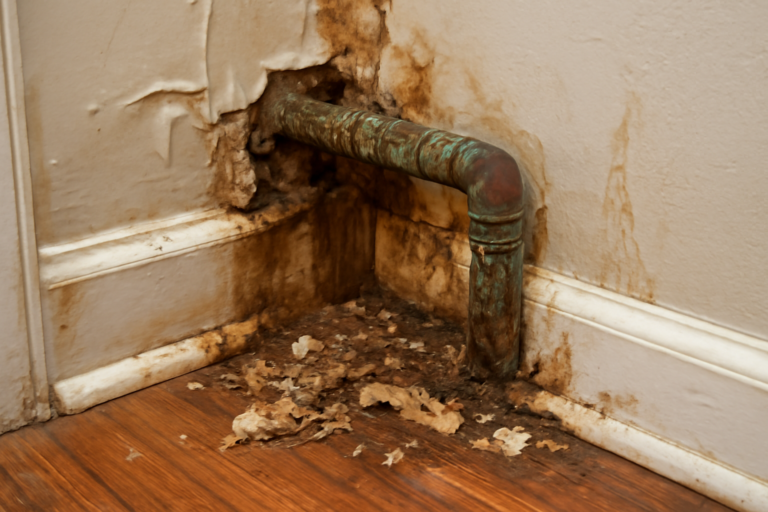
Any new water spots, rings, or discoloration on ceilings, walls, or floors are direct evidence of water intrusion. These marks often appear yellowish or brownish and can worsen over time. Address visible stains promptly before they compromise structural integrity.
Peeling or Bubbling Paint and Wallpaper
Moisture trapped behind finishes can cause paint to blister and peel, or wallpaper to lose its adhesion and bubble up. This is a clear sign that water is saturating the underlying materials. Watch for peeling finishes as a warning of underlying wetness.
Sagging Ceilings or Walls
If you notice sections of your ceiling or walls beginning to sag or bow, it’s a serious sign. This usually means the building materials have absorbed a significant amount of water and are losing their structural strength. Report sagging structures right away; this is a critical safety concern.
Warped or Damaged Flooring
Hardwood floors can cup or warp, laminate can swell, and carpet can become saturated and discolored. Any change in the appearance or texture of your flooring could indicate water damage underneath. Inspect your flooring for any signs of buckling or water saturation.
Increased Humidity Levels
If common areas or individual units feel unusually damp or humid, even with ventilation, there might be an undetected water source. High humidity can also encourage mold growth. Monitor indoor humidity; it’s a key indicator of potential water issues.
Multi-Family Water Damage Restoration vs. DIY: When to Call a Professional
| Situation | DIY? | Call a Pro? | Why |
|---|---|---|---|
| Minor leak from a sink trap in one unit | Yes, if you’re comfortable with basic plumbing. | Yes, if the leak has been ongoing or caused visible damage. | DIY is fine for quick fixes, but professionals ensure no hidden damage is missed. |
| Burst pipe flooding multiple units | No. | Yes, absolutely. | This is a large-scale event requiring immediate, powerful extraction and drying equipment. |
| Water stain on a single ceiling tile | Maybe, if it’s very small and recent. | Yes, to assess for mold and structural integrity. | Even small stains can hide significant moisture problems in ceiling cavities. |
| Basement flooding affecting common storage areas | Yes, for minor puddles and if you have a wet/dry vac. | Yes, if water is more than an inch deep or has soaked into materials. | Professional equipment is needed to dry out dense materials and prevent mold. |
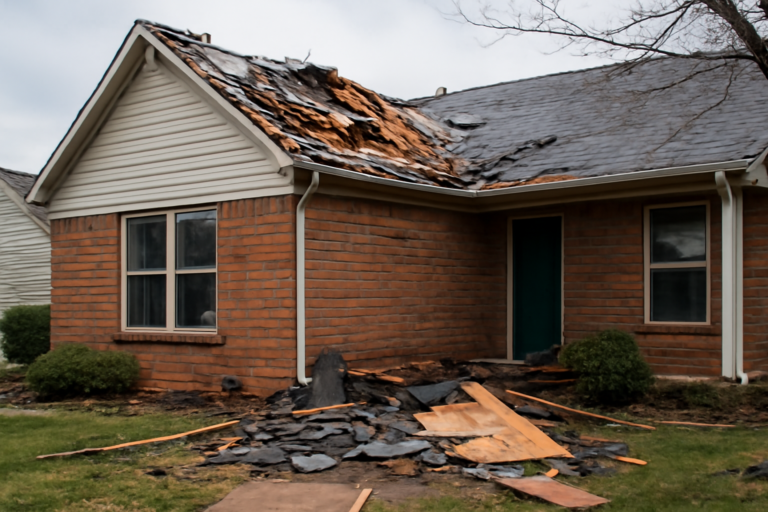
| Roof leak causing damage in top-floor apartments | No. | Yes, immediately. | Roof leaks require specialized assessment and repair, and the water damage inside needs professional drying. |
| Condensation issues in HVAC systems | Maybe, for basic cleaning. | Yes, for thorough inspection and potential mold remediation. | HVAC systems can distribute mold spores if not properly addressed. |
For multi-family properties, even seemingly minor water incidents can escalate quickly across units. Professional intervention is almost always the safest and most effective route to ensure complete restoration and prevent future issues. We’re equipped to handle the complexities of multi-unit water damage.
Multi-Family Water Damage Restoration Cost In Austell, GA
The cost for multi-family water damage restoration in Austell, GA, varies greatly depending on the scope of the problem. Factors like the size of the affected area, the type of water (clean, gray, or black water), the duration of the water exposure, and the materials damaged all play a role. These figures are estimates to give you a general idea.
| Service Aspect | Typical Price Range | What Affects Cost |
|---|---|---|
| Water Extraction (per unit/area) | $500 – $2,500 | The amount of standing water and the complexity of access. |
| Dehumidification and Drying (per unit/area) | $750 – $3,000 | The extent of saturation and the time needed to achieve dryness. |
| Mold Inspection and Testing | $300 – $1,000 | The number of samples taken and the size of the area requiring testing. |
| Antimicrobial Treatment | $200 – $800 (per unit) | The size of the affected space and the type of treatment applied. |
| Minor Reconstruction (drywall, flooring) | $1,000 – $5,000+ (per unit) | The amount of material needing replacement and the labor involved. |
| Odor Removal Services | $300 – $1,500 | The severity of the odor and the methods required for elimination. |
Getting an accurate estimate requires a professional on-site assessment. We offer free, no-obligation estimates for your multi-family property.
Service Areas Near Austell, GA
Lithia Springs, Powder Springs, Marietta, Smyrna, Atlanta, Douglasville, Mableton, Hiram, Kennesaw, Vinings, Acworth, Ellenwood, Lovejoy, Stockbridge, Riverdale, Forest Park, Morrow, Fayetteville, Tyrone, Palmetto.
Common Questions About Multi-Family Water Damage Restoration
What is considered “black water” and how does it affect restoration?
Black water is highly contaminated water, often from sewage backups or floodwaters that have been stagnant for extended periods. It poses significant health risks due to bacteria, viruses, and other pathogens. Restoring black water damage requires specialized containment, personal protective equipment, and thorough disinfection protocols to ensure safety. Our team is equipped to handle these hazardous situations safely and effectively.
How long does the drying process typically take for a multi-family building?
The drying timeline varies greatly, but it often takes anywhere from 3 to 14 days, sometimes longer. Factors include the amount of water, the type of building materials, humidity levels, and the efficiency of our equipment. Consistent monitoring is key to ensuring we achieve optimal drying without unnecessary delays. We aim for speed without compromising thoroughness.
Will my insurance cover multi-family water damage restoration in Austell, GA?
Typically, your property insurance policy should cover water damage, but it depends on the cause. Leaks from internal plumbing are usually covered, while flood damage might require a separate flood insurance policy. Documenting the damage thoroughly is crucial for your insurance claim. We work with insurance adjusters to help streamline the claims process for you.
What are the health risks associated with untreated water damage in apartments?
Untreated water damage can lead to mold growth, which releases spores into the air. Inhaling these spores can cause allergic reactions, respiratory problems, and other health issues, especially for vulnerable individuals. Addressing moisture promptly is essential for maintaining healthy indoor air quality for all residents. We prioritize creating safe living environments.
How do you prevent water damage from spreading from one apartment to another?
We use advanced containment strategies to isolate affected units and prevent water or moisture from migrating to adjacent or lower units. This includes using specialized barriers, negative air pressure, and meticulous drying techniques. Effective containment methods are a cornerstone of our multi-family water damage services. This protects your entire building.
Check Our Other Relevant Services
Serving Austell, GA And Nearby Areas