Trusted by 165+ Homeowners
Multi-Family Water Damage Restoration in Jefferson, GA
- Over 165 5-Star Reviews
- Free Estimates and Quotes
- 100% Satisfaction Guaranteed
- Child, Family & Pet Safe Steps
- 24-Hour Emergency Service
- Fully Licensed & Insured

Dealing With Water Damage in Your Jefferson, GA Apartment Building?
Around here, we often see heavy spring rains or unexpected summer storms lead to serious trouble for multi-family properties. When water finds its way into your apartment building, it doesn’t just cause a mess; it can quickly lead to structural integrity issues and create a breeding ground for mold if not handled properly. You’re likely worried about your tenants and the potential for long-term damage. We understand how stressful this can be, and we’re here to help you navigate it. You want a team that knows how to tackle complex water intrusion scenarios across multiple units.
That’s why so many property managers and owners in the area trust our crews. With over 165 five-star reviews from satisfied clients, we’ve proven we can handle even the most challenging multi-family water damage situations. We focus on getting your property back to normal quickly and efficiently, minimizing disruption for everyone involved. You can count on our dedicated restoration specialists to assess the full scope and execute a plan.
- We specialize in restoring multiple units simultaneously, minimizing downtime and tenant displacement.
- Our advanced drying techniques prevent secondary issues like mold growth and structural weakening in shared walls and floors.
- We provide clear, consistent communication throughout the restoration process, keeping you informed every step of the way.
How We Tackle Multi-Family Water Damage Restoration
When water invades a multi-family building, it’s a different ballgame than a single-family home. You need a systematic approach that addresses each affected unit and common area thoroughly. Cutting corners here can lead to recurring problems and much higher costs down the road. Our team follows a proven process designed to identify the source, remove water efficiently, and dry out all affected materials completely. We use specialized equipment to ensure no moisture is left behind, protecting your investment and your tenants’ health. You’ll see our commitment to thorough damage assessment in every phase.
1. Emergency Water Extraction
Our first priority is to stop the water source and remove standing water as quickly as possible. We use powerful, truck-mounted extraction units to pull out gallons of water, which is crucial for preventing further damage. This step is vital for mitigating long-term property deterioration and begins the drying process immediately. We aim to have this completed within hours of our arrival.
2. Thorough Drying and Dehumidification
Once the bulk of the water is gone, we set up industrial-grade air movers and dehumidifiers. These machines work tirelessly to pull moisture from the air and building materials, like drywall, wood, and carpet padding. This phase can take several days, depending on the extent of the water intrusion and the materials affected, ensuring complete moisture removal.
3. Mold Prevention and Containment
Standing water and damp conditions create the perfect environment for mold to grow. We treat affected areas with EPA-approved antimicrobial solutions to prevent mold and mildew from taking hold. If mold is already present, we have the expertise to contain and remove it safely, protecting your tenants’ health and preventing future contamination. This is a critical step for multi-family dwellings.
4. Detailed Inspection and Material Assessment
Our technicians conduct meticulous inspections to identify all affected materials, from visible water stains to hidden moisture within walls and subfloors. We use advanced moisture meters and thermal imaging cameras to pinpoint every damp spot. This detailed assessment ensures we don’t miss any areas, which is essential for comprehensive property restoration.
5. Reconstruction and Rebuilding
After everything is completely dry and safe, we begin the reconstruction phase. This might involve replacing damaged drywall, flooring, insulation, or making minor structural repairs. Our goal is to restore your property to its pre-loss condition, ensuring it’s safe and comfortable for your residents. We focus on quality craftsmanship to make sure the repairs last.
Don’t let water damage linger and cause bigger headaches. Reach out to us today for a prompt and professional assessment of your multi-family property’s water issues. We’re ready to help you secure your property and restore it to its former state.

Warning Signs You Need Multi-Family Water Damage Restoration
Catching water damage early is your best defense against expensive repairs and health hazards. Pay attention to subtle changes in your building; they can be early indicators of a serious problem. Ignoring these signs can lead to widespread issues that are much harder and costlier to fix. You want to be proactive to protect your building’s value and your tenants’ well-being.
Musty Odors That Won’t Go Away
A persistent, musty smell, especially in common areas or individual units, is often the first sign of hidden moisture and potential mold growth. This indicates water has likely been present for some time, and immediate professional assessment is needed.
Visible Water Stains or Discoloration
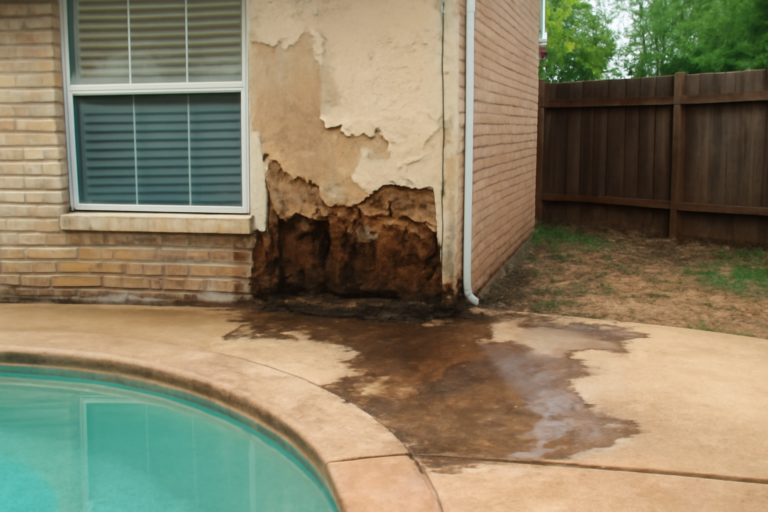
Water spots on ceilings, walls, or around windows and doors are clear indicators of a leak. Don’t assume it’s just cosmetic; it means water is actively penetrating building materials, potentially causing structural damage beneath the surface.
Peeling or Bubbling Paint and Wallpaper
When paint or wallpaper starts to peel away from the wall, it’s often because moisture is trapped behind it. This separation compromises the integrity of the surface and suggests a significant moisture problem that needs addressing.
Soft or Warped Flooring
If you notice sections of carpet feeling unusually soft, or hardwood or laminate flooring starting to warp or buckle, it’s a strong sign of water saturating the subfloor. This can lead to expensive floor replacement if not dried properly.
High Humidity Levels
Consistently high humidity within individual units or common areas, even when HVAC systems are running, can signal underlying moisture issues. Increased humidity can make residents uncomfortable and accelerate the growth of mold and mildew.
Changes in Wall or Ceiling Texture
Walls or ceilings that feel soft to the touch, sag, or show signs of bulging may indicate water saturation. This is a serious structural concern, and prompt professional intervention is crucial to prevent collapse.
Multi-Family Water Damage Restoration vs. DIY: When To Call a Professional
| Situation | DIY? | Call a Pro? | Why |
|---|---|---|---|
| Minor spill on a hard-surface floor in a common area | Yes, if cleaned up immediately | Yes, if spill is large or persistent | Proper drying prevents subfloor damage and mold. |
| Leaking pipe in a single, unoccupied unit | No | Yes | Hidden leaks can spread rapidly, affecting multiple units and structures. |
| Standing water across multiple apartment units or common spaces | No | Yes | Requires specialized equipment and expertise for effective, rapid removal. |
| Water damage affecting structural components (beams, load-bearing walls) | Absolutely Not | Yes | Structural integrity is paramount and requires professional assessment and repair. |
| Suspected mold growth or musty odors throughout the building | No | Yes | Mold can be a serious health hazard and requires professional containment and remediation. |
| Water damage from a sewage backup | Absolutely Not | Yes | Sewage is hazardous and requires specialized biohazard cleanup protocols. |
For multi-family properties, the scale and complexity of water damage often make professional help essential. While small, isolated incidents might be manageable with quick action, any situation involving multiple units, structural components, or potential health hazards demands expert attention. Our team is equipped to handle these large-scale restoration projects efficiently.
Multi-Family Water Damage Restoration Cost In Jefferson, GA
The cost of multi-family water damage restoration in Jefferson, GA, can vary significantly. Factors like the total square footage affected, the depth of water intrusion, the type of materials damaged, and the complexity of the building layout all play a role. These estimates offer a general idea, but an on-site inspection is always needed for an accurate quote. You’ll find our pricing is transparent and competitive.
| Service | Typical Price Range | What Affects Cost |
|---|---|---|
| Emergency Water Extraction (per unit/area) | $500 – $2,000 | Size of the affected area, depth of water, and accessibility. |
| Structural Drying and Dehumidification (per unit/area) | $750 – $3,000 | Duration of drying needed, number of units, and building materials. |
| Antimicrobial Treatment (per unit/area) | $200 – $800 | Size of the treated space and the extent of potential contamination. |
| Mold Containment and Remediation (per unit/area) | $1,000 – $7,500+ | Severity of mold, square footage affected, and containment needs. |
| Demolition and Debris Removal (per unit/area) | $300 – $1,500 | Amount of material needing removal and disposal fees. |
| Reconstruction and Repair (per unit/area) | $1,000 – $10,000+ | Scope of repairs, including drywall, flooring, painting, and electrical/plumbing. |
To get a precise understanding of the costs for your specific multi-family property, we offer free, no-obligation estimates. Our technicians will walk through the affected areas with you and provide a detailed breakdown. We believe in providing clear, upfront pricing.
Service Areas Near Jefferson, GA
Bogart, Braselton, Commerce, Flowery Branch, Gillsville, Hoschton, Jefferson, Lawrenceville, Maysville, Oakwood, Pendergrass, Statham, Suwanee, Talmo, Winder, Auburn, Bethlehem, Buford, Carnesville, Chestnut Mountain.
Common Questions About Multi-Family Water Damage Restoration
How long does multi-family water damage restoration typically take?
The timeline for restoring a multi-family property depends heavily on the extent of the water damage. Simple water extraction and drying might take a few days to a week for a few units. However, if there’s significant structural damage or mold present, it could take several weeks or even months to fully restore multiple units and common areas. We work diligently to expedite the process while ensuring all work is done correctly. Our goal is to get residents back into their homes as safely and quickly as possible.
What are the health risks associated with water damage in apartments?
Water damage creates a perfect breeding ground for mold, bacteria, and other microorganisms that can cause significant health problems. These can include respiratory issues, allergies, skin irritations, and even more severe conditions, especially for those with compromised immune systems. It’s vital to address water damage promptly to prevent these serious health hazards. We use specialized treatments to neutralize contaminants and ensure your building is safe for occupancy.
Will my insurance cover multi-family water damage restoration?
In most cases, standard property insurance policies cover water damage, especially if it’s from a sudden and accidental event like a burst pipe or heavy storm. However, coverage can vary based on your specific policy and the cause of the damage. We can work directly with your insurance adjuster to help document the damage and streamline the claims process. You can rely on our team for accurate damage documentation to support your claim.
What equipment do you use for drying large multi-family buildings?
For large-scale water damage, we deploy powerful, industrial-grade equipment. This includes high-capacity water extractors, a variety of air movers designed for different surfaces and airflow needs, and industrial dehumidifiers capable of removing moisture from large volumes of air. We also utilize advanced moisture meters and thermal imaging cameras to ensure complete drying and inspection. This professional equipment is essential for tackling the challenges of multi-family properties.
Can I prevent water damage in my apartment building?
While not all water damage is preventable, you can significantly reduce the risk. Regular maintenance is key: inspect roofs and gutters, check plumbing for leaks, ensure proper drainage around the foundation, and educate tenants on what to do if they spot a leak. Promptly addressing any small issues, like a dripping faucet or a minor roof leak, can prevent major water intrusion events. We also offer guidance on preventative measures during our assessments.
Check Our Other Relevant Services
Serving Jefferson, GA And Nearby Areas