Trusted by 165+ Homeowners
Multi-Family Water Damage Restoration in Snellville, GA
- Over 165 5-Star Reviews
- Free Estimates and Quotes
- 100% Satisfaction Guaranteed
- Child, Family & Pet Safe Steps
- 24-Hour Emergency Service
- Fully Licensed & Insured

When Water Doesn’t Respect Property Lines: Expert Multi-Family Water Damage Restoration in Snellville, GA
Here in Snellville, GA, we know how quickly a sudden downpour or a persistent humidity can turn a minor issue into a major headache, especially in multi-family dwellings. Think about those humid summer months when leaky roofs or overflowing gutters can start affecting not just one unit, but potentially several. It’s that slow seep, or sometimes a sudden burst, that can wreak havoc, demanding immediate professional attention to prevent widespread damage. Understanding these local risks is the first step to protecting your investment and keeping your residents safe.
With over 165 five-star reviews from folks right here in your neighborhood, our team has become the go-to for tackling complex water damage situations in apartment buildings and condos. You’ve probably seen our trucks around, helping neighbors like you overcome stressful situations. We understand that when water hits multiple units, the stakes are higher, and you need a team that can respond swiftly and effectively, offering reliable, expert service when you need it most. We’re known for our thorough, efficient work, ensuring your property is restored with minimal disruption.
- We specialize in coordinating large-scale water extraction and drying across multiple units simultaneously, minimizing downtime and tenant inconvenience.
- Our technicians are trained to identify hidden moisture in shared walls and common areas, preventing future mold growth and structural issues that can affect the entire building.
- We provide clear communication and detailed reporting, which is crucial for property managers and HOAs dealing with insurance claims and multiple stakeholders.
How We Handle Multi-Family Water Damage: A Step-by-Step Approach
When water damage impacts a multi-family property, a well-defined process isn’t just helpful, it’s essential. Cutting corners here can lead to lingering moisture, mold, and costly secondary damages that affect everyone involved. Our approach focuses on swift, decisive action and thorough documentation, ensuring that we address the immediate problem and prevent long-term consequences for your entire building. We’ve developed our methods over years of working in the area, so you can trust our systematic, proven techniques.
Initial Damage Assessment and Containment
As soon as we arrive, our primary goal is to stop the water source and contain the affected areas. We’ll conduct a rapid assessment to determine the extent of the water intrusion across all units and common spaces. Using advanced moisture meters and thermal imaging, we pinpoint exactly where the water is hiding, even behind walls or under floors, to prevent further spread.
Water Extraction
This is where the heavy lifting begins. We deploy powerful, industrial-grade water extraction equipment to remove standing water as quickly as possible from all affected units. Our teams work efficiently to extract water from carpets, subfloors, and any other saturated materials, aiming to remove bulk water before it can cause deeper damage or compromise structural integrity.
Drying and Dehumidification
Once the bulk water is gone, the critical drying phase begins. We strategically place high-velocity air movers and industrial dehumidifiers throughout the affected units and common areas. This process can take several days, depending on the severity of the water damage, and is monitored closely by our technicians to ensure effective moisture removal and prevent secondary issues like mold.
Cleaning and Sanitization
Water damage, especially from sources like sewage or contaminated runoff, can leave behind harmful bacteria and odors. We use specialized cleaning agents and antimicrobial treatments to thoroughly clean and sanitize all affected surfaces. This step is crucial for restoring a healthy environment and preventing the growth of mold and mildew, ensuring the safety of all residents.
Restoration and Reconstruction
After the drying and cleaning are complete, we move into the restoration phase. This might involve repairing drywall, replacing baseboards, restoring flooring, and repainting. Our aim is to return the property to its pre-loss condition, making sure all repairs are done to a high standard of quality, so your building looks and feels as good as new.
Dealing with water damage across multiple units can feel overwhelming, but acting fast makes all the difference. Reach out to us today to get expert assessment and immediate action for your property.

Warning Signs You Need Multi-Family Water Damage Restoration
Catching water issues early in a multi-family building is key to avoiding costly repairs and major headaches for everyone involved. Ignoring the signs can lead to mold, structural damage, and unhappy residents. That’s why it’s so important to be aware of what to look for.
Musty Odors That Won’t Go Away
A persistent, damp, or musty smell, especially in common areas or multiple units, is a strong indicator of hidden moisture. This smell often means mold is starting to grow, which needs professional intervention.
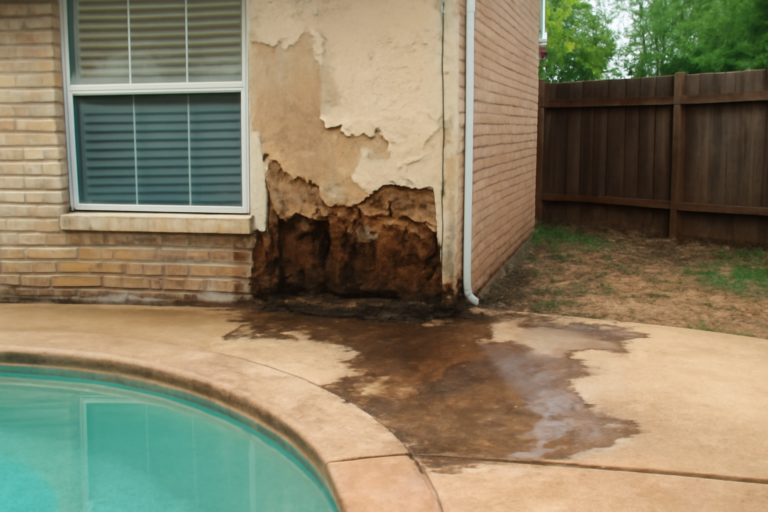
Visible Water Stains or Discoloration
Look for dark spots or rings on ceilings, walls, or floors. These are clear signs that water has been present and potentially causing structural compromise.
Peeling or Bubbling Paint and Wallpaper
Moisture trapped behind finishes can cause them to separate from the underlying surface. This is a visual cue that water intrusion is active.
Warped or Damaged Flooring
Hardwood floors might buckle or warp, and carpet can become saturated and start to separate from its backing. This indicates significant water saturation.
Increased Humidity Levels
If the air in certain areas feels unusually damp or sticky, it could be a sign of a slow leak or inadequate drying after a previous incident. This creates a breeding ground for mold.
Sounds of Dripping or Running Water
Hearing these sounds when no plumbing is in use, especially between floors or within walls, suggests an active leak that needs immediate attention.
Multi-Family Water Damage Restoration vs. DIY: When To Call a Professional
| Situation | DIY? | Call a Pro? | Why |
|---|---|---|---|
| Minor spill on a small section of carpet in one unit | Yes, if caught immediately and dried thoroughly. | No | Can usually be managed with towels and fans if addressed promptly. |
| Leaking pipe in a single unit, affecting only that unit’s flooring | Maybe, for extraction if you have the equipment. | Yes | Professional extractors are more effective, and faster drying prevents secondary damage. |
| Water damage affecting multiple units or common areas | Absolutely Not | Yes | Requires coordinated large-scale extraction, specialized drying equipment, and professional assessment of hidden damage. |
| Sewage backup or contaminated water intrusion | Absolutely Not | Yes | Biohazard risk requires specialized containment, cleaning, and sanitization protocols. |
| Suspected mold growth in multiple units or shared spaces | Absolutely Not | Yes | Mold remediation requires professional assessment, containment, and removal to prevent health risks. |
| Water damage impacting structural elements (walls, ceilings, subfloors) | Absolutely Not | Yes | Structural integrity needs expert evaluation and repair to ensure safety and prevent future issues. |
For multi-family properties, the complexity and potential for widespread damage mean that professional intervention is almost always the best course of action. It’s about more than just removing water; it’s about ensuring the long-term health and safety of your building and its occupants.
Multi-Family Water Damage Restoration Cost In Snellville, GA
The cost for multi-family water damage restoration in Snellville, GA, can vary significantly based on the scope of the damage, the number of units affected, and the specific types of materials that need restoration. These are general estimates, not firm quotes.
| Service | Typical Price Range | What Affects Cost |
|---|---|---|
| Water Extraction (per unit) | $500 – $2,500 | Size of the unit, amount of water, and type of flooring. |
| Structural Drying (per unit) | $750 – $3,000 | Severity of saturation, building materials, and duration of drying needed. |
| Mold Inspection and Testing | $300 – $1,000 | Number of areas tested and laboratory analysis fees. |
| Mold Remediation (per unit) | $1,000 – $5,000+ | Extent of mold growth, containment needs, and remediation methods required. |
| Deodorization and Sanitization | $300 – $1,500 | Size of affected areas and the type of sanitizing agents used. |
| Minor Reconstruction (e.g., drywall repair, trim) | $500 – $3,000+ | Amount of material damage and complexity of the repairs. |
Getting a precise quote for your specific situation requires a professional on-site assessment. We offer free estimates to help you understand the scope and cost involved.
Service Areas Near Snellville, GA
Lilburn, Tucker, Stone Mountain, Norcross, Lawrenceville, Suwanee, Duluth, Johns Creek, Berkeley Lake, Chamblee, Doraville, Clarkston, Decatur, Avondale Estates, Conyers, Covington, Social Circle, Monroe, Winder, Buford.
Common Questions About Multi-Family Water Damage Restoration
How quickly do you respond to a multi-family water damage emergency?
We understand that time is critical when dealing with water damage, especially in multi-family settings. Our crews are available 24/7 and aim to respond to emergencies in Snellville, GA, within a few hours. The sooner we can start the extraction and drying process, the less damage we’ll have to repair.
What’s the difference between water damage and flood damage?
Generally, water damage refers to harm caused by internal sources like burst pipes or appliance leaks. Flood damage typically comes from external sources like heavy rain or overflowing rivers. Both require professional remediation techniques to prevent mold and structural issues, but the classification can affect insurance coverage.
How long does the drying process typically take for a multi-family building?
The drying process can vary greatly, but for significant water damage in multiple units, it often takes anywhere from 3 to 10 days, sometimes longer. We use specialized equipment and constant monitoring to speed up the process, but thorough drying is essential to prevent mold and ensure the building’s integrity.
Will my insurance cover multi-family water damage restoration?
In most cases, water damage caused by internal issues like pipe bursts is covered by property insurance. Flood damage often requires separate flood insurance. We work closely with property managers and insurance adjusters to document the damage and facilitate the claims process, ensuring you get the coverage you’re entitled to.
What are the health risks associated with water damage in apartments?
The primary health risk is mold growth, which can cause or worsen respiratory problems, allergies, and other health issues. Stagnant water can also harbor bacteria. It’s vital to address water damage promptly and ensure complete drying and sanitization to maintain a healthy living environment for all residents.
Check Our Other Relevant Services
- Frozen Pipe Water Damage Restoration in Snellville, GA
- Corroded Pipe Water Damage Restoration in Snellville, GA
Serving Snellville, GA And Nearby Areas