Trusted by 165+ Homeowners
Rental Property Water Damage Restoration in Cumming, GA
- Over 165 5-Star Reviews
- Free Estimates and Quotes
- 100% Satisfaction Guaranteed
- Child, Family & Pet Safe Steps
- 24-Hour Emergency Service
- Fully Licensed & Insured

When Water Becomes a Tenant’s Worst Nightmare: Rental Property Water Damage Restoration in Cumming, GA
You just got off the phone with your tenant, and the news is bad. Water is seeping from the ceiling in the master bedroom, or maybe a pipe burst under the kitchen sink. This isn’t just a drip; it’s a growing problem that’s affecting your property and their comfort. You need a rapid response to prevent further damage and get your rental unit back to normal, fast. Dealing with water intrusion in a rental property means you’re balancing your tenant’s needs with your investment’s integrity. We understand the urgency you feel right now.
Locally, homeowners and property managers trust us for this exact situation. We’ve helped over 165 clients in your neighborhood achieve a successful water damage recovery, earning more than 165 five-star reviews. When water damages your rental income property, you need a team that understands the specific challenges: minimizing tenant disruption, documenting everything for potential claims, and restoring the property efficiently. You can count on our crews for a professional and swift recovery.
- We focus on quick response times to minimize your tenant’s inconvenience and prevent secondary issues like mold growth.
- Our team works diligently to document the damage comprehensively, which can be crucial for insurance claims and future reference.
- We employ specialized drying and dehumidification techniques to ensure your property is thoroughly dried, protecting its structural integrity and your investment.
The Science Behind Restoring Your Rental Property After Water Intrusion
When water invades your rental property, it doesn’t just sit on the surface; it penetrates materials, leading to unseen damage. Our process for Rental Property Water Damage Restoration is rooted in understanding how moisture behaves. We don’t just remove standing water; we use precise instruments to track hidden moisture and apply scientific drying protocols. Cutting corners here can lead to mold, warped structures, and lingering odors—problems that cost far more down the line. You need a team that respects the science of drying and restoration.
Initial Water Extraction
Our first step is to immediately remove all visible standing water. We use powerful truck-mounted or portable extraction units designed to pull water out of carpets, subfloors, and other porous materials. This is a critical first response to halt the immediate spread of water and begin the drying process effectively. This phase can take anywhere from a few hours to a full day, depending on the volume of water.
Moisture Detection and Assessment
Once the bulk of the water is gone, we deploy advanced moisture meters and thermal imaging cameras. These tools allow us to detect water hidden within walls, under flooring, and behind cabinets. Identifying the full extent of the water intrusion is absolutely essential for proper drying and preventing future problems. This detailed assessment usually takes a few hours.
Controlled Drying and Dehumidification
We strategically place industrial-grade air movers and dehumidifiers throughout your property. These machines work together to increase evaporation rates and remove moisture from the air, creating a controlled drying environment. Our technicians monitor humidity and temperature levels closely, adjusting equipment as needed to ensure materials dry to safe, pre-loss moisture content. This meticulous process often takes several days of continuous operation.
Containment and Air Quality Management
To prevent the spread of moisture and potential contaminants, we may set up containment barriers. This isolates affected areas, protecting unaffected parts of your rental unit. We also use air scrubbers with HEPA filters to remove airborne particles and improve indoor air quality. Maintaining a healthy living environment is paramount for your tenants.
Restoration and Rebuilding
After your property is thoroughly dried and tested, we begin the restoration phase. This can involve replacing damaged drywall, flooring, insulation, or cabinetry. Our goal is to return your rental property to its pre-water damage condition, ensuring it’s safe and comfortable for your tenants. This phase varies greatly in time, from a few days to several weeks, depending on the scope of repairs needed.
Don’t let water damage linger and worsen. Call us now to get your rental property back on track. We’re ready to deploy our specialized equipment and expertise.

Warning Signs You Need Rental Property Water Damage Restoration
Catching water damage early is key to minimizing costs and tenant complaints. Your rental property might be silently suffering from water intrusion even when there isn’t a visible flood. Being aware of subtle signs can save you significant headaches and expense. Early detection is your best defense against costly repairs and potential health hazards for your tenants.
Musty Odors That Won’t Go Away
A persistent damp, musty, or moldy smell, especially in closets, basements, or near plumbing, is a strong indicator of hidden moisture. This odor means mold or mildew is likely growing, and prompt professional intervention is required to address the source and remediate the growth.
Visible Water Stains or Discoloration
Look for yellowish or brownish stains on ceilings, walls, or around baseboards. These are often signs that water has been seeping through materials, compromising paint and drywall. These marks indicate water has penetrated deeply and needs professional drying.
Peeling or Bubbling Paint and Wallpaper
When moisture gets behind paint or wallpaper, it can cause them to blister, bubble, or peel away from the surface. This is a clear visual cue that the material behind it is saturated. Addressing this sign means preventing structural compromise of the underlying surfaces.
Warped or Sagging Ceilings and Walls
As drywall absorbs water, it can become heavy, leading to sagging or warping. This is a serious sign that the structural integrity of your walls and ceilings is compromised. You need immediate attention to prevent further collapse and ensure tenant safety.
Soft Spots on Floors
If you notice soft or spongy areas on carpets, wood floors, or vinyl flooring, it means the subfloor beneath is likely saturated. This can lead to rot and mold growth. These soft spots signal significant moisture beneath the surface that needs professional drying.
Increased Humidity Levels
If your tenants complain about the air feeling unusually damp or clammy, or if condensation is frequently appearing on windows, it could indicate a larger water issue. Elevated humidity levels are a breeding ground for mold and mildew, requiring expert assessment and drying solutions.
Rental Property Water Damage Restoration vs. DIY: When To Call a Professional
| Situation | DIY? | Call a Pro? | Why |
|---|---|---|---|
| Minor spill on hard flooring (e.g., tile, linoleum) | Yes | No | Easily cleaned up with towels and fans. |
| Small leak from faucet or toilet (contained) | Yes | No | Can be managed with towels and dehumidifiers if caught immediately. |
| Water damage affecting carpet and padding | No | Yes | Requires specialized extraction and drying equipment to prevent mold and subfloor damage. |
| Water intrusion from a burst pipe or ceiling leak | No | Yes | Often involves hidden water, structural damage, and requires professional assessment and drying protocols. |
| Any sign of mold or mildew growth | No | Yes | Requires containment, specialized cleaning, and remediation techniques to ensure safety. |
| Widespread water damage impacting multiple rooms or floors | No | Yes | The scope is too large for DIY; requires professional-grade equipment and expertise for efficient drying and restoration. |
While small, contained spills might be manageable, any significant water intrusion, especially involving carpets, drywall, or hidden areas, demands professional attention. For rental properties, ensuring a complete and safe dry-out is crucial for tenant health and protecting your asset. Calling a professional immediately is often the most cost-effective approach in the long run.
Rental Property Water Damage Restoration Cost In Cumming, GA
The cost of Rental Property Water Damage Restoration in Cumming, GA, can vary significantly based on the extent of the water damage, the size of the affected area, and the complexity of the restoration required. These figures represent general estimates and are not a guarantee of the final price. Understanding potential costs helps in planning and working with insurance. We provide free, detailed estimates on-site.
| Service | Typical Price Range | What Affects Cost |
|---|---|---|
| Water Extraction & Dehumidification | $500 – $3,500 | Amount of water, size of affected area, and duration of drying needed. |
| Moisture Detection & Assessment | $200 – $700 | Use of advanced equipment like thermal cameras and moisture meters. |
| Containment & Air Quality Control | $300 – $1,500 | Size of the contained area and the type/number of air scrubbers used. |
| Carpet & Upholstery Cleaning/Restoration | $200 – $1,000 | Square footage and the extent of soiling or damage to the materials. |
| Drywall & Insulation Repair/Replacement | $500 – $3,000+ | Square footage needing replacement and material costs. |
| Subfloor Drying & Repair | $400 – $2,000+ | Severity of subfloor saturation and whether repair or replacement is necessary. |
The final cost will depend on a thorough on-site inspection by our certified technicians. We offer free, no-obligation estimates to provide you with a clear understanding of the necessary work and investment. Contact us today to schedule your assessment.
Service Areas Near Cumming, GA
We proudly serve Cumming, GA, and the surrounding communities, including Alpharetta, Suwanee, Johns Creek, Milton, Buford, Sugar Hill, Duluth, Norcross, Roswell, Marietta, Canton, Woodstock, Ball Ground, Dawsonville, Dahlonega, Oakwood, Flowery Branch, Oakdale, and Holly Springs. We’re your local team for water damage emergencies.
Common Questions About Rental Property Water Damage Restoration
What’s the first thing I should do when I find water damage in my rental property?
The very first step is to stop the water source if it’s safe to do so. Then, notify your tenants to avoid the affected areas. For your rental property, contacting us immediately is crucial. We can assess the situation, begin extraction, and help prevent further damage, protecting both your investment and your tenant’s living situation. We work efficiently to minimize disruption for everyone involved.
How long does the water damage restoration process typically take for a rental unit?
The timeline varies greatly depending on the severity of the water intrusion. Minor incidents might be resolved in 1-3 days, while more significant damage could take weeks. Our team prioritizes efficient drying and restoration, using specialized equipment to speed up the process. We’ll provide you with a realistic timeline after our initial assessment.
Will my insurance cover the cost of Rental Property Water Damage Restoration?
Typically, landlord insurance policies cover sudden and accidental water damage, like from a burst pipe or storm. Damage from lack of maintenance or a tenant’s negligence might not be covered. We work closely with insurance adjusters and can provide detailed documentation to support your claim. Navigating insurance claims can be complex, and we aim to make it as smooth as possible for you.
Is mold a concern after water damage in my rental property?
Yes, mold can start to grow within 24-48 hours in damp conditions. If water damage isn’t addressed quickly and thoroughly, mold is a significant risk. Our restoration process includes thorough drying and, if necessary, mold remediation to ensure your property is safe and healthy for your tenants. We take mold prevention very seriously.
How can I prevent water damage in my rental properties?
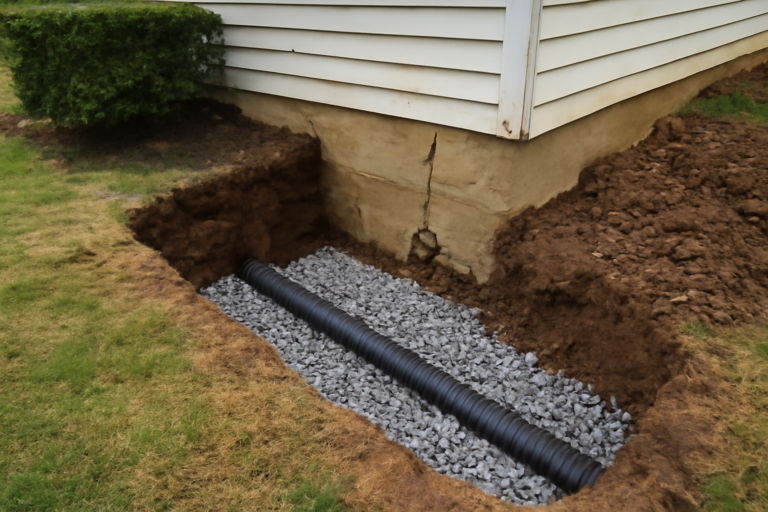
Regular maintenance is key. Inspecting plumbing, roofs, and appliances periodically, ensuring proper drainage around the foundation, and encouraging tenants to report leaks promptly can prevent many issues. For example, checking appliance hoses and caulking around tubs can prevent costly water intrusions. We also offer guidance on proactive measures you can take.
Check Our Other Relevant Services
Serving Cumming, GA And Nearby Areas