Trusted by 165+ Homeowners
River Flooding Damage Restoration in Canton, GA
- Over 165 5-Star Reviews
- Free Estimates and Quotes
- 100% Satisfaction Guaranteed
- Child, Family & Pet Safe Steps
- 24-Hour Emergency Service
- Fully Licensed & Insured

When River Waters Rise: Expert River Flooding Damage Restoration in Canton, GA
The unmistakable smell of damp earth and stagnant water hits you the moment you step inside. You see it then – water pooling on your floors, furniture submerged, and the slow creep of mud seeping into your walls. This isn’t just a little leak; it’s river flooding, and your home in Canton, GA, is directly affected. You need a team that understands the unique challenges of this specific type of water damage, one that can act fast to prevent further destruction and begin the critical drying process immediately. This is a serious situation that requires immediate professional attention.
Locally, homeowners have come to trust our crews for their expertise in handling the aftermath of river flooding. We’ve seen it all around here, from minor overflows to significant inundation, and our 165+ five-star reviews reflect our commitment to getting your property back to normal. When river waters recede, the real work begins, and you need a team that can navigate the complexities of structural drying and microbial growth prevention. You’ll find that our approach is both thorough and efficient, ensuring your home receives the specialized care it deserves.
- We specialize in the unique challenges of river flood damage, focusing on the deep saturation and potential contamination that comes with natural water sources.
- Our team uses advanced moisture detection tools and drying equipment specifically designed for large-scale water removal and structural drying.
- We prioritize your family’s health by implementing strict containment and sanitization protocols to address any potential mold or bacteria introduced by floodwaters.
How River Flooding Damage Restoration Actually Works
Dealing with river flooding requires more than just mopping up water; it demands a scientific approach to drying and restoration. When floodwaters inundate your property, they leave behind not just moisture but often sediment and contaminants that can compromise your home’s structure and indoor air quality. A proper restoration process involves meticulous extraction, controlled drying, and thorough sanitization to prevent secondary damage like mold growth and structural weakening. Cutting corners here can lead to long-term, costly problems and impact your family’s health and safety, so understanding the steps is crucial for effective water damage recovery.
Water Extraction
Our crews arrive with powerful submersible pumps and industrial-grade water extractors designed to remove standing water quickly and efficiently. We aim to remove as much bulk water as possible within the first 24 hours to halt the progression of damage and begin the drying process. This initial step is critical for minimizing structural compromise and reducing the overall drying time, which is why speed is essential.
Structural Drying and Dehumidification
Once the standing water is gone, we deploy specialized equipment like high-velocity air movers and industrial dehumidifiers. These machines create controlled airflow across wet surfaces and remove moisture from the air, targeting hidden water in walls, floors, and ceilings. We use moisture meters to track drying progress, ensuring we reach the required dryness levels for complete structural integrity and to prevent mold. This phase is vital for long-term property health.
Containment Procedures
River floodwaters can carry silt, bacteria, and other contaminants. We establish containment barriers using plastic sheeting and negative air pressure systems to prevent the spread of airborne particles and potential mold spores to unaffected areas of your home. This meticulous containment is key to maintaining a healthy indoor environment and ensuring effective restoration results. It’s a non-negotiable safety measure.
Odor Control and Sanitization
The lingering musty odors after a flood are often a sign of microbial activity. We use professional-grade antimicrobial treatments and deodorizing agents to neutralize odors at their source and eliminate harmful bacteria. This sanitization process is essential for restoring your home to a safe and healthy living space. Our goal is your complete well-being.
Content Restoration
We carefully assess salvageable items like furniture, carpets, and personal belongings. Depending on the extent of damage and contamination, items may be professionally cleaned, restored, or safely discarded. Our team works to salvage as much as possible, helping you recover your cherished possessions and minimize replacement costs. We handle your belongings with utmost care and respect.
Don’t let river flood damage linger. Contact us now to get your home’s restoration started immediately. We’re ready to deploy our crews and begin the critical recovery process today. Your property’s safety is our priority.

Warning Signs You Need River Flooding Damage Restoration
Catching the signs of river flooding early is key to preventing more extensive damage and costly repairs down the line. Ignoring these indicators can lead to structural issues, mold infestations, and a significant decline in your home’s air quality. Recognizing these subtle and not-so-subtle clues is the first step toward protecting your investment and your family’s health. Be aware of what to look for after any significant rainfall or river rise in your neighborhood.
Musty Odors That Won’t Go Away
A persistent, damp, or mildewy smell, especially in lower levels or rooms near the river, is a strong indicator of hidden moisture. This odor often signals the beginning of mold or bacteria growth within your walls or under your flooring. You can’t just mask this with air fresheners; it requires professional remediation.
Visible Water Lines or Stains
Look for water marks on baseboards, walls, or even the ceiling. These lines show how high the floodwaters reached, even if the water has since receded. These stains are not just cosmetic; they indicate that the building materials have absorbed water and may be compromised, requiring thorough drying and assessment.
Soft or Spongy Flooring
If your carpets feel unusually soft, squishy, or are pulling away from the tack strips, it’s a clear sign of deep saturation. Wood or laminate floors might also show signs of buckling or warping. This compromised flooring needs immediate attention to prevent further damage to the subfloor.
Peeling or Bubbling Paint and Drywall
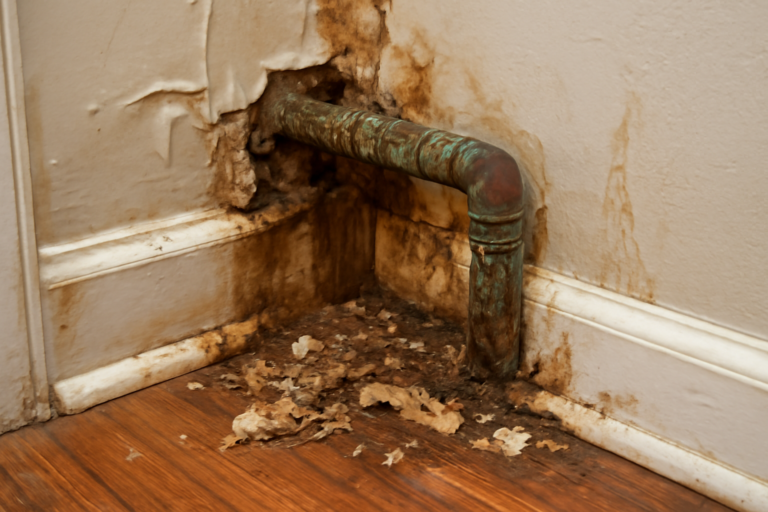
Waterlogged drywall and paint can begin to peel, blister, or sag. This is a visual cue that moisture has penetrated the materials, weakening their structure. Addressing this early prevents larger sections of drywall from needing replacement, saving you significant repair costs.
Warm Spots or Damp Walls
Sometimes, hidden water can cause wall surfaces to feel unusually warm or cool and damp to the touch, even after the visible water is gone. This often points to water trapped behind walls or within insulation. Detecting and drying these areas is crucial for preventing mold.
Condensation on Windows or Walls
An increase in condensation, especially if it’s accompanied by a musty smell, can indicate high humidity levels within your home caused by residual moisture. This is an environment where mold thrives, so it’s a warning sign you shouldn’t ignore.
River Flooding Damage Restoration vs. DIY: When To Call a Professional
| Situation | DIY? | Call a Pro? | Why |
|---|---|---|---|
| Standing water over 1 inch deep | No | Yes | DIY equipment can’t handle large volumes, increasing risk and delay. |
| Water has entered wall cavities or crawl spaces | No | Yes | Hidden moisture requires specialized tools and knowledge to locate and dry. |
| Suspected contamination (sewage, river silt) | No | Yes | Professionals have safety gear and treatments for biohazards. |
| Electrical outlets or appliances submerged | Absolutely Not | Yes | Extreme electrocution risk; requires immediate professional response. |
| Water damage affecting HVAC systems | No | Yes | Contaminated air can circulate throughout the house, requiring specialized cleaning. |
| Drying time is taking longer than 48 hours | No | Yes | Extended moisture means high risk of mold and structural damage. |
For river flooding, especially when it involves more than a few inches of water or has been present for over a day, calling a professional is almost always the safest and most effective choice. Our team has the specialized equipment and training to handle the complexities of river water damage, ensuring your home is dried properly and safely. This prevents future health issues and costly structural repairs.
River Flooding Damage Restoration Cost in Canton, GA
The cost of river flooding damage restoration in Canton, GA, can vary significantly based on the extent of the water intrusion, the size of the affected area, and the specific materials damaged. These figures are general estimates and a detailed on-site assessment is necessary for an accurate quote. Factors like the speed of response and the type of affected materials will influence the final price. We aim to provide transparent pricing for this essential service.
| Service | Typical Price Range | What Affects Cost |
|---|---|---|
| Water Extraction & Removal | $500 – $3,000 | Volume of water, square footage, and accessibility. |
| Structural Drying & Dehumidification | $1,000 – $7,500+ | Size of affected area, duration of drying needed, and complexity of the structure. |
| Containment & Air Filtration | $300 – $1,500 | Number of rooms to contain and the type of air purification needed. |
| Odor Control & Sanitization | $400 – $2,000 | Severity of contamination and the types of treatments required. |
| Carpet & Upholstery Cleaning/Restoration | $300 – $2,500 | Square footage, material type, and whether replacement is ultimately needed. |
| Mold Remediation (if necessary) | $1,000 – $10,000+ | Amount of affected material, containment needs, and remediation techniques. |
Getting a free estimate is the best way to understand the specific costs for your situation. Our technicians will assess the damage thoroughly and provide a clear, detailed breakdown of the restoration process and associated costs. We believe in providing clear, upfront information so you can make informed decisions about your home’s recovery.
Service Areas Near Canton, GA
Ball Ground, Holly Springs, Woodstock, Roswell, Alpharetta, Marietta, Kennesaw, Acworth, Cartersville, Emerson, White, Adairsville, Rydal, Kingston, Taylorsville, Dallas, Hiram, Powder Springs, Austell, Mableton.
Common Questions About River Flooding Damage Restoration
What’s the first thing I should do after river floodwaters enter my home?
Your immediate priority is safety. Turn off the main power if it’s safe to do so, especially if water has reached electrical outlets. Avoid walking through floodwaters if possible, as they can contain dangerous contaminants. Document the damage with photos or videos for insurance purposes. Then, call a professional river flooding restoration team right away to begin the critical drying process and ensure your home is restored safely.
How long does river flooding damage restoration typically take?
The timeline varies greatly depending on the severity of the flooding, how quickly we can start the drying process, and the building materials involved. While initial water extraction might happen within a day or two, complete structural drying can take anywhere from a few days to several weeks. We use advanced monitoring to ensure your home is dried to optimal levels, preventing long-term moisture issues and mold growth.
Is river flood water considered hazardous?
Yes, river flood water is almost always considered hazardous. It can contain sewage, chemicals, bacteria, and other contaminants from upstream sources and the ground it flows over. It’s crucial to avoid direct contact and allow professionals like our team to handle the cleanup, including proper containment and sanitization to protect your family’s health. We take every necessary precaution for your safety and well-being.
What kind of equipment do you use for river flooding restoration?
We use a range of industrial-grade equipment, including powerful submersible pumps for bulk water removal, high-velocity air movers to accelerate surface drying, and commercial-grade dehumidifiers to remove moisture from the air and building materials. We also utilize advanced moisture meters and thermal imaging cameras to detect hidden water and ensure thorough drying. This specialized equipment is key to a faster, more effective restoration.
Can I prevent river flooding damage to my home?
While you can’t stop a river from flooding, you can take steps to mitigate potential damage. Consider installing flood vents in crawl spaces, elevating critical systems like furnaces and water heaters, and maintaining your property’s drainage around the foundation. For homes in flood-prone areas, flood insurance is also a wise consideration. If flooding does occur, prompt action with a professional team is the best defense against extensive damage.
Check Our Other Relevant Services
Serving Canton, GA And Nearby Areas