Trusted by 165+ Homeowners
River Flooding Damage Restoration in Cartersville, GA
- Over 165 5-Star Reviews
- Free Estimates and Quotes
- 100% Satisfaction Guaranteed
- Child, Family & Pet Safe Steps
- 24-Hour Emergency Service
- Fully Licensed & Insured

When the Etowah River Swells: Expert River Flooding Damage Restoration in Cartersville, GA
We all love living near the Etowah River, but sometimes it reminds us of its power. We’ve seen those heavy spring rains and early summer storms turn our peaceful river into a force that can inundate homes around Cartersville, GA. When that happens, dealing with the aftermath of river flooding is a daunting task, and you need a team that understands the unique challenges this type of water damage presents. Getting your home back to normal after a river overflow requires specialized attention to prevent further damage and ensure your family’s safety.
Our neighbors trust us for their river flood damage needs, and it shows. With over 165 five-star reviews, you can see we’re dedicated to providing effective and compassionate service right here in your neighborhood. We understand that when your home has been affected by river flooding, you need a team that responds quickly and works diligently to restore your property. We’re committed to helping you navigate this stressful time with clear communication and dependable results.
- Rapid water extraction tailored for river flood debris and sediment, ensuring a thorough initial cleanup.
- Advanced drying and dehumidification techniques specifically designed to combat the high moisture levels common after river inundations.
- Expert mold and mildew prevention strategies, crucial for properties exposed to prolonged standing river water and humidity.
How River Flooding Damage Restoration Actually Works
When river water enters your home, it’s not just water; it’s often carrying silt, debris, and potential contaminants. That’s why a proper restoration process is so important, and why you shouldn’t try to tackle it alone. Cutting corners here can lead to lingering moisture issues, structural problems, and even health hazards down the line. Our team follows a proven, methodical approach to ensure every aspect of the river flood damage is addressed, from the initial assessment to the final touches. We believe in transparent communication throughout the entire process so you always know what to expect.
Step 1: Initial Assessment and Water Removal
The moment we arrive, our certified technicians will conduct a thorough inspection to understand the extent of the river flooding. We use powerful pumps and extraction equipment to remove standing water, which can often be a mix of river water and sediment. This critical first step aims to remove bulk water quickly and efficiently, setting the stage for effective drying. We’ll also identify any immediate safety concerns.
Step 2: Debris Removal and Cleaning
River flooding often leaves behind mud, silt, and debris. Our crews meticulously remove these materials from your floors, walls, and affected belongings. We then thoroughly clean and sanitize all surfaces to eliminate odors and potential contaminants introduced by the river water, ensuring a hygienic environment. This step is vital for preventing secondary issues.
Step 3: Structural Drying and Dehumidification
Once the water and debris are gone, the real drying begins. We deploy industrial-grade air movers and dehumidifiers to systematically dry out your home’s structure, including walls, subfloors, and ceilings. This process is essential to prevent mold growth and structural warping, often taking several days to achieve optimal dryness levels. We monitor humidity and temperature closely.
Step 4: Content Restoration
We carefully assess your belongings that were affected by the river flood. Depending on the material and extent of damage, items like furniture, documents, and personal effects may be restorable. We can often salvage cherished possessions through specialized cleaning, drying, and deodorizing techniques, helping you recover valuable items. Not everything can be saved, but we try our best.
Step 5: Odor Control and Final Touches
Lingering odors are a common problem after river flooding. We use professional deodorizing treatments to neutralize smells caused by standing water and damp materials. Our team then completes any necessary repairs, ensuring your home is not only dry but also safe and comfortable again, ready for you to reclaim your living space. We want you to feel completely at ease.
Don’t let river flood damage linger. Contact us today for immediate assistance and let our experienced team help you recover. We’re ready to provide the expert care your home needs.

Warning Signs You Need River Flooding Damage Restoration
Catching the early signs of river flood damage is crucial. Ignoring these indicators can lead to more extensive, costly repairs and potential health risks. Being aware of what to look for can save you significant trouble down the road. We’re here to help you understand these subtle but important clues.
Musty Odors That Won’t Go Away
A persistent, damp, or mildewy smell, especially after a period of heavy rain or river rise, is a strong indicator of hidden moisture. This odor often means mold or bacteria are starting to grow behind walls or under flooring, requiring immediate attention to address hidden moisture. Don’t just mask the smell; find the source.
Visible Water Stains or Discoloration
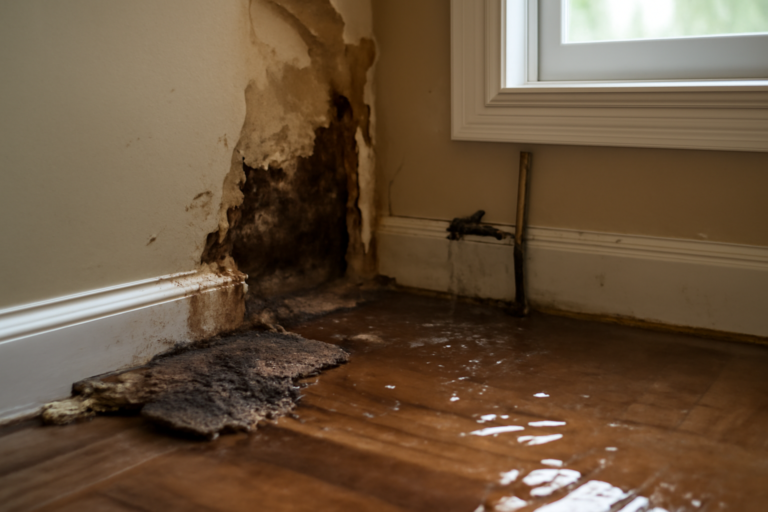
Look for dark or discolored patches on walls, ceilings, or baseboards. These are often signs that water has seeped into building materials. These stains mean materials have been compromised and may need professional drying techniques to prevent further deterioration. They are a clear visual cue.
Warped or Sagging Walls and Ceilings
If you notice that walls or ceilings are starting to look uneven, bowed, or even sag, it’s a serious sign that moisture has saturated the building materials. This indicates structural compromise and requires prompt intervention to prevent collapse. It’s a critical structural warning.
Peeling or Bubbling Paint and Wallpaper
Moisture trapped behind paint or wallpaper will cause it to lose adhesion, leading to peeling, bubbling, or cracking. This is a clear sign that the underlying materials are saturated and need to be dried thoroughly to restore surface integrity. It’s a visible indicator of water intrusion.
Soft or Spongy Flooring
If your carpets feel unusually damp, or if hard flooring like laminate or wood feels soft or spongy underfoot, it’s a sign that the subfloor has been compromised by water. This can lead to structural damage and mold growth, so it needs expert moisture evaluation. Don’t walk on soggy floors.
Increased Humidity Indoors
If your home feels unusually humid, even when your air conditioning is running, it could be due to moisture trapped within the building structure from river flooding. This elevated humidity creates an environment ripe for mold and can cause ongoing material damage. It’s a sign that the air itself is too wet.
River Flooding Damage Restoration vs. DIY: When To Call a Professional
| Situation | DIY? | Call a Pro? | Why |
|---|---|---|---|
| Minor surface water in a single room after a brief river rise. | Yes, with caution. | No, usually. | You can likely manage small amounts of water and dry it yourself. |
| Standing water deeper than a few inches throughout multiple rooms. | No, not recommended. | Yes, definitely. | Deep water carries contaminants and requires specialized extraction and drying. |
| Mud and silt deposited by river floodwaters. | No, not effectively. | Yes, absolutely. | Proper removal and sanitization are critical to prevent mold and odors. |
| Suspected contamination from river water (sewage, chemicals). | Absolutely not. | Yes, critical. | Health risks are too high; professionals have protective gear and testing capabilities. |
| Water intrusion into HVAC systems or electrical outlets. | No, dangerous. | Yes, immediately. | Electrical hazards and HVAC contamination require expert handling. |
| Persistent dampness or musty odors after initial cleanup. | No, likely ineffective. | Yes, essential. | Hidden moisture requires advanced drying and mold remediation. |
While minor water spots might seem manageable, river flooding brings unique challenges like contamination and deep saturation that DIY methods often can’t handle. For anything more than a very superficial incident, professional intervention is key to ensuring your home is truly safe and sound. Relying on our team means you’re getting the right equipment and expertise for complete water damage recovery.
River Flooding Damage Restoration Cost In Cartersville, GA
The cost of river flooding damage restoration in Cartersville, GA can vary significantly. Factors like the amount of water, the extent of contamination, the size of the affected area, and the materials damaged all play a role. These are general estimates, and an on-site assessment is always needed for an accurate quote. We strive to provide transparent cost estimations.
| Service | Typical Price Range | What Affects Cost |
|---|---|---|
| Water Extraction and Bulk Water Removal | $500 – $3,000 | Volume of water, number of rooms, accessibility. |
| Debris Removal and Deep Cleaning | $750 – $3,500 | Amount of silt/debris, type of surfaces to clean. |
| Structural Drying and Dehumidification | $1,000 – $5,000+ | Size of affected area, humidity levels, drying time required. |
| Odor Control and Deodorization | $300 – $1,500 | Severity of odors, type of treatment needed. |
| Mold Prevention and Remediation (if needed) | $1,000 – $7,000+ | Extent of mold growth, containment needs, specific remediation methods. |
| Content Cleaning and Restoration | $500 – $4,000+ | Number of items affected, complexity of cleaning/restoration. |
Understanding these potential costs is important, but remember that prompt action can often reduce the overall expense. We offer free estimates to give you a clear picture of what your specific situation will entail, helping you make informed repair decisions.
Service Areas Near Cartersville, GA
Acworth, Adairsville, Aragon, Euharlee, Emerson, Fairmount, Kingston, Kennesaw, Lake Allatoona, Lake Point, Linwood, Loudon, Marietta, New Hope, Oak Grove, Old Town, Piedmont, Rydal, Taylorsville, White.
Common Questions About River Flooding Damage Restoration
What is the difference between river flooding and other types of water damage?
River flooding typically involves large volumes of water that can carry significant amounts of silt, debris, and potential contaminants from the environment. Unlike a burst pipe, which usually involves clean water, river water can pose health risks and requires specialized cleaning and drying methods to safeguard your home. Our team is equipped to handle the unique challenges presented by this type of water intrusion.
How quickly do I need to address river flood damage?
You need to act immediately. Within 24-48 hours, mold and bacteria can begin to grow in damp environments, leading to health issues and further structural damage. The sooner our crews can begin water extraction and drying, the better the outcome for your property and the lower the overall cost. Prompt response is critical for successful restoration.
Will my homeowner’s insurance cover river flooding damage?
Coverage for river flooding can vary greatly depending on your specific policy and whether you have flood insurance. Standard homeowner’s policies often exclude flood damage. It’s crucial to review your policy or contact your insurance provider. We can help document the damage for your claim to ensure you get the coverage you’re entitled to.
What kind of equipment do you use for drying after river flooding?
We utilize industrial-strength equipment designed for severe water damage. This includes powerful water extractors for bulk water removal, high-velocity air movers to accelerate surface evaporation, and specialized dehumidifiers to pull moisture out of the air and building materials. This advanced technology allows us to dry your home effectively and prevent long-term issues.
How can I prevent river flooding damage in the future?
While you can’t control the weather, you can take preventative measures. Maintaining your property’s drainage systems, ensuring downspouts direct water away from your foundation, and considering flood barriers or elevating critical utilities can help. For homes in flood-prone areas, having a plan and knowing who to call is your best defense. We can offer advice on preventative measures.
Check Our Other Relevant Services
- Fire Sprinkler Discharge Cleanup in Cartersville, GA
- Bedroom Water Damage Restoration in Cartersville, GA
Serving Cartersville, GA And Nearby Areas