Trusted by 165+ Homeowners
River Flooding Damage Restoration in Grayson, GA
- Over 165 5-Star Reviews
- Free Estimates and Quotes
- 100% Satisfaction Guaranteed
- Child, Family & Pet Safe Steps
- 24-Hour Emergency Service
- Fully Licensed & Insured

When the River Rises: Expert River Flooding Damage Restoration in Grayson, GA
Did you know that up to 30% of flood insurance claims are related to slow-moving water damage, not just sudden deluges? River flooding can be a gradual threat, but the damage it causes is anything but. When the water level creeps up from the river, it doesn’t just leave a mess; it can compromise your home’s structure and create hidden hazards. Understanding the unique challenges of river flooding is the first step toward effective restoration right here in Grayson, GA. We’re here to help you navigate this complex situation with clear, practical steps. Protecting your home is our top priority, and we’ll guide you through the entire process. Addressing water damage promptly is crucial for preventing long-term issues.
Locally, homeowners have turned to our team over 165+ times, trusting us with their river flooding emergencies. We understand the specific concerns you face in this area, from unpredictable water levels to the need for swift, effective action. Our commitment is to provide a reliable and transparent restoration experience. You can count on us to be thorough and efficient, getting your property back to normal as quickly as possible. Working with insurance is a big part of this, and we make it easier for you. Restoring your peace of mind is what we aim for with every job.
- We specialize in identifying and mitigating the structural weaknesses that prolonged river water exposure can cause, ensuring your home’s integrity is restored.
- Our team uses advanced drying techniques specifically designed for saturated building materials, preventing mold growth and secondary damage often associated with slow-onset flooding.
- We provide detailed documentation for insurance claims, making the process smoother and helping you secure the coverage you need for river flood damage.
How River Flooding Damage Restoration Actually Works
The process for river flooding damage restoration is different from other water damage scenarios. It requires a methodical approach to ensure all affected areas are addressed, from visible water lines to deep structural saturation. Cutting corners here can lead to persistent mold problems and compromised building materials. We follow a proven system to guarantee a thorough restoration. Our structured approach ensures no detail is overlooked. Preventing future issues is just as important as immediate cleanup.
1. Initial Assessment and Water Extraction
Upon arrival, our technicians conduct a detailed inspection to assess the extent of river water intrusion. We use industrial-grade pumps and extraction equipment to remove standing water as quickly as possible. This critical first step helps halt further damage and begins the drying process. Rapid water removal is key. Securing the property is also a priority.
2. Dehumidification and Air Movement
Once standing water is gone, we set up specialized drying equipment, including high-capacity dehumidifiers and air movers. These machines work to lower humidity levels and accelerate evaporation from walls, floors, and structural components. This stage can take several days, depending on the saturation levels. Professional drying equipment makes a difference. Controlling humidity is essential.
3. Structural Drying and Material Assessment
Our crews meticulously monitor moisture levels in building materials using advanced meters. We determine which materials can be safely dried and which may need to be removed and replaced. This ensures we don’t leave moisture trapped behind walls or under flooring. Accurate moisture detection prevents hidden problems. Restoring your structure safely is our goal.
4. Mold Prevention and Remediation
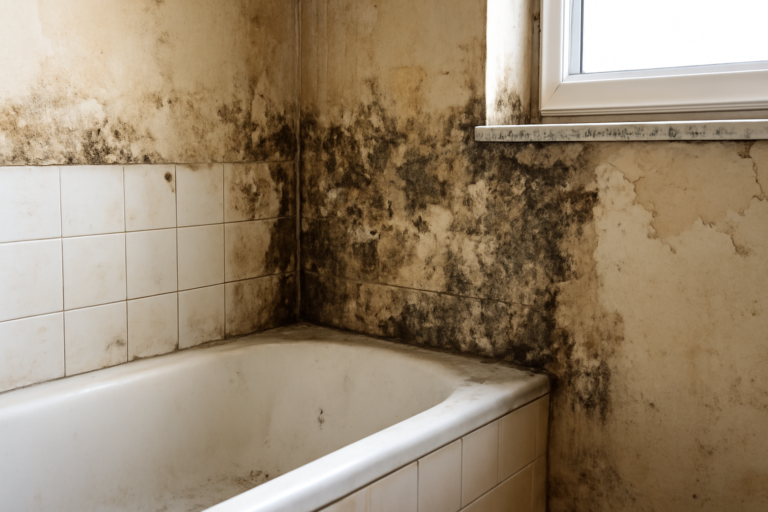
River floodwaters can introduce contaminants and create a breeding ground for mold. We apply EPA-approved antimicrobial treatments to prevent mold growth in affected areas. If mold is already present, our certified technicians will safely remove it according to industry standards. Preventing mold growth is vital for health. Safe mold remediation protects your family.
5. Reconstruction and Finishing
After the drying and cleaning process is complete, we handle any necessary repairs. This can include replacing drywall, flooring, insulation, and making structural repairs. Our goal is to restore your home to its pre-flood condition. Rebuilding your home with care is our promise. Completing the restoration efficiently matters.
Don’t let river flood damage linger; prompt action is crucial. Contact us today for an immediate assessment. Starting the restoration process now saves you time and money.

Warning Signs You Need River Flooding Damage Restoration
Catching the signs of river flooding early can save your home from extensive damage and costly repairs. Ignoring these indicators can lead to more significant problems down the line. Be aware of what to look for, especially if you live near a river. Identifying early signs is smart. Preventing further deterioration is the goal.
Musty Odors That Won’t Go Away
A persistent damp or musty smell, even after initial drying efforts, often indicates hidden moisture. This smell can be a sign of mold or mildew starting to grow behind walls or under floors. Investigating strange smells is important. Addressing hidden moisture is critical.
Visible Water Lines or Stains
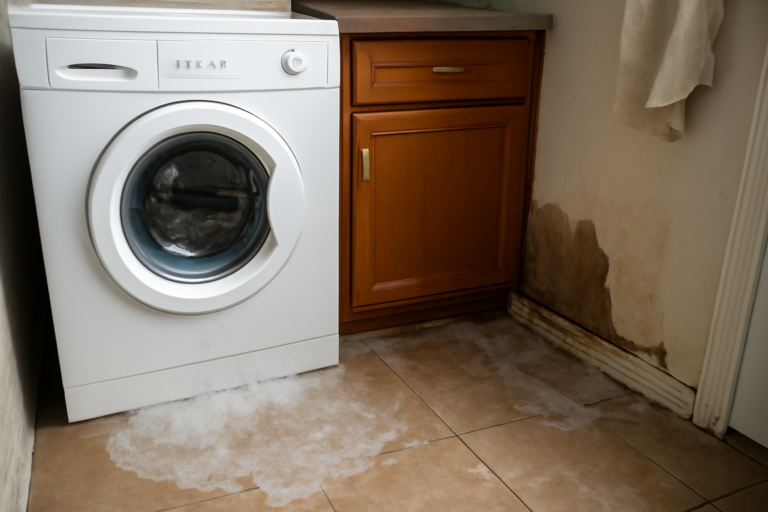
Dark lines or water stains on walls, baseboards, or ceilings are direct evidence of water intrusion. These marks show how high the water level reached and where moisture has penetrated the materials. Noticing water marks means action is needed. Documenting water damage is helpful.
Warped or Soft Building Materials
Flooring that buckles, drywall that feels soft or spongy, or wood that appears swollen are clear signs of water saturation. These materials lose their integrity when exposed to prolonged moisture. Checking for material damage is wise. Restoring warped materials requires expertise.
Peeling Paint or Wallpaper
Water behind paint or wallpaper can cause it to bubble, peel, or detach from the surface. This is a visual cue that moisture has compromised the adhesion and the underlying material. Observing paint issues is a warning. Repairing damaged finishes is part of the job.
Increased Humidity Indoors
If your home feels unusually damp or humid, even with air conditioning running, it could signal a problem. Unseen water sources or inadequate drying can lead to elevated indoor humidity levels. Monitoring indoor humidity is a good habit. Improving air quality is a benefit.
Changes in Flooring
Carpet that feels damp underfoot, tiles that lift, or hardwood that swells are significant indicators of water damage beneath the surface. These changes affect both the appearance and stability of your flooring. Inspecting your flooring for issues is important. Replacing damaged flooring is often necessary.
River Flooding Damage Restoration vs. DIY: When To Call a Professional
| Situation | DIY? | Call a Pro? | Why |
|---|---|---|---|
| Removing standing water up to 1 inch deep from a hard surface like tile. | Yes | Easy to clean up and won’t absorb deeply. | |
| Drying out a small, damp spot on a concrete floor. | Yes | Concrete dries relatively quickly and is less prone to mold. | |
| Removing 3 inches of river water from carpet and padding. | Yes | Carpet holds a lot of water, requires specialized extraction and drying. | |
| Dealing with water that has saturated drywall and insulation. | Yes | These materials absorb water readily and are prone to mold and structural damage. | |
| Cleaning up water lines on walls and baseboards. | Maybe (for minor surface marks) | Yes (for significant lines) | Deeper saturation requires professional assessment and drying to prevent mold. |
| Addressing musty odors after a flood event. | Yes | Odors usually mean mold or mildew is present and needs professional remediation. |
While some minor water issues can be managed with DIY efforts, river flooding often involves saturation that goes beyond simple cleanup. Professional assessment is crucial for hidden moisture and structural integrity. Ensuring complete drying prevents long-term health and property risks.
River Flooding Damage Restoration Cost In Grayson, GA
The cost of river flooding damage restoration in Grayson, GA, can vary widely. Factors include the amount of water, the size of the affected area, the types of materials damaged, and the complexity of the restoration needed. These figures are general estimates and not exact quotes. Understanding restoration costs helps with budgeting. Getting an accurate estimate is the next step.
| Service Aspect | Typical Price Range | What Affects Cost |
|---|---|---|
| Water Extraction (per square foot) | $0.50 – $2.50 | Amount of water, accessibility, and type of flooring. |
| Structural Drying (equipment rental and monitoring) | $300 – $1,500 per day | Size of the affected area, humidity levels, and duration of drying. |
| Mold Prevention Treatment | $200 – $800 | Size of the treated area and type of antimicrobial solution used. |
| Mold Remediation (if necessary) | $1,000 – $5,000+ | Severity of mold growth, containment needs, and affected materials. |
| Minor Reconstruction (drywall, flooring) | $500 – $3,000 | Amount of material replacement, labor involved, and complexity of the repair. |
| Full Structural Drying and Dehumidification | $2,000 – $10,000+ | Extent of water damage, structural integrity issues, and total drying time required. |
An on-site inspection is the only way to get an accurate quote tailored to your specific situation. Receiving a free estimate is the best way to understand your investment. Planning your restoration budget is easier with clear pricing.
Service Areas Near Grayson, GA
Snellville, Lawrenceville, Lilburn, Tucker, Norcross, Duluth, Suwanee, Johns Creek, Peachtree Corners, Stone Mountain, Clarkston, Decatur, Chamblee, Doraville, Atlanta, Sandy Springs, Roswell, Alpharetta, Marietta, Kennesaw
Common Questions About River Flooding Damage Restoration
What is the typical timeline for river flood damage restoration?
The timeline varies greatly depending on the severity of the flooding. Initial water extraction can take hours to a day. Structural drying can take anywhere from a few days to several weeks, as we need to ensure materials are completely dry to prevent mold. Reconstruction adds more time, potentially weeks or months for extensive damage. Understanding restoration timelines helps set expectations. We’ll work efficiently to get your home dry and safe.
How does river flooding differ from a burst pipe or leaky roof in terms of restoration?
River flooding typically involves a larger volume of water, often carrying more sediment and contaminants, and saturating building materials more deeply and for longer periods. Burst pipes or leaky roofs are usually more localized and often involve cleaner water. This means river flood restoration requires more intensive drying, thorough disinfection, and often more structural work. Addressing flood contaminants is a key difference. Ensuring proper disinfection is vital.
Will my homeowner’s insurance cover river flooding damage restoration?
Standard homeowner’s insurance policies often exclude flood damage. You typically need a separate flood insurance policy for coverage related to river overflow. We work closely with all insurance providers to document the damage accurately and help you navigate the claims process. Documenting flood damage is our specialty. Working with your insurer simplifies things for you.
What are the health risks associated with river flood damage if not properly restored?
The primary health risk is mold and mildew growth, which can thrive in damp environments and release spores into the air, causing respiratory issues, allergic reactions, and other health problems. River water can also contain bacteria and other contaminants that pose health risks if not thoroughly cleaned and disinfected. Preventing mold-related illnesses is a priority. Ensuring a healthy living environment is our goal.
How can I prevent future river flooding damage to my home?
While you can’t control the river, you can take preventative measures. Ensure your property’s grading slopes away from your foundation. Keep gutters and downspouts clear and directed away from the house. Consider installing sump pumps or French drains if you’re in a flood-prone area. Maintaining your home and landscaping can significantly reduce risk. Proactive flood prevention saves money. Protecting your property long-term is smart.
Check Our Other Relevant Services

Jerry Johns is a licensed Damage Restoration Expert with over 20 years of hands-on experience helping homeowners and businesses navigate property crises. As a trusted authority in the field, Jerry combines technical precision with a compassionate approach to disaster recovery.
𝗖𝗲𝗿𝘁𝗶𝗳𝗶𝗰𝗮𝘁𝗶𝗼𝗻𝘀: Jerry holds multiple elite IICRC certifications, including Water Damage Restoration (WRT), Applied Microbial Remediation (Mold), Applied Structural Drying (ASD), Odor Control, and Fire and Smoke Restoration.
𝗙𝗮𝘃𝗼𝗿𝗶𝘁𝗲 𝗣𝗮𝘀𝘁𝗶𝗺𝗲: When he isn’t on a job site, Jerry is an avid outdoorsman who enjoys fly fishing and restoring vintage woodworking tools.
𝗕𝗲𝘀𝘁 𝗣𝗮𝗿𝘁 𝗼𝗳 𝘁𝗵𝗲 𝗝𝗼𝗯: Jerry finds the most fulfillment in seeing the relief on a client’s face when their property is finally restored to its pre-loss condition, turning a stressful disaster into a fresh start.