Trusted by 165+ Homeowners
River Flooding Damage Restoration in Smyrna, GA
- Over 165 5-Star Reviews
- Free Estimates and Quotes
- 100% Satisfaction Guaranteed
- Child, Family & Pet Safe Steps
- 24-Hour Emergency Service
- Fully Licensed & Insured

When the Chattahoochee Swells: River Flooding Damage Restoration in Smyrna, GA
Living around here, we all know how quickly things can change when the storms roll in. Sometimes, especially after prolonged heavy rains or during hurricane season, our local rivers like the Chattahoochee can rise higher than usual, bringing unwelcome water right up to your doorstep. When that river water breaches your foundation, it’s a different kind of flood damage than you might expect. This isn’t just about leaky pipes; it’s about the force of nature impacting your home and needing a specialized approach to get things back to normal. We understand the unique challenges of river flooding in our part of Georgia and how to address it effectively.
We’ve helped over 165 neighbors in the area recover from serious water damage, and they consistently tell us they chose us because we get it. We’re not just a restoration company; we’re your local team that knows what it takes to tackle river flooding specifically. Our neighbors trust us to bring their homes back to their pre-flood condition with careful attention to detail and a deep understanding of this particular type of disaster. You’ll find our commitment to your home’s safety shines through in every job we do.
- We specialize in drying out and restoring structures impacted by the unique contaminants often found in river floodwaters, ensuring a healthier environment for your family.
- Our team uses advanced moisture detection equipment to find hidden water pockets that could lead to long-term structural issues or mold growth.
- We focus on restoring the structural integrity of your home, addressing potential foundation weaknesses and material saturation caused by prolonged river inundation.
How We Tackle River Flooding Damage Restoration
Dealing with river flooding requires a methodical and informed approach. It’s not something you want to rush or handle with guesswork. Unlike minor leaks, river floodwaters can carry silt, debris, and other contaminants, making the drying and cleaning process more complex. Cutting corners here can lead to persistent problems like mold, rot, and compromised building materials. Our process is designed to thoroughly address every affected area, ensuring your home is not just dry, but truly restored and safe. We’ve developed this system over many jobs, and it’s about getting it right the first time.
1. Initial Inspection and Water Assessment
As soon as you call us, we’ll dispatch a team to your property for a detailed inspection. We use specialized tools to pinpoint exactly how far the water has spread and how deeply it has saturated your materials. This assessment is crucial for creating a customized restoration plan and estimating the time needed. It usually takes us about 1-3 hours, depending on the extent of the flooding.
2. Water Extraction
This is where we get the bulk of the standing water out. We use powerful truck-mounted pumps and industrial-grade extractors to remove as much water as possible, as quickly as possible. The goal here is to stop further damage and begin the drying process. This phase can take anywhere from a few hours to a full day, depending on how much water we’re dealing with.
3. Structural Drying and Dehumidification
Once the standing water is gone, the real drying begins. We set up specialized drying equipment, including high-velocity air movers and industrial dehumidifiers, to lower the humidity levels in your home. This step is critical for preventing mold and ensuring that materials like drywall, wood, and insulation dry out properly. This phase often takes several days, sometimes up to a week or more, to ensure complete dryness.
4. Cleaning and Sanitization
River floodwaters can leave behind more than just moisture. We thoroughly clean and sanitize all affected surfaces, including walls, floors, and any salvageable belongings. This step is vital for removing contaminants and preventing health hazards. We use EPA-approved cleaning agents to ensure your home is safe and hygienic. This can take 1-3 days, depending on the affected areas.
5. Rebuilding and Restoration
After everything is dry and clean, we move into the rebuilding phase. This might involve replacing damaged drywall, flooring, insulation, or even making minor structural repairs. Our goal is to return your home to its pre-flood condition or better. The timeline for this phase varies greatly depending on the scope of the damage. We aim for efficient, quality repairs.
Don’t let river flood damage linger. Contact us immediately if you’ve experienced river overflow. Early action makes a huge difference in the outcome.

Warning Signs You Need River Flooding Damage Restoration
Catching the signs of river flooding early is key to minimizing damage and avoiding costly repairs down the line. Sometimes the water recedes quickly, but the damage it leaves behind can fester. Pay attention to these indicators; they’re your home’s way of telling you it needs professional help. Ignoring them can lead to serious long-term problems.
Musty Odors That Won’t Go Away
A persistent damp, musty smell, especially in lower levels or basements, is a tell-tale sign of trapped moisture. This indicates that materials are likely still wet and could be developing mold. You need to address these odors promptly.
Visible Water Stains or Discoloration
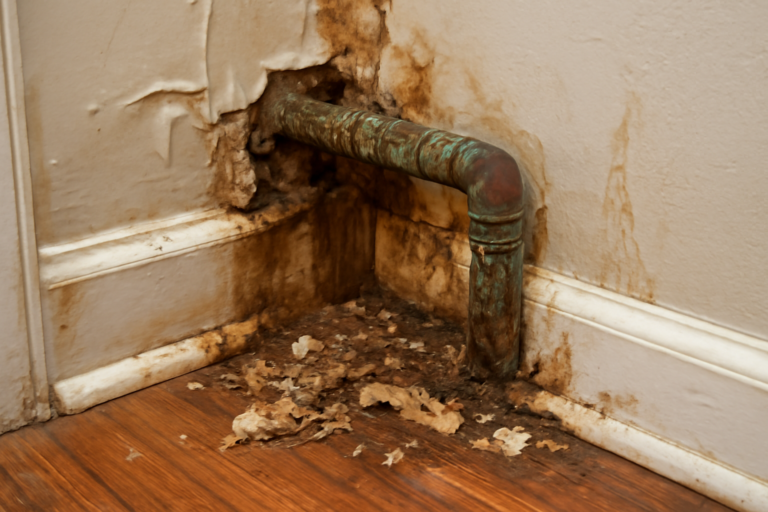
Look for water marks on walls, ceilings, or along baseboards. These stains show where water has penetrated materials and can be an indicator of both past and ongoing moisture issues. They are a clear sign of water intrusion.
Warped or Soft Drywall and Flooring
If your walls feel soft to the touch, or if your flooring is buckling or looks warped, it means the underlying materials have absorbed significant water. This compromised structure needs professional attention. This is a sign of structural compromise.
Peeling Paint or Wallpaper
Water trapped behind paint or wallpaper can cause it to bubble, peel, or flake. This is often one of the first visible signs that moisture has gotten into your wall cavities. It’s a clear indicator of water damage.
Lingering Dampness or Humidity
Even after the visible water is gone, if your home still feels uncomfortably humid or if surfaces remain damp to the touch, it means the drying process isn’t complete. This high humidity is a breeding ground for mold. You need to control the humidity.
Silt or Mud Residue
River flooding often deposits mud, silt, and debris. If you see this residue in areas where it shouldn’t be, it means floodwaters have been present and likely saturated surrounding materials. Cleaning this requires specialized techniques and proper containment.
River Flooding Damage Restoration vs. DIY: When To Call a Professional
| Situation | DIY? | Call a Pro? | Why |
|---|---|---|---|
| Standing water deeper than 1 inch. | No | Yes | Deep water requires professional extraction equipment to prevent long-term damage and mold. |
| Water has been standing for more than 24-48 hours. | No | Yes | Prolonged moisture saturation leads to structural damage and mold growth that DIY methods can’t effectively combat. |
| Floodwater is discolored or has debris. | No | Yes | River water often contains contaminants; professional cleaning and sanitization are essential for health and safety. |
| Visible mold growth appearing. | No | Yes | Mold remediation requires specialized safety protocols and equipment to prevent spore spread. |
| Damage to structural elements (e.g., foundation, beams). | No | Yes | Structural damage needs expert assessment and repair to ensure your home’s safety. |
| Minor dampness on a hard floor in an isolated area. | Yes (with caution) | No (initially) | For very minor, recent dampness on non-porous surfaces, immediate blotting and fan drying might suffice, but monitor closely. |
For river flooding, especially when water has been present for any significant time or is more than just a surface dampness, calling a professional is almost always the best choice. Our team has the specialized equipment and the knowledge to prevent secondary issues like mold and structural weakness. It’s about ensuring your home is truly safe and healthy.
River Flooding Damage Restoration Cost In Smyrna, GA
The cost of river flooding damage restoration in Smyrna, GA, can vary quite a bit. It really depends on how much water came in, how long it stayed, and how much of your home was affected. These prices are just estimates to give you an idea, not exact quotes. A thorough assessment is always needed for an accurate figure.
| Service | Typical Price Range | What Affects Cost |
|---|---|---|
| Water Extraction | $500 – $2,500 | The volume of water and the size of the affected area. |
| Structural Drying & Dehumidification | $1,000 – $5,000 | The number of drying units needed and the duration required to reach proper dryness. |
| Cleaning & Sanitization | $750 – $3,000 | The extent of contamination and the square footage needing treatment. |
| Mold Prevention/Treatment | $500 – $4,000+ | The severity of mold growth and the size of the affected zones. |
| Minor Structural Repairs (e.g., drywall, insulation) | $1,500 – $7,000+ | The amount of material replacement needed and complexity of repairs. |
| Pack-out and Storage of Belongings | $500 – $2,500 | The quantity of items needing to be moved and stored. |
The only way to get a precise cost is for us to come out and assess the situation at your property. We offer free, no-obligation estimates so you know exactly what to expect before we begin any work. Let us provide you with a clear, fair quote.
Service Areas Near Smyrna, GA
Acworth, Atlanta, Austell, Brookhaven, Buckhead, Canton, Cartersville, Chamblee, Clarkston, College Park, Conyers, Covington, Decatur, Doraville, Douglasville, Dunwoody, East Point, Ellenwood, Fairburn, Fayetteville, Forest Park, Gainesville, Grayson, Hampton, Hapeville, Hiram, Holly Springs, Jonesboro, Kennesaw, Lawrenceville, Lithia Springs, Lithonia, Locust Grove, Loganville, Lovejoy, Mableton, Marietta, McDonough, Milton, Morrow, Mountain Park, Newnan, Norcross, North Atlanta, North Metro, Palmetto, Peachtree City, Powder Springs, Roswell, Sandy Springs, Snellville, Stockbridge, Stone Mountain, Suwanee, Taliaferro, Tucker, Tyrone, Union City, Vinings, Waleska, Winder, Woodstock.
Common Questions About River Flooding Damage Restoration
What should I do immediately after river floodwaters enter my home?
Your first priority is safety. If it’s safe to do so, turn off your electricity at the main breaker to prevent electrical hazards. Avoid walking through floodwaters if possible, as they can contain dangerous contaminants. Document the damage with photos or videos for insurance purposes. Then, call us right away; the sooner we can start the drying process, the better the outcome for your home and your family’s health.
How long does river flooding damage restoration typically take?
The timeline can vary significantly, but a typical river flood restoration project often takes anywhere from a few days to several weeks. This depends on the severity of the flooding, the types of materials affected, and the extent of the damage. Our team works diligently to expedite the drying and restoration process while ensuring all necessary steps are completed for a thorough recovery.
Is river floodwater dangerous?
Yes, river floodwater is often considered hazardous. It can contain sewage, chemicals, debris, bacteria, and other contaminants that pose serious health risks. It’s crucial to avoid direct contact and to have professionals handle the cleanup and sanitization. Our technicians use protective gear and specialized cleaning agents to ensure a safe environment.
What kind of equipment do you use for river flood damage?
We use a range of advanced equipment, including high-powered water extractors to remove standing water, industrial-grade dehumidifiers and air movers to dry out structures and lower humidity, and moisture meters to detect hidden water. We also utilize specialized cleaning solutions for sanitization and odor control. This professional-grade equipment is essential for effective river flood damage restoration.
Can I prevent river flooding damage?
While you can’t control the weather, you can take steps to mitigate risk. Maintaining your property’s drainage systems, ensuring gutters are clear, and considering landscaping that directs water away from your home can help. For properties in known flood zones, elevating critical systems like HVAC and electrical panels, and installing sump pumps can also provide protection. Regular checks of your home’s foundation for cracks are also important for preventing water entry and addressing potential issues.
Check Our Other Relevant Services

Jerry Johns is a licensed Damage Restoration Expert with over 20 years of hands-on experience helping homeowners and businesses navigate property crises. As a trusted authority in the field, Jerry combines technical precision with a compassionate approach to disaster recovery.
𝗖𝗲𝗿𝘁𝗶𝗳𝗶𝗰𝗮𝘁𝗶𝗼𝗻𝘀: Jerry holds multiple elite IICRC certifications, including Water Damage Restoration (WRT), Applied Microbial Remediation (Mold), Applied Structural Drying (ASD), Odor Control, and Fire and Smoke Restoration.
𝗙𝗮𝘃𝗼𝗿𝗶𝘁𝗲 𝗣𝗮𝘀𝘁𝗶𝗺𝗲: When he isn’t on a job site, Jerry is an avid outdoorsman who enjoys fly fishing and restoring vintage woodworking tools.
𝗕𝗲𝘀𝘁 𝗣𝗮𝗿𝘁 𝗼𝗳 𝘁𝗵𝗲 𝗝𝗼𝗯: Jerry finds the most fulfillment in seeing the relief on a client’s face when their property is finally restored to its pre-loss condition, turning a stressful disaster into a fresh start.