Trusted by 165+ Homeowners
Roof Leak Water Damage Restoration in Conyers, GA
- Over 165 5-Star Reviews
- Free Estimates and Quotes
- 100% Satisfaction Guaranteed
- Child, Family & Pet Safe Steps
- 24-Hour Emergency Service
- Fully Licensed & Insured

When Water Starts Dripping From Your Ceiling in Conyers, GA
You see it. A dark, spreading stain on your ceiling. Maybe you hear a faint drip, drip, drip you can’t quite place. That little drip from your roof is a major warning sign, and it means water is actively damaging your home right now. Ignoring it won’t make it go away; it only makes the problem worse, potentially leading to costly structural issues and mold growth. You need to address roof leak water damage immediately.
Homeowners around here trust our team because we understand the urgency. We’ve helped countless neighbors in your situation, earning over 165 five-star reviews for our fast, effective response to roof leak water damage. We get to your property quickly to stop the damage and start the drying process, giving you real solutions when you need them most.
- We use advanced moisture meters to precisely locate hidden water, ensuring no dampness is left behind to cause future problems.
- Our containment methods prevent water damage from spreading to unaffected areas of your home, protecting your belongings.
- We focus on rapid drying using specialized equipment, minimizing the time your home is exposed to damaging moisture and preventing secondary issues like mold.
How We Tackle Roof Leak Water Damage
When water comes through your roof, it doesn’t just sit on the surface. It soaks into insulation, drywall, wood framing, and flooring. Our process is designed to extract that trapped moisture efficiently. Cutting corners here means leaving behind dampness that can lead to serious structural decay and health hazards down the line. We follow strict protocols to ensure your home is truly dry and safe.
1. Immediate Water Extraction
Once we locate the source of the leak and contain any active dripping, our first priority is removing standing water. We use powerful truck-mounted or portable water extractors to pull out as much water as possible. This step is critical for minimizing saturation and preventing further damage to your materials.
2. Advanced Moisture Detection
Visible water is only part of the problem. Our technicians use specialized tools like penetrating and surface moisture meters to find water hidden behind walls, under floors, and within your ceiling. Identifying all the damp areas is key to a complete drying strategy and preventing future mold growth.
3. Controlled Drying and Dehumidification
This is where the science of drying comes in. We strategically place high-velocity air movers and industrial-grade dehumidifiers to accelerate the evaporation process. These machines work together to create an environment that pulls moisture from materials and the air, bringing your home back to pre-loss conditions.
4. Containment and Air Quality Management
If the leak has been present for a while, there’s a risk of airborne mold spores. We may set up containment barriers using plastic sheeting and negative air pressure to prevent these spores from spreading to other parts of your home. Maintaining good air quality is a vital part of restoration.
5. Monitoring and Verification
We don’t just set up equipment and leave. Our team continuously monitors moisture levels with our meters to ensure the drying process is effective. We’ll keep working until we can verify that all affected materials have reached a safe, dry standard.
Don’t wait for that small leak to become a big problem. Call us now to get our team on-site and start the restoration process immediately. Your home’s safety and integrity are our top priority.

Warning Signs You Need Roof Leak Water Damage Restoration
Catching roof leak water damage early is crucial. The sooner you identify these signs, the less damage our team will have to repair. Small leaks can turn into major issues quickly, so knowing what to look for saves you time and money.
Musty Odors That Won’t Go Away
A persistent damp, musty smell, especially in your attic or upper rooms, is a strong indicator of hidden moisture. This smell often comes from mold and mildew growth, which thrives in damp environments caused by roof leaks.
Discolored or Sagging Ceilings
Dark, yellowish, or brownish stains on your ceiling are direct signs of water saturation. If you notice a section of your ceiling starting to bulge or sag, it means it’s holding a significant amount of water and is at risk of collapsing. This is a critical emergency signal.
Water Stains on Walls or Around Fixtures
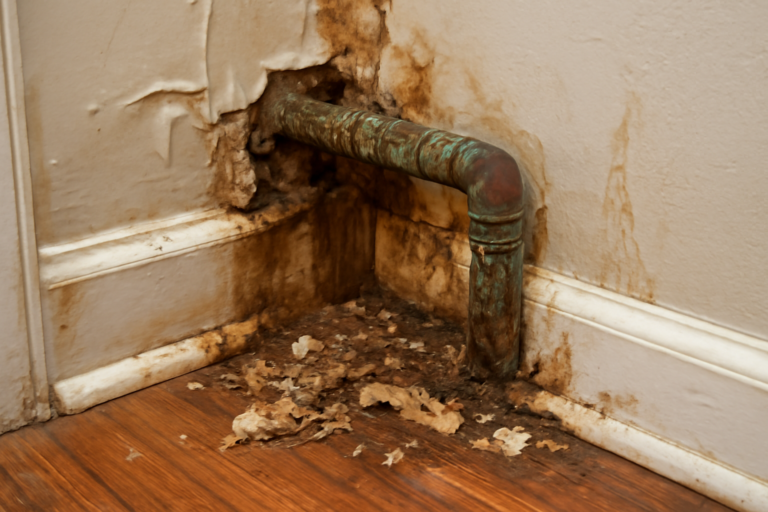
Water can travel down walls from the attic or seep in around windows and light fixtures. Look for any new water marks, streaks, or peeling paint on your walls, particularly near the ceiling line. These are clear signs of intrusion.
Peeling or Bubbling Paint/Wallpaper
When moisture gets behind your paint or wallpaper, it can cause it to blister, bubble, or peel away from the surface. This is a visual cue that water has compromised the integrity of your wall’s finish. You’re seeing direct moisture damage.
Increased Humidity or Damp Air
If the air in your home feels unusually damp or humid, especially on upper floors, it could be a sign of a roof leak contributing to the moisture problem. This can make your home feel uncomfortable and promote mold growth.
Visible Mold or Mildew Growth
Any signs of mold or mildew, often appearing as black, green, or white fuzzy spots, are a serious health concern and a definite sign of water damage. This growth can start surprisingly quickly after a leak occurs. You must address mold development immediately.
Roof Leak Water Damage Restoration vs. DIY: When To Call a Professional
| Situation | DIY? | Call a Pro? | Why |
|---|---|---|---|
| Small, isolated ceiling stain from a very recent, minor drip | Yes, for immediate cleanup of standing water and surface drying. | Yes, if the stain is growing or doesn’t dry quickly. | Pros have specialized tools to ensure complete drying and prevent hidden mold. |
| Active dripping from the ceiling | No. | Yes, immediately. | Active dripping means significant water is accumulating and potentially damaging structure. |
| Musty odors detected in the attic or rooms below the roofline | No. | Yes. | Odors indicate hidden moisture and likely mold growth that needs professional assessment. |
| Visible mold growth on ceilings or walls | No. | Yes, immediately. | Mold requires specialized containment and remediation techniques for safe removal. |
| Sagging or bulging ceiling material | No, stay clear of the area. | Yes, immediately. | This indicates a heavy water load and risk of collapse, requiring emergency response. |
| Water damage affecting electrical outlets or fixtures | No. | Yes, immediately. | This is a serious safety hazard that requires professional handling of both water and electrical risks. |
While you might be able to clean up a tiny bit of surface water yourself, anything more significant requires professional intervention. Our trained technicians have the tools and knowledge to handle complex water intrusion and ensure your home is truly dry and safe.
Roof Leak Water Damage Restoration Cost In Conyers, GA
The cost of roof leak water damage restoration in Conyers, GA can vary widely based on the extent of the damage, the size of the affected area, and the specific materials that have been compromised. These estimates provide a general idea, but an on-site assessment is always needed for an accurate quote.
| Service Aspect | Typical Price Range | What Affects Cost |
|---|---|---|
| Emergency Water Extraction | $500 – $2,000 | Volume of water, accessibility, and speed of response. |
| Moisture Detection and Assessment | $200 – $750 | Complexity of the damage, size of the affected area, and need for specialized equipment. |
| Controlled Drying and Dehumidification Setup | $1,000 – $4,000 | Number of air movers and dehumidifiers required, duration of drying, and containment needs. |
| Minor Structural Drying (e.g., saturated insulation) | $750 – $3,000 | Amount of material affected and the depth of saturation. |
| Containment Setup and Air Filtration | $300 – $1,500 | Size of the area to be contained and the level of air purification needed. |
| Final Moisture Verification and Reporting | $150 – $500 | Extent of the property and the number of verification points needed. |
We offer free estimates to give you a clear understanding of the costs involved. Contact us today to schedule your assessment and get a precise quote for your specific situation. We work to provide fair and transparent pricing.
Service Areas Near Conyers, GA
Conyers, Lithonia, Covington, Snellville, Loganville, Stone Mountain, Decatur, Atlanta, Lilburn, Tucker, Clarkston, Avondale Estates, Scottdale, Pine Lake, Redan, Lawrenceville, Buford, Suwanee, Johns Creek, Duluth.
Common Questions About Roof Leak Water Damage Restoration
Q: How quickly do I need to address a roof leak?
You need to act immediately. Even a small leak can cause significant damage in 24-48 hours. Water saturates building materials, leading to structural weakening, mold growth, and potential electrical hazards. Our team is available to respond fast and prevent further damage.
Q: Will my homeowner’s insurance cover roof leak water damage?
Generally, homeowner’s insurance covers water damage caused by sudden and accidental events like a storm-related roof leak. However, it typically does not cover damage from long-term neglect or poor maintenance. It’s best to review your policy and contact your insurance provider, and we can assist with documentation for your claim.
Q: How long does the drying process take after a roof leak?
The drying time varies significantly, but a typical drying process for water damage from a roof leak can take anywhere from three to fourteen days. This depends on the amount of water, the materials affected, humidity levels, and how quickly we can set up our drying equipment. We monitor progress closely to expedite the process.
Q: What kind of equipment do you use to dry my home?
We use a combination of high-velocity air movers to increase airflow and surface evaporation, and industrial dehumidifiers to remove moisture from the air. We also use specialized equipment like moisture meters to detect hidden water and thermal imaging cameras to identify temperature differences indicating dampness. This equipment ensures a thorough and efficient drying.
Q: How can I prevent future roof leak water damage?
Regular roof maintenance is key. This includes inspecting your roof for damaged shingles, ensuring gutters are clean and free of debris, and checking seals around vents and chimneys. Addressing minor roof issues promptly can prevent them from turning into costly water damage problems later on.
Check Our Other Relevant Services
Serving Conyers, GA And Nearby Areas