Trusted by 165+ Homeowners
Roof Leak Water Damage Restoration in Senoia, GA
- Over 165 5-Star Reviews
- Free Estimates and Quotes
- 100% Satisfaction Guaranteed
- Child, Family & Pet Safe Steps
- 24-Hour Emergency Service
- Fully Licensed & Insured

When Rain Won’t Stop: Expert Roof Leak Water Damage Restoration in Senoia, GA
Living around Senoia, GA, you know how quickly a beautiful sunny day can turn into a downpour. Those sudden, intense thunderstorms that roll through our area can put a real strain on your roof. When that water finds a way in, it doesn’t just stop at the attic; it can spread fast, causing significant damage to your ceilings, walls, and belongings. Dealing with roof leak water damage requires a swift, knowledgeable response to prevent further harm to your home. You need a team that understands these local weather patterns and how to tackle the resulting problems effectively. We’re here to help you get your home back to normal.
Homeowners around here trust us because we’ve helped hundreds of families recover from unexpected water intrusion. Our crews are known for their thorough assessments and efficient drying techniques. We understand how stressful this situation can be, and our goal is to make the restoration process as smooth as possible for you. We’ve earned over 165 five-star reviews by consistently providing reliable service and clear communication when you need it most. Let us handle the heavy lifting and restore your property with care.
- We specialize in quickly identifying the source of the leak and stopping further water intrusion, preventing mold growth and structural compromise.
- Our advanced drying equipment works tirelessly to remove moisture from your walls, floors, and air, protecting your home’s integrity and your family’s health.
- We meticulously document all damage and work with your insurance company, simplifying the claims process so you can focus on recovery.
How We Tackle Roof Leak Water Damage
When water starts seeping in from your roof, it’s not just a drip; it’s a potential disaster waiting to happen. A rushed or incomplete cleanup can lead to hidden mold, warped structures, and lingering musty odors. That’s why our team follows a detailed, proven process for every roof leak situation. We don’t cut corners; we ensure every bit of moisture is removed and your home is properly dried and restored. You deserve a restoration that’s done right the first time, protecting your investment and your comfort.
1. Initial Assessment and Containment
As soon as we arrive, we’ll perform a thorough inspection to pinpoint the exact source of the leak and assess the full extent of the water damage. Our first priority is to stop the water flow and contain the affected areas. We use specialized tools to measure moisture levels and identify hidden water, ensuring no area is overlooked. This critical first step prevents the problem from worsening while we plan our restoration strategy.
2. Water Extraction
Once the leak is stopped, we move quickly to remove standing water and excess moisture. We utilize powerful extraction equipment, including truck-mounted vacuums and industrial-grade pumps, to pull water from carpets, subfloors, and other materials. The faster we can extract the bulk of the water, the less chance it has to cause long-term damage or promote mold growth. This phase is crucial for a successful restoration.
3. Structural Drying and Dehumidification
Extracting visible water is only part of the job. Our crews then set up a network of high-speed air movers and industrial dehumidifiers to dry out the structural components of your home. These machines work around the clock to pull moisture from the air and building materials, bringing humidity levels back to normal. Proper drying is essential to prevent secondary damage like warping, peeling paint, and mold.
4. Mold Prevention and Remediation
Mold can start growing in as little as 24-48 hours after water exposure. We take proactive steps to prevent mold by thoroughly drying affected areas and applying EPA-approved antimicrobial treatments where necessary. If mold has already begun to form, our trained technicians will safely and effectively remove it, ensuring your home is healthy again. We always conduct follow-up inspections to confirm the environment is dry and safe.
5. Restoration and Repair
After everything is completely dry, we begin the rebuilding process. This might involve replacing damaged drywall, insulation, flooring, or ceiling materials. We aim to restore your home to its pre-loss condition, paying close attention to detail and quality craftsmanship. Our goal is to leave your home not just dry, but fully repaired and looking its best. We want you to feel confident in your home again.
Don’t let a roof leak cause lasting problems. Contact us immediately if you suspect water damage in your home. We’re ready to help you navigate this stressful situation and restore your property.

Warning Signs You Need Roof Leak Water Damage Restoration
Catching roof leak water damage early can save you a lot of money and hassle down the road. Ignoring the signs can turn a small drip into a major structural issue. Keep an eye out for these common indicators that water might be finding its way into your home through your roof. Acting quickly is key to minimizing the impact on your property.
Musty Odors That Won’t Go Away
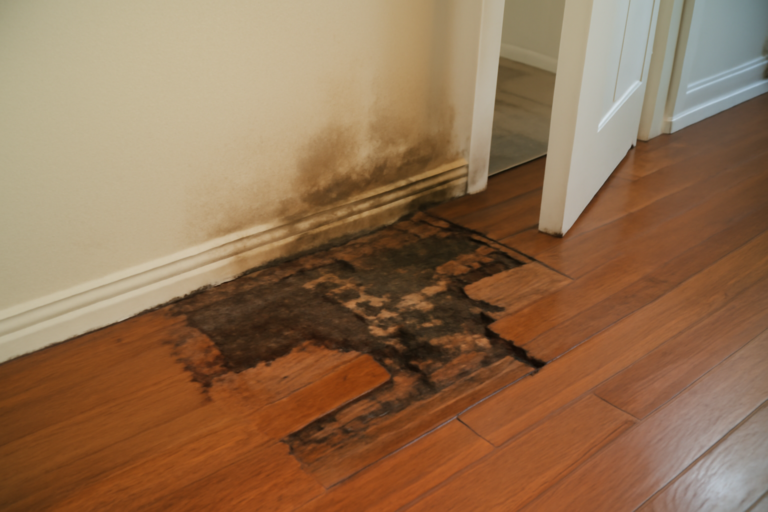
A persistent, damp, or musty smell, especially in your attic or on your upper floors, is a strong indicator of hidden moisture. This smell often means mold or mildew is starting to grow behind your walls or in your ceiling. Don’t dismiss this common sign; it’s your home telling you something is wrong.
Water Stains or Discoloration on Ceilings and Walls
Look for dark, discolored spots or rings on your ceilings and walls. These are clear visual cues that water has penetrated the surface. The stains might appear yellow, brown, or even black, and they often grow larger over time if the leak isn’t addressed.
Peeling or Bubbling Paint and Wallpaper
When moisture gets behind your paint or wallpaper, it can cause it to blister, peel, or bubble away from the surface. This happens because the adhesive is compromised by the dampness. It’s a visible sign that the materials are saturated and need attention.
Dripping Water or Visible Dampness
This might seem obvious, but sometimes a slow, steady drip or visible dampness on surfaces can be easily overlooked, especially if it’s in a less-trafficked area. Even a small, consistent drip can lead to significant damage over time. Address any visible water promptly.
Sagging Ceilings
A ceiling that starts to sag is a serious warning sign. It indicates that water has saturated the drywall or plaster and is weighing it down, potentially to the point of collapse. This requires immediate professional assessment and repair.
Increased Humidity Levels
If your home suddenly feels more humid than usual, even when you’re running your air conditioner, it could be due to a hidden roof leak. Uncontrolled moisture in your attic or walls can significantly raise indoor humidity, creating an uncomfortable environment and promoting mold growth.
Roof Leak Water Damage Restoration vs. DIY: When To Call a Professional
| Situation | DIY? | Call a Pro? | Why |
|---|---|---|---|
| Minor damp spot on ceiling, no active leak | Maybe | Yes | Still needs professional assessment to ensure the roof source is fixed and thorough drying. |
| Small amount of standing water in attic after rain | No | Yes | Attics are dangerous; professional equipment is needed for safe extraction and drying. |
| Visible mold growth spreading on ceiling tiles | No | Yes | Mold remediation requires specialized knowledge and protective gear to avoid health risks. |
| Ceiling is actively sagging or dripping | Absolutely Not | Yes | Immediate structural risk; requires emergency response and professional structural drying. |
| Musty odors throughout the upper floor | No | Yes | Hidden moisture and potential mold growth require specialized detection and remediation equipment. |
| Insurance claim expected due to damage | No | Yes | Professionals provide necessary documentation and expertise for insurance purposes. |
While a small, isolated damp spot might seem manageable, any situation involving active leaks, visible mold, structural sagging, or potential insurance claims definitely calls for professional help. Our team has the specialized equipment and expertise to handle these complex issues safely and effectively, ensuring your home is truly restored.
Roof Leak Water Damage Restoration Cost In Senoia, GA
The cost for roof leak water damage restoration in Senoia, GA, can vary quite a bit. Factors like the size of the affected area, the extent of the water damage, and whether mold has started to develop all play a role. These figures are general estimates and a detailed on-site inspection is always needed for an accurate quote.
| Service Aspect | Typical Price Range | What Affects Cost |
|---|---|---|
| Emergency Water Extraction | $500 – $2,500 | Volume of water, accessibility of the area, and speed of response required. |
| Structural Drying and Dehumidification | $1,000 – $5,000 | Size of the affected space, duration of drying needed, and number of machines required. |
| Mold Testing and Inspection | $300 – $1,000 | Scope of inspection and laboratory analysis fees for samples. |
| Mold Remediation | $1,000 – $6,000+ | Severity and spread of mold, containment needs, and types of materials affected. |
| Minor Drywall/Ceiling Repair | $500 – $2,000 | Square footage of material replacement, finishing, and painting required. |
| Full Attic Restoration | $3,000 – $10,000+ | Extent of insulation, structural, and sheathing damage needing replacement. |
An accurate estimate for your specific situation requires a visit from our technicians. We offer free, no-obligation estimates to help you understand the scope of work and associated costs. Contact us today to schedule your assessment.
Service Areas Near Senoia, GA
Tyrone, Fayetteville, Peachtree City, Brooks, Sharpsburg, Newnan, Palmetto, Lovejoy, Hampton, Jackson, Locust Grove, Griffin, Stockbridge, McDonough, Jonesboro, Riverdale, Forest Park, Morrow, Conley, Atlanta.
Common Questions About Roof Leak Water Damage Restoration
How quickly do I need to deal with a roof leak?
You need to deal with a roof leak as soon as possible. Water damage can worsen rapidly, leading to structural issues and mold growth within 24-48 hours. The faster we can get on-site to extract water and begin drying, the less damage and expense you’ll likely face. We prioritize emergency calls to minimize disruption to your home.
Will my homeowner’s insurance cover roof leak water damage?
Typically, homeowner’s insurance covers water damage caused by sudden, accidental events, like a storm damaging your roof, leading to a leak. However, damage from long-term neglect or poor maintenance is usually not covered. We can help you document the damage and communicate with your insurance adjuster to ensure you receive the coverage you’re entitled to.
How long does the roof leak water damage restoration process take?
The timeline varies significantly based on the severity of the leak and the amount of water involved. Simple drying and cleanup might take 3-5 days, while more extensive damage requiring structural repairs could take weeks. We use advanced drying technology to speed up the process as much as possible without compromising quality.
What are the health risks associated with roof leak water damage?
The primary health risk is mold growth, which can trigger allergies, asthma, and other respiratory problems. Standing water can also attract pests. Our team is trained in safe mold remediation and uses specialized equipment to ensure your home’s environment is healthy and safe for your family after the restoration is complete.
Can I prevent roof leaks and the damage they cause?
Regular roof maintenance is key to preventing leaks. This includes periodic inspections, cleaning gutters, and addressing any visible damage promptly. Keeping your roof in good condition is the best way to avoid the headaches and costs associated with water damage. We can provide tips on maintaining your roof and identify potential weak spots during our inspections.
Check Our Other Relevant Services
Serving Senoia, GA And Nearby Areas