Trusted by 165+ Homeowners
School Water Damage Restoration in Griffin, GA
- Over 165 5-Star Reviews
- Free Estimates and Quotes
- 100% Satisfaction Guaranteed
- Child, Family & Pet Safe Steps
- 24-Hour Emergency Service
- Fully Licensed & Insured

Immediate Action for School Water Damage in Griffin, GA
When you discover water damage at a school, the very first thing to remember is that moisture can spread incredibly fast, often unseen. Don’t assume a little dampness is harmless. It’s crucial to act quickly to prevent mold and structural issues. We’ve seen situations where a small leak turned into a major headache simply because it wasn’t addressed within the first 24 hours. Understanding these initial steps can save a lot of trouble down the line for your school community.
Locally, we’ve helped numerous schools manage water emergencies, and our track record shows why people trust us. With over 165 five-star reviews, you can see that our neighbors count on us for reliable and efficient service. We understand the unique challenges that schools face, from protecting valuable educational materials to ensuring a safe environment for students and staff. That’s why our dedicated crews are ready to respond when your school needs us most.
- Swift response to mitigate further damage, protecting sensitive equipment and records from irreversible harm.
- Specialized drying techniques designed for educational facilities, minimizing disruption to school schedules and operations.
- Expert handling of potential health hazards like mold and bacteria, ensuring a safe return to learning environments.
Our Rapid School Water Damage Restoration Process
The process we follow for school water damage restoration is designed for speed and thoroughness. Every minute counts, and a delayed or incomplete drying process can lead to long-term structural problems and health concerns. We use advanced equipment and proven methods to extract water and dry affected areas effectively. This systematic approach is key to returning your school to normal operations as quickly as possible, preventing secondary damage that can be far more costly.
1. Initial Assessment and Water Extraction
Upon arrival, our certified technicians will perform a thorough assessment to determine the source and extent of the water damage. We then immediately begin the water extraction process using powerful, truck-mounted or portable extraction units. This critical first step aims to remove standing water as quickly as possible, usually within the first few hours, to halt the damage progression and prevent further saturation.
2. Advanced Drying and Dehumidification
Once standing water is removed, we deploy specialized drying equipment, including industrial-grade air movers and dehumidifiers. These machines work tirelessly to draw moisture out of building materials like drywall, carpets, and wood. Our goal is to bring humidity levels back to normal ranges within days, not weeks, by carefully monitoring the environment with moisture meters to ensure thorough structural drying.
3. Content Restoration and Cleaning
While drying the structure, we also address your school’s contents. This can involve carefully cleaning, sanitizing, and restoring documents, furniture, and equipment that have been affected by water. We work to salvage as much as possible, employing specialized techniques to clean and deodorize items, ensuring that valuable school resources are preserved.
4. Mold and Mildew Prevention
Preventing mold growth is a top priority. After the primary drying phase, we may apply antimicrobial treatments to areas prone to mold and mildew. Our technicians are trained to identify and address potential breeding grounds, ensuring that the environment remains healthy and safe for students and staff. This proactive step is crucial for long-term facility health.
5. Final Inspection and Follow-Up
Before we consider the job complete, our team conducts a final inspection to ensure all moisture has been removed and all affected areas have been properly treated. We’ll confirm that the environment is safe and ready for reoccupation. We provide clear documentation of the work performed and are available for follow-up questions, ensuring your confidence in the restoration’s effectiveness and lasting structural integrity.
Don’t let water damage disrupt your school’s mission. Contact us immediately for swift, professional assistance. You can count on us to restore your facility efficiently and effectively, minimizing downtime and ensuring a safe learning environment.

Warning Signs You Need School Water Damage Restoration
Recognizing the early signs of water damage is essential for preventing more extensive and costly problems. Ignoring subtle indicators can lead to serious structural issues and health hazards within your school. Being vigilant can help you address issues proactively before they escalate into major emergencies.
Musty Odors That Won’t Go Away
A persistent musty smell, especially in areas that aren’t typically damp, is a strong indicator of hidden moisture. This odor often signals the early stages of mold or mildew growth, which can spread quickly and impact air quality. You should investigate these smells thoroughly.
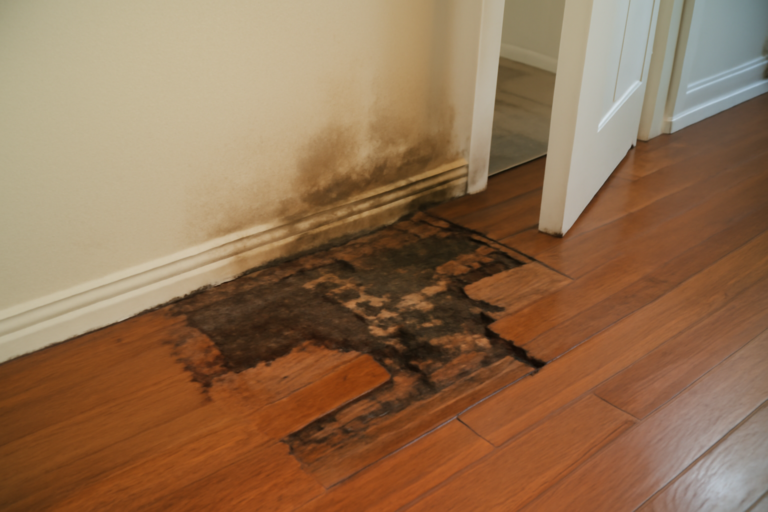
Visible Water Stains or Discoloration
Look for new or worsening water stains on ceilings, walls, or floors. These marks are clear evidence of water intrusion, even if the source isn’t immediately obvious. Prompt attention to these visual cues is vital.
Peeling or Bubbling Paint and Wallpaper
When moisture gets behind paint or wallpaper, it can cause them to lose adhesion, leading to peeling or bubbling. This sign indicates that the underlying materials are becoming saturated. Addressing this helps prevent further material decay.
Warped or Sagging Ceilings and Walls
Structural materials that become waterlogged can lose their rigidity, leading to visible warping or sagging. This is a serious sign of significant water damage that can compromise the building’s integrity. It’s a clear signal for immediate professional assessment.
Increased Humidity Levels
If rooms in your school feel unusually damp or humid, even with HVAC systems running, there might be an underlying moisture problem. High humidity can create an ideal environment for mold and mildew. Monitoring indoor climate is a smart preventative measure.
Soft or Spongy Flooring
Flooring materials like carpet or vinyl can become soft or spongy when the subfloor beneath them is saturated with water. This indicates a deeper issue that needs professional attention to prevent damage to the subfloor itself. Don’t ignore changes in floor texture.
School Water Damage Restoration vs. DIY: When To Call a Professional
| Situation | DIY? | Call a Pro? | Why |
|---|---|---|---|
| Minor spill on a hard surface floor (e.g., linoleum) | Yes | No | Easy to wipe up and dry, minimal risk of long-term damage. |
| Leaking pipe in a ceiling | No | Yes | Risk of significant structural damage and mold growth behind the ceiling. |
| Water damage affecting carpets and padding | Maybe (for very small, recent spills) | Yes | Difficult to dry completely, high risk of mold and odors. |
| Sewage backup or contaminated water | Absolutely Not | Yes | Serious health hazard; requires specialized containment and disinfection. |
| Water damage affecting drywall or insulation | No | Yes | Materials can degrade; professional drying is needed to prevent mold. |
| Large-scale flooding from burst pipes or weather events | No | Yes | Requires industrial equipment and expertise for rapid, thorough drying. |
For most water damage situations in a school, especially those involving significant water volume or potential contamination, calling a professional is the safest and most effective route. DIY efforts often fall short of the deep drying required, leaving behind hidden moisture that leads to bigger issues. Trusting the experts ensures a complete and safe restoration.
School Water Damage Restoration Cost In Griffin, GA
The cost for school water damage restoration in Griffin, GA can vary significantly. Factors like the total square footage affected, the type of water (clean, gray, or black water), the duration of the water exposure, and the complexity of the necessary repairs all play a role. These figures are general estimates to help you plan.
| Service | Typical Price Range | What Affects Cost |
|---|---|---|
| Water Extraction | $500 – $3,000 | Amount of water, size of the area, and accessibility. |
| Structural Drying and Dehumidification | $1,000 – $5,000+ | Square footage, building materials, and how long drying takes. |
| Content Cleaning and Restoration | $500 – $4,000+ | Number of items, type of items (e.g., books vs. furniture), and level of damage. |
| Mold Inspection and Remediation | $1,000 – $6,000+ | Severity and location of mold growth, containment needs. |
| Antimicrobial Treatments | $300 – $1,500 | Size of the treated area and type of treatment applied. |
| Emergency Water Damage Mitigation | $1,500 – $7,500+ | Time of day, complexity of the situation, and immediate needs. |
It’s important to understand that these are approximate ranges. A thorough on-site assessment by our team is needed for an accurate quote. We offer free, no-obligation estimates to help you understand the specific costs for your situation.
Service Areas Near Griffin, GA
In addition to Griffin, GA, our team proudly serves the following communities: Atlanta, Jonesboro, McDonough, Stockbridge, Fayetteville, Newnan, Peachtree City, Riverdale, Union City, Forest Park, Hampton, Locust Grove, Senoia, Tyrone, Brooks, Lovejoy, Orchard Hill, Zebulon, Milner, Williamson.
Common Questions About School Water Damage Restoration
What’s the first thing I should do if I discover water damage at my school?
The most critical first step is to stop the water source if it’s safe to do so. Then, document the damage with photos or videos. If the water is from a clean source and the area is small, you might be able to remove some standing water with towels, but for anything significant, call us immediately. We’ll guide you through the immediate actions needed and dispatch our team to begin the professional restoration process.
How quickly do I need to address water damage to prevent mold growth?
Mold can start to grow in as little as 24 to 48 hours after water damage occurs. The speed depends on factors like temperature, humidity, and the type of material affected. This is why rapid response is essential. Our crews are available 24/7 to begin extraction and drying, significantly reducing the risk of mold contamination and protecting your school’s air quality.
Will my insurance cover school water damage restoration?
Typically, standard commercial property insurance policies cover sudden and accidental water damage, such as from burst pipes or roof leaks. However, damage from gradual leaks or lack of maintenance might not be covered. We work with all major insurance providers and can help you navigate the claims process. We’ll provide detailed documentation to support your claim for the restoration work needed.
How long does the school water damage restoration process typically take?
The timeline varies greatly depending on the severity of the damage. Minor incidents might take a few days for drying and restoration, while major flooding could take weeks. Our goal is always to work as efficiently as possible using advanced equipment to expedite the drying process. We provide realistic timelines after our initial assessment and keep you informed throughout the restoration.
What are the health risks associated with untreated school water damage?
Untreated water damage can lead to serious health risks, including mold and mildew growth, which can trigger allergies, asthma, and other respiratory problems. Contaminated water (like from sewage backups) can spread bacteria and viruses. Ensuring a thorough and professional restoration is vital for the health and safety of students and staff. Our team uses EPA-approved disinfectants and follows strict safety protocols.
Check Our Other Relevant Services

Jerry Johns is a licensed Damage Restoration Expert with over 20 years of hands-on experience helping homeowners and businesses navigate property crises. As a trusted authority in the field, Jerry combines technical precision with a compassionate approach to disaster recovery.
𝗖𝗲𝗿𝘁𝗶𝗳𝗶𝗰𝗮𝘁𝗶𝗼𝗻𝘀: Jerry holds multiple elite IICRC certifications, including Water Damage Restoration (WRT), Applied Microbial Remediation (Mold), Applied Structural Drying (ASD), Odor Control, and Fire and Smoke Restoration.
𝗙𝗮𝘃𝗼𝗿𝗶𝘁𝗲 𝗣𝗮𝘀𝘁𝗶𝗺𝗲: When he isn’t on a job site, Jerry is an avid outdoorsman who enjoys fly fishing and restoring vintage woodworking tools.
𝗕𝗲𝘀𝘁 𝗣𝗮𝗿𝘁 𝗼𝗳 𝘁𝗵𝗲 𝗝𝗼𝗯: Jerry finds the most fulfillment in seeing the relief on a client’s face when their property is finally restored to its pre-loss condition, turning a stressful disaster into a fresh start.