Trusted by 165+ Homeowners
Septic Tank Backup Cleanup in Alpharetta, GA
- Over 165 5-Star Reviews
- Free Estimates and Quotes
- 100% Satisfaction Guaranteed
- Child, Family & Pet Safe Steps
- 24-Hour Emergency Service
- Fully Licensed & Insured

When Your Septic Tank Backs Up in Alpharetta, GA: What You Need to Know Right Now
When you notice that unpleasant sewage smell or see water backing up into your drains, it’s easy to panic. Don’t flush the toilets or run any water, as this can make the situation much worse. A septic tank backup is a serious issue that requires immediate attention to protect your home’s structure and your family’s health. We understand how stressful this can be, and our goal is to make the cleanup process as smooth and efficient as possible for you.
You’re not alone when a septic backup happens. Our local team has helped over 165 homeowners in the area deal with these emergencies. They trust us because we respond quickly and handle the mess with care and professionalism. We’ve seen it all, from minor overflows to significant sewage intrusions, and we know exactly what it takes to get your home back to normal.
- Rapid Emergency Response: We’re available 24/7 to address your septic backup when it happens, minimizing damage and preventing further issues.
- Health and Safety Focused Cleanup: We use specialized equipment and protective gear to safely remove sewage and disinfect affected areas, protecting your family from harmful contaminants.
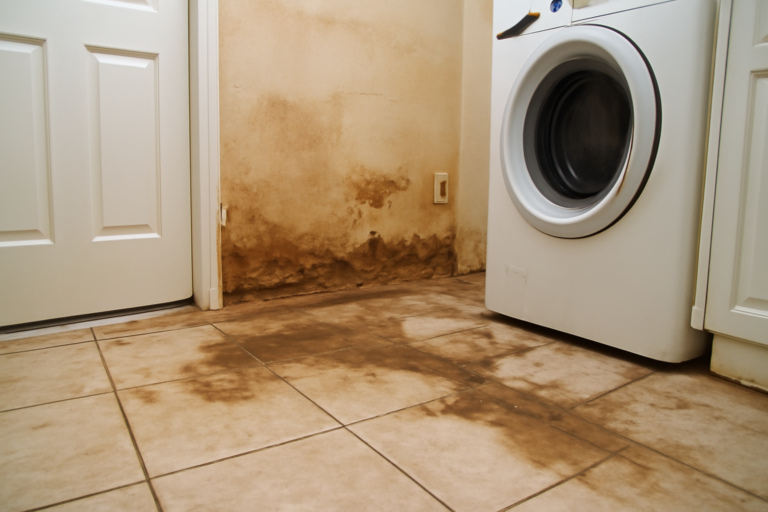
- Prevent Further Damage: Swift action is key; by addressing the backup promptly, we help prevent long-term structural damage to your floors, walls, and foundation.
How Our Septic Tank Backup Cleanup Process Works
Dealing with a septic backup is messy and potentially hazardous, which is why a structured, professional approach is essential. Simply mopping up isn’t enough. Our crews follow a proven process designed to remove the contamination, dry out your home, and restore a healthy environment. When corners are cut, lingering odors and mold can become serious problems down the line, costing you more in the long run. We’re committed to doing it right the first time.
1. Emergency Assessment and Containment
As soon as you call, we’ll dispatch a team to your property. We’ll quickly assess the extent of the backup and immediately take steps to contain the mess. This prevents the sewage from spreading further into your home. This initial assessment usually takes about 30-60 minutes.
2. Sewage Extraction
Our technicians use powerful, truck-mounted water extraction units and specialized pumps to remove standing sewage and contaminated water from your home. This is a critical step to prevent further damage and begin the drying process. We aim to extract the bulk of the liquid within a few hours, depending on the volume.
3. Cleaning and Disinfection
Once the bulk of the liquid is gone, we thoroughly clean and disinfect all affected surfaces. We use EPA-approved cleaning agents designed to neutralize odors and kill bacteria and viruses. This step is vital for your family’s health and safety. This can take several hours depending on the affected area.
4. Drying and Dehumidification
We then set up industrial-grade air movers and dehumidifiers to thoroughly dry out affected materials like carpets, padding, and drywall. Proper drying prevents mold growth and secondary damage. This process can take several days, as we monitor humidity levels closely.
5. Odor Removal
Sewage backups often leave behind stubborn odors. We utilize specialized deodorizing techniques and equipment, such as thermal fogging or ozone treatments, to eliminate these smells at their source. This ensures your home smells fresh and clean again. This final step might take an additional day.
Don’t wait for the problem to worsen. Call us immediately if you suspect a septic backup. We’re here to help you through this difficult situation and restore your home.

Warning Signs You Need Septic Tank Backup Cleanup
Catching the early signs of a septic backup can save you a lot of headaches and money. Ignoring these indicators can lead to more extensive and costly damage to your home and property. It’s always better to be proactive when it comes to your septic system. We’ll help you identify these signs and take action.
Slow Drains and Gurgling Sounds
If you notice drains throughout your house are running slower than usual, or you hear gurgling sounds coming from your pipes, it’s a clear sign your septic system might be struggling. This is often the first indication that something is wrong inside the pipes.
Sewage Odors in Your Home or Yard
A persistent, foul smell of sewage, especially near your toilets, drains, or around your septic tank area, is a major red flag. This smell means sewage is escaping somewhere it shouldn’t be, potentially contaminating your living space.
Water Pooling Around Your Septic Tank
If you see unexplained puddles or wet spots in your yard, particularly near where your septic tank or drain field is located, it could mean the system is overloaded or failing. This standing water is a direct sign of a potential overflow.
Toilet or Drain Backups
When toilets won’t flush properly, or sewage backs up into sinks, showers, or tubs, it’s a clear and urgent sign of a septic system blockage or failure. This is a very messy situation that requires immediate professional help.
Lush Green Patches Over the Drain Field
While unusually green grass might sound good, if it’s localized specifically over your drain field and doesn’t correspond to recent rainfall, it could indicate that wastewater is surfacing. This means the drain field isn’t absorbing effluent properly, leading to surface saturation.
Septic Tank Backup Cleanup vs. DIY: When To Call a Professional
| Situation | DIY? | Call a Pro? | Why |
|---|---|---|---|
| Noticing a faint sewage smell outside, far from the tank. | Yes, monitor it. | Yes, if it persists. | Could be a minor vent issue, but persistent smells need checking. |
| A single slow drain in one sink. | Yes, try a plunger or drain snake. | Yes, if DIY methods don’t work. | Could be a simple clog, but repeated issues point to a deeper problem. |
| Toilets are backing up, and sewage is visible in the tub. | Absolutely Not. | Yes, immediately. | This is a serious health hazard and requires professional extraction and disinfection. |
| Standing water or muddy patches near your septic tank. | No. | Yes, immediately. | Indicates a significant system failure or overflow that needs professional assessment and cleanup. |
| Strong sewage odors inside your home. | No. | Yes, immediately. | This signifies sewage is entering your living space and poses health risks. |
| Trying to locate your septic tank or drain field. | Yes, with caution. | Yes, if unsure. | Knowing your system’s location is important for maintenance and potential repairs. |
For anything beyond a minor, isolated issue, calling a professional is the safest and most effective choice. Septic backups involve hazardous materials and require specialized equipment to clean and sanitize properly. Our team is equipped to handle these emergencies safely and efficiently, protecting your home and family.
Septic Tank Backup Cleanup Cost In Alpharetta, GA
The cost of septic tank backup cleanup in Alpharetta, GA, can vary significantly. Factors like the severity of the backup, the size of the affected area, and the type of materials contaminated all play a role. These figures are general estimates and not exact quotes. A proper assessment is always needed for an accurate price.
| Service | Typical Price Range | What Affects Cost |
|---|---|---|
| Emergency Service Call (Initial Assessment & Containment) | $300 – $800 | Time of day, day of week, and distance to your property. |
| Sewage Extraction (Water Removal) | $500 – $2,500 | Volume of sewage to be removed and accessibility of the area. |
| Cleaning & Disinfection | $400 – $1,500 | Square footage of affected areas and intensity of contamination. |
| Drying & Dehumidification (Equipment Rental) | $300 – $1,200 per day | Duration needed to dry materials and number of machines used. |
| Odor Removal Services | $300 – $1,000 | Severity of odor and treatment methods required. |
| Potential Material Replacement (e.g., Carpet Padding) | Varies greatly | Extent of damage and cost of replacement materials. |
We offer free, no-obligation estimates after an on-site assessment. This allows us to provide you with a clear understanding of the costs involved. Getting an accurate quote is the first step to resolving your septic backup issue.
Service Areas Near Alpharetta, GA
Alpharetta, Roswell, Johns Creek, Milton, Cumming, Suwanee, Duluth, Norcross, Sandy Springs, Marietta, Kennesaw, Woodstock, Acworth, Canton, Buford, Lawrenceville, Lilburn, Tucker, Dunwoody, Atlanta.
Common Questions About Septic Tank Backup Cleanup
What should I do immediately if my septic tank backs up?
The very first thing you should do is stop using all water in your home. Don’t flush toilets, run the dishwasher, or do laundry. This prevents more sewage from entering the system and worsening the backup. You should also try to identify the source of the backup, if possible, and then call a professional service right away to begin the cleanup and restoration process.
How much does septic tank backup cleanup typically cost?
The cost for septic tank backup cleanup can range from a few hundred dollars for minor issues to several thousand for extensive contamination. Factors like the amount of sewage to be extracted, the square footage affected, and the drying time needed will influence the final price. We provide detailed estimates after assessing the damage on your property.
How long does septic tank backup cleanup take?
The timeline for cleanup can vary greatly depending on the severity of the backup. Extraction and initial cleaning might take a day, but the drying and dehumidification process can take several days to ensure all moisture is removed and prevent mold growth. We work efficiently to restore your home as quickly as possible while ensuring a thorough job.
Is septic backup cleanup dangerous for my family?
Yes, sewage backups are a significant health hazard. They contain bacteria, viruses, and other pathogens that can cause serious illness. It’s crucial to keep your family and pets away from affected areas until professionals have completed the cleanup and disinfection. Our crews use personal protective equipment and follow strict safety protocols.
How can I prevent future septic tank backups?
Regular maintenance is key to preventing backups. Have your septic tank pumped and inspected every 2-3 years, depending on your household size and usage. Avoid flushing non-biodegradable items like wipes or feminine hygiene products, and be mindful of what goes down your drains. Properly maintaining your system helps avoid costly future repairs and emergencies.
Check Our Other Relevant Services
Serving Alpharetta, GA And Nearby Areas