Trusted by 165+ Homeowners
Septic Tank Backup Cleanup in Clarkston, GA
- Over 165 5-Star Reviews
- Free Estimates and Quotes
- 100% Satisfaction Guaranteed
- Child, Family & Pet Safe Steps
- 24-Hour Emergency Service
- Fully Licensed & Insured

When Your Septic System Fails: Fast Septic Tank Backup Cleanup in Clarkston, GA
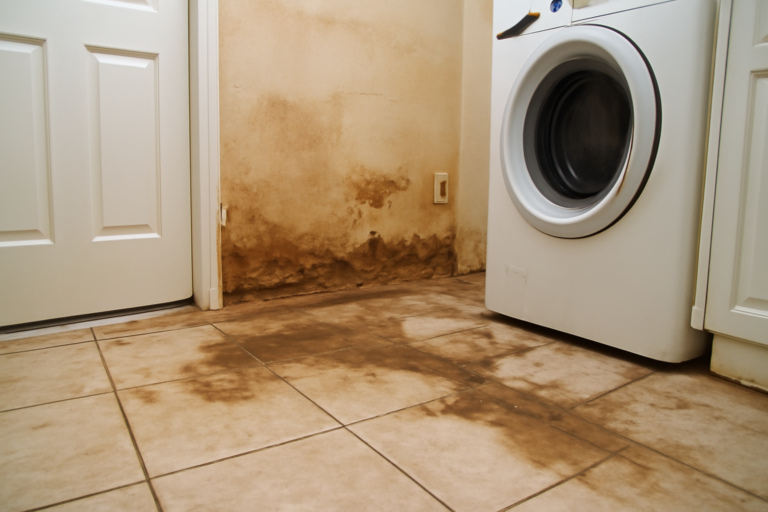
You flush the toilet, and instead of draining, the water backs up into your tub. Or maybe you notice a foul, sewage smell filling your home. This isn’t just a minor inconvenience; it’s a serious problem that needs immediate attention. A septic tank backup can quickly turn your living space into a health hazard, spreading bacteria and damaging your floors and walls. You need a team that understands the urgency and has the right equipment to tackle this unpleasant situation in Clarkston, GA, and get your home back to normal.
Homeowners in your neighborhood have trusted us for over 165 five-star reviews when they face these difficult issues. We’re known for our swift response times and our commitment to a thorough cleanup. When your septic system backs up, you want a local team that’s experienced with these specific challenges and ready to help without delay. We’ve seen it all, and we know how to handle it right.
- Rapid containment and removal of hazardous wastewater, protecting your family’s health and preventing further contamination.
- Advanced drying and dehumidification techniques to stop mold growth and restore your property’s structural integrity.
- Expert deodorization processes that eliminate stubborn sewage odors, leaving your home smelling fresh and clean again.
How Septic Tank Backup Cleanup Actually Works
A septic backup isn’t something you can just clean up with a mop and bucket. It requires specialized knowledge and equipment to properly extract the sewage, disinfect the affected areas, and dry everything out completely. When corners are cut during septic backup cleanup, you risk lingering odors, mold growth, and ongoing health concerns. Our technicians follow strict protocols to ensure every trace of contamination is removed and your home is safely restored. We utilize precise moisture meters and industrial-grade drying equipment to guarantee a complete restoration.
1. Immediate Assessment and Containment
Upon arrival, our team will quickly assess the extent of the backup. We’ll identify the source and immediately begin to contain the contaminated area. This step is crucial to prevent the wastewater from spreading further into your home, protecting your belongings and structural elements. We use specialized containment barriers and professional safety gear.
2. Water Extraction
We use powerful submersible pumps and high-capacity extraction equipment to remove standing wastewater from your floors, carpets, and any affected areas. The faster we can remove this hazardous material, the less damage it can cause and the quicker the drying process can begin. This equipment can remove large volumes of water rapidly.
3. Disinfection and Sanitization
Sewage backups are full of harmful bacteria and pathogens. Our crews use EPA-approved disinfectants and sanitizers to thoroughly clean and neutralize all contaminated surfaces. This process is vital for your family’s health and to prevent potential long-term health issues. We target all affected materials for sanitization.
4. Structural Drying
Once the water is gone and surfaces are sanitized, we deploy industrial-grade air movers and dehumidifiers. These machines work tirelessly to dry out affected materials like drywall, subflooring, and insulation. Proper drying is key to preventing mold and mildew growth. We monitor moisture levels closely throughout this phase.
5. Odor Removal
Sewage backups leave behind potent and unpleasant odors that can linger for weeks or months if not treated correctly. We use advanced deodorizing treatments, including ozone generators and thermal fogging, to eliminate odors at their source. You’ll be amazed at how we can make your home smell fresh and clean again.
Don’t let a septic backup ruin your home. Call us now for immediate assistance and let our experienced crews handle the mess. We’re ready to dispatch help right away.

Warning Signs You Need Septic Tank Backup Cleanup
Catching the early signs of a septic system problem can save you a lot of money and prevent a messy, hazardous backup. Ignoring these indicators could lead to significant damage and costly repairs down the line. Pay attention to what your home is telling you, and don’t hesitate to call for professional help when you notice these issues. Understanding these signs is your first line of defense.
Musty or Foul Odors
A persistent sewage smell, especially around drains, toilets, or in your yard near the septic tank or drain field, is a major red flag. This odor indicates that waste is not properly being processed or is escaping the system. Don’t just mask it with air fresheners; investigate the source of the smell.
Slow Drains and Toilets
If you notice sinks, showers, or toilets draining much slower than usual, it could mean a blockage in your plumbing or, more seriously, a problem with your septic tank or drain field. Multiple slow drains in your home point to a system-wide issue.
Gurgling Sounds from Drains
Gurgling sounds often occur when air is trapped in your pipes and is being pushed back through the water in your fixtures. This usually happens when your septic system is struggling to drain properly, indicating a potential backup situation.
Water Pooling in Your Yard
Excessive moisture or standing water in your yard, particularly over the drain field area, can signify that the field is saturated and unable to absorb wastewater. This is a clear sign of a failing septic system that could lead to a backup. Look for unexplained wet spots.
Sewage Backup into Fixtures
The most obvious and unpleasant sign is when sewage water actually backs up into your toilets, showers, or sinks. This is a clear indication that your septic system is overwhelmed and you need immediate cleanup services.
Unusually Green Grass Over Drain Field
While a little healthy green is good, unusually lush and green grass specifically over your drain field, especially during dry periods, can mean that partially treated wastewater is surfacing. This could be a sign of a system nearing failure.
Septic Tank Backup Cleanup vs. DIY: When To Call a Professional
| Situation | DIY? | Call a Pro? | Why |
|---|---|---|---|
| Small water spill from a minor drain overflow | Yes, with caution and proper cleaning supplies. | No | Usually manageable with household cleaners and good ventilation. |
| Noticeable sewage odor but no visible backup | No | Yes | Odor indicates a problem within the system that needs professional diagnosis and repair. |
| Standing sewage water in basement or lower floors | Absolutely Not | Yes | This is a biohazard that requires specialized equipment and safety protocols for removal and disinfection. |
| Slow drains in multiple fixtures | Maybe, for a single drain. | Yes | Multiple slow drains suggest a blockage or failure within the main septic system. |
| Water pooling in the yard over the drain field | No | Yes | Indicates a failing drain field that needs expert assessment and potential repair or replacement. |
| Visible sewage backup into toilets or showers | Absolutely Not | Yes | This is a critical health risk and requires immediate professional intervention for cleanup and sanitization. |
For any situation involving actual sewage water in your home, or signs of a failing drain field, calling a professional is not just recommended, it’s essential. Attempting to handle a true septic backup yourself puts your health at risk and is unlikely to resolve the underlying problem. We provide the specialized tools and expertise needed.
Septic Tank Backup Cleanup Cost In Clarkston, GA
The cost of septic tank backup cleanup in Clarkston, GA, can vary significantly depending on the severity of the backup, the size of the affected area, and the specific services required. These price ranges are estimates to give you an idea of what to expect. Local conditions and the complexity of the job will ultimately determine the final cost. We offer transparent pricing discussions.
| Service Aspect | Typical Price Range | What Affects Cost |
|---|---|---|
| Emergency Service Call Fee | $250 – $750 | Time of day, day of week, and distance to your property. |
| Wastewater Extraction | $500 – $2,500 | Volume of water to be removed and complexity of access. |
| Disinfection and Sanitization | $400 – $1,500 | Size of the affected area and type of cleaning agents used. |
| Structural Drying (Air Movers & Dehumidifiers) | $750 – $3,000+ | Duration needed for drying, number of units required, and area size. |
| Odor Removal Treatments | $300 – $1,000 | Severity of odor and methods employed (e.g., ozone, thermal fogging). |
| Minor Material Removal (e.g., saturated carpet) | $200 – $800 | Amount of material needing removal and disposal fees. |
The best way to get an accurate price for your specific situation is to have our team come out and assess the damage. We provide free, no-obligation estimates so you know exactly what to expect before we begin work.
Service Areas Near Clarkston, GA
Atlanta, Decatur, Avondale Estates, Tucker, Lithonia, Stone Mountain, Pine Lake, Snellville, Lilburn, Scottdale, Chamblee, Doraville, Dunwoody, Brookhaven, Sandy Springs, Johns Creek, Alpharetta, Roswell, Marietta, Norcross.
Common Questions About Septic Tank Backup Cleanup
What should I do immediately if I suspect a septic backup?
Stop using water immediately. Turn off your main water valve if possible to prevent more water from entering the system. Do not try to flush toilets or run any water. Your first call should be to a professional septic cleanup service. We can provide emergency response quickly.
How long does septic tank backup cleanup typically take?
The timeline depends heavily on the extent of the backup. Minor issues might be resolved in 1-3 days, but significant backups involving extensive water damage and drying could take a week or more. We work efficiently to minimize disruption and ensure thorough drying protocols are met.
Is septic backup water dangerous?
Yes, septic backup water is considered a biohazard. It contains harmful bacteria, viruses, and other pathogens that can cause serious illness. It’s crucial to avoid contact and allow trained professionals with proper protective gear to handle the cleanup. We take health and safety seriously.
What equipment do you use for septic backup cleanup?
We use a range of specialized equipment, including high-powered water extractors, industrial-grade air movers, dehumidifiers, moisture meters, and advanced cleaning and sanitizing agents. For odor control, we may use ozone generators or thermal foggers. This equipment is essential for a complete and effective restoration.
How can I prevent future septic tank backups?
Regular septic tank pumping (typically every 3-5 years), avoiding flushing non-biodegradable items, and being mindful of what goes down your drains can prevent backups. Conserve water to avoid overwhelming the system, especially during wet seasons. Proper maintenance is key to long-term system health.
Check Our Other Relevant Services
Serving Clarkston, GA And Nearby Areas