Trusted by 165+ Homeowners
Septic Tank Backup Cleanup in Stone Mountain, GA
- Over 165 5-Star Reviews
- Free Estimates and Quotes
- 100% Satisfaction Guaranteed
- Child, Family & Pet Safe Steps
- 24-Hour Emergency Service
- Fully Licensed & Insured

When Your Septic System Backs Up: Expert Cleanup in Stone Mountain, GA
Here around Stone Mountain, GA, we know how quickly a sudden downpour can turn into a real headache. Especially during our humid summers, heavy rains can sometimes overwhelm even well-maintained septic systems. When that happens, and you’re facing a septic backup emergency, it’s more than just an inconvenience – it’s a messy, potentially hazardous situation that needs immediate attention. You’ll want to know that professional help is available.
Homeowners throughout the area trust our team because we’ve handled over 165 five-star reviews for our Septic Tank Backup Cleanup. We understand the urgency and the specific challenges that come with a septic backup in your neighborhood. You can count on our crews to arrive quickly and get the job done right, minimizing your stress.
- We focus on thorough removal and sanitization to ensure your home is safe and healthy again after a backup.
- Our team uses specialized equipment to effectively clean up and dry out affected areas, preventing further damage.
- You’ll receive clear communication throughout the entire process, so you always know what to expect.
How We Tackle Septic Tank Backup Cleanup
Dealing with a septic backup requires a specific, methodical approach. Simply mopping up the visible mess isn’t enough; you need to address the contamination and potential structural issues. Our process is designed to be efficient and effective, ensuring that every trace of the backup is managed. We’ve seen what happens when shortcuts are taken, and it always leads to bigger problems down the road, including lingering odors and health risks.
1. Emergency Assessment and Containment
The first thing we do is assess the situation to understand the extent of the backup. We’ll quickly identify the source if possible and take immediate steps to contain the affected area. This prevents the contamination from spreading further into your home, protecting your property.
2. Pumping and Removal of Waste
Our specialized trucks and equipment are used to safely pump out all the wastewater and solid waste from your home. This is a critical step that requires careful handling to prevent further mess or exposure. We work efficiently to remove the bulk of the problem.
3. Thorough Cleaning and Sanitization
Once the waste is removed, we meticulously clean and sanitize all affected surfaces. This involves using professional-grade cleaning agents to eliminate bacteria and viruses. Our goal is to restore a hygienic environment for your family.
4. Drying and Deodorizing
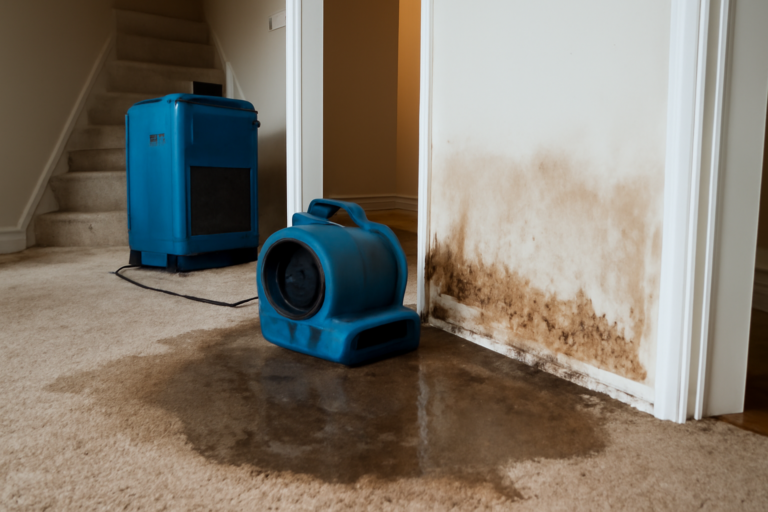
We use powerful air movers and dehumidifiers to thoroughly dry out carpets, walls, and subflooring. This is crucial to prevent mold growth. We also employ specialized deodorizing treatments to neutralize any remaining odors. You’ll notice a fresh, clean smell returning.
5. Damage Assessment and Repair Planning
After the cleanup, we’ll inspect for any structural damage caused by the backup. We’ll then discuss any necessary repairs with you, ensuring your home is not only clean but also structurally sound. We want to help you rebuild with confidence.
Don’t let a septic backup disrupt your life for longer than necessary. Let our experienced team handle the messy work for you. We’re ready to provide prompt, effective cleanup.

Warning Signs You Need Septic Tank Backup Cleanup
Catching the early signs of a septic issue can save you a lot of trouble and expense. Ignoring these indicators could lead to a full-blown backup and significant damage to your home. It’s important to be aware of what to look for so you can act fast. Being vigilant means protecting your investment.
Musty Odors That Won’t Go Away
If you’re noticing persistent foul smells around your drains, toilets, or even in your yard, it’s a strong sign of a problem. These odors often indicate that waste isn’t being properly processed or is backing up. Don’t just mask the smell; investigate the cause.
Slow Draining Fixtures
Are your sinks, showers, or toilets draining slower than usual? This could mean your septic system is becoming clogged or is already starting to back up. It’s a clear signal that attention is needed.
Gurgling Sounds From Pipes
Unusual gurgling noises coming from your plumbing, especially when you flush a toilet or run water, often mean air is being pushed back up through the system. This is a common symptom of a blockage or backup. Listen for unusual plumbing noises.
Sewage Backing Up Into Drains
This is the most obvious and unpleasant sign: wastewater backing up into your sinks, showers, or toilets. If this happens, stop using water immediately and call for professional help. It’s a clear indication of a serious system failure.
Pooling Water or Lush Green Patches in Your Yard
If you see areas in your yard where water is pooling, or unusually green and healthy-looking grass patches over your drain field, it might mean your septic system is leaking or overloaded. This suggests potential contamination.
Toilet Water Levels Fluctuating
When you run water in your sink or shower, does the water level in your toilet bowl rise or fluctuate? This can be a sign that your septic system is full or clogged, and the wastewater has nowhere else to go. Pay attention to your toilet’s behavior.
Septic Tank Backup Cleanup vs. DIY: When To Call a Professional
| Situation | DIY? | Call a Pro? | Why |
|---|---|---|---|
| Small spill in a drain line | Yes, with caution | Yes | DIY is okay for minor spills if contained, but a pro ensures complete sanitization. |
| Musty odor from a single drain | Yes | Yes | DIY involves checking for clogs; a pro can confirm if it’s a deeper system issue. |
| Slow draining in one sink | Yes | Yes | DIY can involve basic drain cleaning; a pro can diagnose if it’s related to the main septic line. |
| Sewage backing up into multiple fixtures | No | Yes | This indicates a significant blockage or system failure requiring professional pumping and cleaning. |
| Visible sewage pooling in the yard | No | Yes | This is a health hazard and requires specialized equipment for cleanup and containment. |
| Water damage to flooring from backup | No | Yes | Professionals have the tools and expertise to properly dry, clean, and restore water-damaged materials. |
While some minor plumbing issues might be handled with a DIY approach, a true septic backup is a different story. When you see sewage coming back into your home, it’s almost always time to call in the experts. Our team has the specialized equipment and training to handle these situations safely and effectively, ensuring your home is properly cleaned and sanitized. For anything beyond a minor inconvenience, professional intervention is key.
Septic Tank Backup Cleanup Cost In Stone Mountain, GA
The cost for septic tank backup cleanup in Stone Mountain, GA, can vary significantly. Factors like the severity of the backup, the size of the area affected, and the amount of contamination all play a role. These figures are estimates, and an on-site assessment is needed for an exact quote. We aim to provide transparent pricing upfront.
| Service | Typical Price Range | What Affects Cost |
|---|---|---|
| Emergency Pumping and Waste Removal | $750 – $2,500 | Volume of waste, accessibility of the septic tank, and time of day. |
| Affected Area Cleaning and Sanitization | $500 – $3,000 | Square footage of contamination, type of materials affected (carpet, drywall, etc.). |
| Drying and Dehumidification | $300 – $1,500 | Size of the flooded area, duration of drying needed, and equipment required. |
| Odor Removal Treatments | $200 – $800 | Severity of odors, size of the affected space, and specific treatment methods used. |
| Minor Structural Drying and Repair Assessment | $100 – $500 (assessment fee) | The extent of damage observed and the need for specialized drying equipment. |
| Full Septic Backup Cleanup Project | $1,500 – $7,000+ | Combines all services; complexity, containment needs, and time to complete. |
The exact cost will depend on the unique circumstances of your backup. We always recommend getting a free estimate so you know exactly what to expect before we begin. Our goal is to provide affordable, high-quality service.
Service Areas Near Stone Mountain, GA
Atlanta, Decatur, Lithonia, Snellville, Lilburn, Tucker, Clarkston, Norcross, Peachtree Corners, Lawrenceville, Suwanee, Duluth, Sandy Springs, Dunwoody, Chamblee, Doraville, Avondale Estates, Pine Lake, Scottdale, Mountain Park
Common Questions About Septic Tank Backup Cleanup
What should I do immediately if I suspect a septic backup?
If you suspect a septic backup, the first and most important step is to stop using water immediately. Turn off the main water supply to your home to prevent any more wastewater from entering the system and potentially causing more overflow. Avoid flushing toilets or running any faucets. Then, call our team right away so we can begin the emergency cleanup process.
How long does septic tank backup cleanup usually take?
The timeline for septic tank backup cleanup can vary greatly depending on the severity. A minor backup might be resolved in a day or two, but more extensive contamination could take several days. Our crews work diligently to complete the process as efficiently as possible while ensuring thorough drying and sanitization. We’ll give you a realistic timeframe after our initial assessment.
Are septic backups a health hazard?
Yes, septic backups absolutely pose a significant health hazard. Wastewater contains harmful bacteria, viruses, and parasites that can cause serious illnesses. It’s crucial to have the affected areas professionally cleaned and sanitized to eliminate these risks. Our IICRC-certified technicians take every safety precaution to protect your family’s health.
What kind of equipment do you use for septic backup cleanup?
We utilize specialized equipment designed for water and waste removal, including high-powered vacuum trucks for pumping out sewage. For the cleanup and drying phases, we use industrial-grade extractors, air movers, and dehumidifiers. We also employ advanced cleaning agents and deodorizers to ensure a complete restoration. This equipment allows us to handle even the most challenging situations.
How can I prevent future septic tank backups in Stone Mountain, GA?
Preventing future backups involves regular maintenance and mindful usage. Have your septic tank pumped regularly, typically every 2-3 years, depending on household size and usage. Avoid flushing non-biodegradable items like wipes, feminine hygiene products, or excessive paper products. Be cautious about what you pour down drains, and consider having your system inspected periodically. Following these steps helps maintain your system’s long-term health.
Check Our Other Relevant Services
- Antimicrobial Treatment Services in Stone Mountain, GA
- Broken Pipe Water Damage Restoration in Stone Mountain, GA
Serving Stone Mountain, GA And Nearby Areas