Trusted by 165+ Homeowners
Sewage Cleanup & Disinfection in Winder, GA
- Over 165 5-Star Reviews
- Free Estimates and Quotes
- 100% Satisfaction Guaranteed
- Child, Family & Pet Safe Steps
- 24-Hour Emergency Service
- Fully Licensed & Insured

When Sewage Backs Up in Winder, GA: What You Need to Know
Did you know that a sewage backup can release over 100 different types of bacteria and viruses into your home? This isn’t just about a bad smell. It’s a serious health hazard that requires immediate, expert attention. Ignoring it can lead to significant structural damage and long-term health risks for your family. We understand that dealing with this type of mess is stressful, which is why our team is ready to help you navigate it. You’re facing a tough situation, and we’re here to provide a clear path forward with reliable sewage mitigation and prompt disinfection services.
Homeowners around here have trusted us with their sewage emergencies, contributing to over 165 five-star reviews. We’re known for being direct, efficient, and thorough. When you call us for sewage cleanup, you’re getting a team that understands the urgency and the potential dangers involved. We make sure your property is handled with the utmost care and professionalism. You can count on us for transparent communication and effective cleanup strategies.
- We tackle the hidden dangers, using advanced equipment to detect and eliminate harmful bacteria and viruses that you can’t see, ensuring your home is truly safe.
- Our team works directly with your insurance company, helping to document the damage accurately and streamline the claims process so you don’t have to worry about the paperwork.
- We focus on preventing future issues by identifying the source of the backup and recommending necessary repairs to protect your property long-term.
How Our Sewage Cleanup & Disinfection Process Works
A sewage backup isn’t something you can just clean up with household supplies. It requires a specialized approach to safely remove contaminated materials, disinfect the affected areas, and dry everything out completely. Cutting corners here can lead to mold growth and lingering health problems. Our process is designed to be thorough and efficient, addressing the immediate mess and the underlying risks. We follow strict protocols to ensure your home is returned to a safe condition. You’ll see the difference that professional sewage remediation makes.
1. Emergency Response and Assessment
As soon as you call, we’re on our way. Our trained technicians will arrive quickly to assess the situation, identify the source of the backup, and determine the extent of the contamination. We’ll explain what we find and outline the necessary steps for cleanup. This initial assessment is crucial for creating an effective plan and gives you a clear understanding of the immediate action needed.
2. Water Extraction and Debris Removal
We use powerful, truck-mounted extraction equipment to remove standing sewage water as quickly as possible. All contaminated materials, such as carpets, padding, drywall, and personal belongings that cannot be salvaged, are carefully removed and disposed of according to safety regulations. This step is vital for stopping further damage and beginning the drying process. We handle contaminated material disposal with care.
3. Structural Drying and Dehumidification
Once the bulk of the water and debris is gone, we use specialized drying equipment like air movers and dehumidifiers to remove moisture from the air and building materials. This process prevents secondary damage like mold growth and warping. It can take several days to ensure materials are completely dry. Proper drying is key to preventing long-term issues.
4. Cleaning and Disinfection
This is where we tackle the health risks head-on. We use EPA-approved disinfectants and cleaning agents to thoroughly clean all affected surfaces. This process kills bacteria, viruses, and other pathogens left behind by the sewage. Our goal is to make your home safe and healthy again. You’ll feel better knowing your property is thoroughly sanitized.
5. Odor Control
Sewage backups often leave behind stubborn odors. We employ advanced odor removal techniques, including ozone treatments and thermal fogging, to neutralize and eliminate smells at their source. We don’t just mask odors; we get rid of them. This ensures your home smells fresh and clean. We provide effective odor elimination.
Don’t let sewage damage linger. Contact us now to get immediate professional help. We’re here to restore your home and your comfort. Let our team handle the urgent cleanup needs.

Warning Signs You Need Sewage Cleanup & Disinfection
Recognizing the signs of a sewage problem early can save you a lot of money and prevent more serious health issues. Ignoring these indicators can turn a manageable situation into a costly disaster. We help homeowners in your neighborhood identify these problems before they escalate. Early detection means faster, more effective cleanup. It’s about protecting your investment and your family’s well-being. You need to be aware of these potential contamination signals.
Persistent Musty or Foul Odors
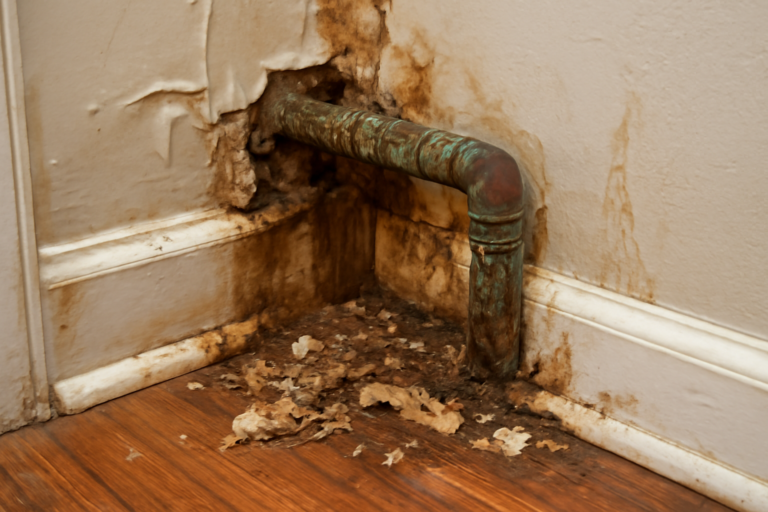
A lingering smell of rotten eggs, ammonia, or general sewage, especially in basements or bathrooms, is a strong indicator of a problem. These odors often mean there’s unseen contamination or moisture. Don’t just air out the house; investigate the source. These smells are a direct health warning.
Slow-Draining or Gurgling Drains
If your toilets, sinks, or showers are draining slowly, or you hear gurgling sounds when water is used elsewhere, your main sewer line might be blocked or damaged. This can lead to backups. It’s a clear sign of plumbing system distress.
Water Backing Up into Fixtures
When you flush a toilet and water comes up in the shower, or use the sink and see it in the tub, this is a classic sign of a sewer line clog. It means the waste has nowhere to go but back into your home. This is a critical sewage backup indicator.
Visible Sewage or Wastewater in Yard
If you notice wet spots, foul odors, or actual sewage pooling in your yard, especially near sewer cleanouts or underground pipes, your main sewer line may have broken or become infiltrated. This is a serious environmental and health concern. It represents external contamination risk.
Mold or Mildew Growth
While not always directly caused by sewage, unexplained mold or mildew growth, especially in damp areas like bathrooms or basements, can sometimes be a secondary effect of sewage-related moisture that wasn’t properly dried. This indicates a hidden moisture problem.
Changes in Toilet Water Levels
If the water level in your toilet bowl fluctuates unexpectedly, or bubbles appear when other fixtures are used, it could signal pressure changes in your plumbing system due to a blockage. This is a subtle but important plumbing malfunction clue.
Sewage Cleanup & Disinfection vs. DIY: When To Call a Professional
| Situation | DIY? | Call a Pro? | Why |
|---|---|---|---|
| Minor toilet overflow, contained to a small, easily accessible area with no visible contamination. | Yes, with caution. | Maybe. | If you’re confident you can clean and disinfect thoroughly, DIY is an option. |
| Sewage water has entered the living space, affecting carpets, furniture, or drywall. | No. | Yes. | DIY efforts rarely remove all contaminants or dry materials effectively. |
| You suspect the backup is from the main sewer line, not just a fixture clog. | No. | Yes. | Main line issues require specialized equipment and knowledge to diagnose and repair. |
| There are strong, persistent sewage odors that don’t dissipate after initial cleanup. | No. | Yes. | Professional equipment is needed to neutralize odors at their source. |
| Anyone in the household has a compromised immune system or respiratory issues. | Absolutely not. | Yes. | The health risks are too high for DIY cleanup in vulnerable households. |
| You need to file an insurance claim for the damage. | No. | Yes. | Professionals provide the documentation and expertise needed for insurance claims. |
For anything beyond a very minor, contained incident, calling a professional is the safest and most effective route. DIY attempts often fall short of removing all the harmful bacteria and moisture. You need specialized equipment and knowledge for true sewage remediation.
Sewage Cleanup & Disinfection Cost in Winder, GA
The cost of sewage cleanup and disinfection in Winder, GA, can vary significantly. Factors like the severity of the backup, the total square footage affected, and the type of materials contaminated all play a role. These price ranges are estimates to give you a general idea. We provide detailed cost breakdowns upfront.
| Service | Typical Price Range | What Affects Cost |
|---|---|---|
| Initial Inspection & Containment | $300 – $800 | Extent of contamination, need for specialized containment. |
| Water Extraction & Debris Removal | $500 – $3,000 | Amount of water, volume of contaminated materials to remove. |
| Structural Drying & Dehumidification | $700 – $4,000 | Size of the affected area, duration of drying needed. |
| Cleaning & Disinfection | $400 – $2,500 | Surface area to be treated, type and strength of disinfectants used. |
| Odor Removal | $300 – $1,500 | Severity of odor, methods required for effective neutralization. |
| Content Cleaning & Restoration | $200 – $2,000+ | Number of items affected, complexity of cleaning required for each. |
An on-site assessment is the only way to get an accurate quote. We offer free estimates to help you understand the scope and cost. Contact us to schedule your free damage assessment.
Service Areas Near Winder, GA
Auburn, Bethlehem, Bogart, Buford, Carl, Commerce, Hoschton, Jefferson, Lawrenceville, Loganville, Lula, Monroe, Nicholson, Oakwood, Pendergrass, Statham, Suwanee, Talmo, Winder, and Braselton.
Common Questions About Sewage Cleanup & Disinfection
My toilet overflowed slightly. Can I just clean it up myself?
For a very minor, contained overflow where only a small amount of clean water was involved and no visible contamination occurred, you might be able to clean and disinfect it yourself. However, sewage water contains dangerous bacteria and viruses. If there was any actual sewage involved, or if the water spread beyond a tiny area, it’s much safer to call our team. We have the proper protective gear and disinfectants to ensure your home is truly safe and free from harmful pathogen exposure.
How long does the sewage cleanup process typically take?
The timeline for sewage cleanup and disinfection depends heavily on the severity of the backup. A minor incident might be resolved in 1-3 days, while a major contamination could take a week or more. The drying process itself often takes several days, even with professional equipment. Our technicians will give you a realistic timeframe after the initial assessment. We aim for efficient restoration timelines.
Is sewage backup covered by homeowners insurance?
Generally, homeowners insurance policies cover damage from sudden, accidental sewage backups, but there are often limitations. Coverage usually applies if the backup was caused by an external event, not a gradual maintenance issue. It’s important to review your specific policy or let our team assist you by documenting the damage for your insurance company. We help navigate insurance claim complexities.
What health risks are associated with sewage contamination?
Sewage water is a breeding ground for numerous pathogens, including E. coli, Salmonella, Hepatitis A, and various viruses and parasites. Exposure can lead to gastrointestinal illnesses, skin infections, respiratory problems, and other serious health issues. Proper disinfection by trained professionals is essential to eliminate these risks. Your family’s health is paramount, and we take biohazard mitigation seriously.
How do you prevent mold after a sewage backup?
Preventing mold growth after a sewage incident involves two key steps: thorough cleaning and disinfection, followed by rapid and complete drying. Our team uses specialized equipment like industrial dehumidifiers and air movers to remove moisture from building materials and the air. We also ensure all contaminated porous materials that cannot be effectively cleaned are removed. Prompt action is critical for preventing secondary mold damage.
Check Our Other Relevant Services
Serving Winder, GA And Nearby Areas