Trusted by 165+ Homeowners
Sewage Damage Restoration in Auburn, GA
- Over 165 5-Star Reviews
- Free Estimates and Quotes
- 100% Satisfaction Guaranteed
- Child, Family & Pet Safe Steps
- 24-Hour Emergency Service
- Fully Licensed & Insured
Don’t Let Sewage Backups Ruin Your Home in Auburn, GA
If you’ve experienced a sewage backup, you’re likely dealing with a mess that’s both disgusting and dangerous. It’s critical to act fast. A common mistake is trying to clean it up yourself without the right protective gear or knowledge, which can expose you to serious health risks. Swift action is essential when dealing with contaminated water. We understand how overwhelming this situation can be, and our team is here to help you navigate it with care and efficiency. Your safety is our priority.
We’ve helped countless homeowners in your neighborhood recover from sewage damage, and we’re proud of the trust they place in us. Our 165+ five-star reviews speak to our commitment to getting the job done right. For sewage damage restoration, homeowners choose us because they know we bring rapid response times and thorough expertise to every call. We treat your home with the respect it deserves, tackling the problem head-on so you can get back to feeling comfortable and secure.
- We use specialized equipment to ensure complete removal of contaminants and prevent mold growth, protecting your family’s health.
- Our team is trained in advanced drying techniques to restore structural integrity and prevent long-term damage to your property’s foundation and walls.
- We handle the entire process, from initial cleanup to final sanitization, providing a stress-free experience for you during a difficult time.
Our Sewage Damage Restoration Process: Speed and Precision
When sewage contaminates your home, the clock is ticking. Every hour that passes increases the potential for secondary damage, like mold growth and structural compromise. Our process is designed for maximum speed and effectiveness, focusing on immediate containment and thorough remediation. Delaying professional cleanup can turn a manageable problem into a much larger, more expensive disaster. We know the importance of a structured, professional approach when dealing with such a sensitive issue.
1. Emergency Containment and Assessment
Upon arrival, our crews immediately work to contain the affected area, preventing further spread of contaminants. We conduct a detailed assessment to understand the full scope of the damage, identifying the source and extent of the sewage intrusion. This initial step is crucial for planning the most effective remediation strategy and takes about 1-2 hours. We’ll walk you through our findings, ensuring you understand the situation. Containment is key to preventing widespread issues.
2. Water Extraction
Using powerful, truck-mounted extraction units, we remove standing sewage water as quickly as possible. These machines are designed to pull out the maximum amount of liquid, significantly reducing the moisture content in your carpets, subfloors, and walls. This process can take anywhere from 2-6 hours, depending on the volume of water. Efficient water removal is vital for preventing further damage.
3. Sanitization and Deodorization
Sewage is teeming with harmful bacteria and viruses. We use EPA-approved, hospital-grade disinfectants to thoroughly sanitize all affected surfaces, eliminating odors and preventing the spread of disease. This step is non-negotiable for your family’s health and well-being. Our technicians apply these solutions carefully, ensuring complete microbial control. This can take 4-8 hours.
4. Drying and Dehumidification
After sanitization, we set up specialized drying equipment, including industrial-grade air movers and dehumidifiers. These machines work tirelessly to remove residual moisture from the air and building materials, accelerating the drying process and preventing mold. We monitor humidity levels closely to ensure the environment returns to safe, dry conditions. This critical phase can last anywhere from 24-72 hours, sometimes longer. Proper drying prevents mold.
5. Reconstruction and Repair
Once your property is dry and sanitized, we begin the restoration process. This may involve replacing damaged drywall, flooring, insulation, and other materials. Our goal is to return your home to its pre-loss condition, or better. We focus on restoring your home’s safety and integrity. The timeline for this stage varies greatly depending on the extent of the damage.
Don’t wait for the problem to get worse. If you’ve experienced a sewage backup, call us immediately. We’re ready to deploy our team and start the cleanup process. Immediate professional help makes all the difference.

Warning Signs You Need Sewage Damage Restoration
Ignoring the early signs of sewage contamination can lead to more significant structural damage and serious health hazards. Catching these indicators early allows our team to intervene before the problem escalates. Being aware of these signs can save you money and protect your family’s well-being. Early detection is crucial for effective remediation.
Musty Odors That Won’t Go Away
A persistent, unpleasant smell, often described as musty or like rotten eggs, is a strong indicator of sewage contamination, even if you can’t see standing water. This odor often means moisture is trapped behind walls or under floors. Investigate strange smells promptly.
Visible Water Damage or Stains
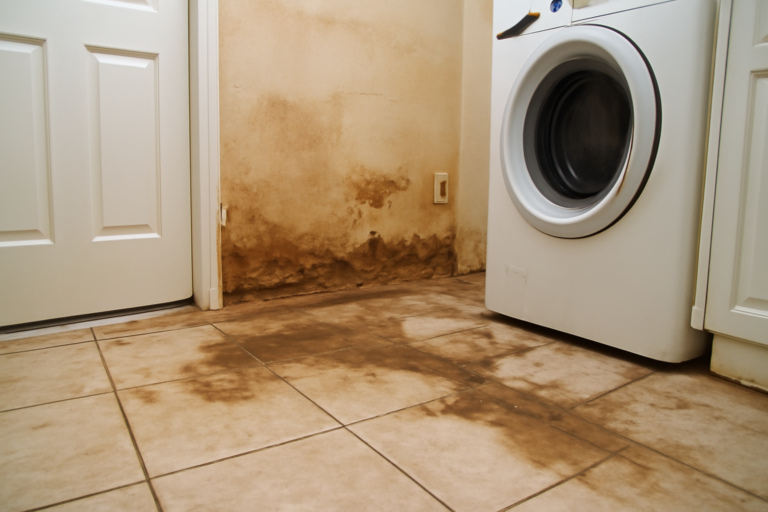
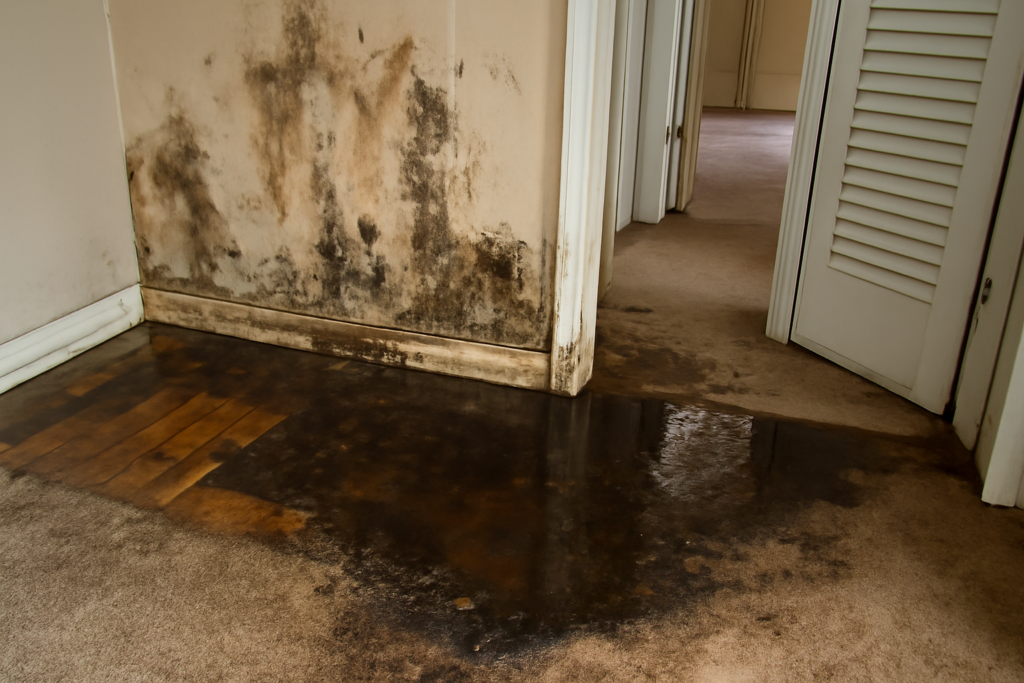
Discolored areas on walls, ceilings, or floors, especially if accompanied by a foul odor, can signal that sewage has infiltrated your home’s structure. Look for water lines or damp spots that weren’t there before. Visible water is a clear warning.
Slow or Gurgling Drains
If your drains are backing up, gurgling when water is used elsewhere, or running unusually slowly, it could indicate a blockage or break in your sewer line. This is a direct sign that sewage may be entering your home. Don’t ignore slow drains.
Mold or Mildew Growth
The warm, damp conditions created by sewage backups are ideal for mold growth. If you notice any unusual mold patches or smell mildew, it’s a sign that moisture problems, potentially from sewage, are present. Mold indicates hidden moisture.
Sewage Backups in Toilets or Drains
The most obvious sign is sewage backing up into your toilets, showers, or sinks. This is a critical situation that requires immediate professional attention to prevent further contamination and health risks. Direct backups need immediate response.
Unexplained Wet Spots on Floors or Walls
Even small, unexplained wet patches on your floors, especially in basements or crawl spaces, could be a sign of a slow leak or backup from your sewer system. These areas can harbor bacteria and lead to structural issues. Check for dampness regularly.
Sewage Damage Restoration vs. DIY: When To Call a Professional
| Situation | DIY? | Call a Pro? | Why |
|---|---|---|---|
| Minor toilet overflow (water only, no visible sewage) | Yes, with gloves and disinfectant. | No, unless it soaks into subflooring. | Small, clean water spills can often be managed with basic cleaning supplies. |
| Sewage backup in sink or tub | Absolutely Not. | Yes, immediately. | Contact with sewage is a serious health hazard and requires specialized cleaning and sanitization. |
| Standing sewage water on hard floors | Maybe, with extreme caution and PPE. | Yes, for thorough sanitization. | While you can mop, professional equipment ensures deeper cleaning and prevents lingering bacteria. |
| Sewage soaking into carpets or drywall | Absolutely Not. | Yes, immediately. | Porous materials harbor bacteria and pathogens that DIY methods cannot fully remove, leading to health risks and mold. |
| Sewage backup in basement or crawl space | Absolutely Not. | Yes, immediately. | These areas are often difficult to access and contain, requiring specialized equipment for extraction and drying. |
| Persistent foul odors after a spill | No. | Yes, to ensure complete deodorization. | Odors indicate residual contamination or moisture that needs professional treatment. |
While small, clean water spills might be manageable with DIY efforts, any situation involving actual sewage contamination demands professional intervention. The health risks and potential for long-term structural damage are simply too high to tackle on your own. Professional expertise is non-negotiable when sewage is involved.
Sewage Damage Restoration Cost In Auburn, GA
The cost of sewage damage restoration in Auburn, GA, can vary significantly. Factors like the extent of the contamination, the size of the affected area, and the type of materials damaged all play a role. These figures are general estimates to help you understand the potential investment. Understanding costs helps you prepare.
| Service | Typical Price Range | What Affects Cost |
|---|---|---|
| Emergency Water Extraction | $500 – $2,500 | Volume of water, accessibility of the area. |
| Sanitization and Deodorization | $400 – $2,000 | Square footage treated, type of antimicrobial solutions used. |
| Structural Drying (Air Movers & Dehumidifiers) | $600 – $3,000 | Duration of drying needed, number of units required. |
| Carpet and Padding Removal/Disposal | $200 – $800 | Square footage of flooring removed, disposal fees. |
| Drywall and Insulation Removal/Replacement | $800 – $4,000+ | Linear footage of walls affected, complexity of the job. |
| Mold Remediation (if applicable) | $1,000 – $5,000+ | Severity and spread of mold growth, containment protocols. |
An on-site assessment by our trained technicians is the best way to get an accurate estimate for your specific situation. We offer free, no-obligation inspections to provide you with a clear understanding of the costs involved. Get a free estimate today.
Service Areas Near Auburn, GA
Auburn, Bethlehem, Braselton, Buford, Commerce, Hoschton, Jefferson, Lawrenceville, Loganville, Monroe, Nicholson, Pendergrass, Statham, Suwanee, Talmo, Winder, Auburn Hills, Auburn Creek, Auburn Heights, Auburn Lakes.
Common Questions About Sewage Damage Restoration
What should I do immediately after a sewage backup?
The first step is to stop the source of the backup if possible and safe to do so. Then, evacuate everyone from the affected areas, especially children and pets, as sewage is hazardous. Do not touch anything contaminated. Ventilate the area if safe, and call us immediately. We’ll guide you through the next steps and begin the restoration process.
How long does sewage damage restoration take?
The timeline depends heavily on the severity of the backup and the extent of the damage. Minor incidents might take 2-3 days for drying and sanitization. However, significant contamination requiring structural drying and repairs could take several weeks. Rapid response shortens the timeline. We work efficiently to restore your home as quickly as possible.
Is sewage damage covered by homeowner’s insurance?
Coverage varies by policy. Most standard policies cover damage from sudden, accidental overflows of sewer or drain systems, but often exclude damage from floods or backups caused by lack of maintenance. It’s best to check your specific policy or contact your insurance provider. We can help document the damage for your claim. Insurance claims are complex, and we assist where we can.
How dangerous is sewage water in my home?
Sewage water, classified as Category 3 or “black water,” contains harmful bacteria, viruses, and other pathogens that can cause serious illnesses. Exposure can lead to gastrointestinal issues, skin infections, and respiratory problems. It’s crucial to avoid direct contact and have professionals handle the cleanup to ensure your family’s health and safety.
Can I prevent sewage backups in my home?
Regular maintenance of your plumbing system is key. Avoid flushing anything other than toilet paper, be mindful of what goes down drains, and consider having your sewer lines inspected and cleaned periodically, especially if you have older pipes or mature trees on your property. Preventative maintenance saves money and headaches. If a backup does occur, remember our team is here to help.
Check Our Other Relevant Services

Jerry Johns is a licensed Damage Restoration Expert with over 20 years of hands-on experience helping homeowners and businesses navigate property crises. As a trusted authority in the field, Jerry combines technical precision with a compassionate approach to disaster recovery.
𝗖𝗲𝗿𝘁𝗶𝗳𝗶𝗰𝗮𝘁𝗶𝗼𝗻𝘀: Jerry holds multiple elite IICRC certifications, including Water Damage Restoration (WRT), Applied Microbial Remediation (Mold), Applied Structural Drying (ASD), Odor Control, and Fire and Smoke Restoration.
𝗙𝗮𝘃𝗼𝗿𝗶𝘁𝗲 𝗣𝗮𝘀𝘁𝗶𝗺𝗲: When he isn’t on a job site, Jerry is an avid outdoorsman who enjoys fly fishing and restoring vintage woodworking tools.
𝗕𝗲𝘀𝘁 𝗣𝗮𝗿𝘁 𝗼𝗳 𝘁𝗵𝗲 𝗝𝗼𝗯: Jerry finds the most fulfillment in seeing the relief on a client’s face when their property is finally restored to its pre-loss condition, turning a stressful disaster into a fresh start.