Trusted by 165+ Homeowners
Sewage Damage Restoration in Austell, GA
- Over 165 5-Star Reviews
- Free Estimates and Quotes
- 100% Satisfaction Guaranteed
- Child, Family & Pet Safe Steps
- 24-Hour Emergency Service
- Fully Licensed & Insured
Tackling Tough Sewage Backup in Austell, GA
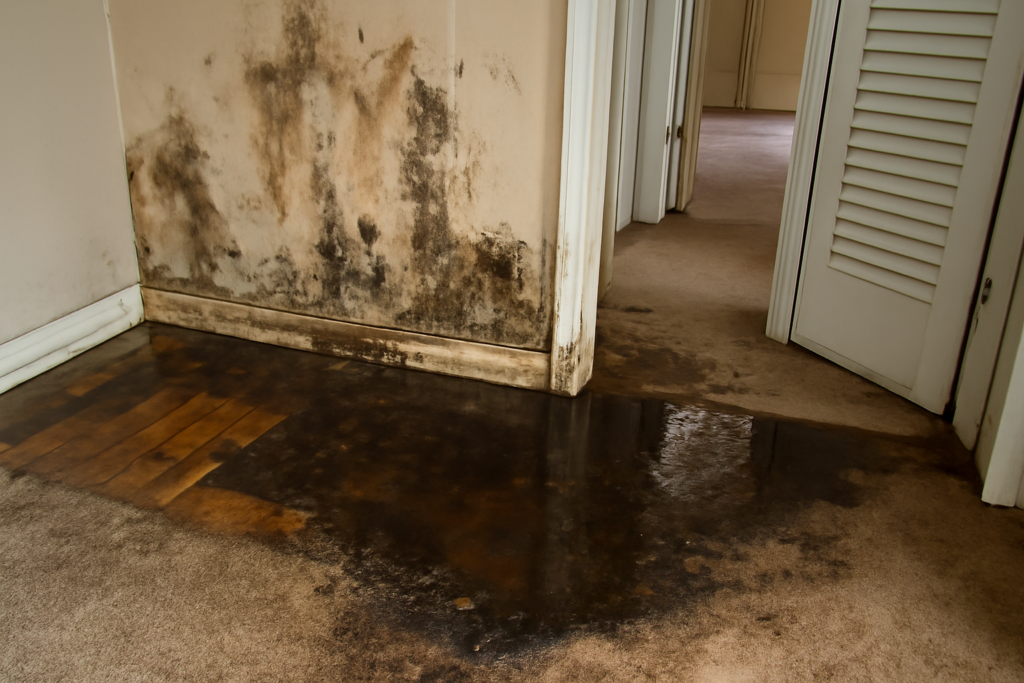
Here in Austell, GA, we know how quickly a sudden downpour can overwhelm our local sewer systems. When those heavy rains hit, especially in the spring and summer, it’s not uncommon for older pipes or overloaded municipal lines to back up. This can lead to a really unpleasant situation where sewage can enter your home, bringing with it serious health risks and property damage. Dealing with sewage backup is one of the most stressful home emergencies you can face, and it requires prompt, professional attention to keep your family safe and your home healthy. Don’t wait to address sewage issues, as they can quickly become a major health hazard.
Homeowners throughout the area trust our team for Sewage Damage Restoration because we understand the urgency and the specific challenges this problem presents. With over 165 five-star reviews, you can see why so many of your neighbors turn to us when the worst happens. We’ve developed a reputation for being thorough, efficient, and most importantly, for getting the job done right the first time. You’re not just getting a service; you’re getting reliable help from people who care about your property and your well-being.
- We use specialized equipment designed to safely and effectively remove contaminated water and materials, minimizing the risk of lingering pathogens.
- Our process focuses on thorough drying and sanitization, which is crucial for preventing mold growth and ensuring your home is safe to live in again.
- We handle the entire restoration from cleanup to rebuilding, so you don’t have to coordinate multiple contractors during an already stressful time.
How We Handle Sewage Damage Restoration
When sewage invades your home, it’s not just a messy cleanup; it’s a contamination issue that needs a systematic approach. A quick, superficial clean might seem like enough, but without proper containment, removal, and sanitization, you’re leaving yourself open to serious long-term health problems and structural damage. Our team follows a strict, proven process that prioritizes your safety and the integrity of your home. We’ve seen what happens when sewage cleanup is done incorrectly, and that’s why we’re so committed to doing it right, using industry best practices and certifications.
Step 1: Initial Assessment and Containment
The moment we arrive, our first priority is to assess the scope of the sewage damage and immediately contain the contaminated area. This involves identifying the source of the backup, if possible, and setting up barriers to prevent the spread of contaminants to unaffected parts of your property. We’ll use protective gear and specialized tools to ensure our team’s safety and to stop the problem from worsening. This crucial first step helps us plan the most effective restoration strategy.
Step 2: Water Extraction and Removal
Once contained, we use powerful, industrial-grade water extraction equipment to remove as much of the sewage-contaminated water as possible. This isn’t like sucking up spilled water from a burst pipe; it’s about removing hazardous waste. We’ll work diligently to pump out standing water and remove soiled materials like carpets, padding, and drywall that can’t be safely salvaged. Our goal here is to get the bulk of the standing water out quickly.
Step 3: Decontamination and Sanitization
After the bulk of the water is gone, we move on to a critical phase: deep cleaning and sanitizing all affected surfaces. This involves using EPA-approved disinfectants and antimicrobial treatments to neutralize bacteria, viruses, and other harmful pathogens present in sewage. This step is absolutely vital for preventing the spread of illness and ensuring your home environment is healthy. We pay close attention to every nook and cranny.
Step 4: Drying and Dehumidification
Even after visible water is removed, moisture can linger in porous materials like wood, concrete, and subflooring. We deploy high-speed air movers and industrial dehumidifiers to accelerate the drying process. Proper drying prevents secondary damage, such as mold growth and structural deterioration, which can occur days or weeks after the initial cleanup. We monitor humidity levels closely.
Step 5: Odor Control and Final Inspection
Sewage backups often leave behind stubborn, unpleasant odors. We utilize specialized odor removal equipment and treatments to eliminate these smells at their source, not just mask them. Once everything is completely dry and sanitized, our team conducts a final inspection to ensure all work meets our high standards and that your home is safe and ready for you to return. We want you to feel comfortable in your home again.
If you’re dealing with sewage backup, don’t try to handle it alone. Call our team right away to get the professional help you need to restore your home safely.

Warning Signs You Need Sewage Damage Restoration
Catching sewage issues early can save you a lot of headaches and money. Sometimes, the problem isn’t a sudden flood, but a slow leak or a developing issue that you might not notice right away. Being aware of the subtle signs can help you prevent a minor problem from becoming a major disaster. It’s always better to be proactive when it comes to your home’s health and safety.
Musty Odors That Won’t Go Away
A persistent, unpleasant smell, especially a musty or foul odor, that doesn’t clear up even after airing out your home is a strong indicator of a sewage problem. This often means sewage or contaminated water is trapped somewhere it shouldn’t be. Don’t ignore persistent smells, as they can signal a serious contamination issue.
Slow Drains or Gurgling Sounds
If you notice your drains are backing up, water is slow to drain from sinks or toilets, or you hear gurgling sounds from your plumbing, it could mean your main sewer line is clogged or damaged. This is often an early warning sign of a potential backup. Listen for unusual plumbing noises, as they can be critical early indicators.
Water Pooling Around Drains or Toilets
Seeing water pooling around your toilet or floor drains, especially when you haven’t spilled anything, is a clear sign that sewage may be backing up into your home. This water is highly contaminated and poses immediate health risks. Act immediately if you see water around drains; it’s a direct sign of trouble.
Visible Sewage or Backflow
The most obvious sign is, of course, seeing sewage itself coming up through drains, toilets, or even cracks in your foundation. This is a critical emergency. If you see any visible sewage, evacuate your home immediately and call for professional help.
Discolored or Smelly Yard Areas
Sometimes, sewer line breaks occur outside your home, leading to patches of your lawn that are unusually green, wet, or have a foul odor, especially after rain. This can indicate a leak in your underground sewer pipes. Inspect your yard for damp spots or unusual smells after heavy rain.
Sewage Damage Restoration vs. DIY: When To Call a Professional
| Situation | DIY? | Call a Pro? | Why |
|---|---|---|---|
| Minor toilet overflow with no standing water | Yes, with caution | Yes | Even minor overflows can spread bacteria and require proper sanitization to prevent health risks. |
| Standing sewage water in your home | Absolutely Not | Yes | Sewage is a biohazard; DIY cleanup risks severe health issues and incomplete remediation. |
| Sewer line backup from main drain | No | Yes | This indicates a problem with the main line that requires specialized equipment and expertise to diagnose and repair. |
| Water intrusion from heavy rain into basement | Maybe, for minor dampness | Yes | If the water is discolored or has an odor, it could be contaminated. Professionals can test and properly remediate. |
| Suspected mold growth due to sewage | No | Yes | Mold from sewage contamination is particularly hazardous and requires professional mold remediation protocols. |
| Need for specialized drying equipment | No | Yes | Industrial-grade dehumidifiers and air movers are essential for thorough drying to prevent secondary damage. |
When your home is impacted by sewage, the risks are too high to attempt a full DIY cleanup if there’s any standing water or contamination. Professionals have the training, equipment, and safety protocols to handle these hazardous situations effectively. Trusting the process to a certified team protects your health and ensures your home is truly clean and safe again.
Sewage Damage Restoration Cost In Austell, GA
The cost for Sewage Damage Restoration in Austell, GA can vary significantly. Factors like the amount of water, the type of sewage (blackwater is most hazardous), the size of the affected area, and the extent of structural damage all play a role. These figures are just estimates to give you an idea of what to expect, and an on-site assessment is always needed for an accurate quote.
| Service | Typical Price Range | What Affects Cost |
|---|---|---|
| Emergency Water Extraction | $500 – $2,000 | Volume of water, accessibility, and speed required. |
| Decontamination and Sanitization | $750 – $3,000 | Square footage treated, type of cleaning agents used, and severity of contamination. |
| Structural Drying and Dehumidification | $1,000 – $4,000 | Size of affected area, humidity levels, and length of drying time needed. |
| Odor Removal | $300 – $1,500 | Severity of odor, methods used (ozone, thermal fogging), and size of space. |
| Carpet and Flooring Removal/Disposal | $200 – $1,000+ | Linear feet of flooring, type of material, and disposal fees. |
| Minor Structural Repairs (e.g., drywall, subfloor) | $500 – $5,000+ | Extent of damage, materials needed, and labor involved. |
Remember, these are just general ranges. For a precise estimate tailored to your specific situation, our team offers free on-site assessments. We’ll walk you through the process and provide a clear breakdown of the costs involved.
Service Areas Near Austell, GA
Austell, Lithia Springs, Powder Springs, Marietta, Smyrna, Atlanta, Douglasville, Mableton, Vinings, Kennesaw, Acworth, Hiram, Dallas, Clarkdale, Austell, Lithia Springs, Powder Springs, Marietta, Smyrna, Atlanta.
Common Questions About Sewage Damage Restoration
What is the biggest health risk from sewage backup?
The biggest health risk comes from the bacteria, viruses, and other pathogens present in sewage. These microorganisms can cause serious gastrointestinal illnesses, infections, and allergic reactions if inhaled or ingested. Our team uses specialized disinfectants to neutralize these hazards and ensure your home is safe. Proper sanitization is key to preventing long-term health problems.
How quickly can you start Sewage Damage Restoration?
We understand that sewage backup is an emergency. Our team is available 24/7 and aims to be on-site within a few hours of your call to begin the assessment and containment process. The faster we can start, the less damage and risk to your property and health. Immediate action is crucial for effective sewage cleanup and restoration.
Will my homeowner’s insurance cover sewage backup damage?
It depends on your specific policy. Many standard homeowner’s insurance policies do not automatically cover sewage backup. You may need a separate endorsement or rider for this type of coverage. We recommend contacting your insurance provider to understand your policy details. We’ll work with your insurer to document the damage and assist with the claims process.
How long does sewage damage restoration typically take?
The timeline can vary greatly depending on the severity of the backup, the amount of water, and the extent of contamination. Minor incidents might be resolved in a few days, while severe cases requiring significant drying and repairs could take several weeks. We’ll provide you with an estimated timeline after our initial assessment. Thorough drying is essential for a complete restoration.
What should I do if I suspect my sewer line is backing up outside my home?
If you notice unusual wet spots or foul odors in your yard, especially near where your sewer line runs, it could indicate an external break. The best course of action is to stop using water inside your home as much as possible and call a professional restoration company immediately. We can assess the situation, coordinate with plumbers if necessary, and begin the cleanup of any affected areas. Don’t delay in calling for help if you suspect an outdoor sewer issue.
Check Our Other Relevant Services
Serving Austell, GA And Nearby Areas