
Trusted by 165+ Homeowners
Sewage Damage Restoration in Barnesville, GA
- Over 165 5-Star Reviews
- Free Estimates and Quotes
- 100% Satisfaction Guaranteed
- Child, Family & Pet Safe Steps
- 24-Hour Emergency Service
- Fully Licensed & Insured
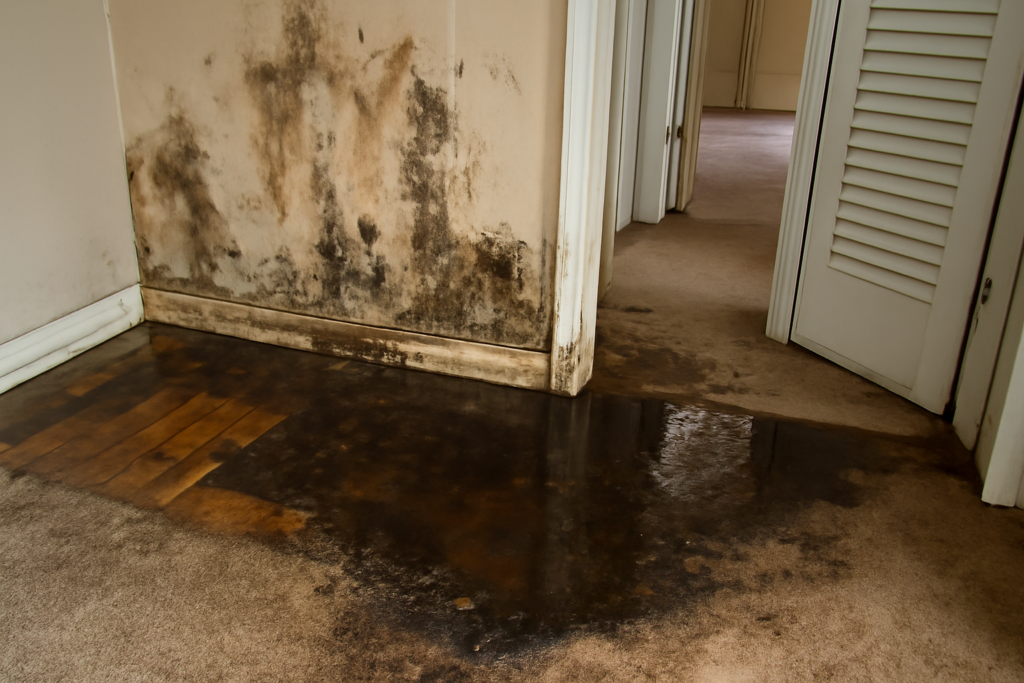
Expert Sewage Damage Restoration in Barnesville, GA
Dealing with sewage backups is one of the toughest situations a homeowner can face. We’ve seen it all, from overflowing toilets in older homes around Barnesville, GA to mysterious leaks in newer construction that lead to contamination. It’s a messy, stressful problem that requires immediate, expert attention. You need a team that understands the urgency and the health risks involved, and that’s exactly what we deliver when you’re facing sewage contamination.
Our local crews have earned the trust of over 165 homeowners in the area, evidenced by our 165+ five-star reviews. They choose us for sewage damage restoration because we combine technical skill with genuine care for your property and family. We know how disruptive and upsetting this can be, and our goal is to make the restoration process as smooth and efficient as possible for you. You’ll find our responsive service makes a real difference when you need it most.
- We tackle the immediate health hazards, neutralizing bacteria and viruses to make your home safe again.
- Our specialized equipment extracts all moisture, preventing lingering odors and mold growth that cheap fixes can’t address.
- We handle the entire process, from initial cleanup to full restoration, so you don’t have to coordinate multiple contractors.
How Sewage Damage Restoration Actually Works
A proper sewage cleanup isn’t just about mopping up water; it’s a detailed process designed to protect your health and your home’s structure. Cutting corners here can lead to serious long-term issues like mold, structural damage, and persistent odors that are impossible to get rid of. We follow a meticulous, IICRC-certified protocol to ensure every aspect of the contamination is addressed, from the visible mess to hidden moisture. Our detailed approach ensures thorough remediation.
Step 1: Initial Assessment and Safety
First, our technicians will arrive promptly to assess the extent of the sewage damage and identify the source. We’ll immediately take steps to contain the affected area and ensure your safety, often by shutting off water or power if necessary. This initial inspection is crucial for planning the entire restoration, and we’ll give you a clear picture of what to expect, including an estimated timeline.
Step 2: Water Extraction
We use powerful, truck-mounted extraction equipment to remove as much standing sewage water as possible. This is far more effective than standard vacuums and is essential for starting the drying process. Our goal is to remove the bulk of the contamination quickly and efficiently, minimizing further damage to your property and protecting your belongings.
Step 3: Cleaning and Sanitizing
Once the standing water is gone, we thoroughly clean and sanitize all affected surfaces. This involves using specialized antimicrobial treatments to kill bacteria, viruses, and other pathogens commonly found in sewage. This step is critical for health and safety, and we pay close attention to all porous materials that may have absorbed contaminants, ensuring a hygienic environment.
Step 4: Drying and Dehumidification
After sanitizing, we deploy industrial-strength air movers and dehumidifiers to thoroughly dry out your property. This process can take several days, depending on the severity of the damage and the building materials involved. Proper drying prevents secondary issues like mold growth and structural warping, ensuring your home is completely restored.
Step 5: Odor Control
Sewage backups often leave behind strong, unpleasant odors. We use advanced deodorizing equipment and solutions to neutralize these smells at their source, rather than just masking them. Our goal is to leave your home smelling fresh and clean, as if the problem never occurred, providing a truly odor-free atmosphere.
Don’t let sewage backup problems linger. Contact us today for immediate professional assistance. We’re ready to provide a swift, effective response to your emergency.

Warning Signs You Need Sewage Damage Restoration
Ignoring early signs of sewage issues can lead to much bigger, more expensive problems down the line, not to mention serious health risks. Recognizing these indicators can save you time, money, and a lot of stress. Catching these problems early is key to preventing widespread damage and ensuring your home’s safety. We help you identify potential issues before they become emergencies.
Musty Odors That Won’t Go Away
A persistent, unpleasant smell, especially in bathrooms or basements, is a strong indicator of hidden sewage or water intrusion. It’s your nose telling you something’s wrong, possibly with plumbing leaks or backups.
Slow Drains or Gurgling Sounds
When sinks, toilets, or showers drain slowly, or you hear gurgling noises from your pipes, it often means there’s a blockage in your main sewer line. This can quickly lead to a sewage backup.
Water Pooling Around Drains or Toilets
If you notice water accumulating around floor drains, toilet bases, or sinks during use, it suggests water isn’t draining properly through your plumbing system. This is a clear sign of potential drainage system failure.
Visible Sewage or Black Water
Any sight of sewage, black water, or wastewater backing up into tubs, showers, or toilets is an immediate emergency requiring professional cleanup. This type of contamination poses significant health risks.
Mold or Mildew Growth
The presence of mold or mildew, often accompanied by a damp smell, can indicate a long-term moisture problem, potentially caused by undetected sewage leaks. It’s a sign of unseen damage.
Damp Spots on Walls or Ceilings
Unexplained dampness, discoloration, or sagging on walls and ceilings could point to a sewage line issue within your walls or above your living space. This requires a thorough inspection.
Sewage Damage Restoration vs. DIY: When To Call a Professional
| Situation | DIY? | Call a Pro? | Why |
|---|---|---|---|
| Minor toilet overflow, contained to the toilet bowl and immediately cleaned up. | Yes, if you have proper PPE and disinfectant. | No | This is usually a minor spill that can be managed with basic cleaning supplies. |
| Sewage water backing up from a shower drain into your bathroom. | No | Yes | Sewage contains dangerous pathogens; professional equipment is needed for safe cleanup and sanitization. |
| A basement flooded with what appears to be black water after heavy rain. | No | Yes | This could be sewage mixed with groundwater, requiring specialized extraction and decontamination. |
| A small amount of dirty water under the sink after a minor leak. | Yes, with caution and proper cleaning. | No | If it’s just a small, contained water spill and not sewage, careful cleanup is possible. |
| Suspected sewage leak within walls or under flooring. | No | Yes | Hidden leaks are impossible to clean effectively yourself and require specialized detection and drying equipment. |
| Persistent foul odors in your home after a suspected plumbing issue. | No | Yes | Odors often indicate unseen contamination or mold; professional deodorization is essential. |
For anything beyond a minor, contained spill, calling a professional for sewage damage restoration is always the safest and most effective route. You need proper containment, sanitization, and drying to prevent lasting damage and health issues. Our team is equipped to handle these serious situations, ensuring your home is truly safe.
Sewage Damage Restoration Cost In Barnesville, GA
The cost of sewage damage restoration in Barnesville, GA can vary significantly. Factors like the category of sewage (e.g., black water vs. gray water), the size of the affected area, and the extent of structural damage all play a role. These price ranges are estimates and a detailed inspection is needed for an accurate quote. We provide transparent pricing upfront.
| Service | Typical Price Range | What Affects Cost |
|---|---|---|
| Emergency Sewage Water Extraction | $500 – $2,500 | Volume of water, accessibility, and urgency of extraction. |
| Decontamination and Sanitization | $750 – $3,000 | Square footage treated, type of cleaning agents used, and level of contamination. |
| Structural Drying and Dehumidification | $800 – $4,000 | Size of affected space, building materials, and duration required for drying. |
| Odor Removal and Control | $400 – $1,500 | Severity of odors, methods used (e.g., ozone, thermal fogging), and area treated. |
| Minor Structural Repair (e.g., drywall replacement) | $500 – $2,000+ | Amount of material needed, complexity of repair, and labor involved. |
| Mold Remediation (if secondary contamination occurs) | $1,000 – $6,000+ | Size of mold infestation, containment needs, and remediation techniques. |
These figures represent typical costs for professional sewage damage restoration. For an exact price tailored to your situation, we offer free, no-obligation estimates. Let us give you a clear, accurate assessment of the work needed.
Service Areas Near Barnesville, GA
Zebulon, Griffin, Thomaston, Jackson, McDonough, Fayetteville, Newnan, Peachtree City, Stockbridge, Riverdale, Jonesboro, Atlanta, College Park, Hapeville, Union City, Forest Park, Morrow, Decatur, Sandy Springs, Johns Creek
Common Questions About Sewage Damage Restoration
What is the difference between black water and gray water?
Black water comes from sewage or severely contaminated sources and contains dangerous pathogens. Gray water comes from sources like sink or shower drains and is less hazardous but still requires professional cleaning. Understanding the type of contamination is key to proper cleanup.
How long does sewage damage restoration take?
The timeline varies greatly depending on the severity. Minor overflows might take 1-3 days for extraction and drying, while extensive contamination and structural damage could take weeks. We work efficiently to restore your home as quickly as possible, providing a realistic schedule.
Is sewage damage covered by homeowner’s insurance?
Often, homeowner’s insurance policies cover sudden and accidental sewage backups or overflows, especially if the cause is external. However, coverage for slow leaks or maintenance issues is usually excluded. We can help you navigate the insurance claims process.
What are the health risks associated with sewage backups?
Sewage contains harmful bacteria, viruses, and parasites that can cause serious illnesses, including gastrointestinal problems, respiratory issues, and skin infections. It’s crucial to have a professional team handle the cleanup to mitigate these risks.
Can I prevent future sewage backups in my Barnesville, GA home?
Regular maintenance of your plumbing system, avoiding flushing non-biodegradable items, and installing backwater valves can help prevent future backups. Addressing slow drains promptly is also important. We can offer advice on preventative measures.
Check Our Other Relevant Services
- Biohazard Cleanup Services in Barnesville, GA
- Free Water Damage Restoration Estimate in Barnesville, GA

Jerry Johns is a licensed Damage Restoration Expert with over 20 years of hands-on experience helping homeowners and businesses navigate property crises. As a trusted authority in the field, Jerry combines technical precision with a compassionate approach to disaster recovery.
𝗖𝗲𝗿𝘁𝗶𝗳𝗶𝗰𝗮𝘁𝗶𝗼𝗻𝘀: Jerry holds multiple elite IICRC certifications, including Water Damage Restoration (WRT), Applied Microbial Remediation (Mold), Applied Structural Drying (ASD), Odor Control, and Fire and Smoke Restoration.
𝗙𝗮𝘃𝗼𝗿𝗶𝘁𝗲 𝗣𝗮𝘀𝘁𝗶𝗺𝗲: When he isn’t on a job site, Jerry is an avid outdoorsman who enjoys fly fishing and restoring vintage woodworking tools.
𝗕𝗲𝘀𝘁 𝗣𝗮𝗿𝘁 𝗼𝗳 𝘁𝗵𝗲 𝗝𝗼𝗯: Jerry finds the most fulfillment in seeing the relief on a client’s face when their property is finally restored to its pre-loss condition, turning a stressful disaster into a fresh start.


