Trusted by 165+ Homeowners
Sewage Damage Restoration in College Park, GA
- Over 165 5-Star Reviews
- Free Estimates and Quotes
- 100% Satisfaction Guaranteed
- Child, Family & Pet Safe Steps
- 24-Hour Emergency Service
- Fully Licensed & Insured
When the Unexpected Happens: Sewage Damage Restoration in College Park, GA
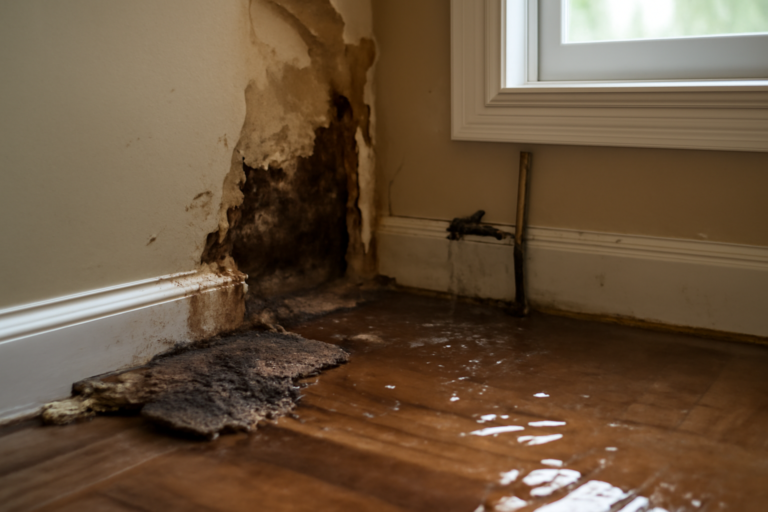
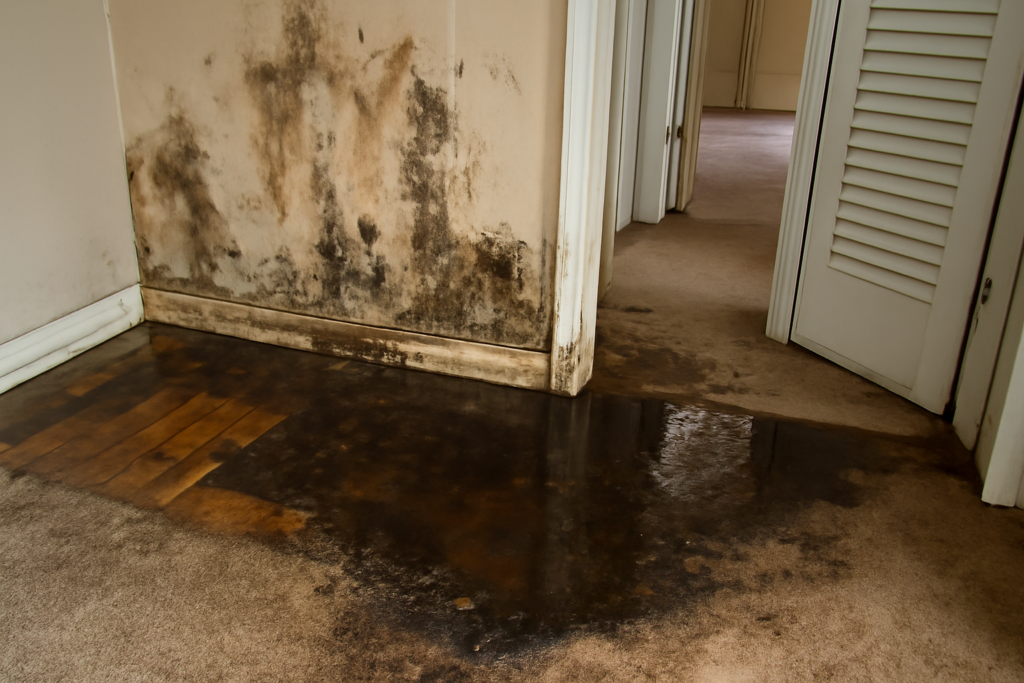
Here in College Park, GA, we know how unpredictable our weather can be, especially with those sudden, heavy downpours that can overwhelm our local sewer systems. When your home experiences a sewage backup or overflow, it’s more than just a mess; it’s a serious health hazard and a stressful situation for any homeowner. Dealing with black water contamination requires immediate attention and specialized equipment to ensure your property is safely and effectively restored. We understand how disruptive and concerning this can be, and our goal is to bring calm back to your home.
We’ve helped over 165 families in your neighborhood and surrounding areas tackle sewage damage, earning their trust through consistent, reliable results. Homeowners choose us because they know we treat every job with the utmost urgency and care, recognizing the sensitive nature of sewage-related issues. You can count on our local crews to respond quickly and handle the situation with professionalism and discretion.
- We use advanced drying and dehumidification techniques to eliminate moisture completely, preventing mold growth and structural damage.
- Our specialized cleaning and sanitization processes neutralize odors and kill harmful bacteria, making your home safe again.
- We work directly with your insurance company to streamline the claims process, reducing your administrative burden.
How Sewage Damage Restoration Actually Works
When sewage invades your home, it’s not a simple cleanup job. It involves a meticulous, multi-step process designed to address not just the visible mess but also the hidden dangers. Cutting corners here can lead to lingering odors, unhealthy environments, and long-term structural problems. Our team follows a proven restoration protocol that prioritizes your family’s health and the integrity of your property. We believe in transparent communication throughout the process so you always know what to expect.
Step 1: Emergency Response and Assessment
As soon as you call, we’ll dispatch a team to your property for an initial assessment. We’ll identify the source of the backup, determine the extent of the damage, and explain the immediate steps needed. This crucial first phase helps us plan the most effective strategy.
Step 2: Water Extraction and Removal
Our crews use powerful, industrial-grade pumps and vacuums to remove standing sewage water as quickly as possible. The sooner we extract the water, the less time it has to seep into porous materials and cause further damage. This is a critical containment step.
Step 3: Decontamination and Cleaning
This is where we tackle the health risks head-on. We use EPA-registered disinfectants and sanitizers to thoroughly clean and sterilize all affected surfaces, including floors, walls, and any salvageable belongings. Our goal is to eliminate pathogens and neutralize odors at their source.
Step 4: Drying and Dehumidification
Even after the visible water is gone, moisture can remain trapped within your home’s structure. We set up specialized drying equipment like air movers and dehumidifiers to accelerate the drying process and bring humidity levels back to normal. This prevents secondary damage like mold growth and protects your home’s integrity.
Step 5: Odor Removal and Final Inspection
Sewage backups often leave behind stubborn odors. We employ professional deodorization techniques, such as ozone or thermal fogging, to completely eliminate any lingering smells. Before we consider the job done, we conduct a final inspection to ensure your property is safe, clean, and fully restored.
If you’re dealing with sewage backup, don’t wait to call for professional help. Prompt action is key to minimizing damage and protecting your home’s health. Contact us now for immediate assistance.

Warning Signs You Need Sewage Damage Restoration
Catching the early signs of a sewage problem can save you a lot of money and prevent a much bigger headache down the road. Ignoring these indicators can lead to costly structural repairs and serious health concerns for your family. We want you to feel empowered to protect your home, so here are a few things to watch out for.
Musty Odors That Won’t Go Away
A persistent, unpleasant smell, especially in bathrooms or basements, is often the first sign of a sewage issue. It might indicate a slow leak or backup that needs immediate attention.
Slow Drains or Gurgling Sounds
When drains are sluggish or you hear gurgling noises coming from your pipes, it could mean a blockage in your main sewer line. This is a clear warning signal.
Water Backing Up into Fixtures
If water backs up into your shower, tub, or sinks when you flush a toilet or run water, it’s a direct sign of a sewer line problem. Don’t ignore this.
Visible Sewage or Water Around Drains
Any pooling of dirty water or visible sewage around floor drains, toilets, or other plumbing fixtures is a critical indicator of a backup. Act fast.
Unusual Lawn Wet Spots or Foul Smells Outside
Sometimes, a sewer line break can manifest as abnormally wet patches in your yard or a strong sewage odor outside your home. This points to an external line issue.
Sewage Damage Restoration vs. DIY: When To Call a Professional
| Situation | DIY? | Call a Pro? | Why |
|---|---|---|---|
| Minor toilet overflow with clear water | Yes, with caution | No | Usually manageable with towels and disinfectant. |
| Sewer line backup in basement | NO | YES | This is black water, a serious health hazard requiring specialized containment and cleaning. |
| Sewage pooling on floors | NO | YES | Immediate extraction and professional sanitization are essential to prevent contamination. |
| Water damage affecting drywall/carpet | Maybe, for small areas of clean water | YES | Sewage contaminates everything; professional cleaning is non-negotiable. |
| Lingering odors after a spill | No | YES | DIY methods rarely eliminate deep-set odors and pathogens effectively. |
| Suspected mold growth from sewage | NO | YES | Mold remediation requires specialized knowledge and equipment to ensure safety. |
While minor spills of clear water might seem manageable, any situation involving actual sewage requires professional intervention. The health risks are simply too high to attempt a DIY cleanup for contaminated water.
Sewage Damage Restoration Cost In College Park, GA
The cost for sewage damage restoration in College Park, GA can vary significantly based on the severity of the backup, the size of the affected area, and the type of materials impacted. These figures are general estimates and not a guarantee of final cost. A thorough on-site assessment is always needed for an accurate quote.
| Service | Typical Price Range | What Affects Cost |
|---|---|---|
| Emergency Water Extraction | $500 – $2,500 | Amount of water, speed of response, and accessibility of the area. |
| Decontamination and Sanitization | $750 – $3,000 | Square footage treated, type of sanitizers used, and number of affected rooms. |
| Drying and Dehumidification | $1,000 – $4,000 | Duration of drying needed, number of units deployed, and complexity of the structure. |
| Odor Removal | $400 – $1,500 | Severity of odor, size of the space, and chosen deodorization method. |
| Carpet and Pad Removal/Replacement | $300 – $1,000 per room | Square footage, type of carpet, and complexity of removal. |
| Structural Drying (e.g., subfloors) | $1,500 – $5,000+ | Extent of saturation, accessibility of structural cavities, and drying time required. |
Getting a free estimate is the best way to understand the specific costs for your situation. Our team will provide a detailed breakdown after assessing the damage to your property.
Service Areas Near College Park, GA
Atlanta, East Point, Hapeville, Forest Park, Riverdale, Jonesboro, Morrow, Clayton, Union City, Fairburn, Red Oak, Tyrone, Palmetto, Atlanta, Decatur, Clarkston, Avondale Estates, Stone Mountain, Lithonia, Stockbridge.
Common Questions About Sewage Damage Restoration
What is considered “black water” and why is it so dangerous?
“Black water” is sewage or water that has been contaminated with sewage or other toxic substances. It contains dangerous bacteria, viruses, and pathogens that can cause serious illnesses. Our team uses specialized protective gear and disinfectants to safely handle and clean black water contamination.
How quickly do I need to address sewage damage?
You need to address sewage damage immediately. The longer contaminated water sits, the more it seeps into building materials, increasing the risk of structural damage, mold growth, and serious health hazards. Our crews are available for emergency response 24/7 to start the restoration process right away.
Will my homeowner’s insurance cover sewage damage restoration?
Coverage for sewage damage can vary significantly depending on your specific policy and the cause of the backup. Many policies require a special endorsement for sewer backup. We can help you understand your coverage and work with your insurance adjuster to file your claim.
How long does the sewage damage restoration process typically take?
The timeline depends heavily on the extent of the damage and the complexity of the restoration. Simple extractions might take a day or two, but drying and decontamination can take anywhere from 3 to 10 days or longer, especially if structural drying is needed. We provide a projected timeline after our initial assessment.
Can I prevent sewage backups from happening?
Preventing sewage backups involves regular maintenance and mindful usage of your plumbing. Avoid flushing anything other than toilet paper, be cautious with grease and food scraps, and consider installing a backwater valve. If you’ve experienced backups before, proactive inspections are a wise investment.
Check Our Other Relevant Services

Jerry Johns is a licensed Damage Restoration Expert with over 20 years of hands-on experience helping homeowners and businesses navigate property crises. As a trusted authority in the field, Jerry combines technical precision with a compassionate approach to disaster recovery.
𝗖𝗲𝗿𝘁𝗶𝗳𝗶𝗰𝗮𝘁𝗶𝗼𝗻𝘀: Jerry holds multiple elite IICRC certifications, including Water Damage Restoration (WRT), Applied Microbial Remediation (Mold), Applied Structural Drying (ASD), Odor Control, and Fire and Smoke Restoration.
𝗙𝗮𝘃𝗼𝗿𝗶𝘁𝗲 𝗣𝗮𝘀𝘁𝗶𝗺𝗲: When he isn’t on a job site, Jerry is an avid outdoorsman who enjoys fly fishing and restoring vintage woodworking tools.
𝗕𝗲𝘀𝘁 𝗣𝗮𝗿𝘁 𝗼𝗳 𝘁𝗵𝗲 𝗝𝗼𝗯: Jerry finds the most fulfillment in seeing the relief on a client’s face when their property is finally restored to its pre-loss condition, turning a stressful disaster into a fresh start.